 EN
ENDEALER

493.894 US$DEALER
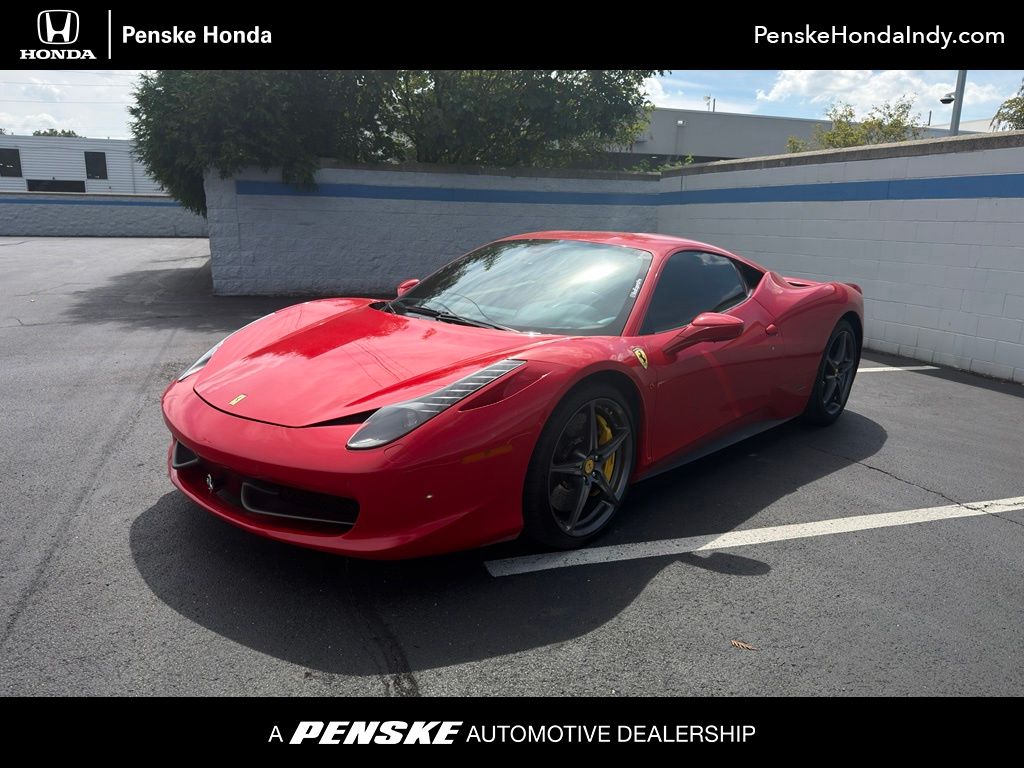
gasoline, automatic, 18K km, cabriolet, Rear Wheels Drive, 4,500 cm3, 570 hp, silver, Used condition, In stock

HendrickCars.com
 Charlotte, United States
 Charlotte, United StatesCharlotte, United StatesCharlotte, United StatesGreensboro, United States
 United States
 United States
 United StatesUnited StatesUnited States
 Sherwood Park, Canada
 United Arab Emirates, DubaiUnited Arab Emirates, DubaiUnited Arab Emirates, Dubai
 United Arab Emirates, Dubai
The Ferrari 458 is a celebrated sports car known for its striking design, exhilarating V8 soundtrack, and precise handling. If you’re considering purchasing a Ferrari 458, whether you’re a seasoned collector or a first-time exotic-car buyer, this guide covers the key factors that influence decision-making in markets across major cities. From choosing the right generation to understanding mileage, condition, and price segments, you’ll find practical insights to help you land a great deal.
The 458 lineup centers on a mid-engine, rear-wheel-drive configuration with a naturally aspirated V8. Common questions include which year and variant to pick, and how engine displacement and output affect driving experience. Typical generation changes involve improvements to aerodynamics, electronics, and interior trim. When shopping, buyers often compare the standard 458 Italia with the more performance-oriented 458 Spider, noting differences in roof design, weight, and top-down driving thrills. In many markets, you’ll encounter coupe and spider body styles, with price sensitivity tied to miles, provenance, and maintenance history.
Prices for a Ferrari 458 can vary significantly by country and city, reflecting factors like import costs, local demand, and service networks. For prospective buyers, key questions include:
In urban markets with strong exotic-car scenes, you’ll likely find certified or well-documented private-party sales, plus dealer-backed programs. Always verify provenance, MOT/inspection records where applicable, and service history—major maintenance items can influence long-term ownership costs.
Pros:
Cons:
If you’re comparing options in your city, focus on service history documentation, accident-free records, and recent maintenance like belt services, tires, and brake components. A detailed inspection by a specialist can reveal hidden issues such as timing belt wear, clutch life, and electrical gremlins that affect ownership satisfaction.
Whether you’re in a metropolitan hub or a region with a strong enthusiast network, a well-documented Ferrari 458 with a transparent maintenance record can offer an extraordinary ownership experience. By understanding the nuances of mileage, year, and model variants, you can navigate listings confidently and move closer to a satisfying purchase.
 Add as preferred sourceSee more from zvelta in Google Search Add as preferred source