 EN
ENDEALER
289.990 US$DEALER
296.893 US$
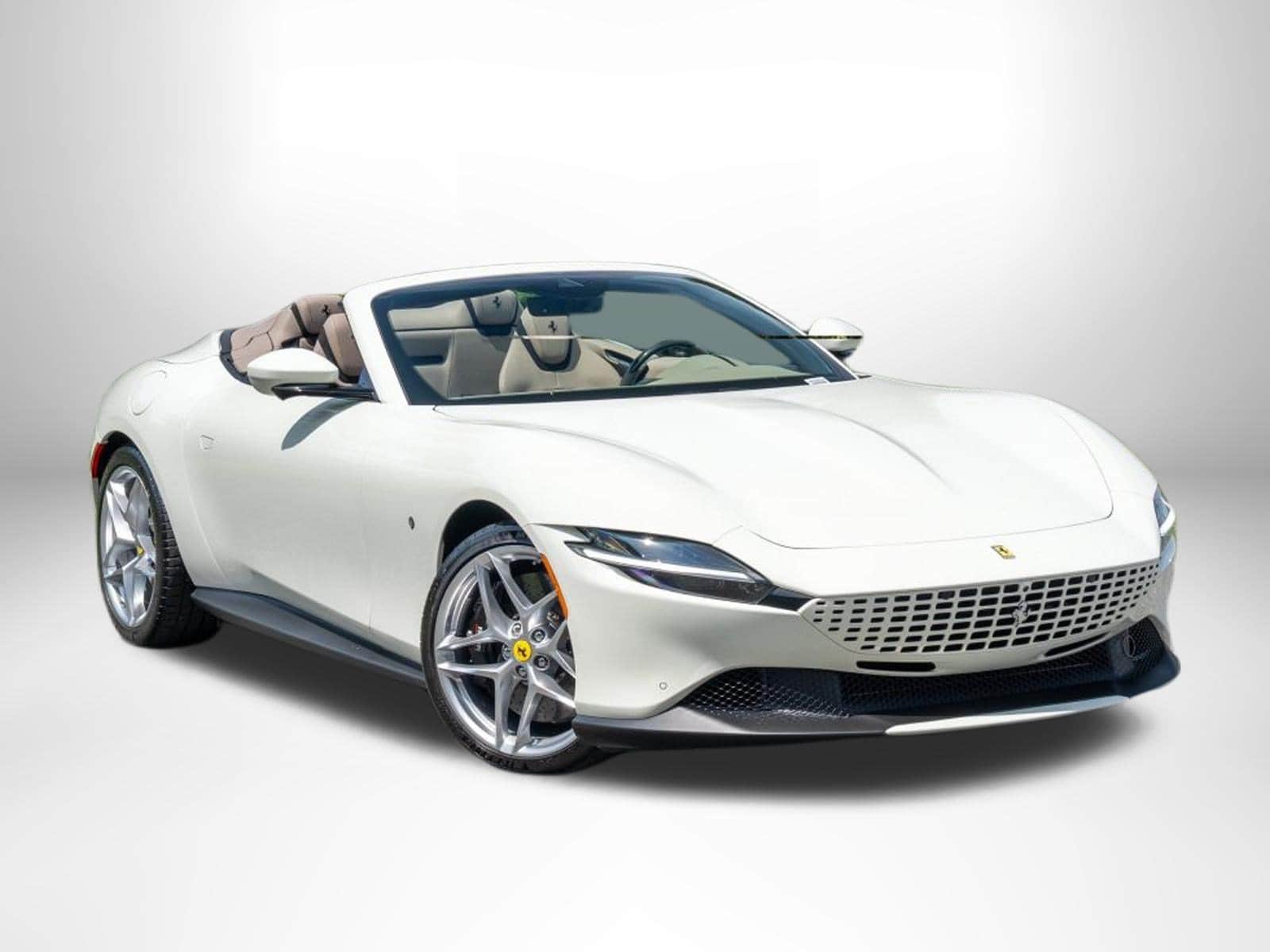
gasoline, automatic, 2K km, cabriolet, Rear Wheels Drive, 3,900 cm3, 611 hp, white, Used condition, Europa, In stock

HendrickCars.com
 Greensboro, United States
 Greensboro, United StatesGreensboro, United States
 United States
 United States
 United States
 United States
 United StatesUnited StatesBeverly Hills, United States
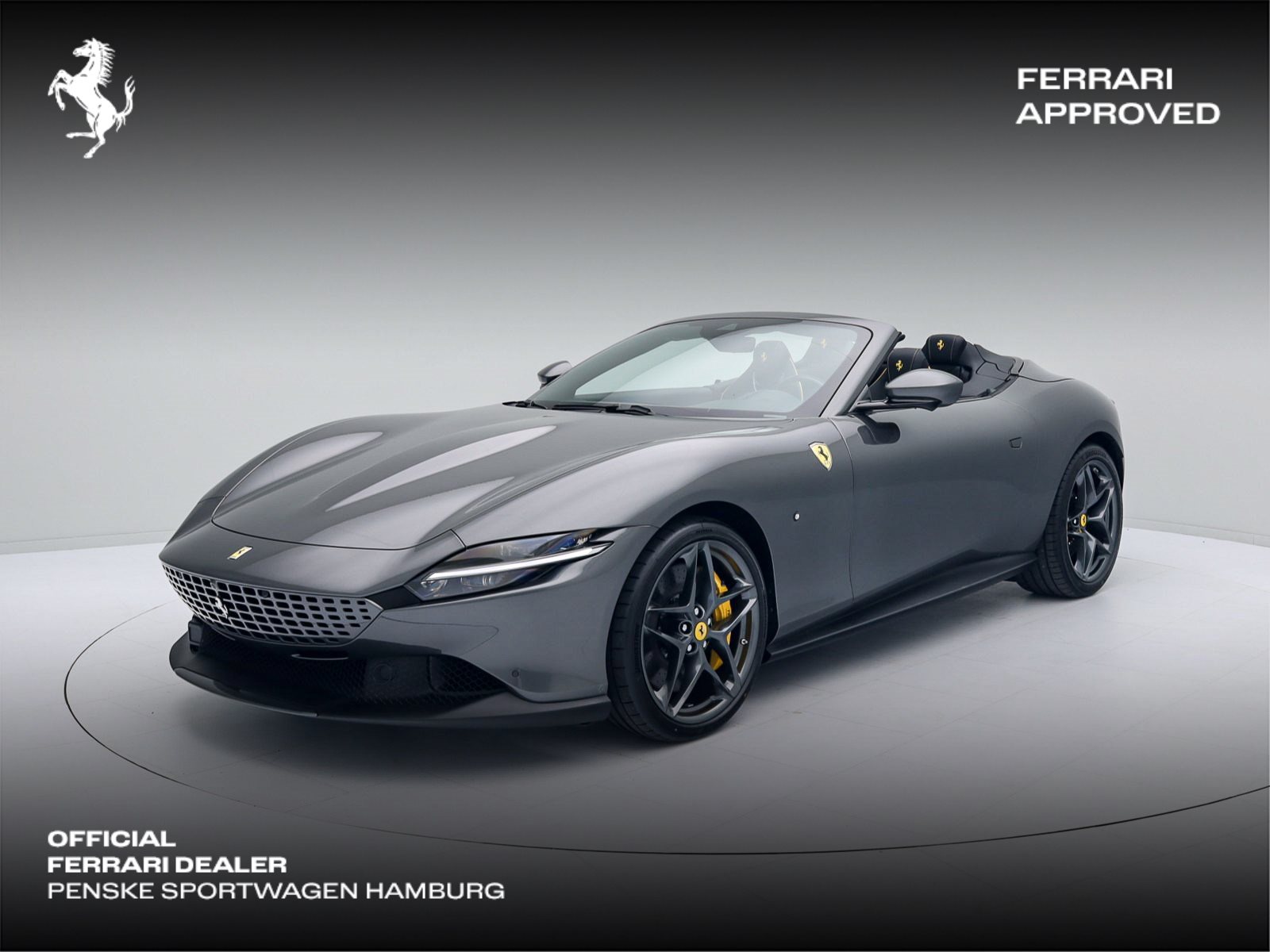
 Wandsbek, GermanyWandsbek, GermanyWandsbek, Germany
 ItalyItalyModena, Italy
 Romania
 South KoreaSouth Korea
 United Arab Emirates, DubaiUnited Arab Emirates, DubaiUnited Arab Emirates, Dubai
 United Arab Emirates, DubaiUnited Arab Emirates, DubaiUnited Arab Emirates, DubaiUnited Arab Emirates, Dubai
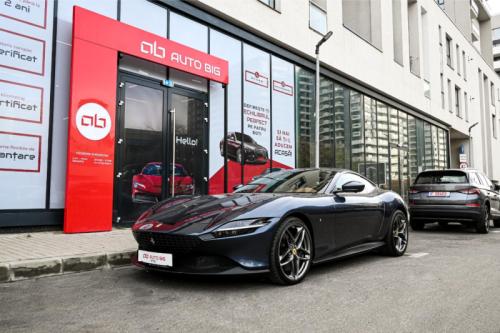
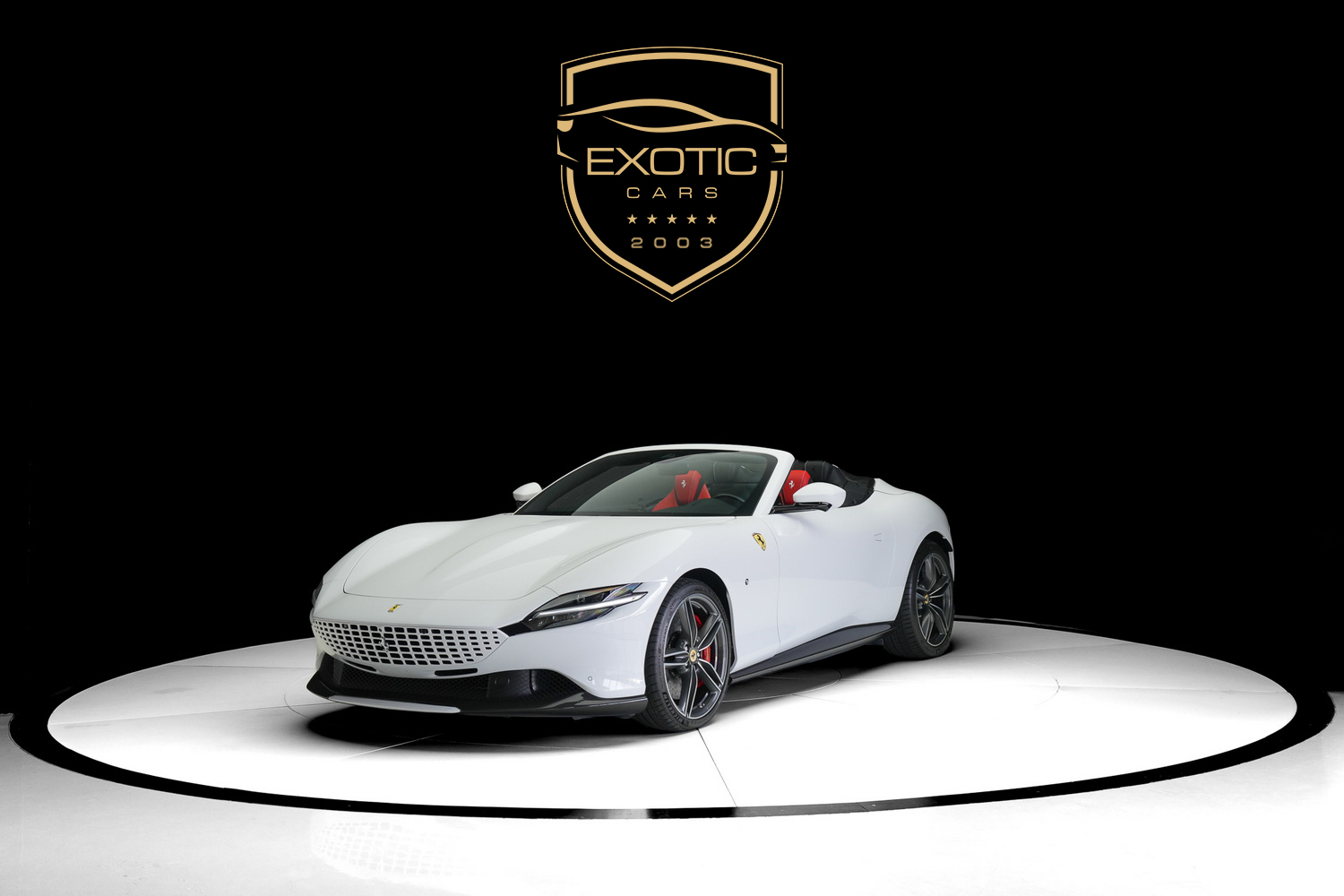
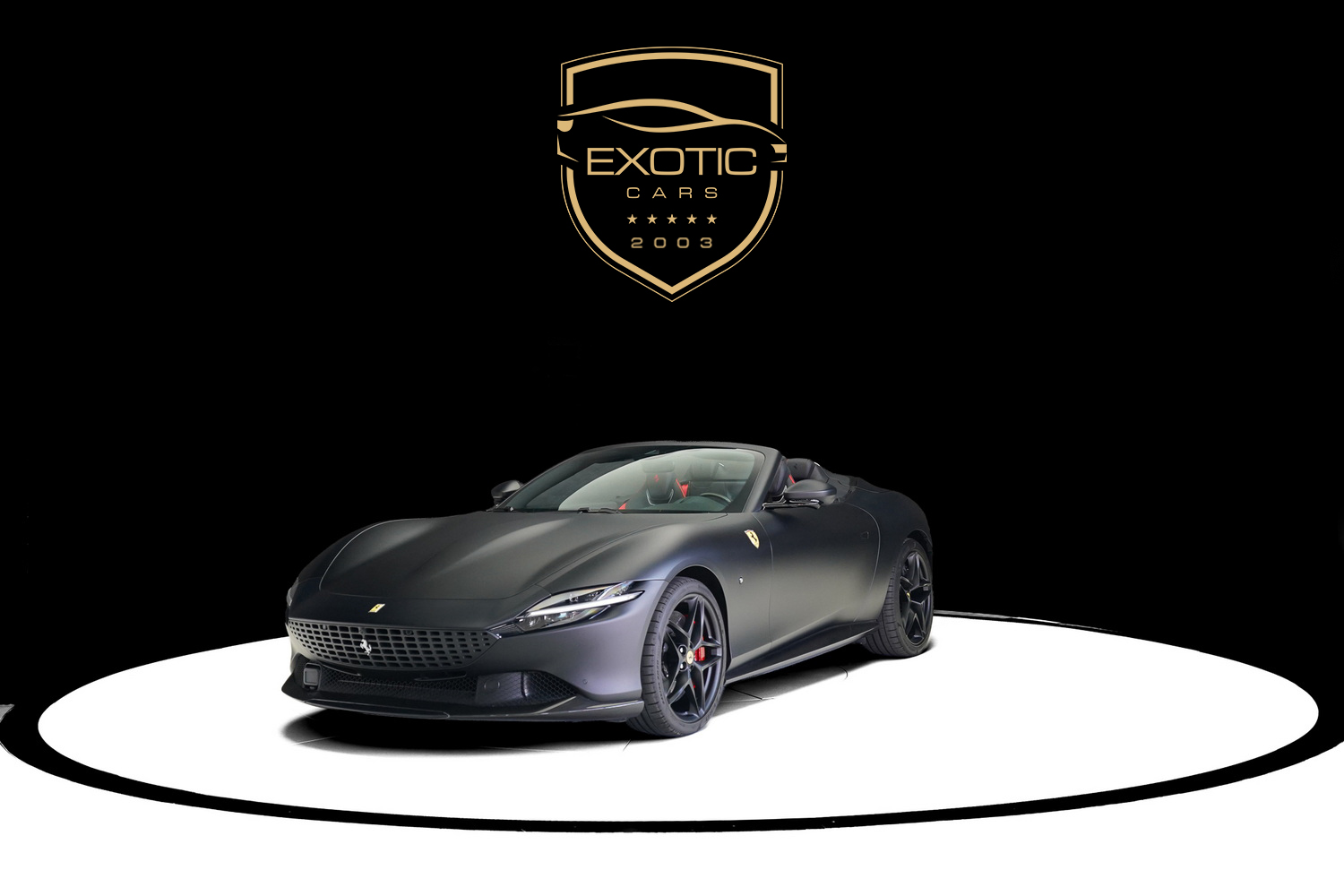
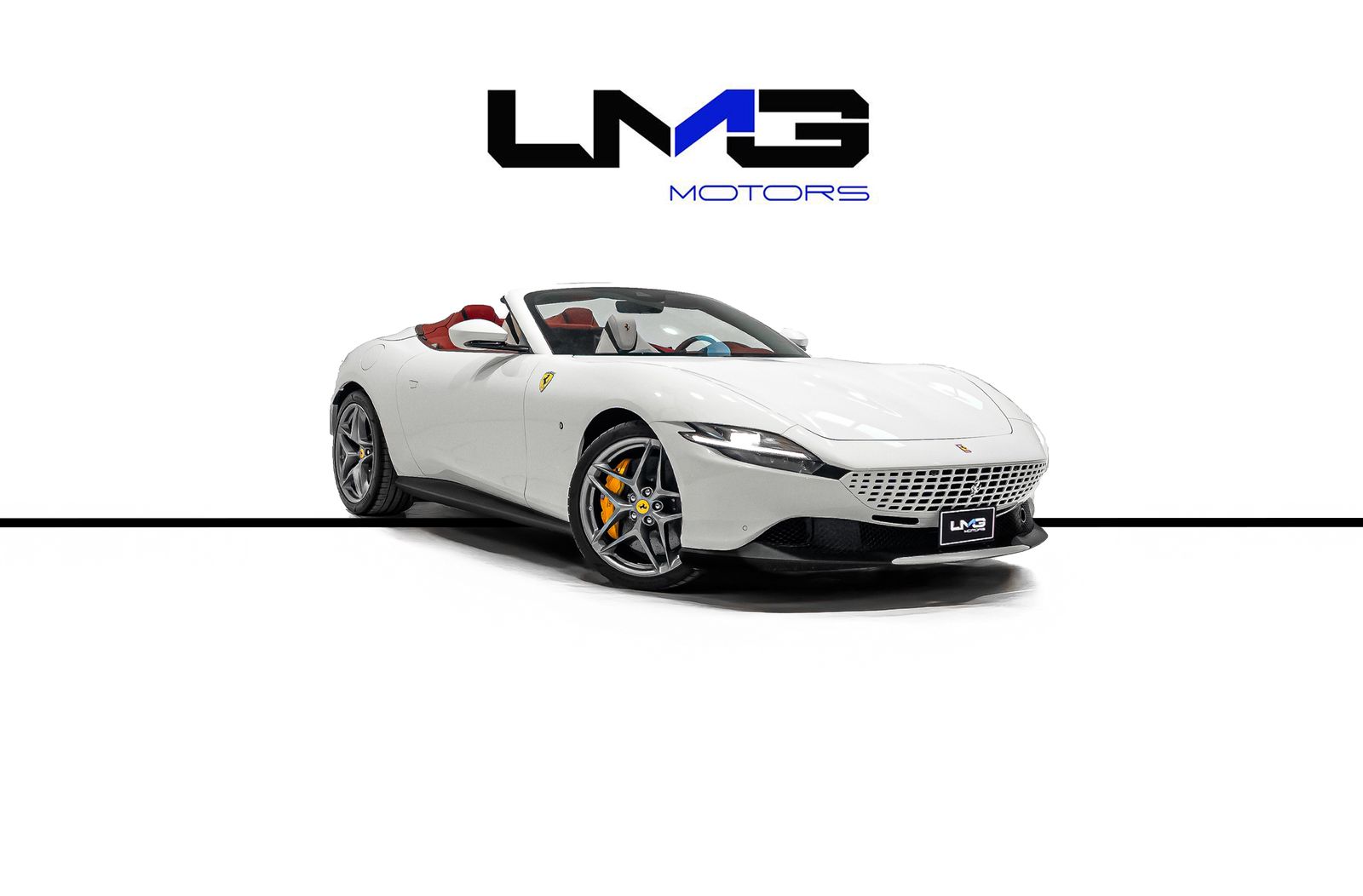
The Ferrari Roma stands out as a modern take on the classic grand tourer, blending timeless design with contemporary performance. If you’re in the market to buy or sell a Ferrari Roma, understanding the generations, configurations, and regional pricing can help you make a smarter decision. Below we cover what to look for when evaluating a Roma, how to compare different years, and practical tips for negotiating your next purchase in your city.
The Roma is a two-seater grand tourer designed for comfortable long-distance cruising with dramatic styling and a V8 engine. Key details mirroring common buyer questions include the model generation, body type, fuel type, year, and mileage. When browsing listings, you’ll encounter variations quickly: late-generation Roma versus earlier editions, differences in seat materials, exhaust tone, and optional equipment. Prospective buyers often ask:
Start by clarifying your goals: do you want a pristine, low-mileage example for weekend drives, or a well-kept higher-mileage Roma as a daily exotic cruiser? Understanding your budget helps narrow the search to a realistic price segment while still allowing for optional features that matter to you.
When evaluating different Roma listings, focus on: year, mileage, color, trim, and optional equipment. Compare maintenance records, recent service work, and whether the car has had any major component refreshes (brakes, tires, belts). Consider:
If you’re selling, highlight what makes your Roma stand out: verified service records, low mileage, original parts, and a clean title. High-quality photos: exterior angles, interior detail, engine bay, and the odometer help establish trust with buyers. Present your listing with transparent pricing expectations, noting the year, mileage, and any factory options. A compelling description that includes typical use (weekend cruising, track days) can draw in informed buyers who understand the model’s value.
Whether you’re buying or selling in your city, understanding the Roma’s nuances—generation, mileage, year, and optional features—will help you navigate listings more confidently. This approach ensures you get the best possible value while enjoying the distinctive Ferrari experience.
 Add as preferred sourceSee more from zvelta in Google Search Add as preferred source
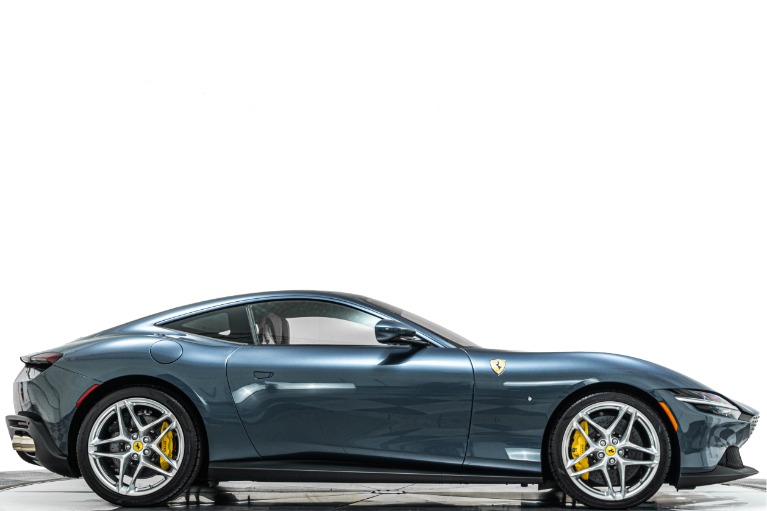
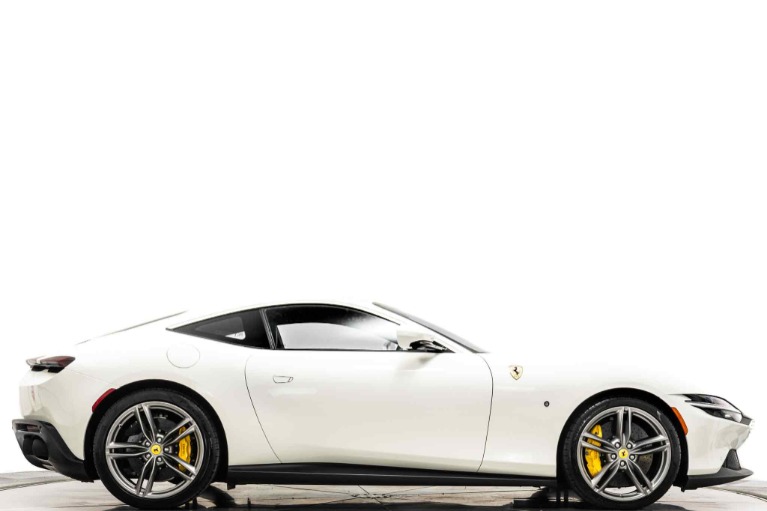
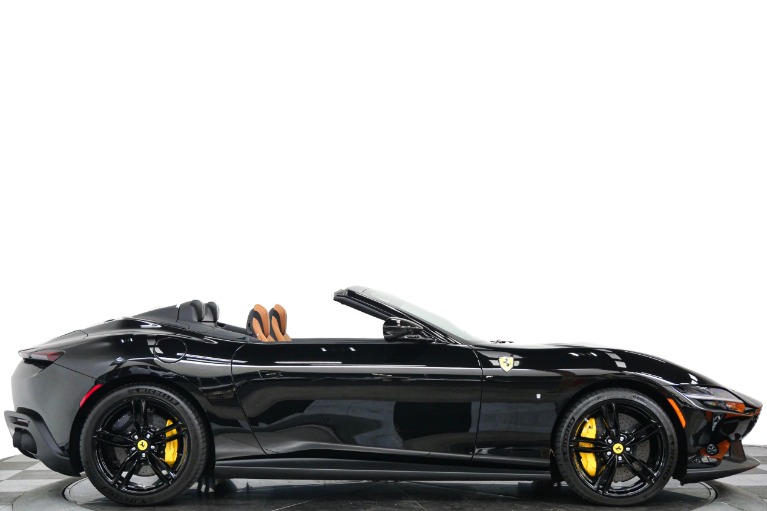
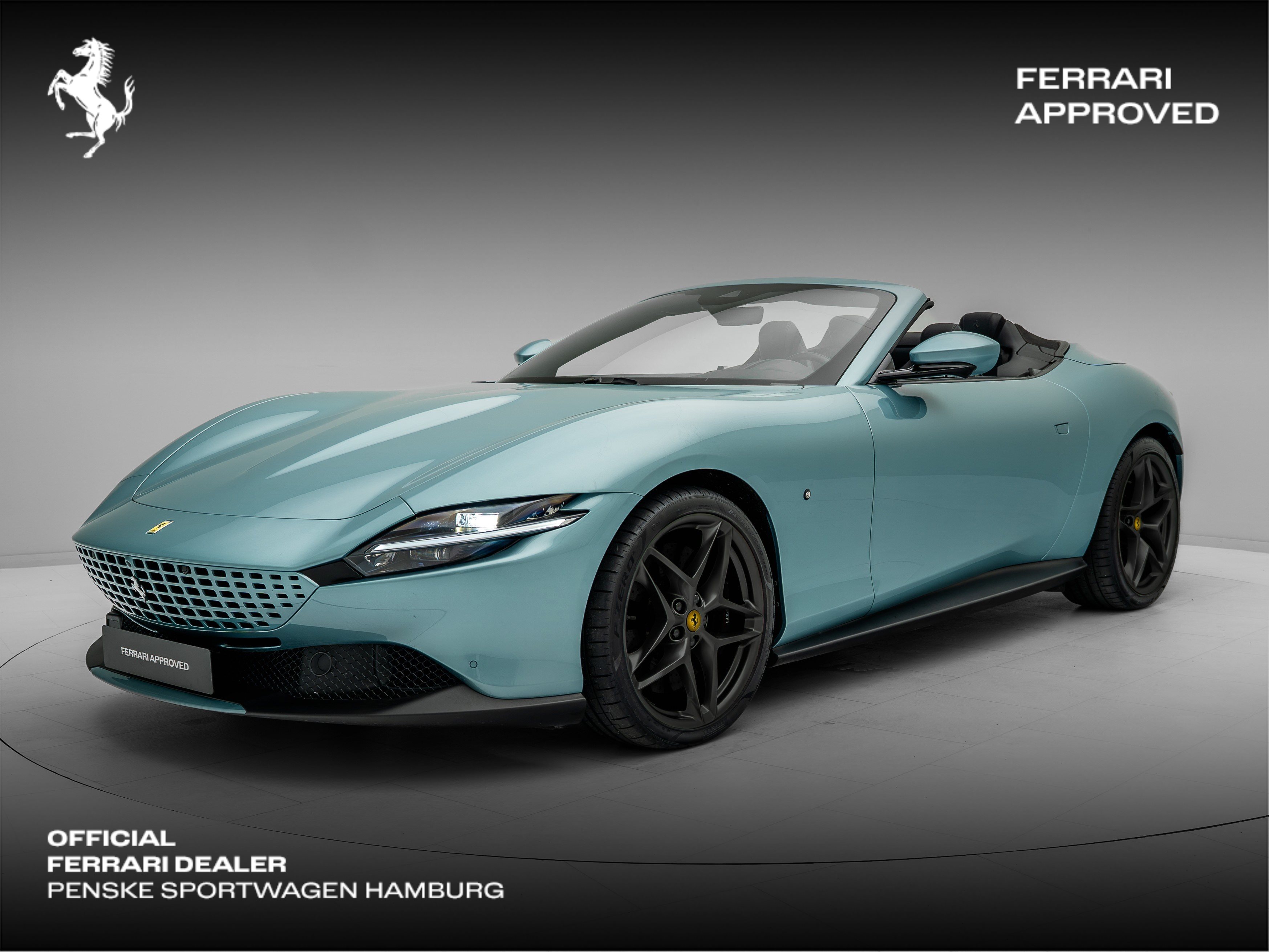
.jpg?vehicleId=1748715&overlay=4598&lsid=639255967540700000 "Ferrari Roma - GRIGIO SCURO - FERRARI HAMBURG")