 EN
ENDEALER
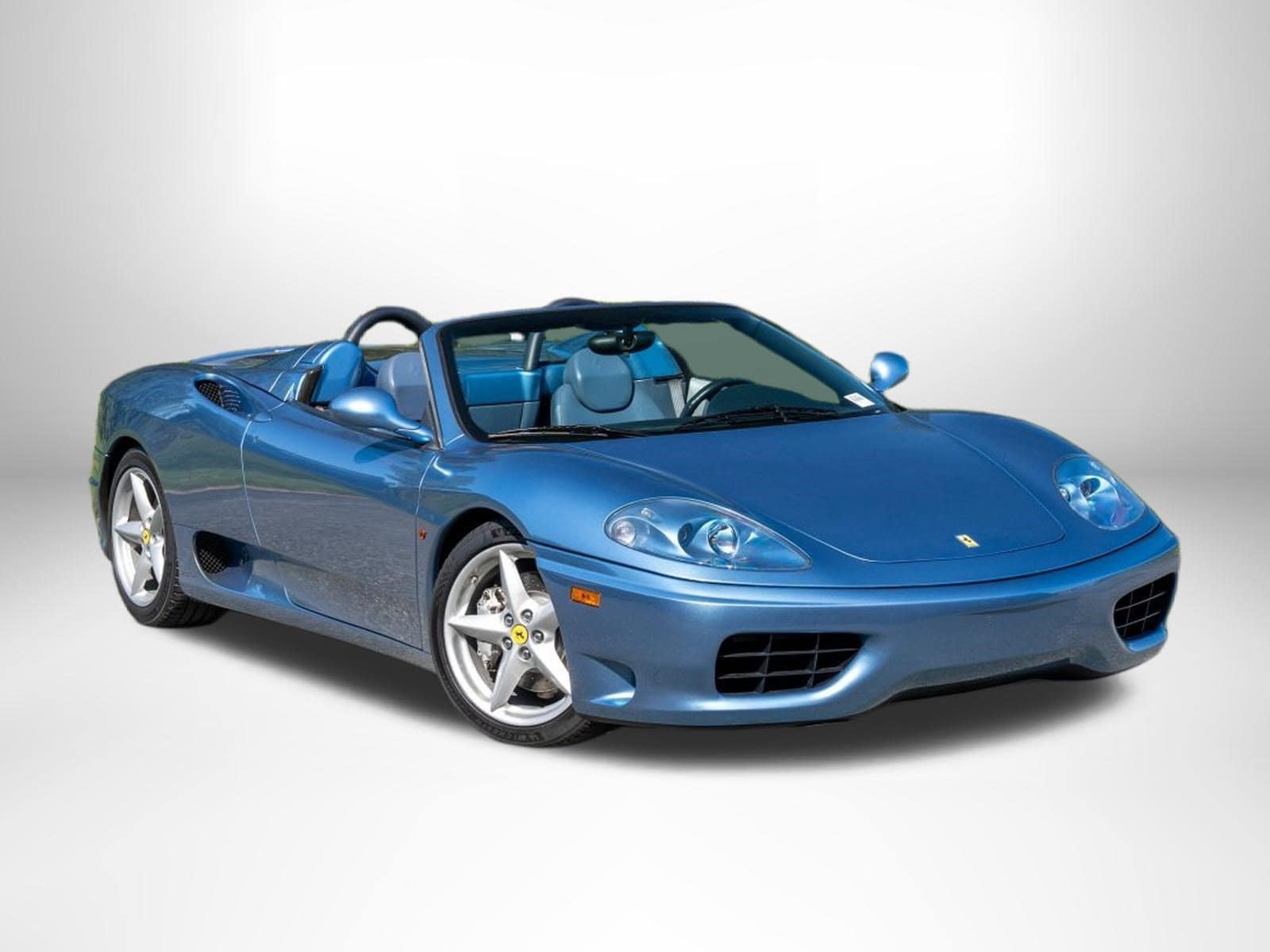
360.899 US$DEALER
397.999 US$
gasoline, manual, 22K km, cabriolet, Rear Wheels Drive, 3,600 cm3, 400 hp, Used condition, Europa, In stock

HendrickCars.com
 Greensboro, United States
 Greensboro, United States
 United Arab Emirates, DubaiUnited Arab Emirates, DubaiUnited Arab Emirates, Dubai
The Ferrari 360 is a classic mid-2000s supercar that continues to captivate enthusiasts with its sharp styling and authentic V8 soundtrack. If you’re considering buying or selling a Ferrari 360, it helps to understand the key details that impact price, performance, and ownership experience. In this guide we’ll cover the model range, common configurations, what to look for in a used example, and practical tips for negotiating in markets where this car is desirable.
The Ferrari 360 debuted in the late 1990s and remained in production into the mid-2000s, with variants including the classic berlinetta (coupe) and spider (convertible). Most models are powered by a naturally aspirated V8 delivering a distinctive, high-revving character. When shopping, pay attention to:
For buyers, the goal is to balance passion with practicality. Consider these checkpoints:
Prices for a Ferrari 360 can vary based on mileage, year, condition, and provenance. In many markets, you’ll find:
When comparing listings, focus on total ownership costs and maintenance history rather than just the sticker price. It’s common to negotiate based on required belt service, clutch condition, and the cost of any overdue maintenance.
If you’re selling, accurate valuation and honest disclosure are key. Highlight:
In summary, a Ferrari 360 is a compelling choice for someone who values a classic V8 Ferrari with timeless styling. By verifying service history, condition, and ownership costs, you can find a well-preserved example and make a confident sale or purchase decision.
 Add as preferred sourceSee more from zvelta in Google Search Add as preferred source

