 EN
ENDEALER
225.899 US$DEALER
manual, 26K km, Used condition, In stock

HendrickCars.com
 Greensboro, United States
 Greensboro, United States
 United Kingdom
 United Arab Emirates, DubaiUnited Arab Emirates, DubaiUnited Arab Emirates, DubaiUnited Arab Emirates, Dubai
The Ferrari Testarossa is an iconic classic that attracts collectors and enthusiasts worldwide. If you’re considering a purchase, understanding the model’s generations, fuel type, body style, and pricing helps you make a confident decision. This guide focuses on practical tips for buying or selling a Ferrari Testarossa, with attention to common questions about reliability, maintenance, and value in different markets.
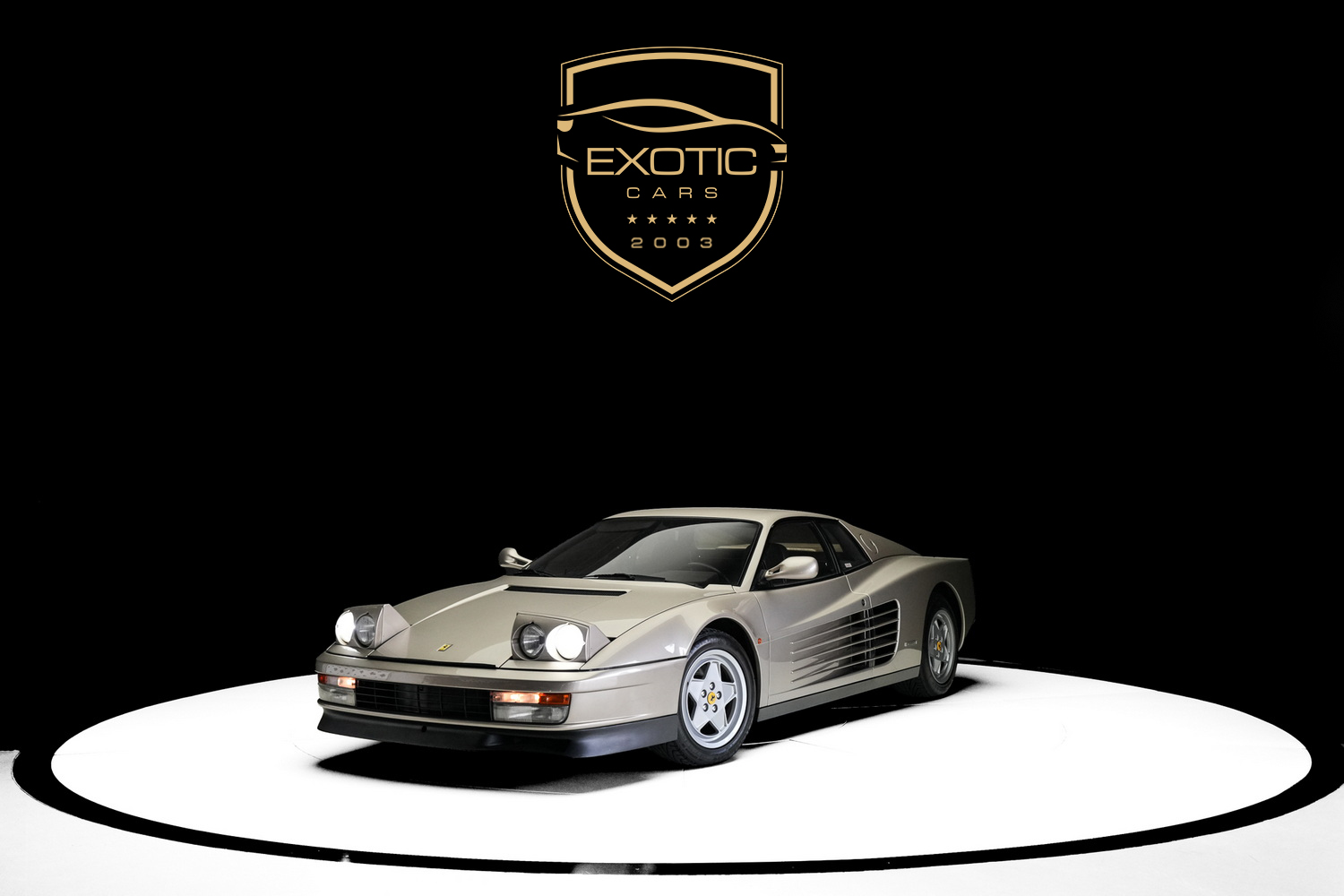
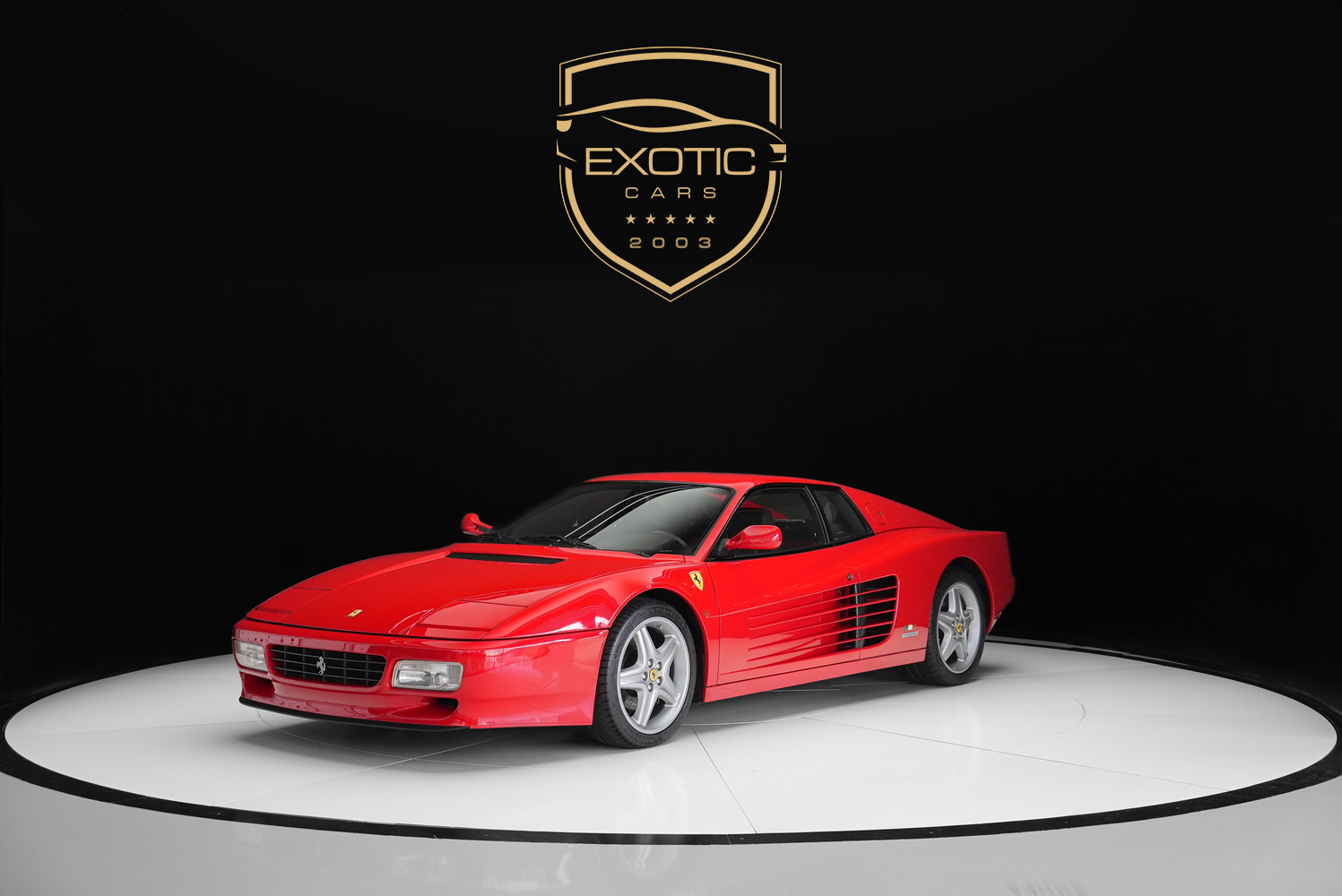
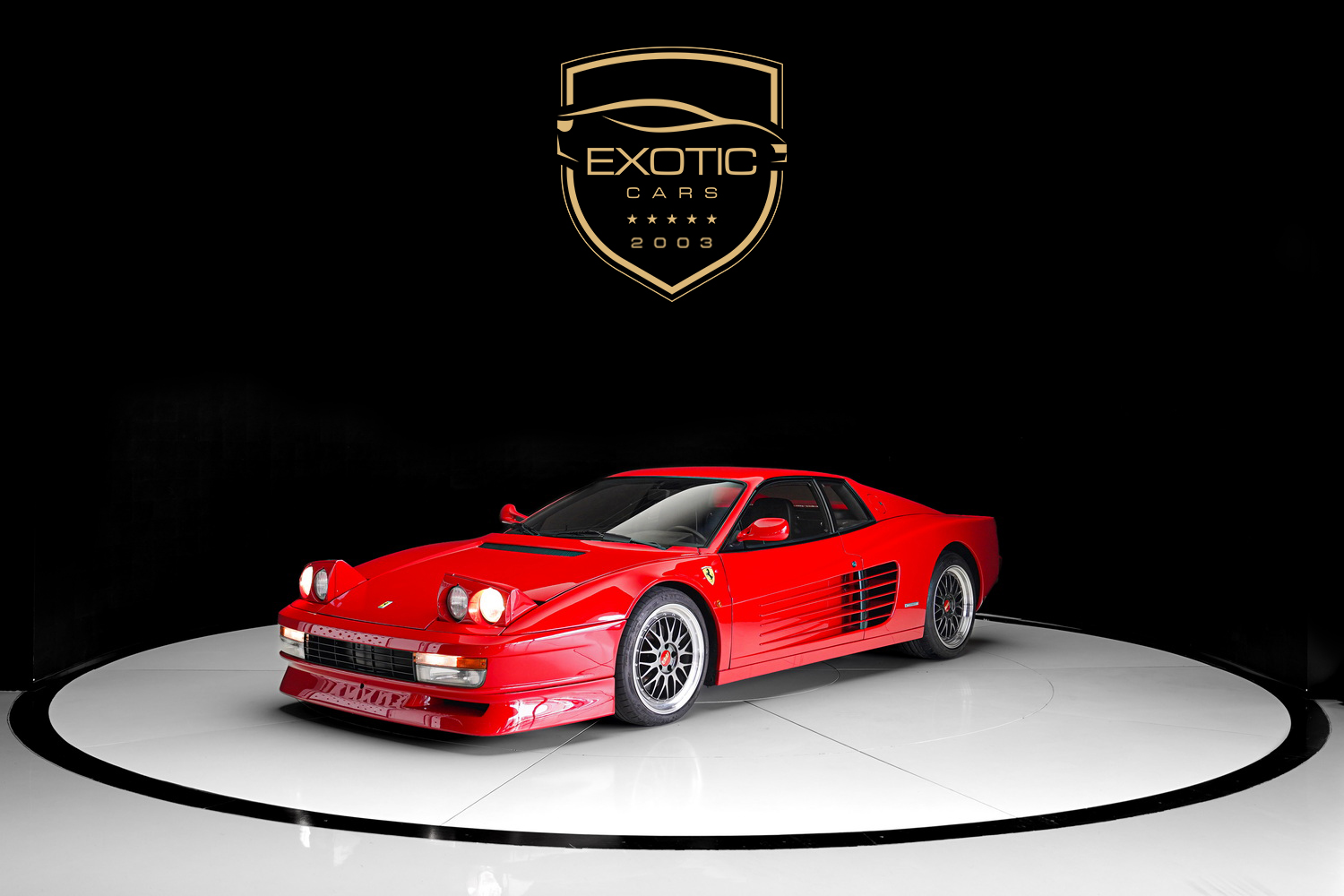
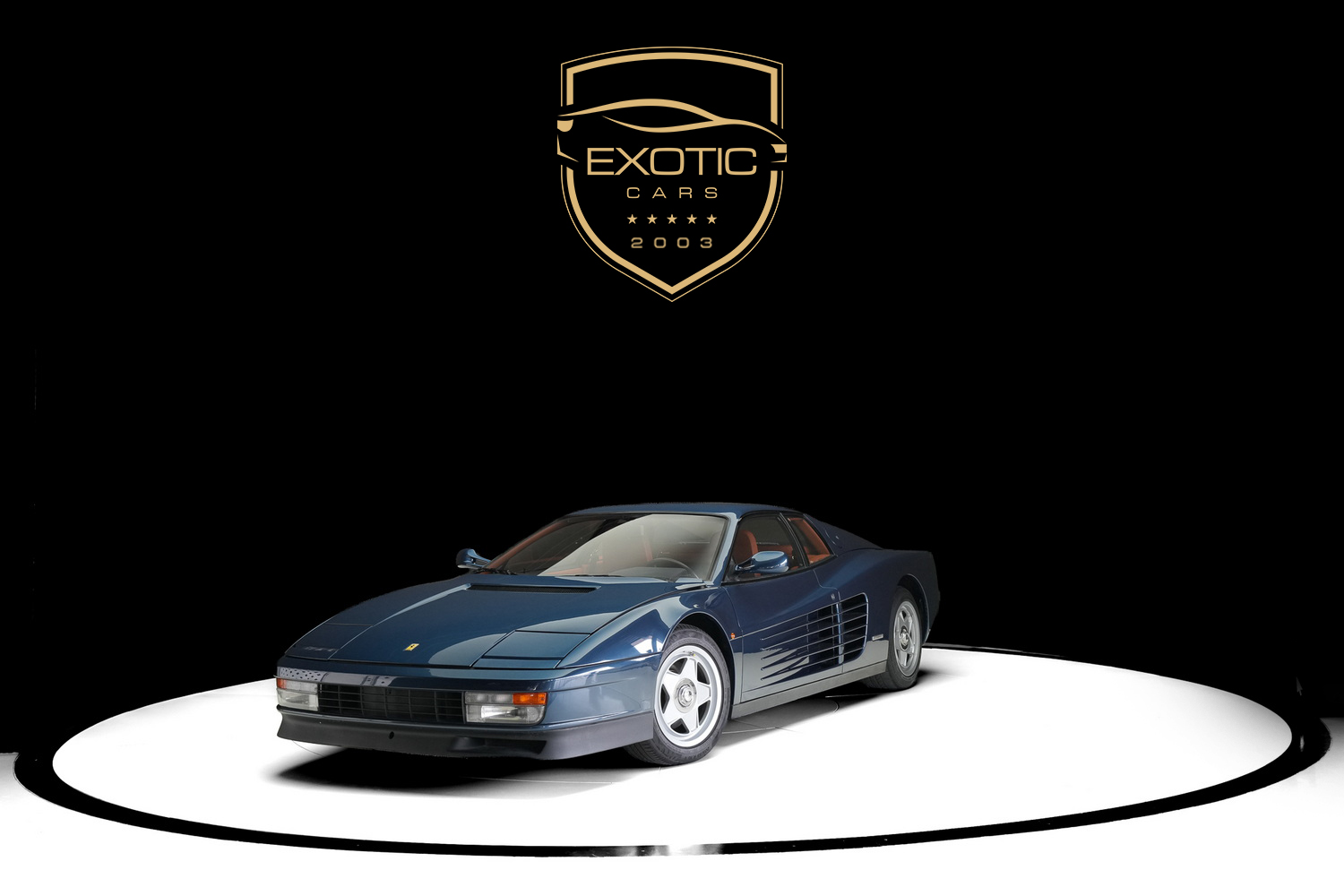
The Testarossa lineage debuted as a mid-1980s supercar with a distinctive side-vented design, typically powered by a front-mounted flat-12 engine and rear-wheel drive. Most examples you’ll encounter are single-coach coupes, sometimes with limited editions or targa variations. When evaluating a listing, consider the specific generation and any rare variants, since values can shift with condition, mileage, and documented history.
Key factors to assess include:
When searching for a Testarossa, buyers often ask about price ranges, condition grades, and provenance. Typical questions include how to verify authenticity, what a fair price is for a given year and mileage, and which options or subsequent updates add value. Sellers focus on presenting a clean service history, recent maintenance receipts, and clear documentation for any restorations or repaints.
Consider these practical steps:
Prices for Ferrari Testarossa units vary widely by condition, originality, and provenance. A well-preserved example with a documented history often secures a premium. Ongoing costs include routine maintenance, tires, brake work, and potential parts sourcing for older models. Prospective buyers should factor in insurance, storage, and potential restoration expenses when budgeting.
For sellers, presenting a transparent maintenance log, including service intervals, part numbers, and any cosmetic work, can streamline negotiations and improve buyer confidence. In major markets, reputable dealers or auction houses may provide appraisal or consignment options to help set a fair market price.
This guide addresses common inquiries about buying or selling a Ferrari Testarossa, emphasizing how to balance rarity, condition, and realistic ownership costs to make a satisfying decision.
 Add as preferred sourceSee more from zvelta in Google Search Add as preferred source