EN
EN

Frequently asked questions
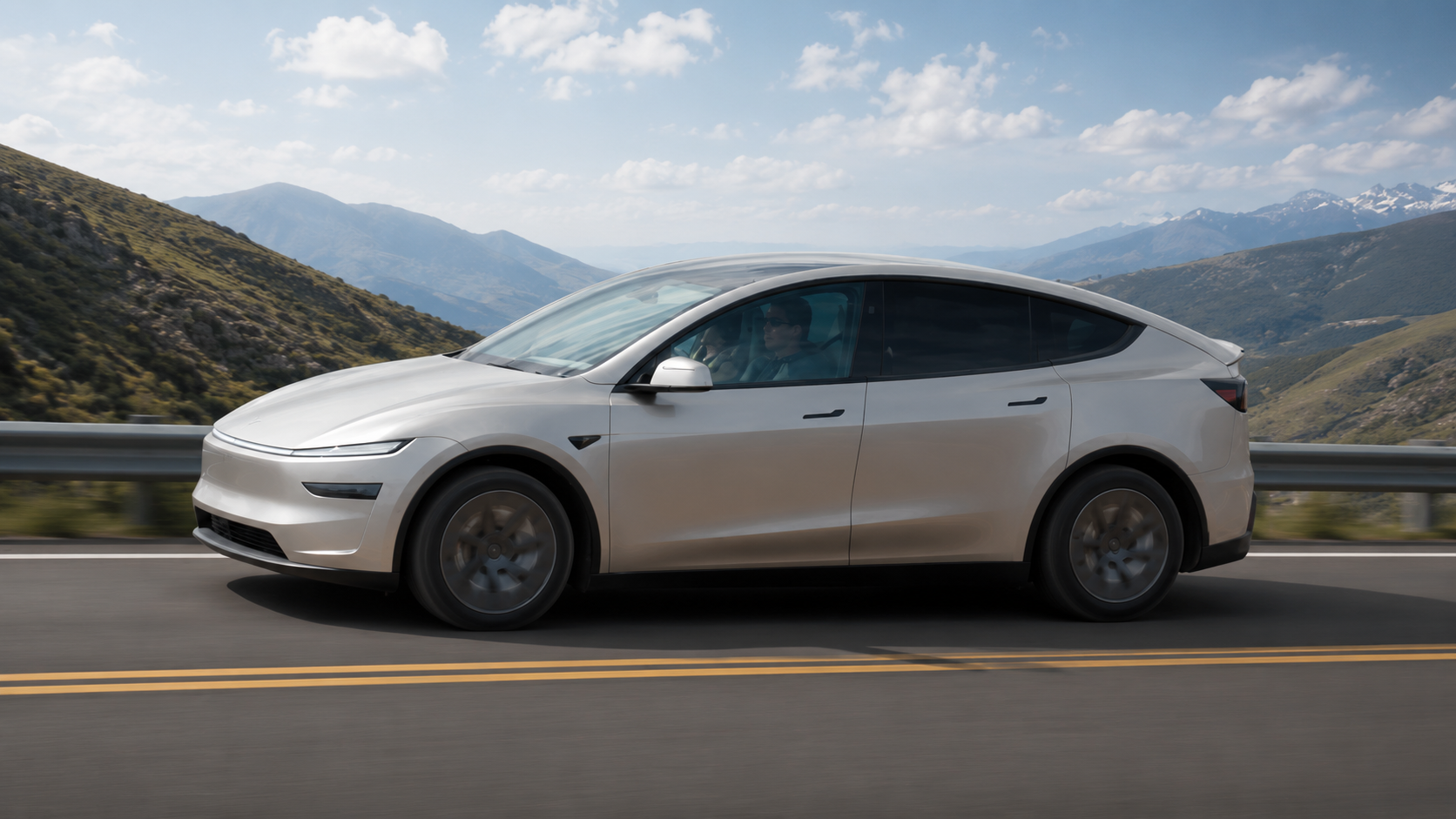
The Tesla Model Y L has three rows and six individual seats in a 2+2+2 layout, including two separate second-row captain’s chairs.
According to Tesla’s dimensions table, the Model Y L has a 150 mm longer wheelbase and is 179 mm longer overall. It is listed at 4,976 mm long, compared with 4,797 mm for the five-seat Model Y Premium.
The Model Y L is aimed at buyers who find five seats insufficient but consider a larger three-row vehicle excessive, including families and groups that often travel with up to six people. It does not suit buyers who regularly need seven seats.
On July 2, 2026, Tesla began selling the Model Y L in the U.S. It is a stretched version of the brand’s best-selling crossover with three rows and six individual seats. The main difference is not the third row itself, but how the body and cabin were redesigned: instead of trying to fit as many passengers as possible on the original platform, Tesla focused on a 2+2+2 layout and a roomier seating position.
The regular Model Y was already offered with a third row in some markets, but that setup was always a compromise. The Model Y L is built for a different task: to give a family or a small group six proper seats without moving up to a larger electric SUV. On Tesla’s U.S. page for the Model Y L, Tesla lists three rows, six seats, dual-motor all-wheel drive, and an estimated range of 325 miles on the U.S. cycle.
What changed compared with the regular Model Y
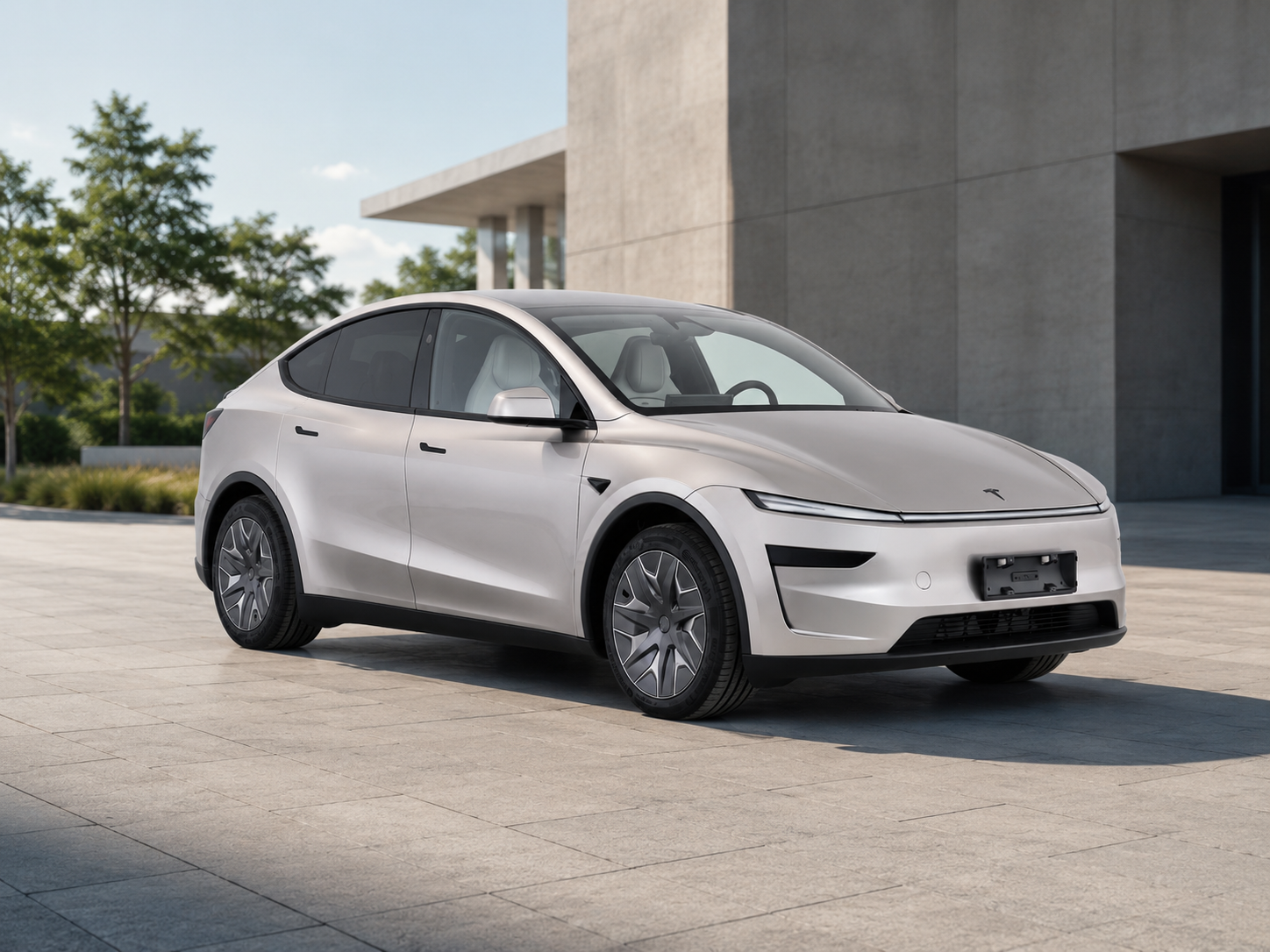
The stretched version got more than just an extra row of seats. According to Tesla’s official dimensions table, the wheelbase grew by 150 mm, and the overall length increased by 179 mm. That is what creates the extra room for the second and third rows.
Parameter | Model Y Premium, 5 seats | Model Y L, 6 seats |
Number of rows | 2 | 3 |
Number of seats | 5 | 6 |
Length | 4 797 mm | 4 976 mm |
Wheelbase | 2 890 mm | 3 040 mm |
Height | 1 624 mm | 1 668 mm |
The dimensions are taken from Tesla’s official dimensions table. Depending on the market and the measurement method, the length shown on the brand’s pages can differ by a few millimeters, but the difference between the regular Model Y and the Model Y L remains fundamental: this is not just a different seat layout.
Why six seats, not seven
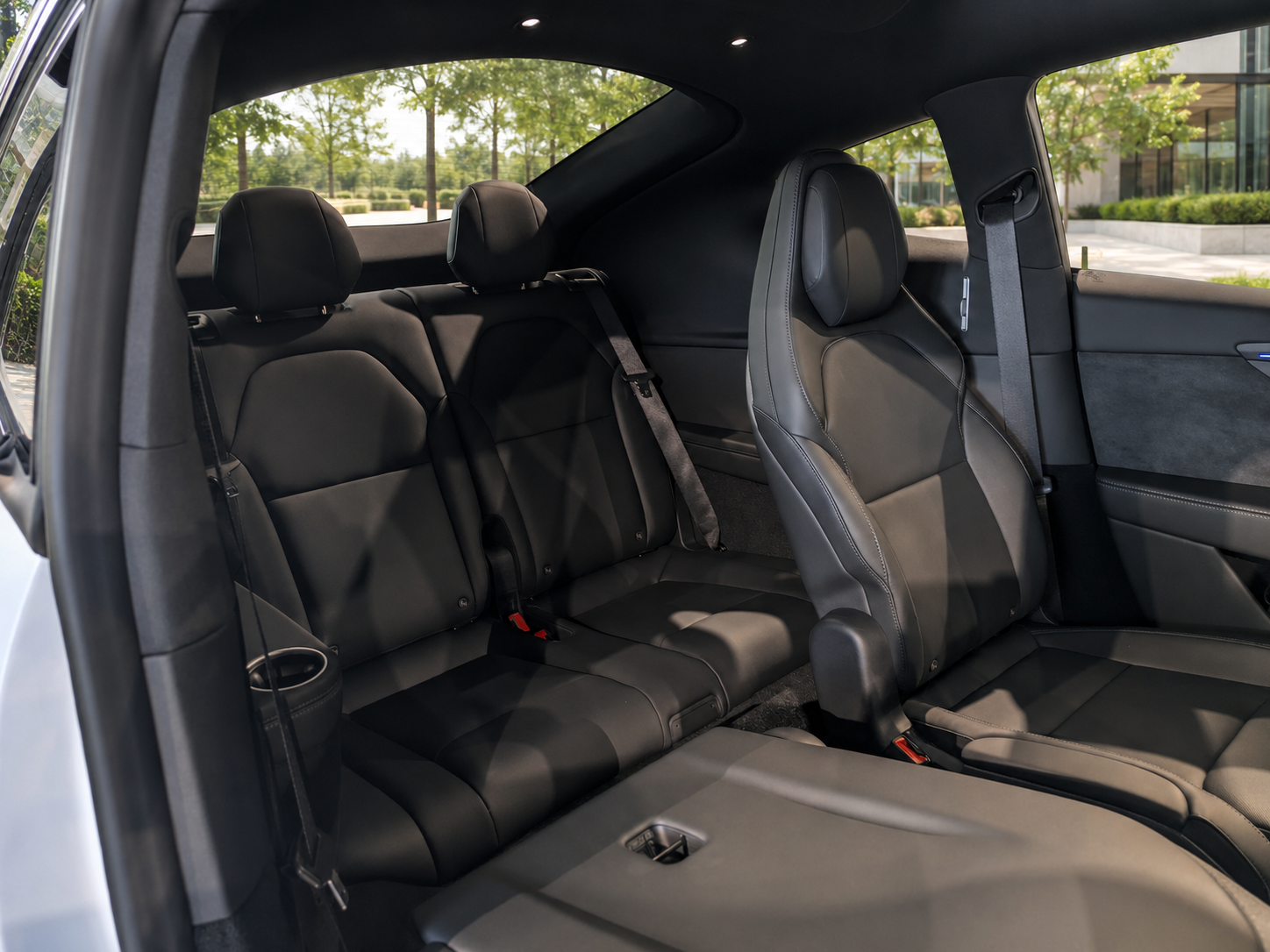
The 2+2+2 layout gives up one seat in exchange for a proper seating position. In the second row, there are two separate captain’s chairs with armrests instead of a three-seat bench. That makes access to the back easier and gives passengers more personal space. For families with two or three children, or for trips with six people, this layout can be more practical than a nominal seven-seater, where the third row is meant only for short drives.
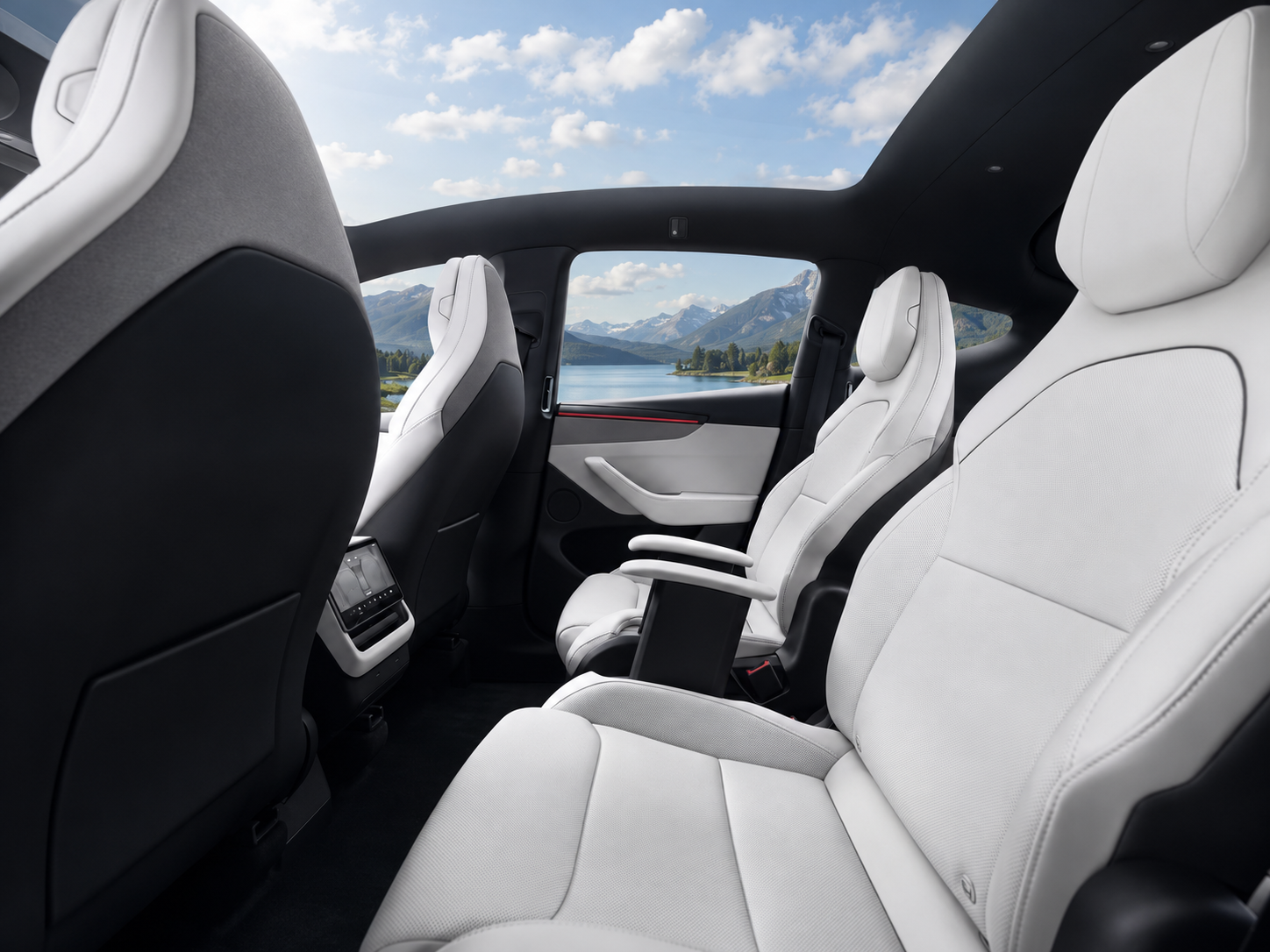
Tesla says the second row gets heating, ventilation, power-adjustable armrests, and one-touch folding. Third-row passengers get heating, electric backrest recline, quick folding, and separate air supply. These details are listed in the official Model Y L description.
Who the Model Y L is for
The six-seat Model Y makes sense for buyers who already find five seats too few, but think a large three-row vehicle would be excessive. That may include families that often travel with children, relatives, or friends, as well as owners who use the car for transfers and weekend trips.
At the same time, the Model Y L should not be seen as a minivan replacement. Tesla lists a total cargo volume of 89 cubic feet for the U.S. version, but that figure alone does not answer how much luggage will fit behind the third row with all six seats occupied. Before buying, it makes sense to check the actual trunk dimensions in the desired configuration and see whether the seating height and access to the third row suit passengers of your height.
What to consider before choosing one
The Model Y L is almost 18 cm longer than the regular Model Y, so parking and maneuvering in tight courtyards will be a little more difficult.
The 2+2+2 layout is more comfortable for six passengers, but it does not suit buyers who regularly need to carry seven people.
The lineup, prices, and delivery times vary by market. Specifications from the U.S. configurator cannot be automatically applied to cars for other countries.
Cargo space should be checked specifically for trips with the third row raised, not by the maximum figure with the seats folded down.
Bottom line
The Model Y L appeared not because Tesla simply decided to add another seat. The longer wheelbase, taller body, and separate second-row seats change how the crossover is used. This is a version for buyers who need not the highest possible seat count on paper, but a more comfortable ride for six. How successful this format will be in real-world use will be shown by independent tests and the first owner reviews.