 EN
ENDEALER

22.995 US$DEALER
23.995 US$
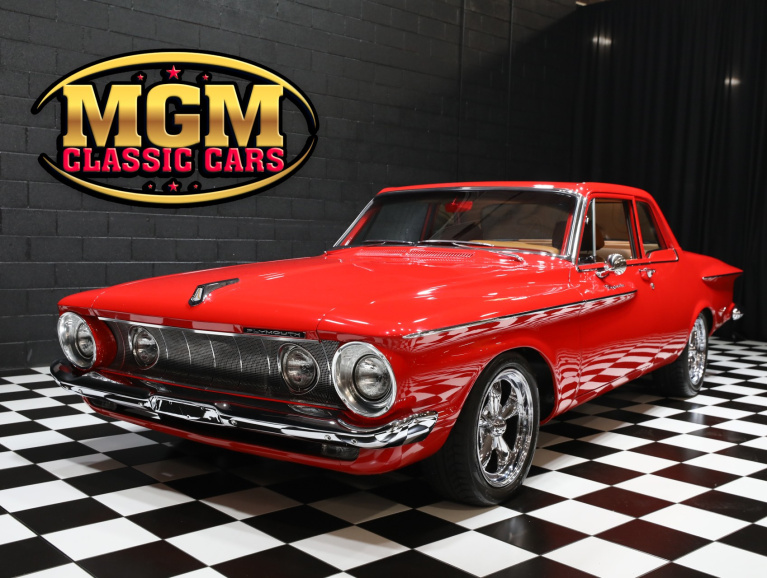
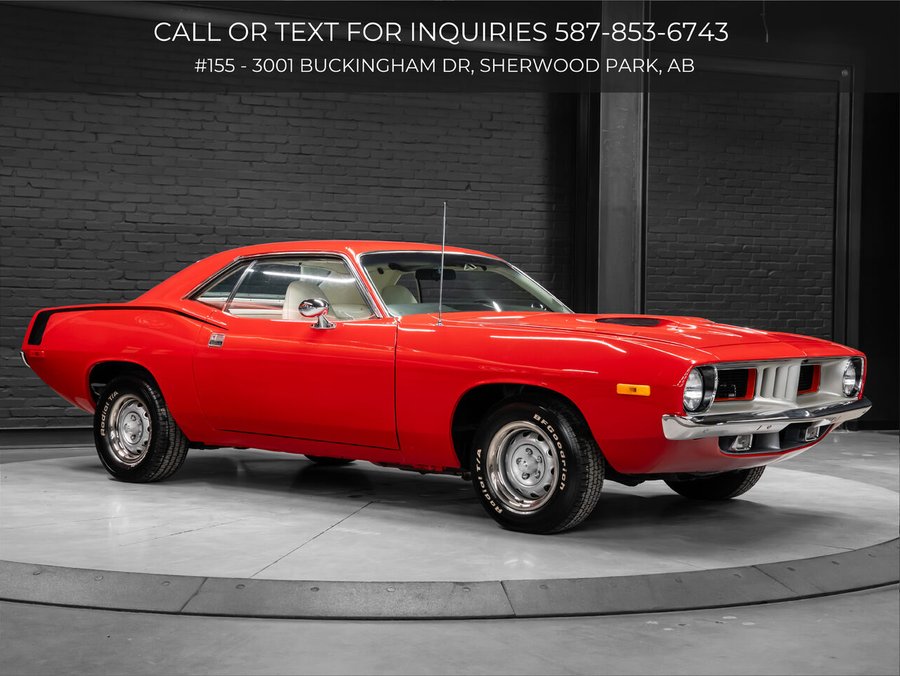
automatic, 90K km, cabriolet, 3,830 cm3, red, 383 V8

Inventory.ClassicSandBeyond.com
 Wayne, United States
 Wayne, United StatesWayne, United States
 United StatesUnited StatesUnited StatesUnited StatesUnited StatesUnited StatesUnited States
 Addison, United StatesUnited StatesAddison, United States
 Cleveland, United States
 Sherwood Park, CanadaSherwood Park, CanadaSherwood Park, CanadaSherwood Park, CanadaSherwood Park, CanadaSherwood Park, Canada
Plymouth has a storied place in American automotive history, known for its bold designs and practical everyday cars. If you’re considering a Plymouth, whether a classic model or a newer release influenced by the brand’s heritage, there are key factors to review before making a purchase. This guide covers how to choose the right generation, engine, and body style, as well as what to expect in terms of mileage, price segments, and regional availability.
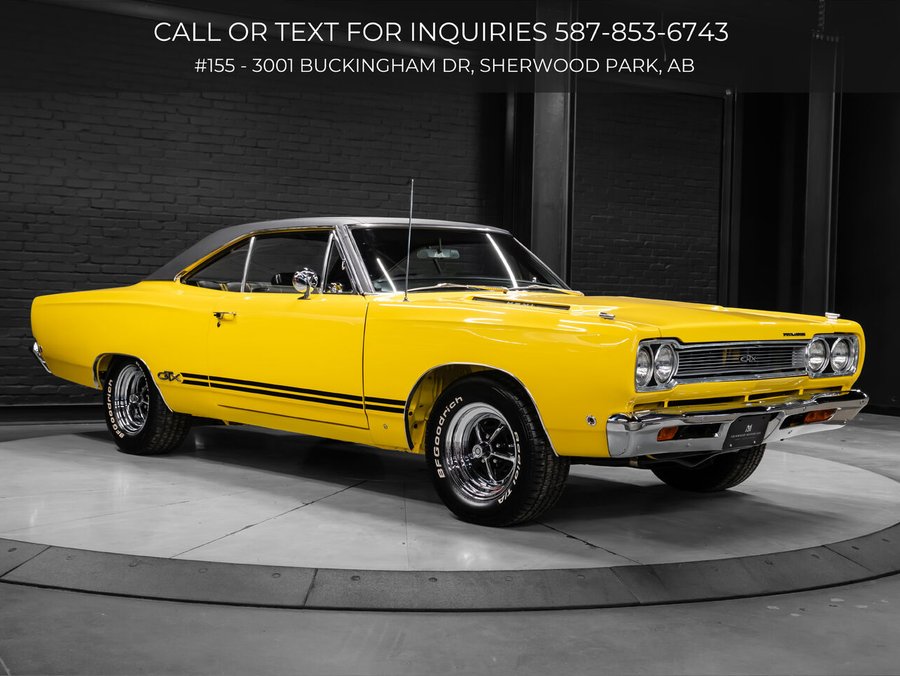
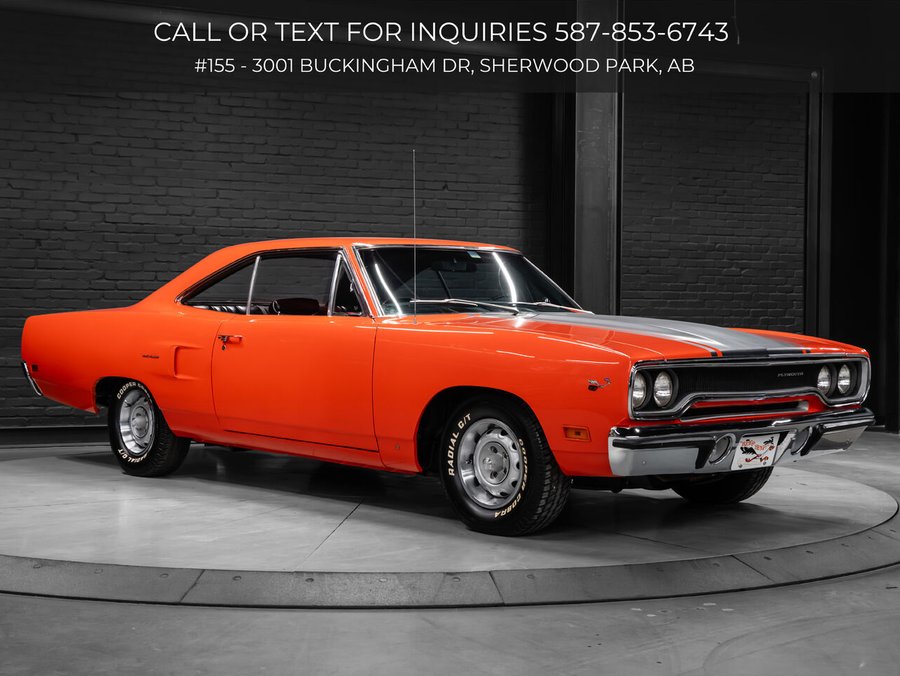
Plymouth’s lineup historically included sedans, coupes, convertibles, and wagons that appealed to buyers seeking value and distinctive styling. When browsing for Plymouth cars, you will encounter various generations that differ in technology, comfort, and reliability. Common questions include: which engine configuration suits daily driving, what are the maintenance costs, and how does a car’s mileage impact its value? Consider the intended use—commuting, weekend trips, or collector-worthy conditions—and compare models within the same generation to stay within a reasonable budget.
If you are in a city with a strong car culture, you may find a broader selection of Plymouths across different price points. When selling, highlight genuine mileage, documented service history, and any originality of parts. For buyers, price flexibility often depends on the model year, cosmetic condition, and whether the car has the original engine and drivetrain. In generic terms, prepare to negotiate based on maintenance needs and potential restoration work.
Ultimately, choosing a Plymouth comes down to balancing style, practicality, and budget. Whether you’re drawn to a nostalgic coupe or a reliable family sedan, understanding the generation, fuel configuration, and body type will help you make an informed decision and secure a car that matches your driving goals.
 Add as preferred sourceSee more from zvelta in Google Search Add as preferred source