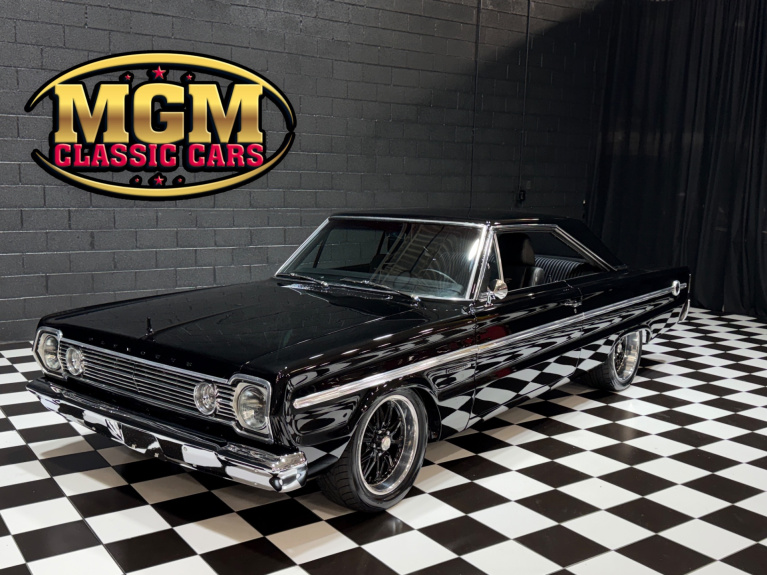
The Plymouth Belvedere has long stood as a symbol of classic American muscle and stylish mid-century design. If you’re searching for a Plymouth Belvedere, whether for collection, investment, or daily enjoyment, you’ll want a clear sense of what each generation offers, what to look for in terms of engine options and body condition, and how to navigate the current market in key cities and countries where these cars are appreciated. This guide focuses on helping buyers and sellers understand the Belvedere’s generations, typical fuel configurations, body styles, and how price ranges shift with mileage, year, and overall condition.
Understanding the Plymouth Belvedere by generation and body style
The Belvedere name spans several generations, with variations in engines and appearances that attract different buyers:
- First and second generations (late 1950s–early 1960s) often feature V8 power, two-door hardtops, convertibles, and distinctive slim lines. Mileage can vary greatly, with well-preserved examples commanding premium prices.
- Mid-1960s models keep the sporty silhouette but introduce updated trim and performance options. These cars appeal to collectors who seek authenticity and factory-era detailing.
- Later generations blend classic American stance with modern conveniences of their era. Buyers in countries with strong car clubs may find value in preserved, low-mileage examples or restored projects.
When choosing a body style, consider:
- Two-door coupe or hardtop for authentic classic looks and typically stronger market appeal.
- Convertible variants, which are rarer and can carry higher values if the mechanicals are solid and the top seals are intact.
- Sedans or post-facelift shapes may appear in some regions with lower prices but should be evaluated for rust and structural integrity.
What to check when buying or selling a Belvedere
A practical approach helps determine a fair price and avoid surprises:
- Engine and drivetrain: Identify whether the car has the original Hemi, polys, or more common V8 options. Verify carburetion or fuel injection configurations, and assess compression and vibration for a smoother idle.
- Rust and frame: The Belvedere’s undercarriage and rockers often show signs of age. Look for rust in wheel arches, floor pans, and trunk areas, and inspect the frame for any repairs that could affect safety.
- Interior and trim: Original upholstery, dash hardware, and chrome trim add value. Check for sun damage, cracking, and consistent instrument panels.
- Matching numbers and documentation: Proven originality can boost resale value, especially for limited trims or early generations.
- Mileage and maintenance history: Lower mileage combined with documented service from reputable shops tends to yield higher offers.
Why price ranges vary and where to look
Prices for a Plymouth Belvedere vary by generation, engine, and condition, as well as geography:
- In collector-friendly markets, pristine, low-mileage cars with rare options fetch higher prices.
- Projects or cars needing mechanical work may attract bargain offers, but total restoration costs should be considered.
- Mileage, maintenance, and documented provenance influence price more than most modern vehicles.
If you’re evaluating a Belvedere in a city with a strong car culture, search phrases like “Plymouth Belvedere price 1960s hardtop,” “Belvedere convertible value,” or “Plymouth Belvedere restoration project price.” When selling, phrases such as “Plymouth Belvedere for sale in [city]” or “1960s Belvedere price guide” help you reach the right buyers.
Practical steps for buyers and sellers in your market
- Gather documentation: ownership history, service records, and any restoration notes.
- Schedule a thorough inspection by a classic car specialist to assess mechanicals, transmission condition, and sheet metal.
- Compare comparable listings in your country and city to set a fair asking price or to identify an attractive buy.
- Consider joining local clubs or online communities for Belvedere owners to learn about authentic parts and value-preserving restoration tips.
Whether you’re chasing a true-patina survivor or a fully restored Belvedere, understanding the generation-specific details, body styles, and market dynamics will help you make informed decisions and find the right match for your collection or showroom.