 EN
ENDEALER
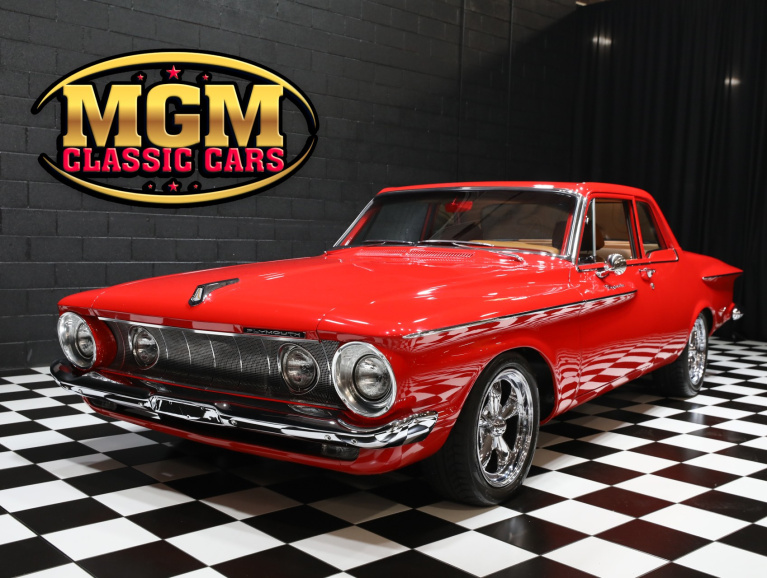
42.500 US$DEALER
45.000 US$
coupe, red, 440, Used condition, In stock

MgmClassicCars.com
 Addison, United States
 Addison, United States
If you’re in the market for a classic Plymouth Savoy, you’re likely balancing nostalgia with practical needs. This guide helps buyers and sellers in key markets understand what to look for in different generations, what engines and fuel options were offered, and how to compare trim levels and miles when evaluating price ranges. Whether you’re browsing in large urban areas or smaller cities, knowing the essentials can save time and prevent buyer’s remorse.
The Plymouth Savoy spanned several generations, with variations in body style from sedans to compact cars. Typical configurations include two-door and four-door sedans, each with distinct interior space and comfort levels. When assessing a Savoy, consider the period’s common engines and fuel setups. Early models often rely on straightforward gasoline powertrains, with some later variants offering smoother transmissions and improved suspension. Decide if a classic, well-restored Savoy aligns with your daily driving needs or if you want a project car for longer-term restoration.
Prices for Plymouth Savoy models can vary by year, generation, and condition. A well-maintained Savoy with modest miles in good cosmetic shape typically sits in a mid-range bracket for classic American cars. Projects with extensive rust repair or missing original parts may fall into lower tiers, while fully restored cars with documented work can fetch higher prices in dedicated markets. When evaluating a listing, compare the car’s reported mileage, recent maintenance, and any restoration history to a comparable Savoy in your area to gauge fair value.
If you’re shopping in urban centers or regional towns, leverage local car clubs, classic car shows, and trusted specialists who understand the Savoy’s quirks. In cities with strong vintage car communities, you’ll often find owners who can share maintenance tips, offer source parts, or point you toward reputable mechanics familiar with older Plymouths. For sellers, highlighting recent service work, receipts for parts, and clear documentation can help justify asking prices.
A Plymouth Savoy can be a delightful addition to a collection or a daily driver with a touch of history. By focusing on body integrity, engine condition, and verifiable maintenance, you’ll be better prepared to buy or sell confidently in your city.
 Add as preferred sourceSee more from zvelta in Google Search Add as preferred source