EN
ENDEALER
54.900 US$DEALER
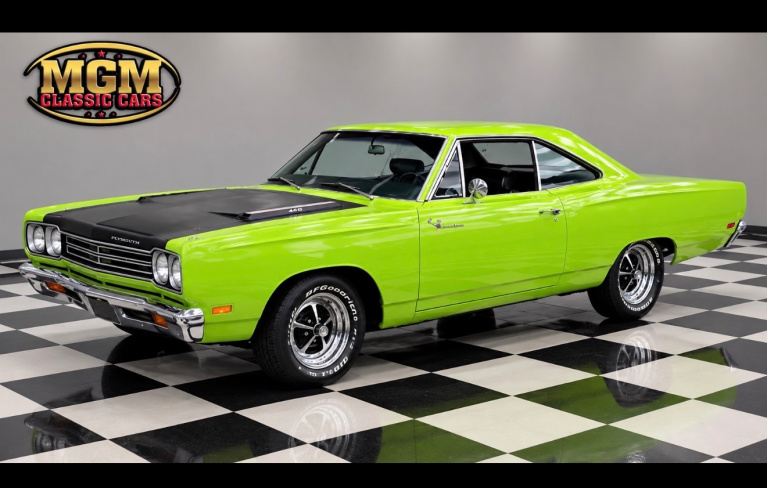
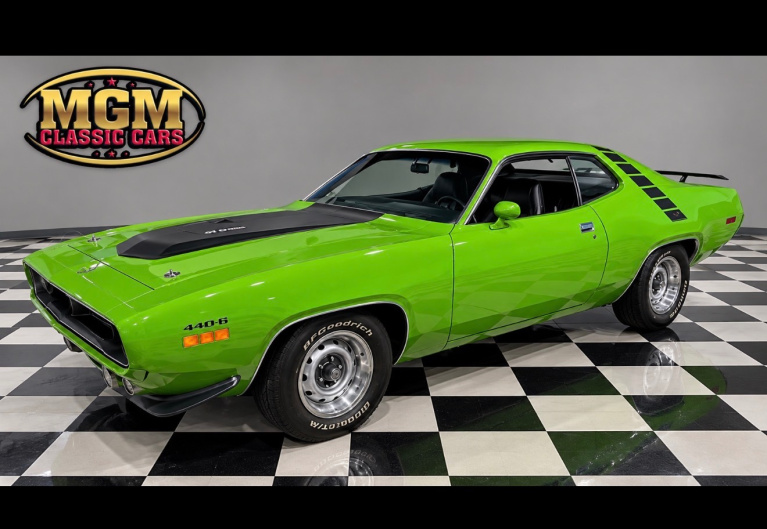
coupe, green, 440, Used condition, In stock

MgmClassicCars.com
 United States
 United StatesUnited States
 Addison, United States
 Sherwood Park, CanadaSherwood Park, Canada
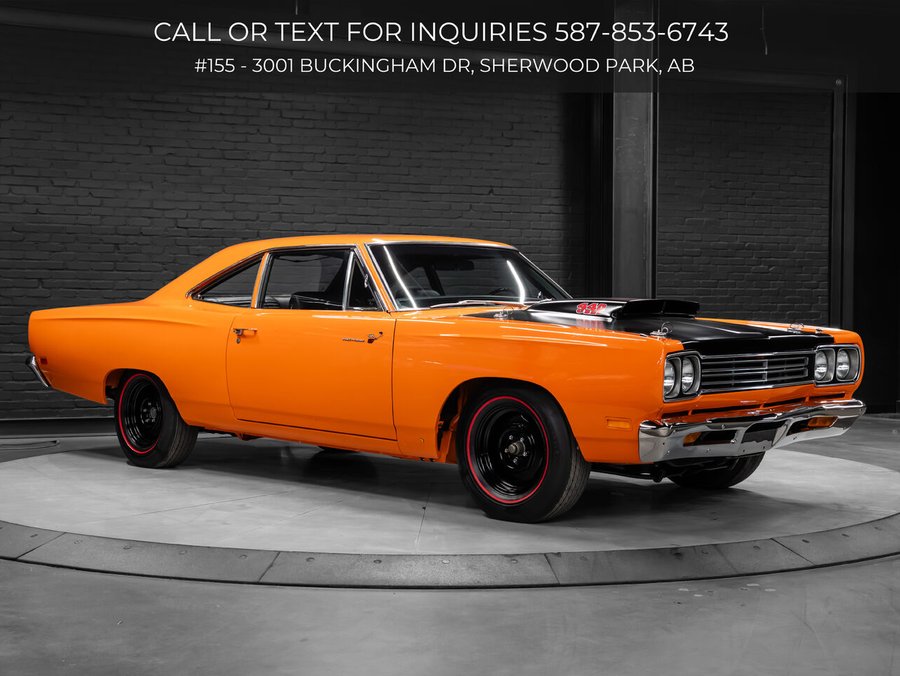
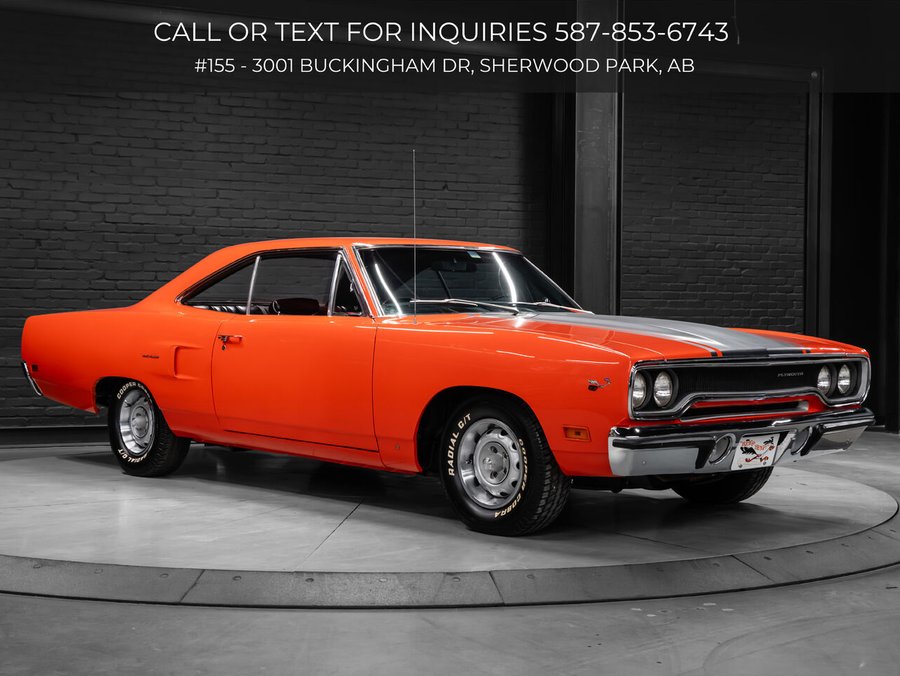
The Plymouth Road Runner remains one of the most iconic American muscle cars, cherished by collectors and driving enthusiasts alike. If you’re looking to buy or sell a Road Runner, it helps to understand the key details that influence value, reliability, and everyday usability. This guide covers the essentials—generation differences, common engine choices, body styles, mileage expectations, and price ranges—so you can make informed decisions whether you’re in a major city or a smaller town.
The Road Runner was built to deliver straightforward, high-performance thrills. When evaluating a car, consider the generation, year, and original configuration. Early models often featured classic V8s, while later generations added modern refinements. Common body styles include coupe configurations with two doors and a rugged, straightforward silhouette that appeals to collectors who value originality. Pay attention to the engine notes, with the famous 383, 426 Hemi, and other V8 options shaping performance and sound. If you’re comparing prices, the mileage, restoration level, and documentation of authenticity can have a big impact on listing prices in markets across the country.
For buyers, searching in major metropolitan markets may yield more options, but you can find excellent deals in regional hubs and classic car gatherings. When you inspect a Road Runner, ask about:
Sellers should prepare a clear, honest listing that highlights:
Pricing for Plymouth Road Runner models can vary widely. A well-maintained driver from a mid-generation run often sits in a mid-to-upper price segment, while fully restored or numbers-matching cars command premium pricing. Mileage, previous ownership, and documentation significantly affect value. If you’re buying, compare several listings to understand typical ranges in your area, and consider getting a professional appraisal for a more accurate assessment.
Whether you’re in a large city with an active car community or a smaller locale with passionate enthusiasts, a Plymouth Road Runner can be a rewarding project or a strong collectible asset. With careful evaluation and honest presentation, buyers can find solid examples and sellers can reach motivated buyers who appreciate the model’s enduring appeal.
 Add as preferred sourceSee more from zvelta in Google Search Add as preferred source