 EN
EN

Frequently asked questions
The 89 kWh NMC battery offers up to 642 km of WLTP range and charges from 15% to 80% in 28 minutes. The 67 kWh LFP battery offers up to 467 km and takes 24 minutes for the same charging interval. Both use a 220 hp front-mounted electric motor.
The article says the 89 kWh NMC version makes more sense for frequent long-distance trips because it provides 175 km more rated WLTP range. The 67 kWh LFP version is described as better suited to daily driving and occasional motorway trips, with a shorter stated fast-charging time.
No single launch date has been announced for all countries. The NMC version is available to order in France, while French orders for the LFP version are scheduled to open in autumn 2026. Availability should be checked separately in each market.
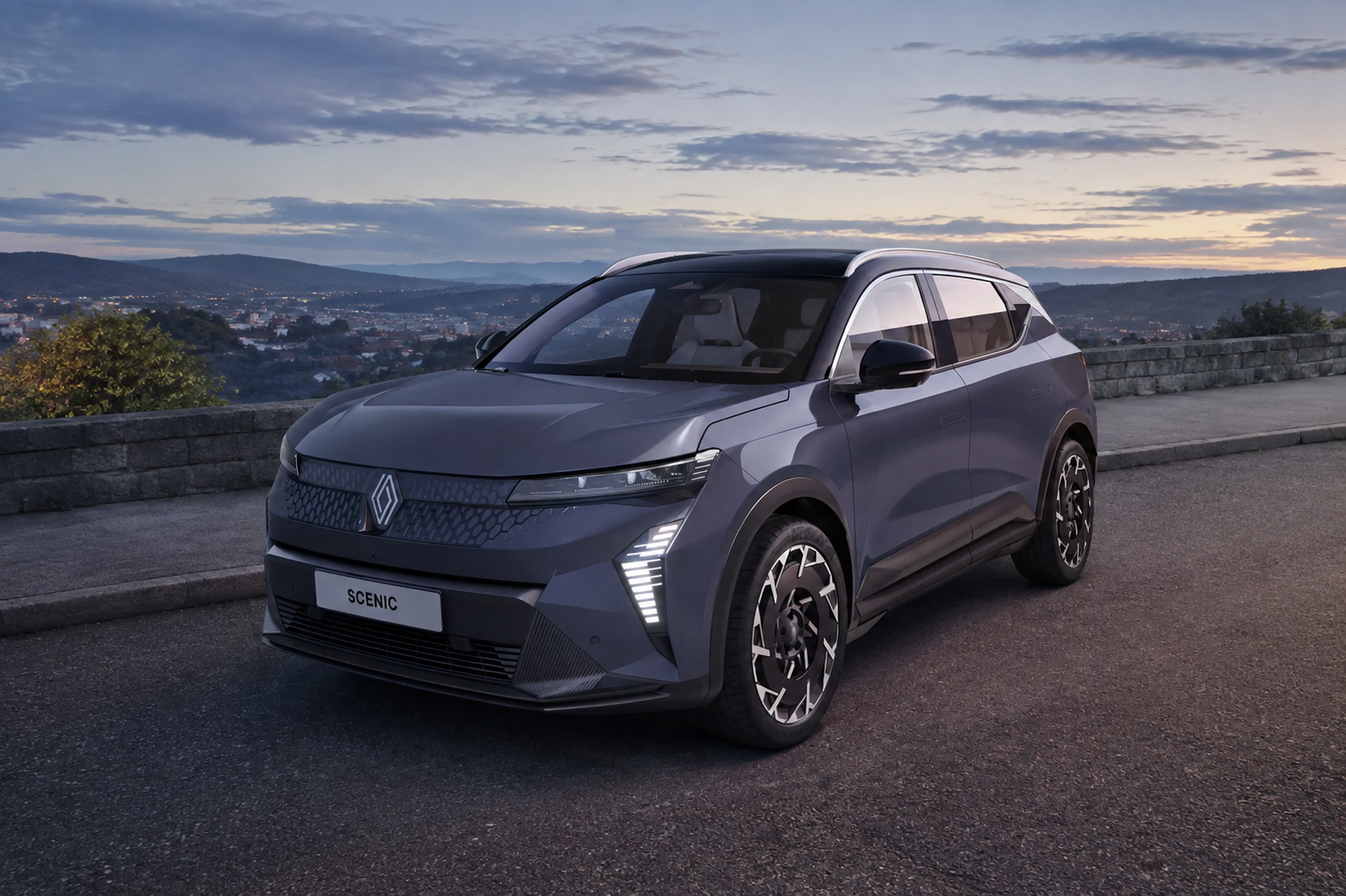
On September 1, 2026, Renault unveiled the updated Scenic E-Tech electric with two battery options: an 89 kWh NMC pack and a 67 kWh LFP pack. Both versions use a 220 hp front-mounted electric motor, but they are designed for different driving patterns. The larger battery delivers up to 642 km of WLTP range, while the smaller one reaches up to 467 km.
The difference is not limited to 22 kWh of capacity. The batteries use different cathode materials, so they vary in energy density, cost, and packaging. For buyers, the key question is more straightforward: do you need maximum range, or is a more compact battery with a shorter fast-charging time enough?
The short answer
The 89 kWh NMC battery makes more sense for frequent long-distance trips. It provides 175 km more rated WLTP range. The 67 kWh LFP battery is better suited to daily driving and occasional motorway trips: its stated range is lower, but charging from 15% to 80% takes 24 minutes instead of 28.
This is a comparison of specifications, not a recommendation to buy a particular version. Prices and availability of the Scenic with the new LFP battery depend on the market.
What changed on September 1, 2026?
Before the update, the Scenic E-Tech was offered with 60 kWh and 87 kWh batteries. In its official announcement dated September 1, 2026, Renault described a new choice between an 89 kWh NMC Long Range battery and a 67 kWh LFP Comfort Range battery.
The NMC version is already available to order in France. French orders for the LFP version are scheduled to open in autumn 2026. The manufacturer has not announced a single launch date for all countries, so availability of both versions should be checked separately in each market.
Specification | NMC Long Range | LFP Comfort Range |
|---|---|---|
Total capacity | 89 kWh | 67 kWh |
WLTP range | Up to 642 km | Up to 467 km |
DC fast charging | Up to 150 kW | Up to 165 kW |
15% to 80% charging time | 28 minutes | 24 minutes |
Electric motor | 220 hp, front-wheel drive | 220 hp, front-wheel drive |
Status as of 09/03/2026 | Orders open in France | French launch expected in autumn 2026 |
These figures refer to the manufacturer's data for the European specification. On the official Scenic E-Tech powertrain page, Renault separately warns that real-world range depends on the version, equipment, and operating conditions.
NMC and LFP: the difference without a chemistry lecture
NMC stands for nickel-manganese-cobalt. LFP cathodes use lithium, iron, and phosphate; this chemistry contains neither nickel nor cobalt. Both technologies are lithium-ion batteries, but they store energy in different ways.
According to the International Energy Agency, NMC batteries generally have a higher energy density. LFP batteries cost less, are less prone to thermal runaway, and are typically designed to last longer. These are general properties of the chemistries, not a promise about the service life of a specific Scenic battery: Renault has not published a comparative cycle count for the two new versions.
What higher energy density means
A battery can store more energy at a similar weight and volume. That is why NMC is often used in long-range versions. However, range depends on more than battery chemistry: capacity, vehicle weight, aerodynamics, temperature, tyres, and software management all play a role.
Renault offsets LFP's lower energy density with a new cell-to-pack design. The cells are installed in the housing without the traditional intermediate division into modules. The Scenic battery uses 232 tightly packed pouch cells, which occupy 53% of the available interior volume. According to the company, this layout makes more efficient use of space.
Why the smaller battery charges faster
The LFP version has a peak charging rate of 165 kW, compared with 150 kW for the NMC version. In addition, the smaller battery has to accept less energy to move from 15% to 80%.
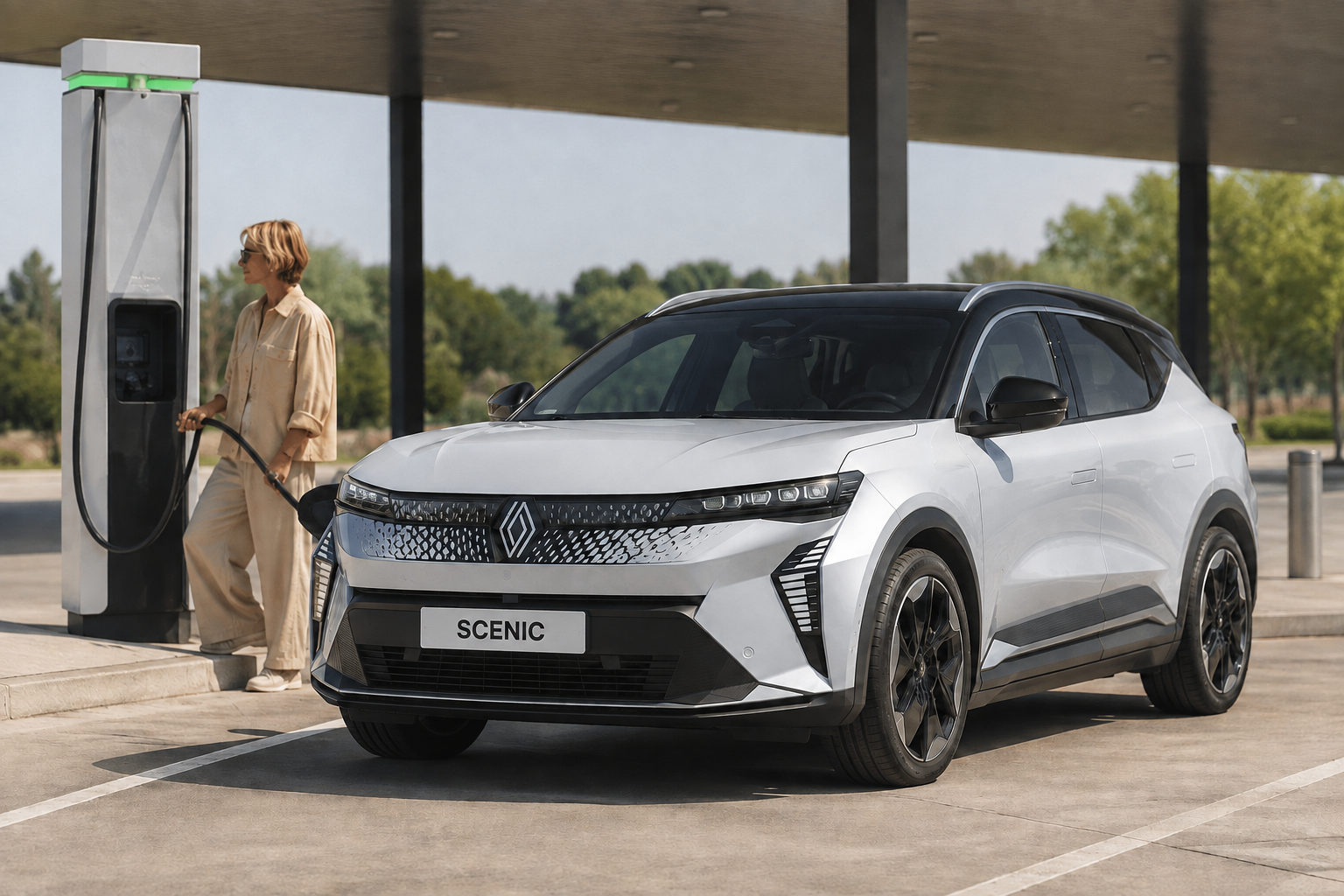
65% of 67 kWh is approximately 43.6 kWh;
65% of 89 kWh is approximately 57.9 kWh.
This calculation uses the full nominal capacity, so it does not represent the exact amount of energy delivered by the charging station to the car: some capacity may be reserved by the battery management system, and charging losses also occur. The calculation simply explains why the version with the smaller battery can complete the same percentage interval sooner.
Percentages can be misleading
A four-minute difference does not mean that the LFP version gains more kilometres per minute. During a 15%–80% charging session, it restores a smaller absolute amount of energy and therefore a shorter driving distance. On a long journey, it is more useful to consider not only the duration of one stop but also the number of stops required.
The maximum figures of 150 or 165 kW are peaks, not constant charging speeds throughout the session. Actual power depends on the battery temperature, its state of charge, and the capabilities of the charging station. Battery preconditioning before arriving at a fast charger also affects the result.
642 and 467 km are comparison points, not promises
Both range figures were measured under the WLTP cycle. It allows cars to be compared in consistent laboratory conditions, but it does not reproduce every real-world journey. High speeds, freezing weather, headwinds, cabin heating, a fully loaded vehicle, and larger wheels reduce actual range.
The official difference between the versions is 175 km, or around 37%. That is a large enough gap to change how long-distance trips are planned. In urban driving, the larger battery's main benefit will be fewer charging stops rather than a necessity for most drivers.
A practical way to assess the right capacity
Use your longest regular route, rather than an occasional holiday journey.
Allow for cold weather, detours, and the possibility that your planned charging point is unavailable.
Check the actual charging stations along the route, including their power output, location, and payment method.
Compare the resulting distance with the 467 km and 642 km WLTP figures, remembering that the official value is not a guaranteed range.
Who should choose the 89 kWh NMC battery?
The larger version makes sense if the Scenic is regularly used as the main family car for motorway travel. The additional 175 km of WLTP range may reduce the number of stops and give you more flexibility when choosing a charging station.
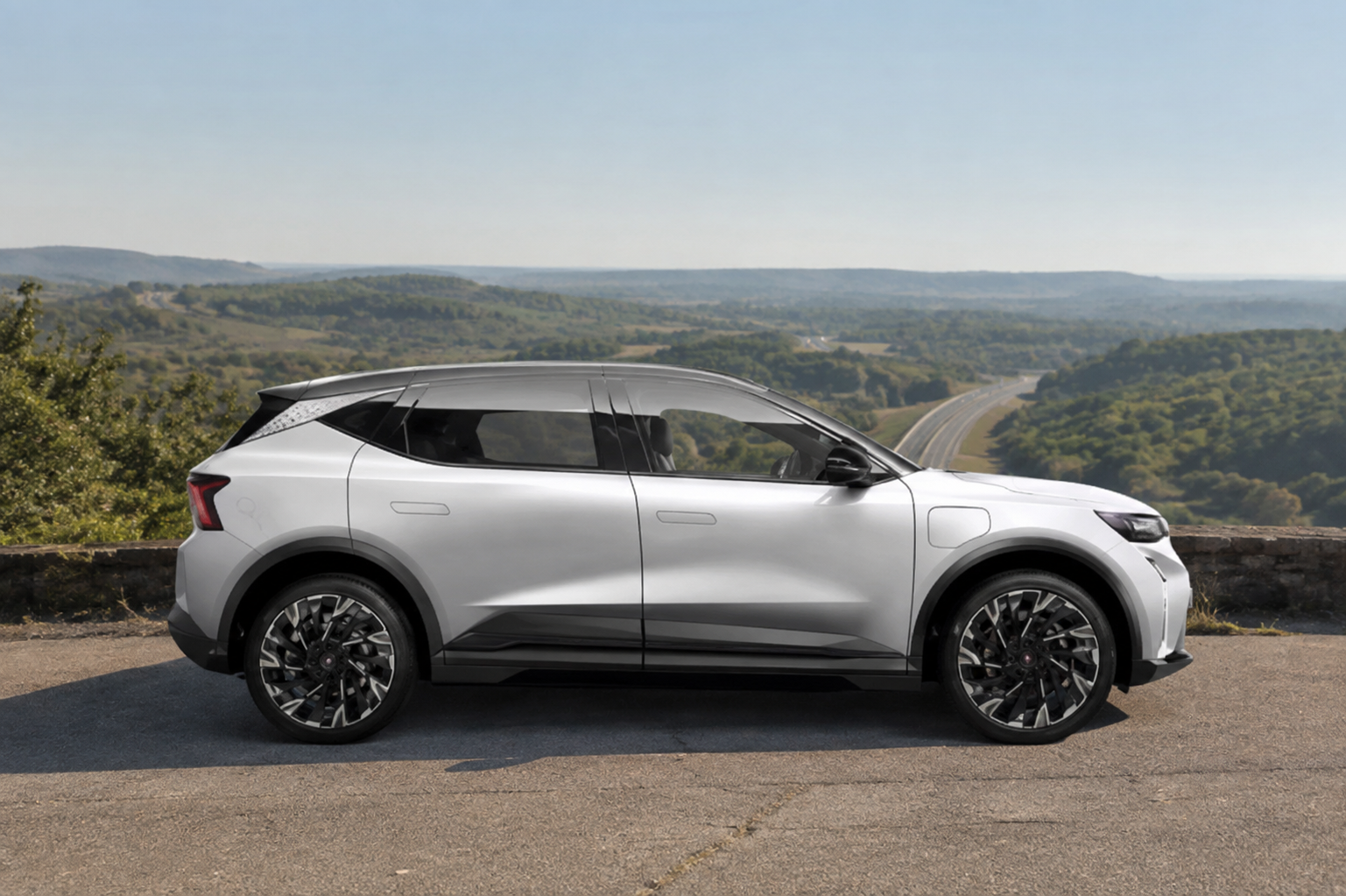
NMC is also the more logical choice for drivers who cannot charge at home or work and prefer to visit public charging stations less often. The trade-off is that a full charge requires more energy. Renault has not yet published directly comparable prices and weights for both new versions across all markets, so it is too early to assess the financial and weight differences.
Who should choose the 67 kWh LFP battery?
The Comfort Range is designed for daily driving with occasional motorway trips. Its stated 467 km WLTP range provides a noticeable buffer over typical urban mileage, while charging from 15% to 80% takes 24 minutes under suitable conditions.
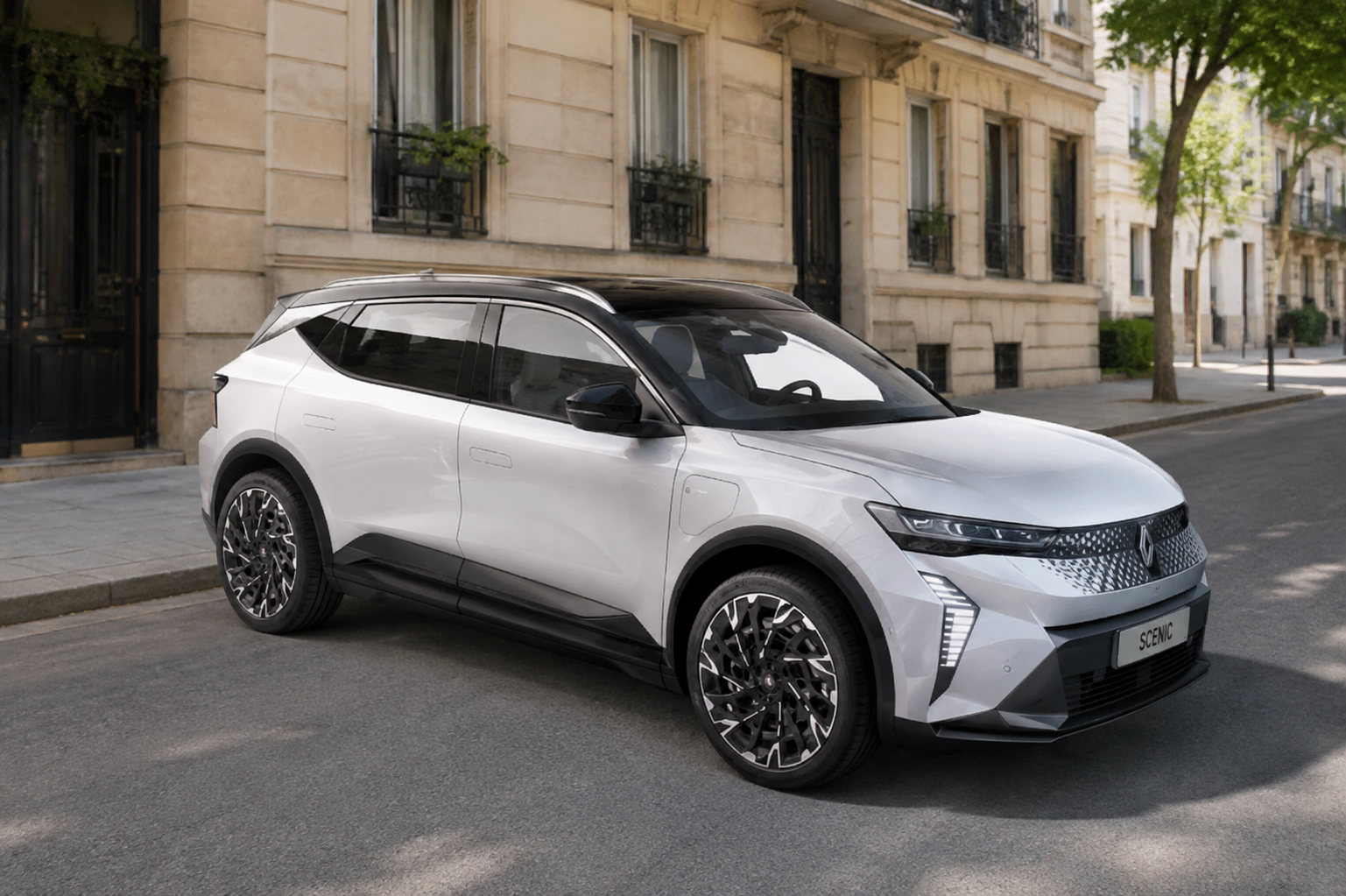
LFP is also appealing to drivers who do not want to pay for capacity they rarely use. However, the final verdict will have to wait until local prices are published. The smaller version cannot automatically be considered better value: specifications, incentives, leasing terms, and residual values vary by country.
The update goes beyond the batteries
Renault continues to update the Scenic through software and equipment changes. On April 10, 2025, the company announced One Pedal mode and new bidirectional charging functions. The September 1, 2026 update adds Google Gemini, Qi2 magnetic charging, and expanded route-planning settings in Google Maps.
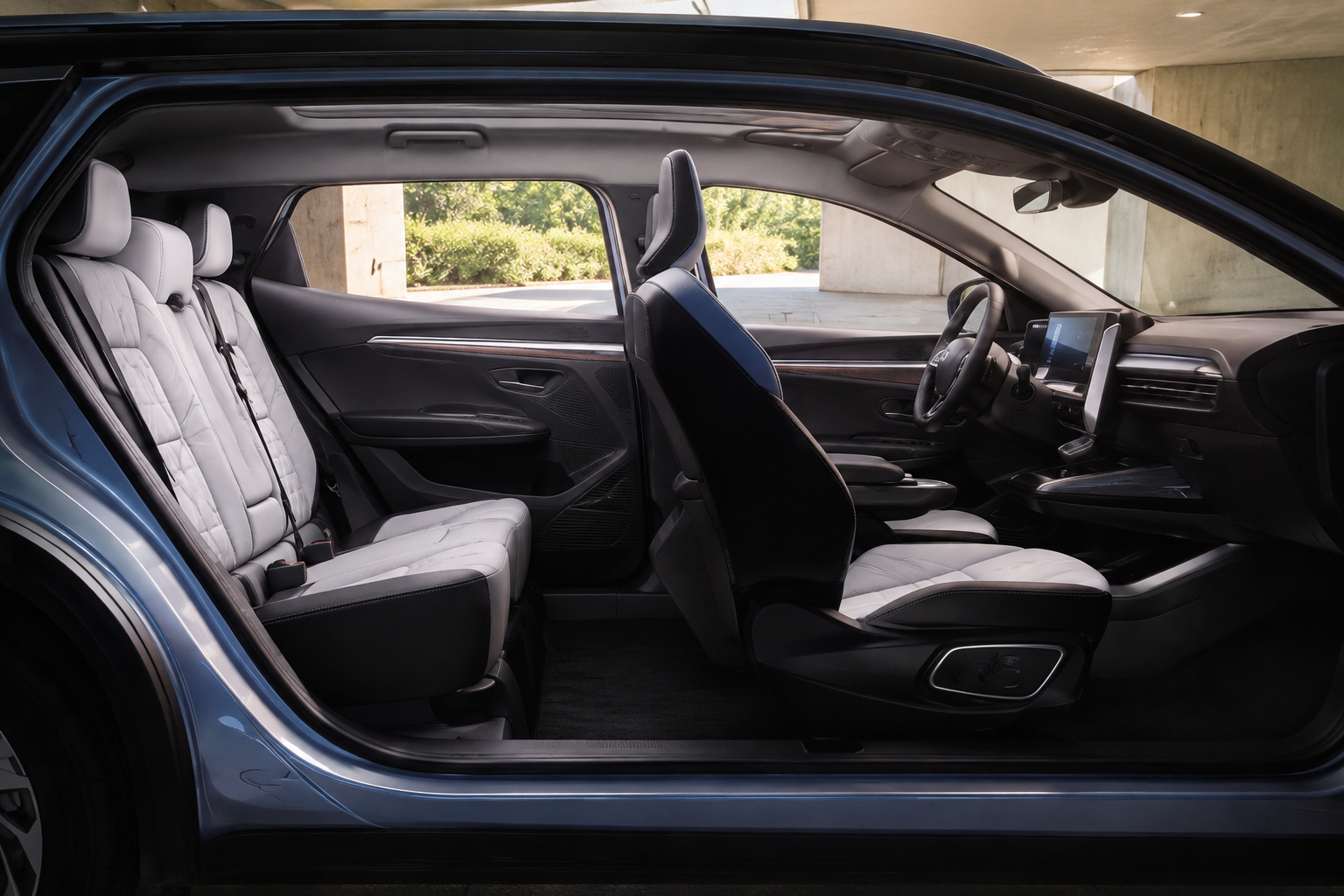
The Active Driver Assist system now provides a clearer display of surrounding vehicles, improved lane positioning, and a stopping function if the driver does not respond. The predictive eco-driving assistant takes bends, junctions, and roundabouts into account; Renault claims a potential reduction in energy consumption of up to 6%. This is the manufacturer's estimate, and the result will depend on the route and driving style.
The Scenic is assembled in Douai, France. The battery is also assembled there using cells produced in Poland, while the electric motor is manufactured in Cléon. These details refer to the European production chain described by Renault.
What to check before ordering
whether the required battery and specification are available in your country;
what range is listed for the selected wheels and equipment;
what charging power the vehicle accepts from a home AC charger;
whether battery preconditioning before fast charging is available on your route;
what local warranty terms apply to the traction battery;
how the purchase price, leasing costs, and insurance differ between the two versions.
Choosing between the Scenic's new batteries means deciding between fewer charging stops and enough range without paying for unused capacity. The 89 kWh NMC battery offers maximum range. The 67 kWh LFP battery completes the stated fast-charging interval more quickly and is better suited to everyday driving. Until regional prices and independent tests become available, however, it is not possible to call one version better value for everyone.