EN
ENDEALER
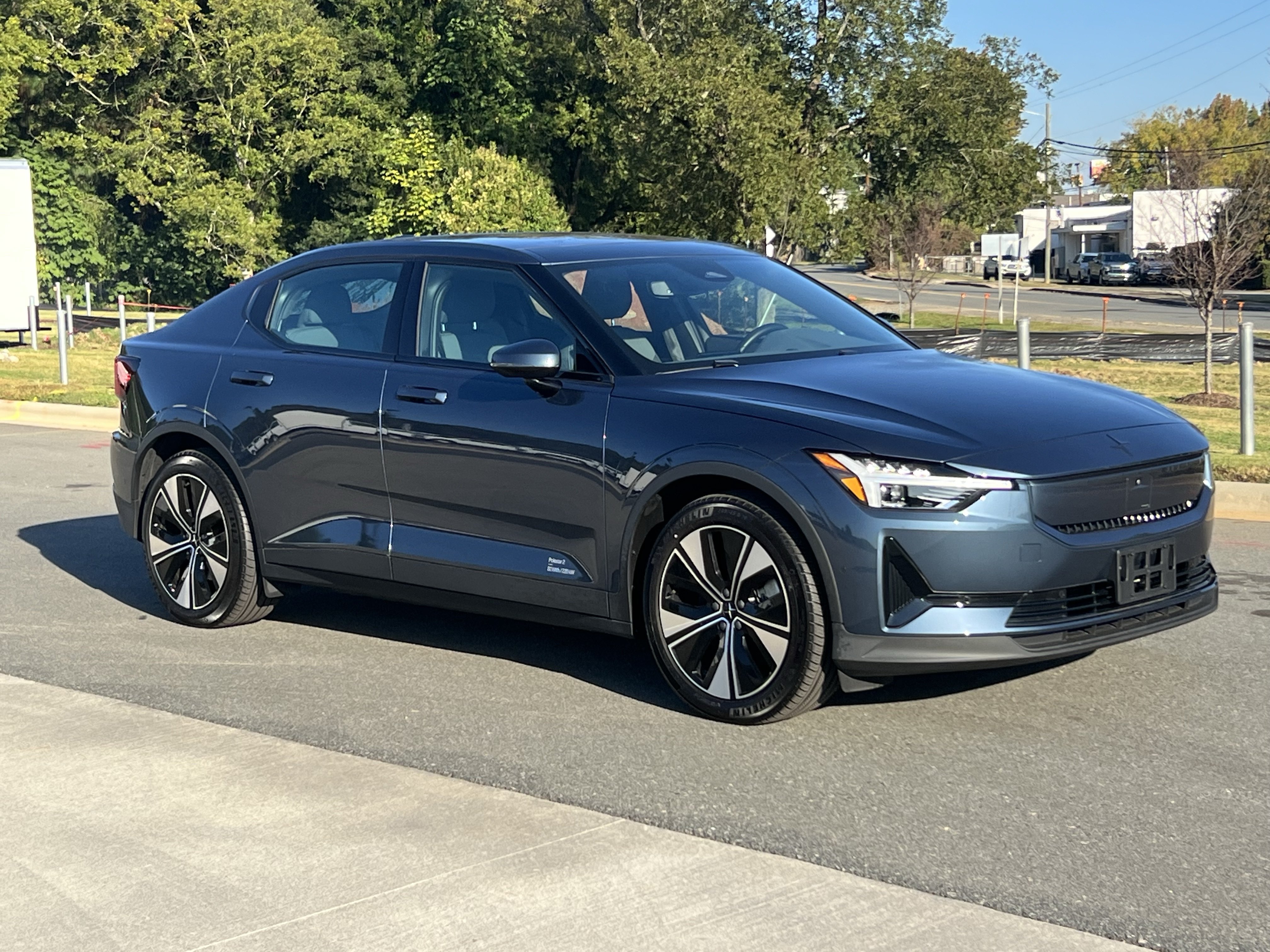
26.490 US$DEALER
27.900 US$
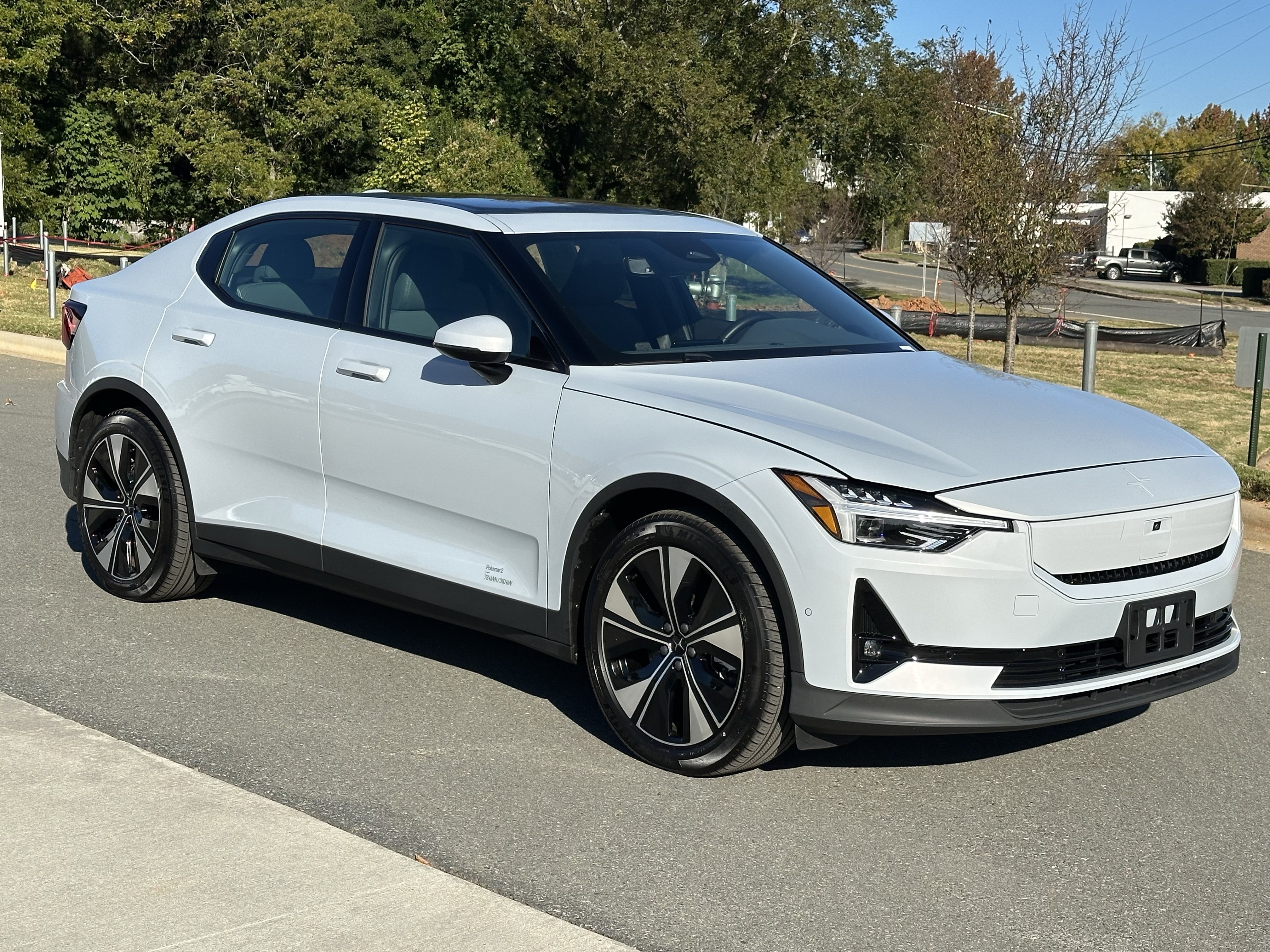
electric, automatic, 24K km, hatchback, Rear Wheels Drive, blue, Long Range Single Motor Plus, Used condition, Europa, In stock

HendrickCars.com
 Charlotte, United States
 Charlotte, United StatesCharlotte, United StatesFairfax, United States
 United StatesMurrieta, United States
 BelgiumBelgiumBelgiumBelgiumBelgiumBelgiumBelgiumBelgiumBelgiumBelgium
 NetherlandsNetherlandsNetherlandsNetherlandsNetherlandsNetherlandsNetherlandsNetherlandsNetherlandsNetherlands
Polestar has carved out a niche in the premium electric segment, offering clean design, strong performance, and a focus on sustainability. If you’re considering buying or selling a Polestar, understanding the lineup, typical price ranges, and what to look for in a used model can help you make a confident choice. This guide covers popular Polestar generations, fuel and drivetrain options, body styles, and practical tips tailored to buyers and sellers in major markets.
Polestar has steadily expanded its range, with the current emphasis on all-electric performance sedans and hatchbacks. When evaluating a specific Polestar, consider:
For buyers in urban centers, a Polestar often serves as a stylish daily driver with strong acceleration and refined ride quality. In suburban or long-range use, assess charging availability, home charging compatibility, and total cost of ownership, including insurance and maintenance.
When you search for Polestar, you’ll encounter several trims and generations with varying price points. Typical considerations include:
In many markets, Polestar models command a balance of performance, efficiency, and luxury. Compare similar years and trims to gauge whether a specific listing reflects fair market value, and look for service history, warranty transfers, and any recent battery or drivetrain work.
Whether you’re locating a Polestar in a bustling city or preparing a sale, understanding model generations, mileage, and pricing helps you navigate the market confidently. Browse listings for Polestar across your city to compare features and values, then contact sellers or dealers to arrange viewings and test drives.
 Add as preferred sourceSee more from zvelta in Google Search Add as preferred source