 EN
ENDEALER
26.490 US$DEALER
27.900 US$
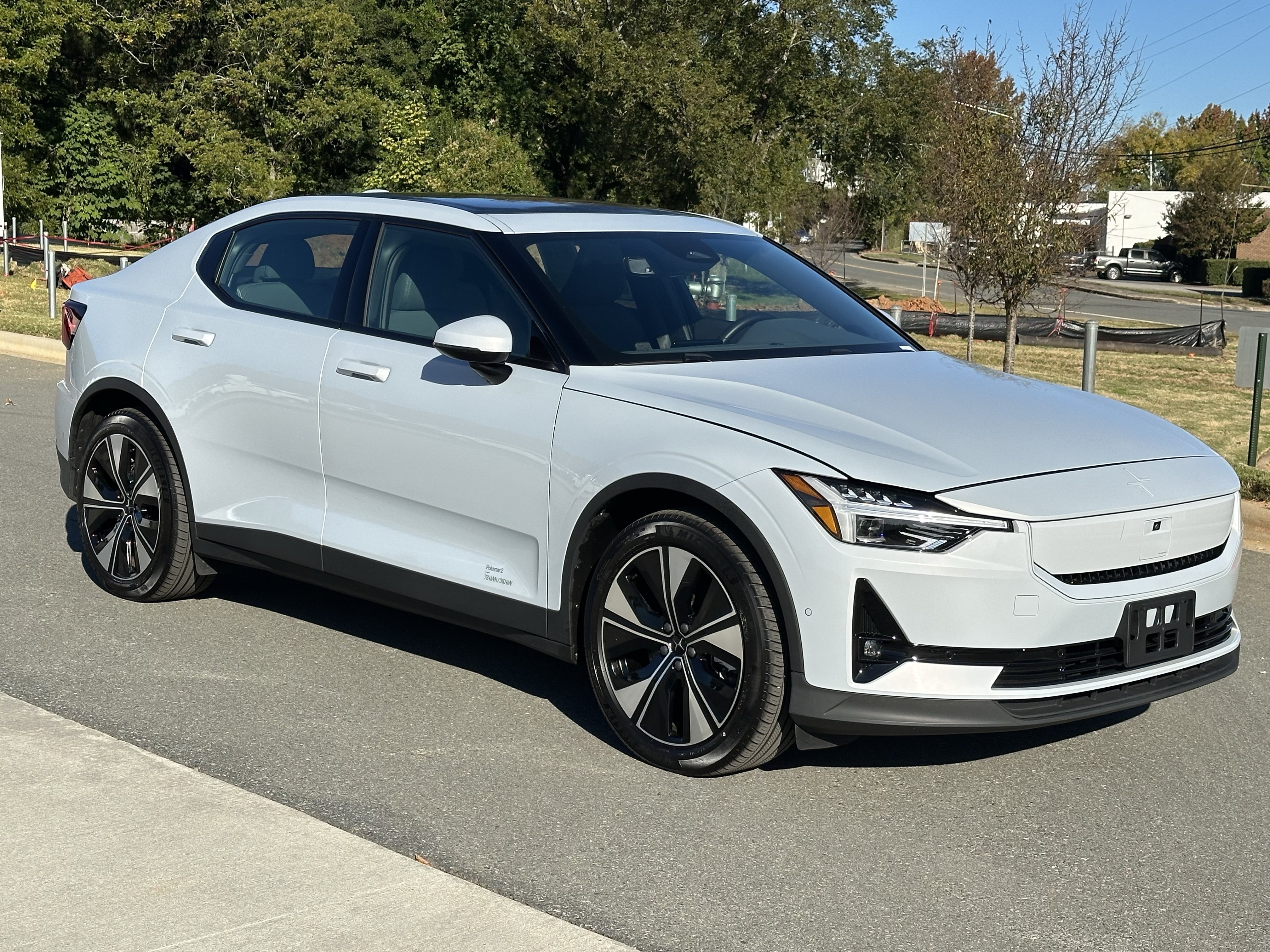
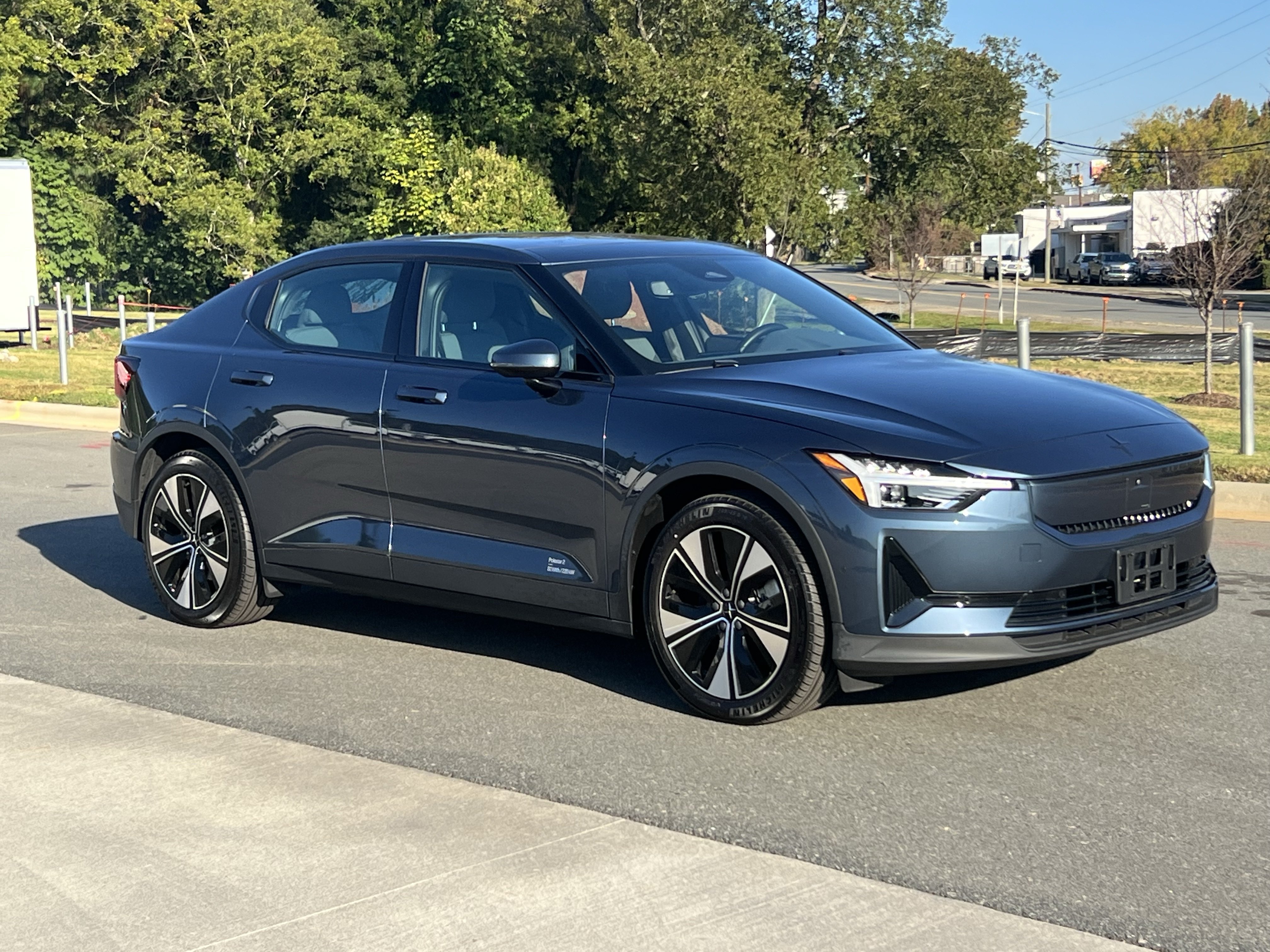
electric, automatic, 24K km, hatchback, Rear Wheels Drive, blue, Long Range Single Motor Plus, Used condition, Europa, In stock

HendrickCars.com
 Charlotte, United States
 Charlotte, United StatesCharlotte, United StatesFairfax, United StatesMurrieta, United States
 BelgiumBelgiumBelgiumBelgiumBelgiumBelgiumBelgiumBelgiumBelgiumBelgium
 NetherlandsNetherlandsNetherlandsNetherlandsNetherlandsNetherlandsNetherlandsNetherlandsNetherlandsNetherlandsNetherlands
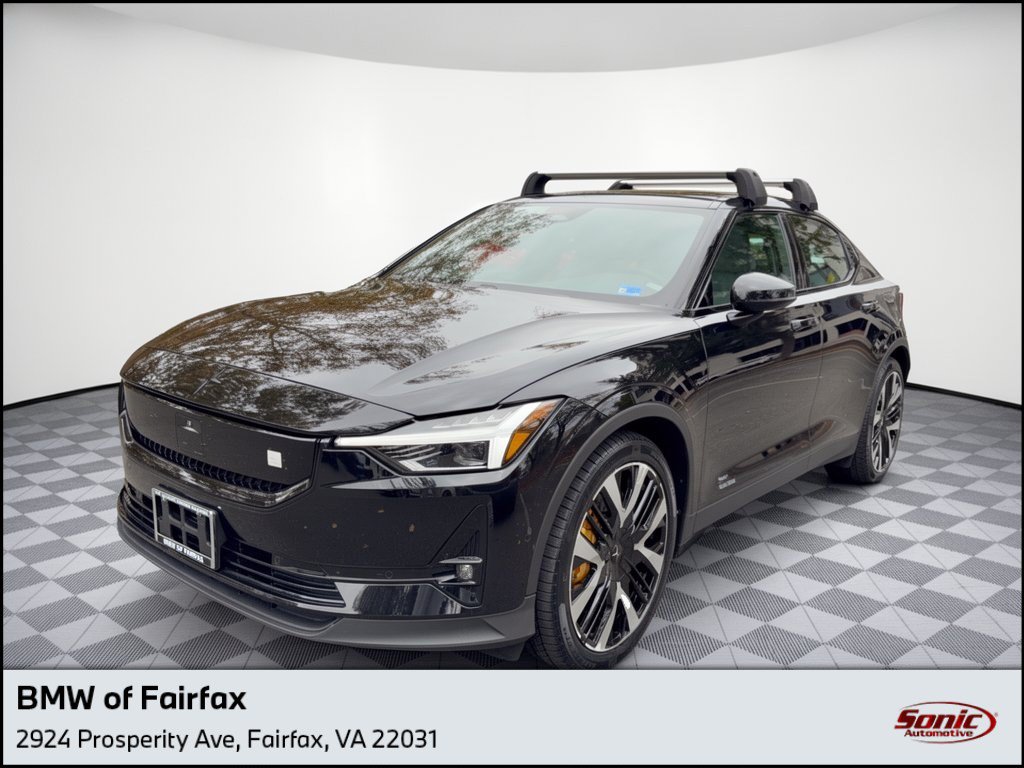
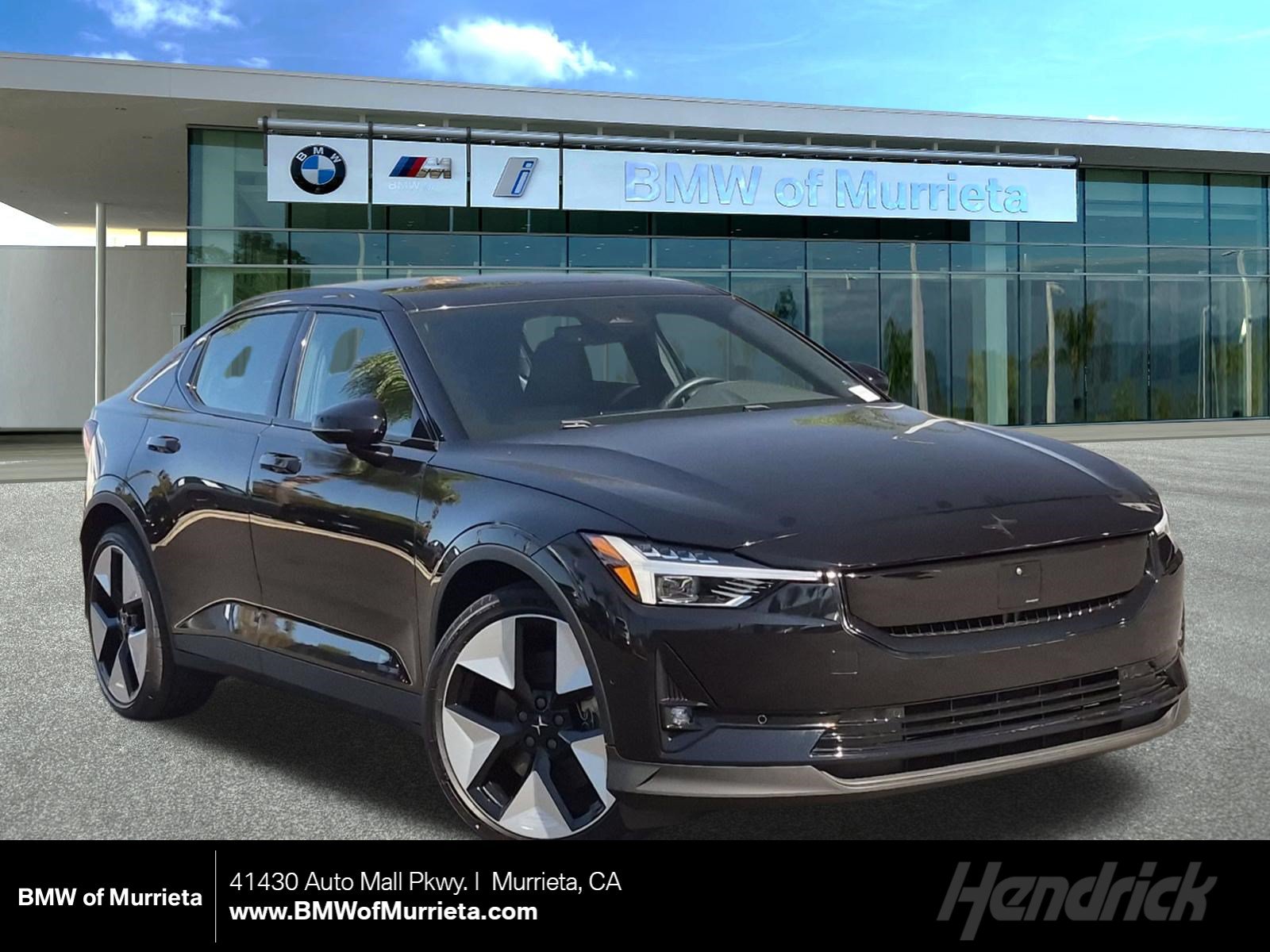
The Polestar 2 stands out in the electric car segment with its sleek design, modern tech, and strong emphasis on performance and efficiency. If you’re in the market for a used Polestar 2 or considering selling yours, this guide covers key factors that buyers and sellers care about, from model year and generation to mileage, price range, and regional differences in your city or country. Understanding the specifics helps you compare options, estimate value, and make a confident decision.
The Polestar 2 is available in a few configurations, typically with different trim levels, battery sizes, and drivetrain options. When evaluating a specific car, note the year, model variant, and generation. Common considerations include the battery capacity, electric range, and charging capabilities. Buyers should verify the vehicle’s battery health, warranty status, and whether it has had any major software or hardware updates. Sellers benefit from highlighting recent maintenance, replacement parts, and any upgrades that improve efficiency or performance.
If you’re choosing a Polestar 2, think about the body type and usage in your city. The hatchback-like sedan offers practical cabin space and comfortable seating, suitable for daily commuting and highway trips. For many buyers, the decision comes down to the balance between range, charging speed, and the total cost of ownership. A higher mileage Polestar 2 can still be a solid purchase if the maintenance history is thorough and battery health remains strong, while a lower mileage example may command a premium, especially if it includes desirable features and recent services.
When buying in your country, consider the following factors:
For sellers, presenting a transparent record can help achieve a better sale price:
In many regions, you’ll find Polestar 2 listings with a wide range of mileage and price segments. A typical used Polestar 2 from a few years back may sit in a mid-range price bracket, while newer or lower-mileage examples tend to fetch premium prices. When evaluating a listing in your city, compare the vehicle’s stated mileage, maintenance notes, and any listed options like premium interiors, sound systems, or driver-assist packages.
Whether you’re buying or selling, a careful review of the car’s history, current condition, and market context will help you land the best deal. Use the model and generation specifics to tailor your price expectations and negotiation strategy to your local market.
 Add as preferred sourceSee more from zvelta in Google Search Add as preferred source