 EN
ENDEALER
42.206 US$DEALER
32.403 US$
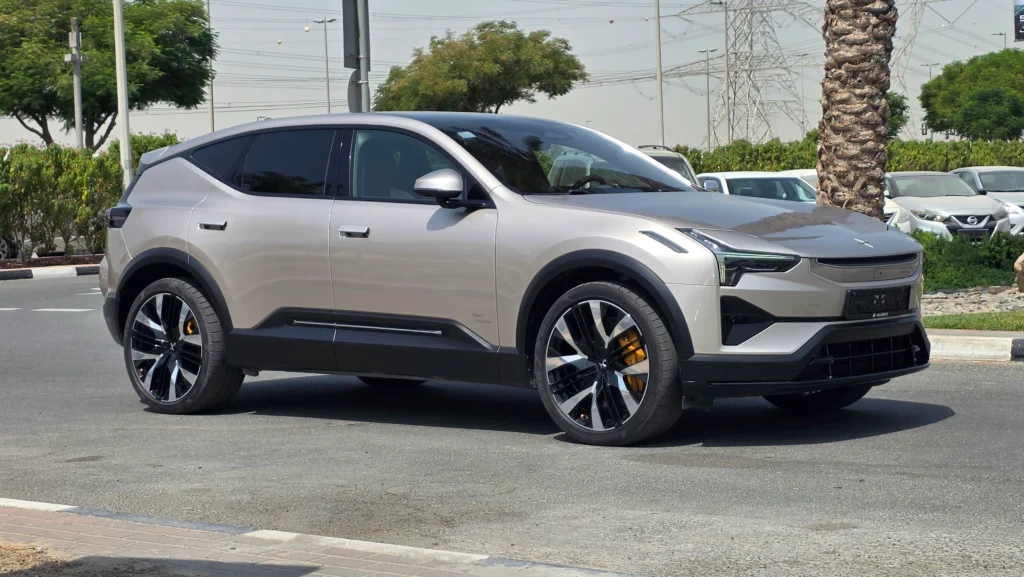
2024, electric, automatic, 40K km, SUV, All Wheels Drive, Used condition

AlwanWorld.com
 United Arab Emirates, Dubai
 United Arab Emirates, Dubai
When you’re in the market for a modern electric SUV, the Polestar 3 stands out as a contemporary option with clean design and strong performance. This guide helps buyers and sellers in selecting the right configuration, understanding price ranges, and evaluating the most important details such as battery size, powertrain options, body type, and mileage. We’ll cover how to compare trims within the Polestar 3 lineup, what to expect in terms of maintenance, and practical tips for negotiating in city markets.
The Polestar 3 is a mid-sized electric SUV offering a sleek profile and advanced driver-assistance features. When evaluating a car in this model and generation, pay attention to:
In city marketplaces, buyers often search for phrases like “Polestar 3 price,” “Polestar 3 mileage,” “Polestar 3 vs other EVs,” and “Polestar 3 reliability.” Sellers frequently look for optimizing listing details such as year, mileage, color, and optional equipment to attract buyers quickly.
There are key questions to answer before making a decision:
If you’re listing a Polestar 3 for sale, highlight the most attractive details such as reputable service history, recent battery health checks, and any extended warranty. In local markets, buyers often search for terms like “Polestar 3 price list,” “Polestar 3 mileage per year,” and “Polestar 3 battery health.”
For buyers, researching local prices helps set realistic expectations. Compare Polestar 3 listings with similar electric SUVs in your city to identify fair market value, then negotiate based on mileage, condition, and any included equipment. For sellers, providing detailed information about the car’s year, mileage, and service history improves trust and speeds up the sale.
In short, choosing a Polestar 3 involves balancing the year and generation, battery range, price, and the expected maintenance profile. With thoughtful comparison and transparent listing details, you’ll be better positioned to find a Polestar 3 that fits your needs and budget.
 Add as preferred sourceSee more from zvelta in Google Search Add as preferred source