 EN
DEALER
69.995 US$DEALER
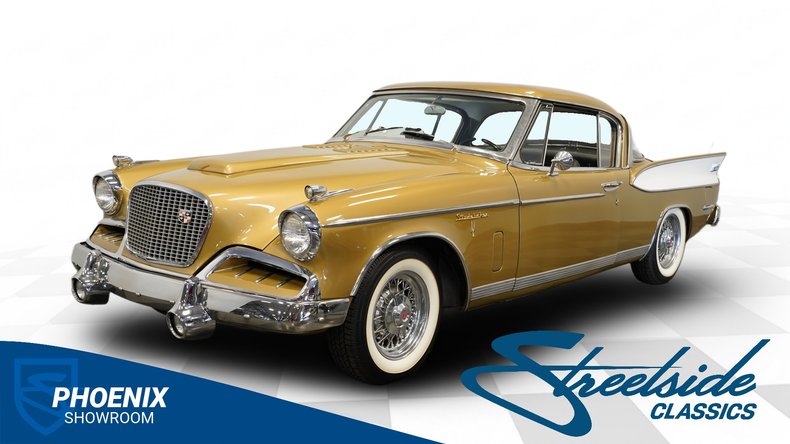
Studebaker: Golden Hawk, 1957, manual, 286 km, 2,890 cm3, 289 V8 Supercharged

StreetSideClassics.com
 United States
 United States
The Studebaker Golden Hawk stands out as a classic American muscle car with a distinct style and a storied history. If you’re considering buying or selling a Studebaker Golden Hawk, you’ll want to understand the key factors that influence value, performance, and appeal. This guide covers what to look for when assessing a specific car, how to compare different generations, and where to find reliable buyers or sellers in major markets.
When evaluating a Golden Hawk, many buyers consider the model year, generation, body type, and the fuel system. Early Golden Hawks offer a blend of vintage charm and straightforward mechanics, while later generations may bring updated interiors and improved drivetrains. Common configurations include two-door coupes with classic V8 engines and distinctive styling cues that collectors value. Important questions to ask include:
Prices for Studebaker Golden Hawks vary widely depending on condition, provenance, and market interest. When you’re buying, compare listings by year, mileage, and cosmetic condition, and obtain a clear history of maintenance and any restoration work. Key metrics to consider:
If you are in a city with a community of classic car enthusiasts, you’ll find more buyers and sellers who understand the Studebaker Golden Hawk’s charm. Consider the following steps:
When browsing listings, use practical criteria that reflect how you’ll use the car: daily driver, weekend cruiser, or collector item. Helpful questions include:
Whether you’re seeking a Studebaker Golden Hawk as a personal project, a weekend classic, or a collector’s piece, understanding the specifics of the model and the local market will help you buy with confidence or price your car accurately for sale.
 Add as preferred sourceSee more from zvelta in Google Search Add as preferred source