 EN
ENDEALER
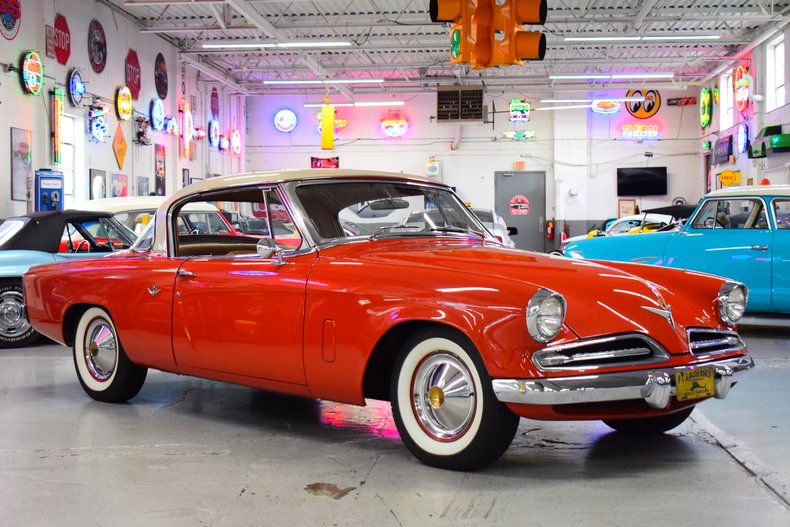
39.995 US$DEALER
manual, 49K km

Inventory.ClassicSandBeyond.com
 Wayne, United States
 Wayne, United States
 United StatesCharlotte, United StatesFort Worth, United StatesUnited States
If you’re considering a Studebaker, you’re looking at a classic brand with a rich history in American automotive design. This guide covers how to choose the right Studebaker model, compare generations, and navigate the market whether you’re buying or selling in your city. We’ll look at common body types, fuel options, and year ranges that influence price and reliability, helping you make a choice that fits your goals and budget.
When you evaluate a Studebaker, the model and generation matter most. Early generations may feature distinctive styling and vintage interiors, while later variants bring improvements in comfort and drivetrain efficiency. Decide what matters most: restoration value, daily usability, or classic display quality. Pay attention to body type (sedan, coupe, roadster, or wagon) and the era of manufacture, since these factors affect parts availability and maintenance costs. Fuel options vary by generation, with some older engines favoring straightforward carburetion and others adopting more modern fuel-injection systems. Mileage on classics can paint a clearer picture of wear and potential restoration needs.
For buyers, it helps to rank options by price segment, condition, and provenance. Look for consistent service records, documented ownership history, and any signs of rust or frame damage, especially in models from years with known corrosion concerns. When you compare features, consider interior condition, transmission type, and available aftermarket parts. Ask sellers about original engines, carburetor setups, and whether the car has undergone documented upgrades. If you’re selling, highlight maintenance milestones, receipts for major restorations, and the authenticity of key components to build buyer confidence.
If you’re aiming for a balance of authenticity and reliability, prioritize well-documented cars with solid history and reasonable mileage. Whether you’re expanding a collection or seeking a collectible daily driver, a Studebaker can offer distinctive character and curb appeal when you select wisely.
 Add as preferred sourceSee more from zvelta in Google Search Add as preferred source


