 EN
DEALER
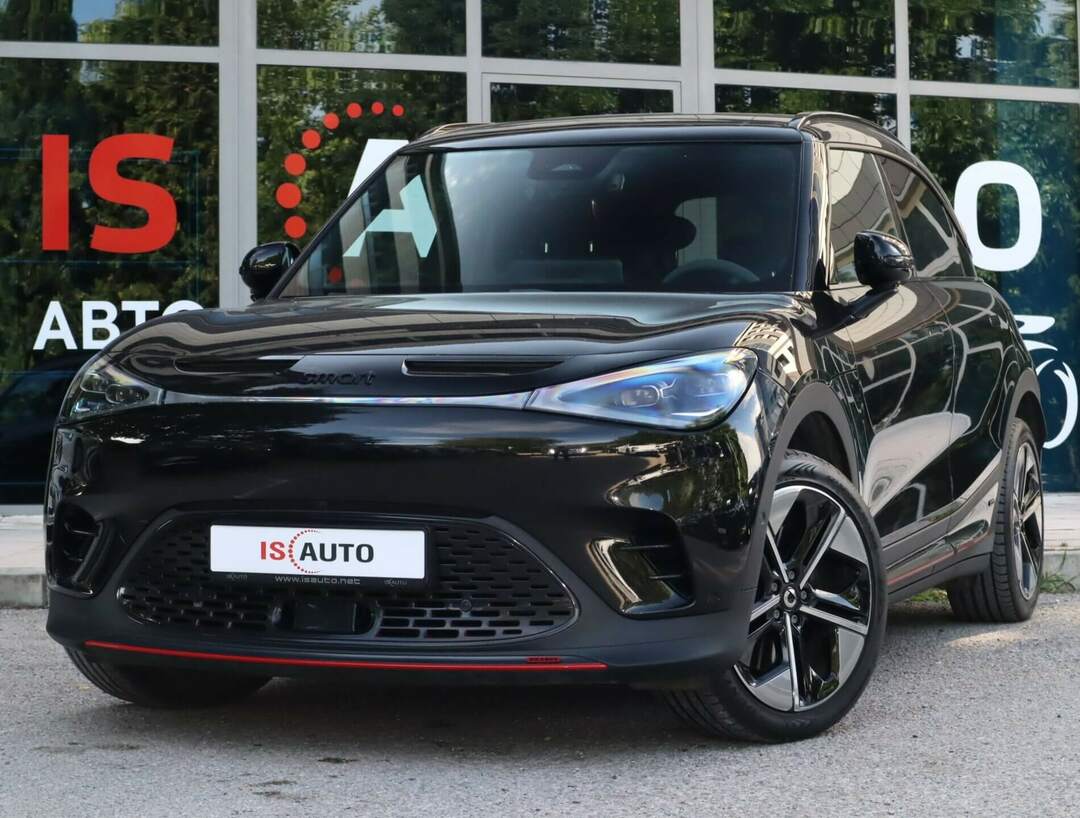
39.105 US$DEALER
2023, electric, automatic, 40K km, hatchback, 422 hp, Used condition, In stock

isAUTO.net
 Bulgaria, Varna
 Bulgaria, Varna
The Smart 1 has carved a niche as a compact city car designed for tight streets, easy parking, and efficient daily commuting. If you’re considering a Smart 1, you’ll want to weigh generation options, fuel choices, and body styles to match your city lifestyle, whether you’re navigating busy urban centers or cruising suburban avenues. In this guide we’ll cover what to look for when buying or selling a Smart 1, how mileage and year influence price, and practical tips for choosing the right configuration for your daily needs.
The Smart 1 is typically offered in compact hatchback or microcar formats with small displacement engines focused on efficiency. Buyers today often compare model generations for improvements in fuel economy, ride comfort, and technology features. When assessing a specific Smart 1, consider the year of manufacture, mileage, and maintenance history, since city driving can affect wear in the transmission, brakes, and tires.
Key factors to evaluate include:
Urban living demands a balance between maneuverability and comfort. When comparing configuration options, think about your typical commute length, parking availability, and fuel economy targets. If you primarily drive short urban trips, a petrol version may suffice, while a hybrid model could save more on fuel in a busy city with frequent stops. For longer city commutes or mixed use, prioritize ride quality and interior practicality.
Pros and cons to consider:
In markets with a strong appetite for compact city cars, Smart 1 prices reflect year, mileage, and condition. A well-documented service history and recent maintenance (tires, brakes, oil) can help maintain value. When selling, provide clear records, include recent inspection notes, and price competitively based on age and mileage.
If you’re shopping in big cities, you’ll often find the best deals near central districts and through trusted dealers who offer certified pre-owned options. Always verify the car’s history report and inspect vital components such as the transmission and suspension before finalizing a purchase.
 Add as preferred sourceSee more from zvelta in Google Search Add as preferred source