EN
ENDEALER
12.084 US$DEALER
10.028 US$
automatic, 72K km, sedan, Rear Wheels Drive, 80 hp, silver, Used condition, USA, In stock

Group1Auto.com
 New Bedford, United States
 New Bedford, United StatesNashville, United States
 United StatesWalnut Creek, United States
 FranceFranceFrance
 Germany, Lower SaxonyGermanyGermanyGermany
 Estonia, HarjumaaEstonia, Harjumaa
 ItalyItaly
 Romania, Timiș County
 Romania, MaramureşRomania, Maramureş
 Romania, Suceava
 Sofiyivska Borschagivka, Ukraine
 Albania, Tirana
 Romania, Dâmbovița County
 Moldova
 MoldovaMoldova, Chișinău Municipality
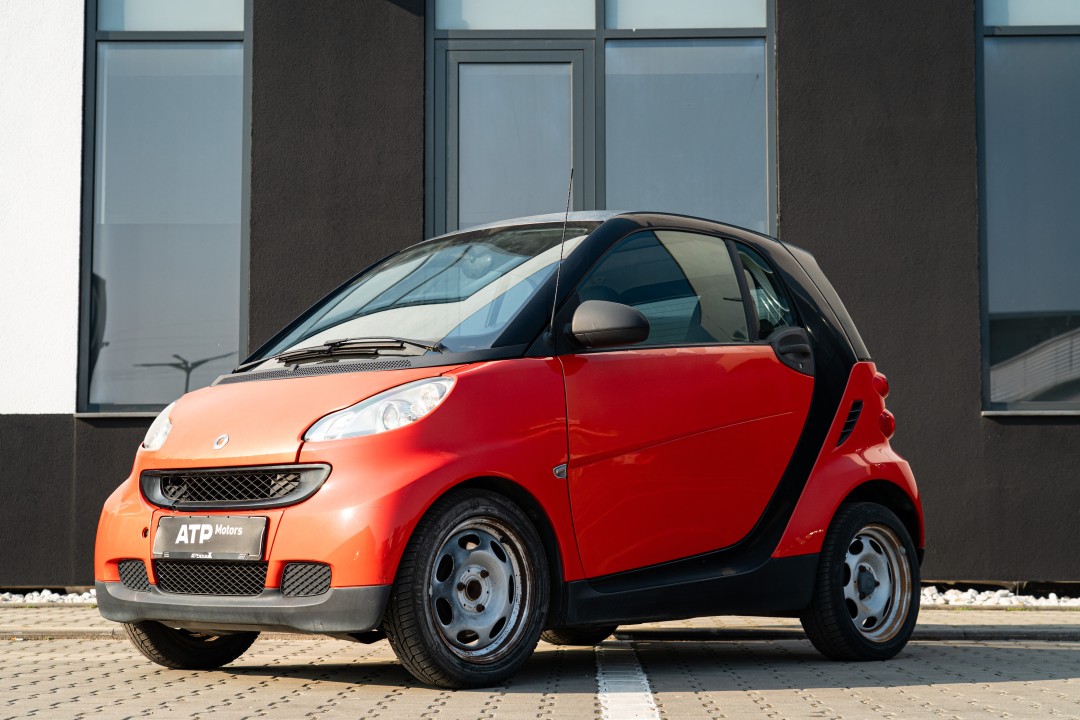
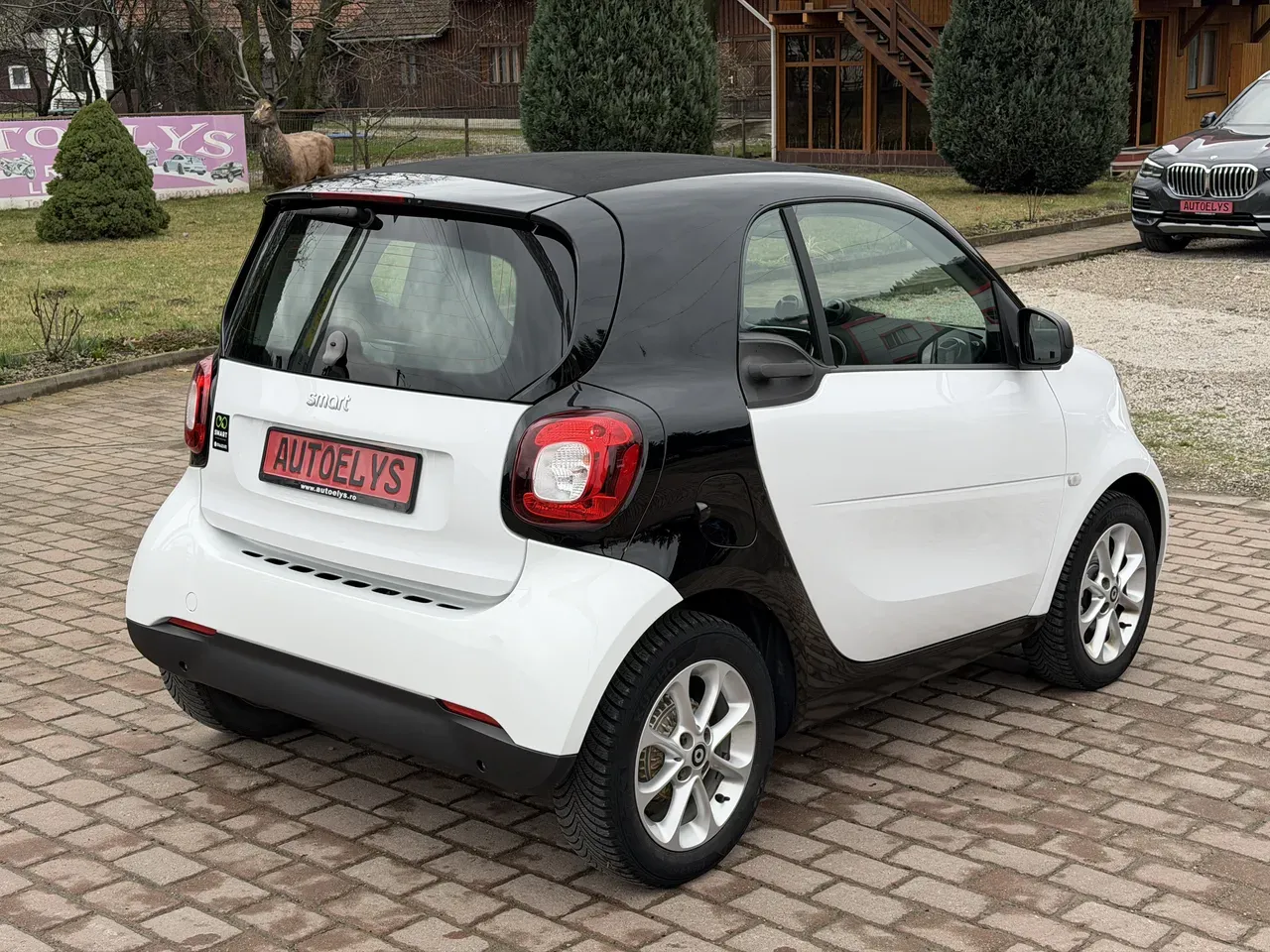
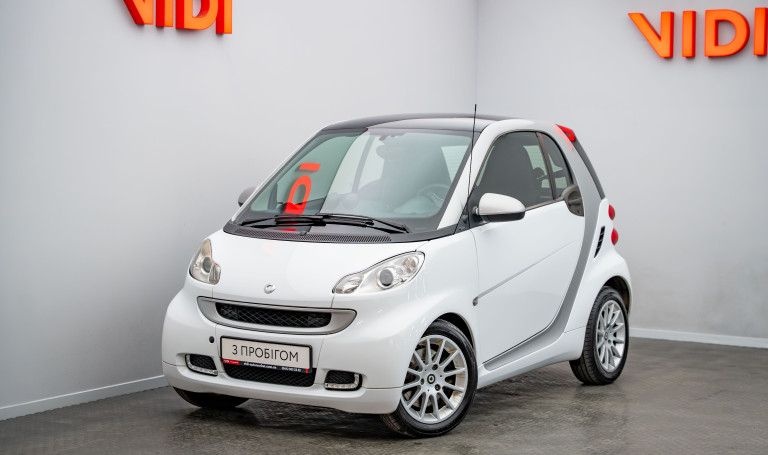
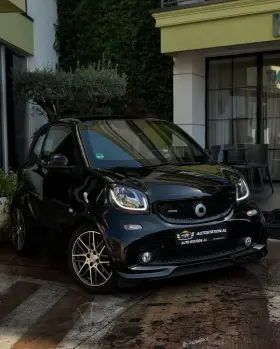
Smart cars have long been synonymous with compact city efficiency, and for buyers in dense urban areas they remain a strong choice. If you’re considering a Smart model, you’ll want to weigh factors like the specific model and generation, body type, fuel, year, mileage, and price segment before making a purchase. This guide covers how to choose a Smart that fits your city life, whether you are buying new or used, and how to compare options effectively in today’s market.
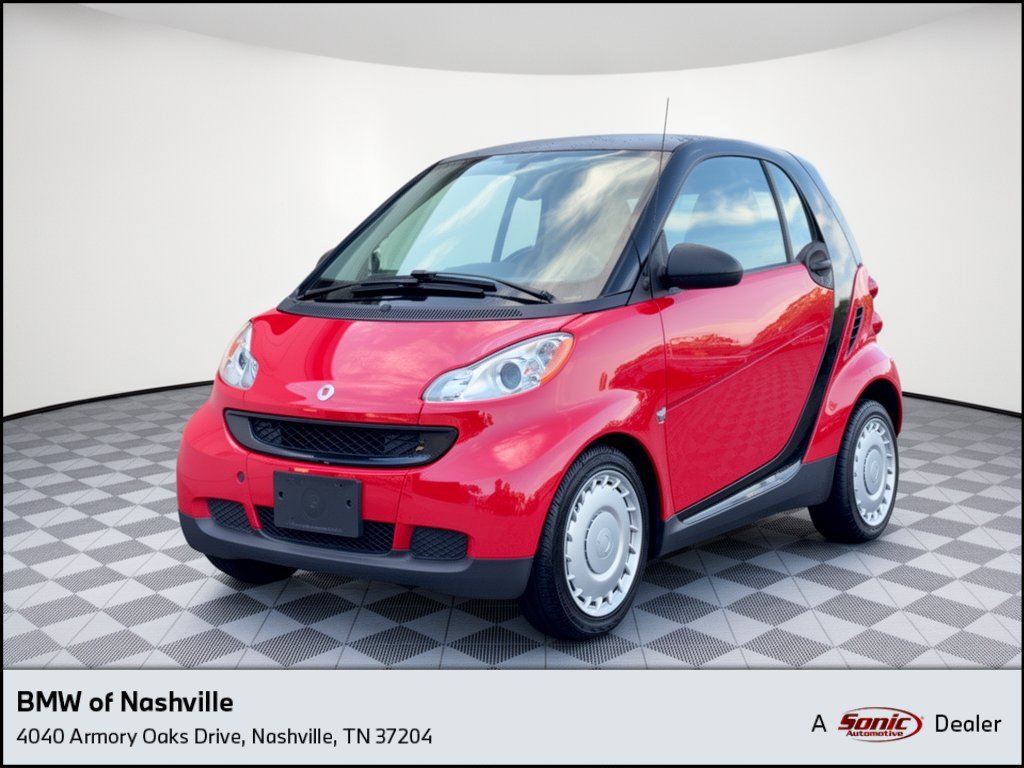
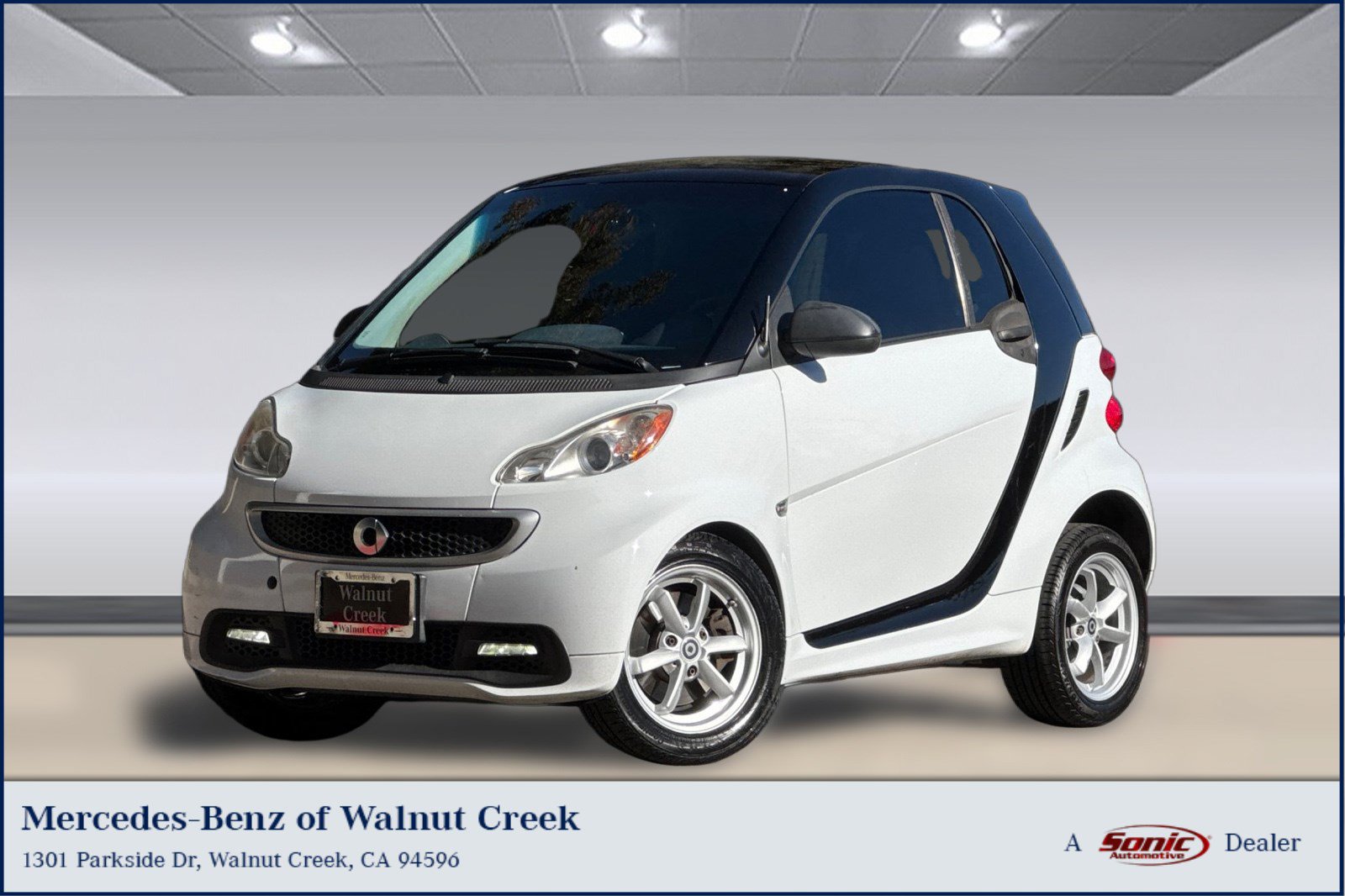
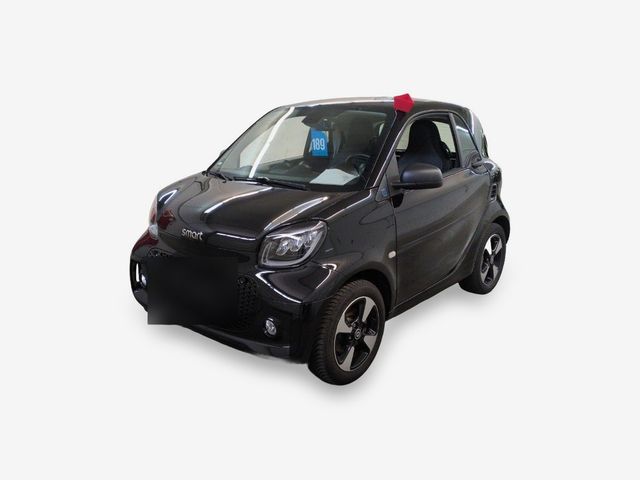
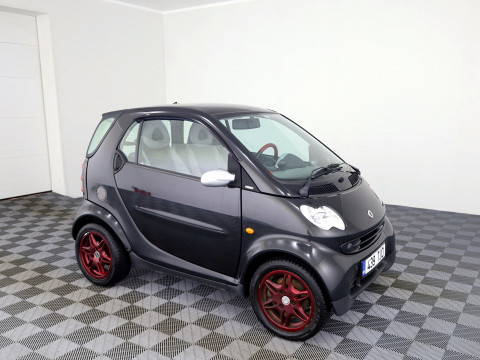
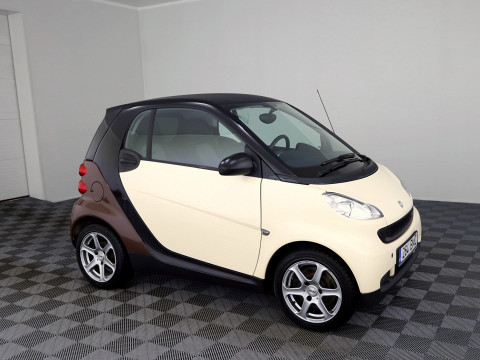
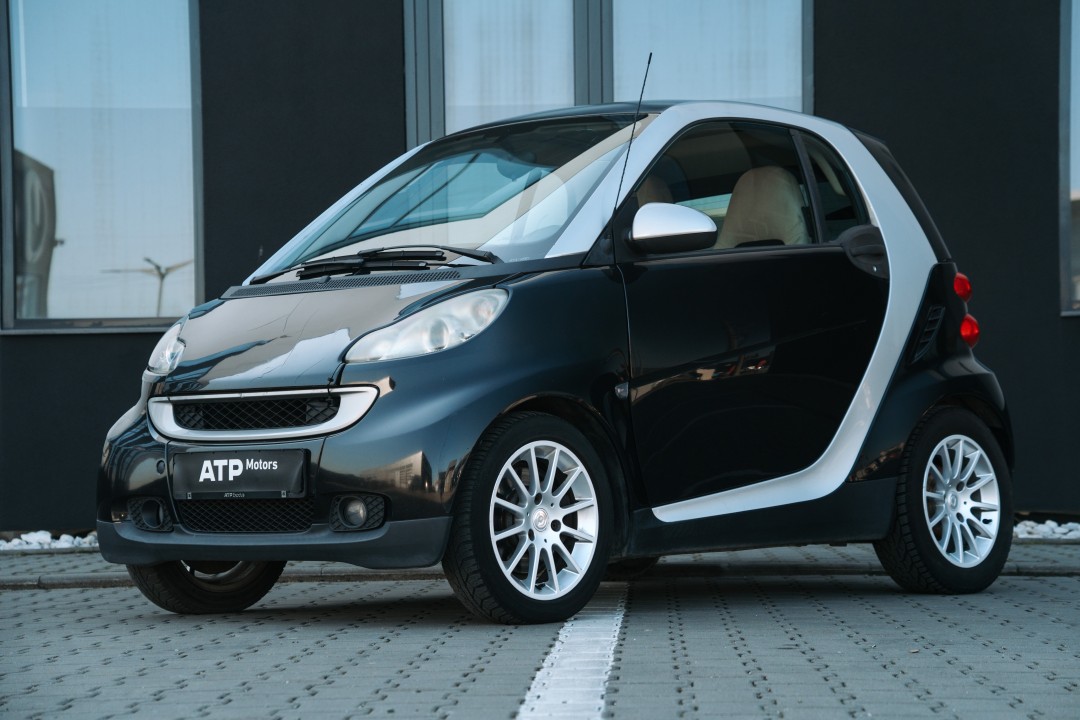
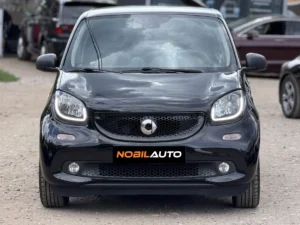
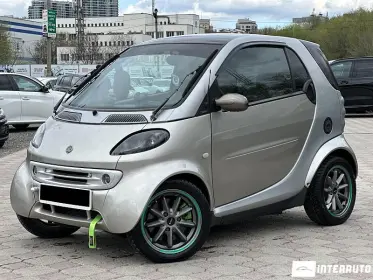
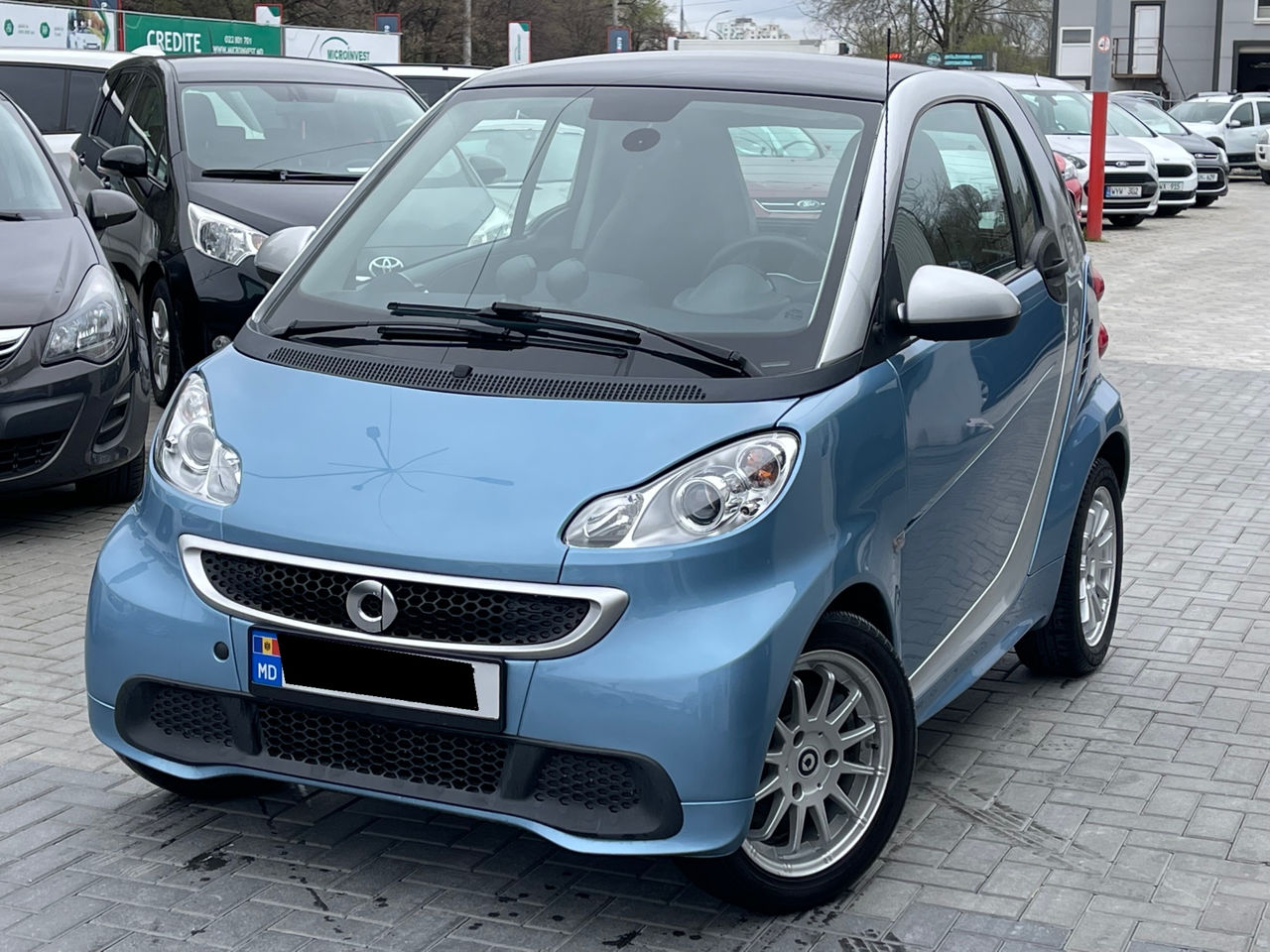
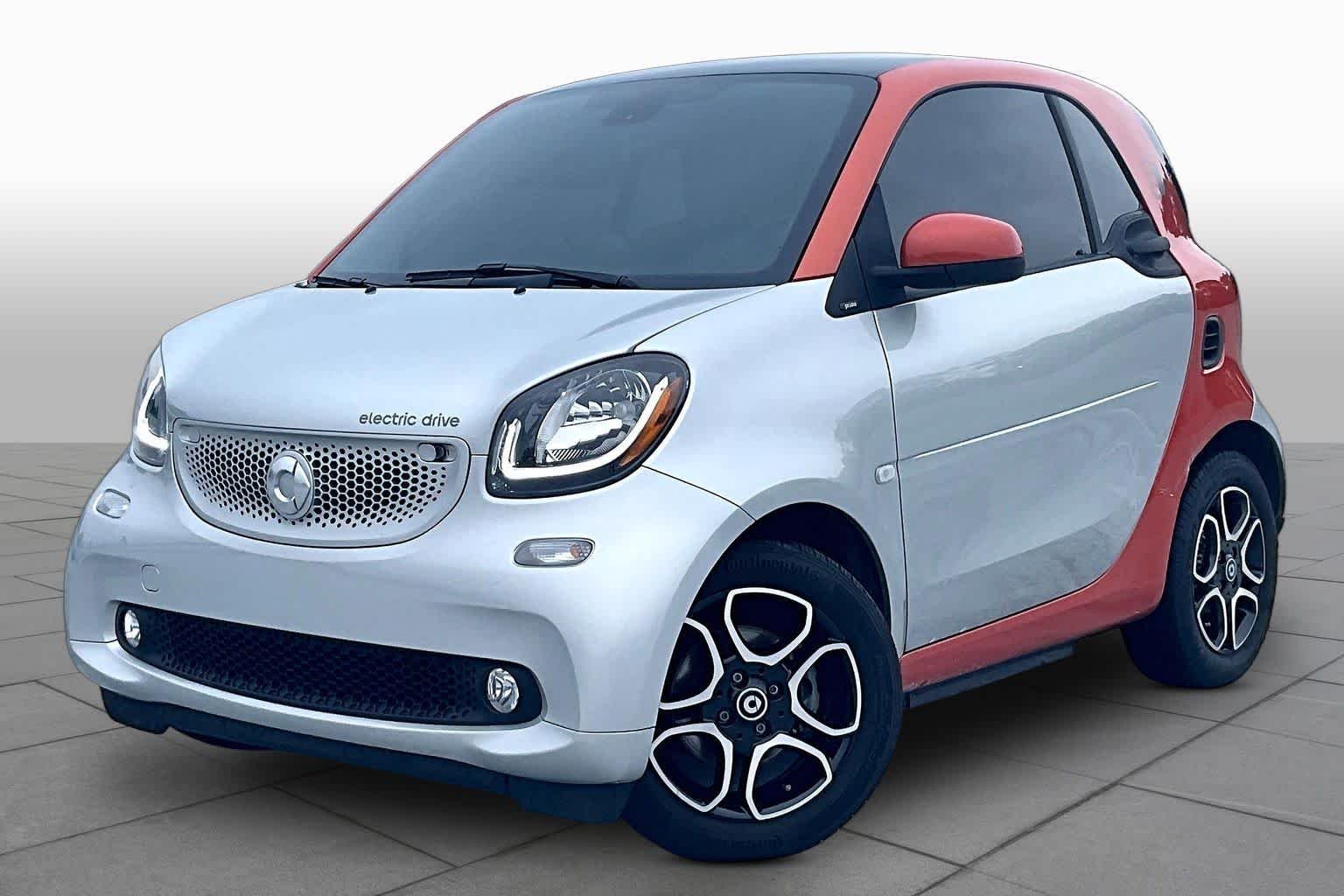
Smart cars are designed for urban environments where parking spaces are tight and traffic is busy. Their compact dimensions help you weave through crowded streets and squeeze into tight spots. Depending on the model and generation, you can select variants with different body types, such as 3-door or 5-door configurations, as well as fuel options like petrol or electric drives. For buyers in major cities, an electric Smart can offer lower running costs and easy charging in urban areas, while petrol variants may provide greater range on longer weekends. When evaluating a Smart, consider the year to assess design updates, interior comfort, and safety features that improve your daily ride.
When buying, ask about maintenance history, service records, and any recent recalls. A test drive can reveal how the steering, suspension, and braking respond in typical urban scenarios. If you are selling a Smart, highlight recent service work, battery or electrical health (for electric variants), and ensure the vehicle’s history report is clean to attract informed buyers.
In summary, Smart cars offer efficient mobility for urban dwellers, with choices that range from petrol microcars to electric city runs. By focusing on model generation, body type, fuel, year, mileage, and price segment, you can find a Smart that suits your city lifestyle and budget.
 Add as preferred sourceSee more from zvelta in Google Search Add as preferred source