EN
ENDEALER
84.999 US$DEALER
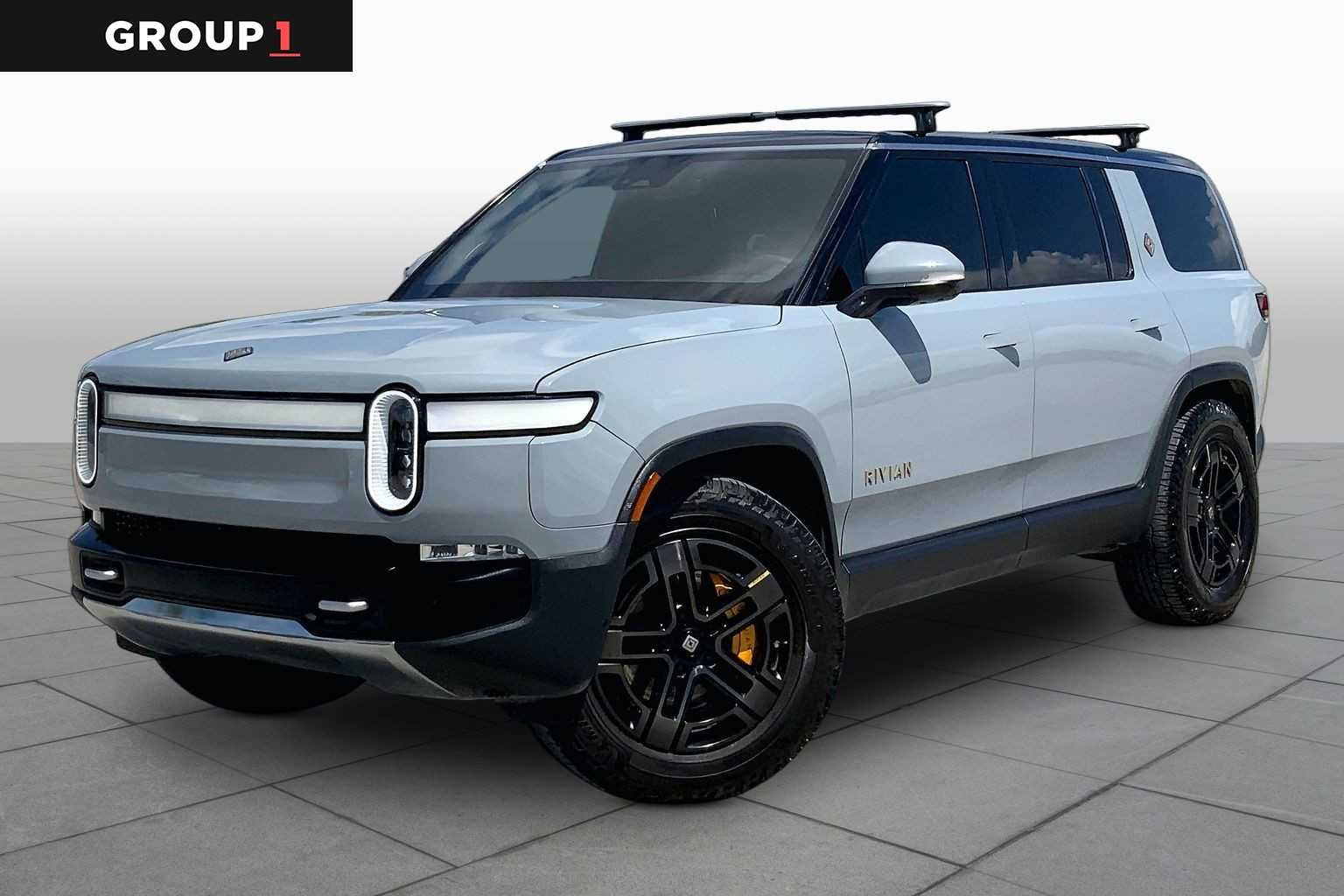
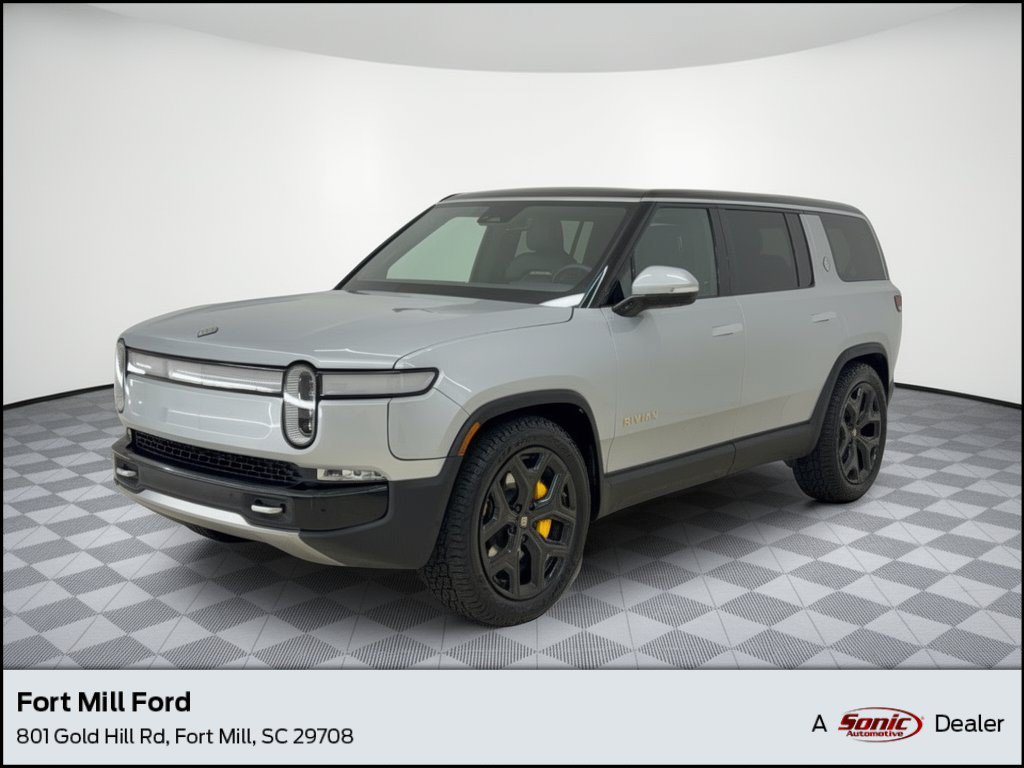
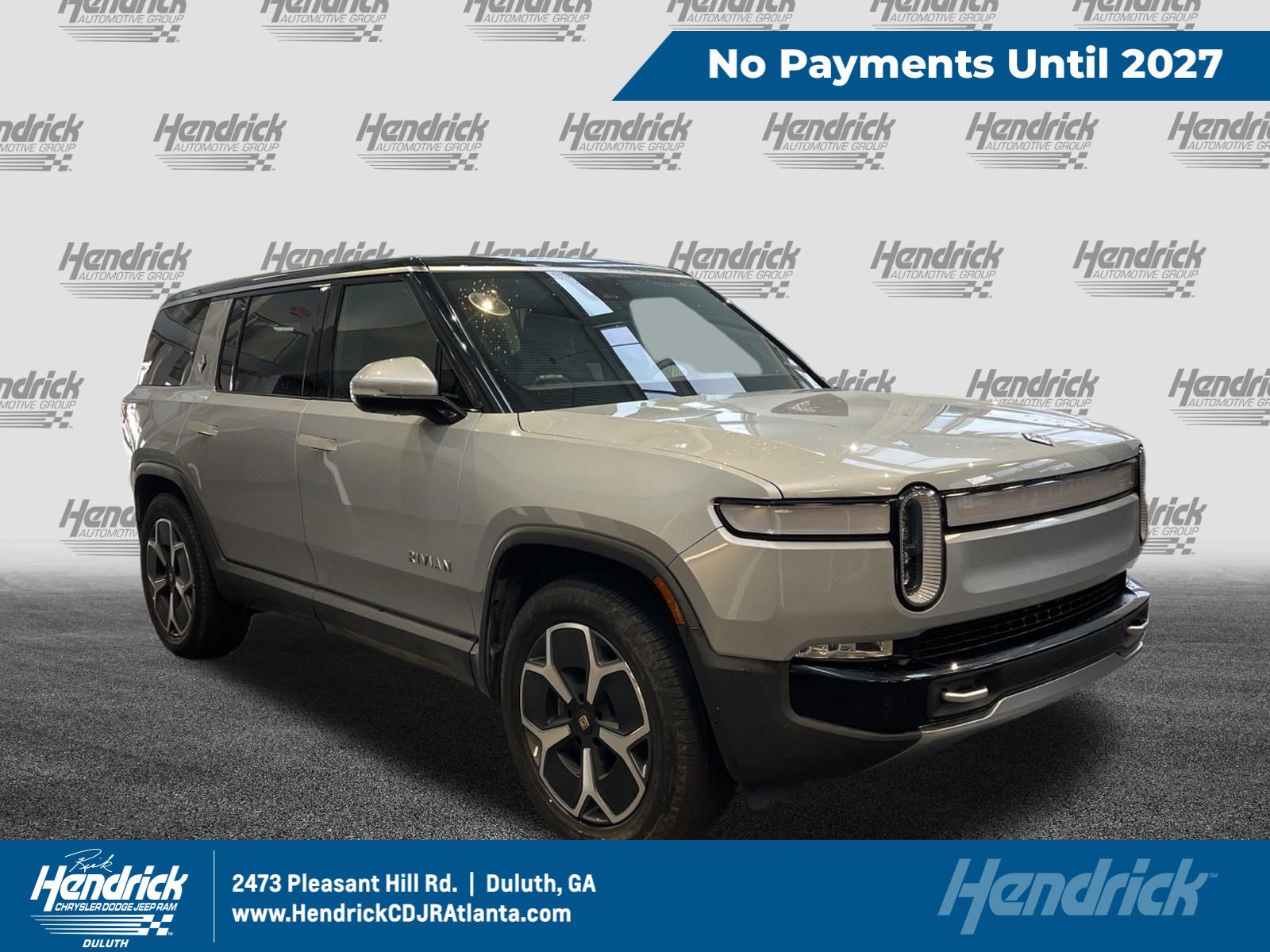
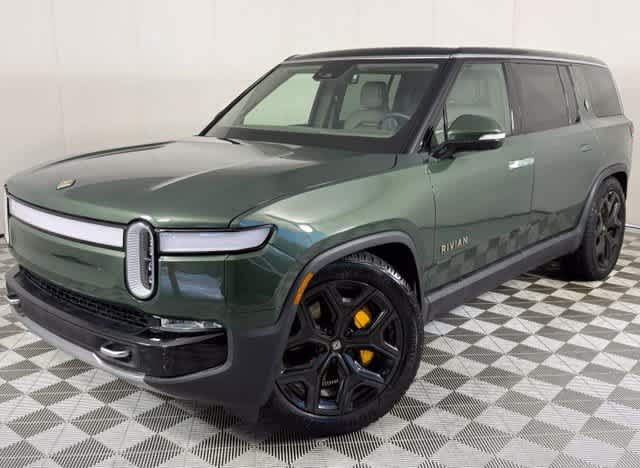
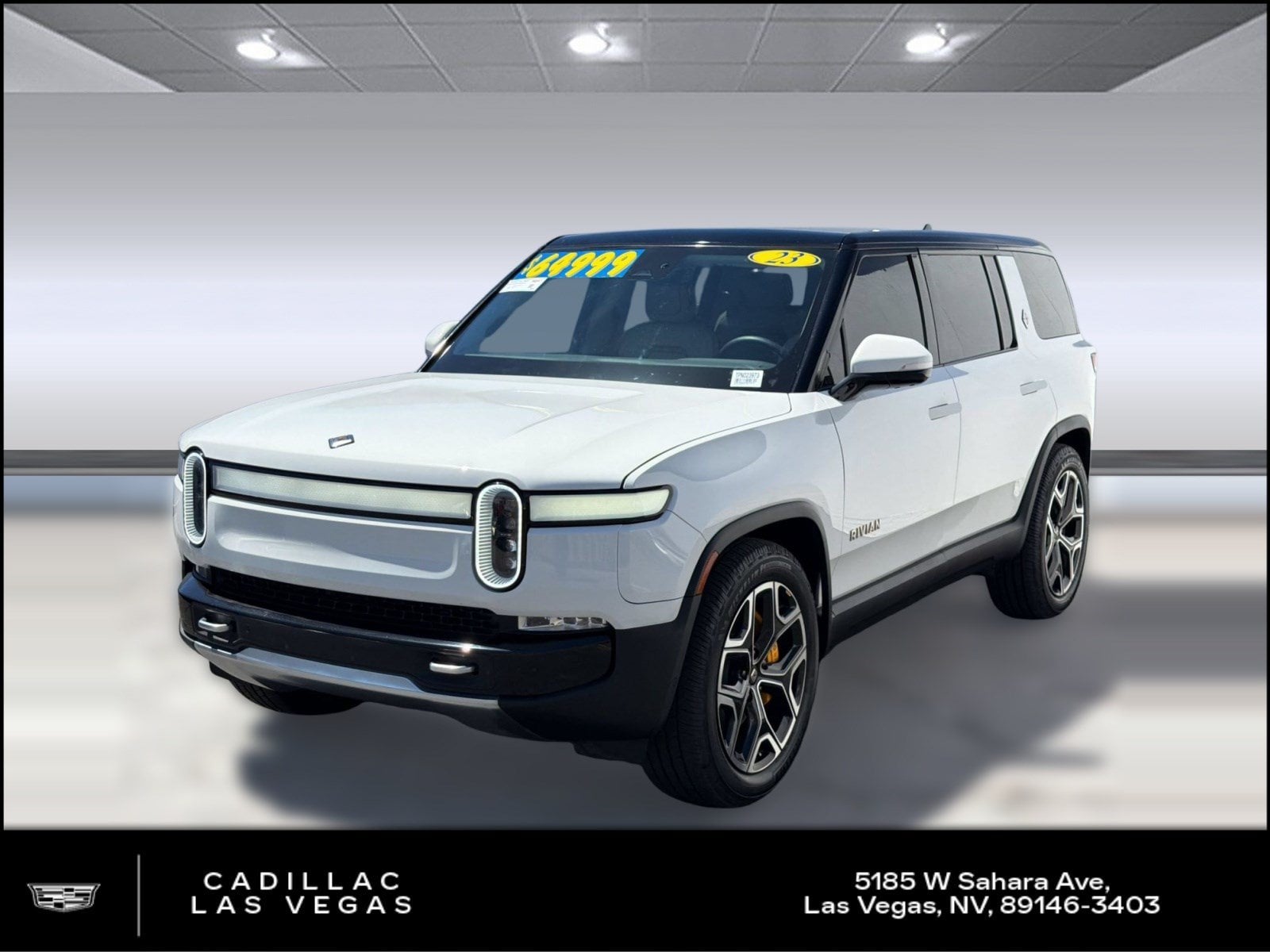
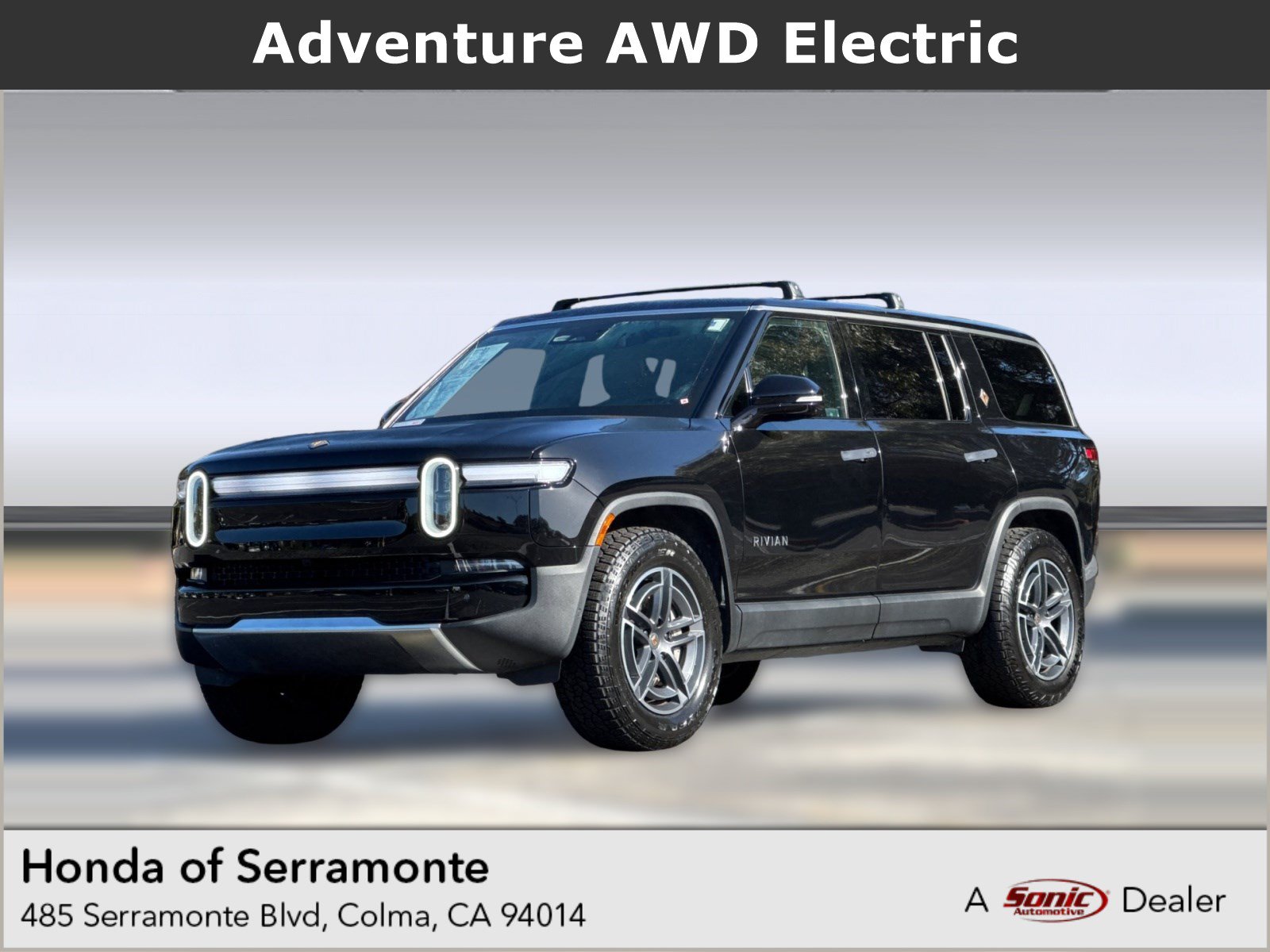
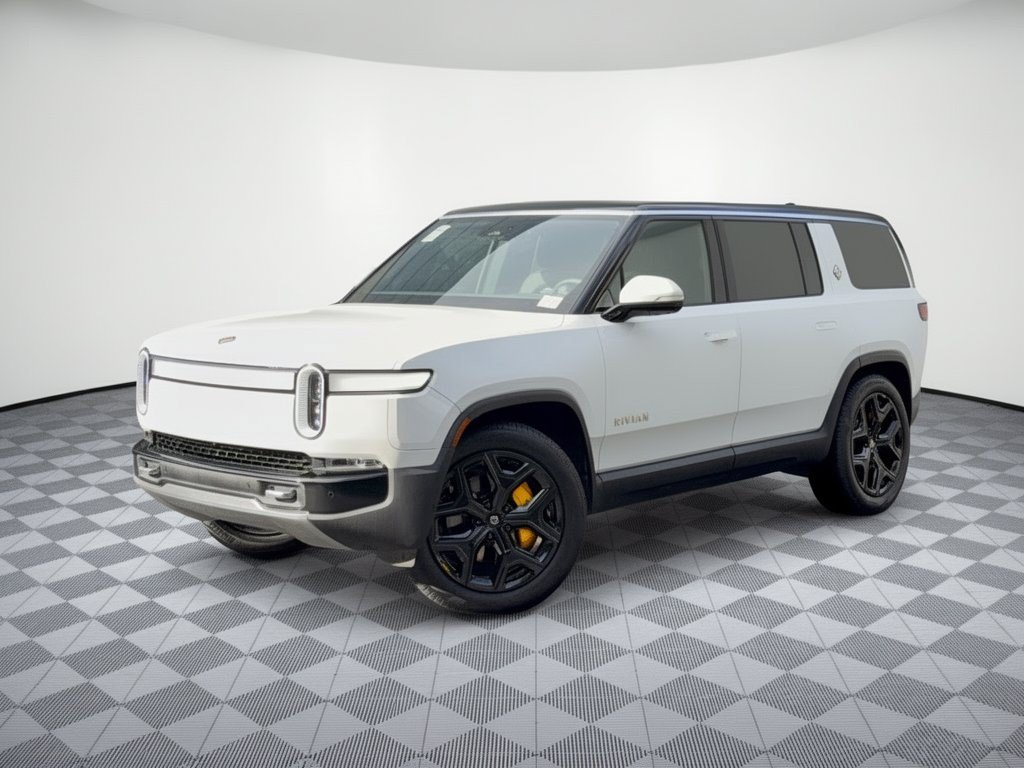
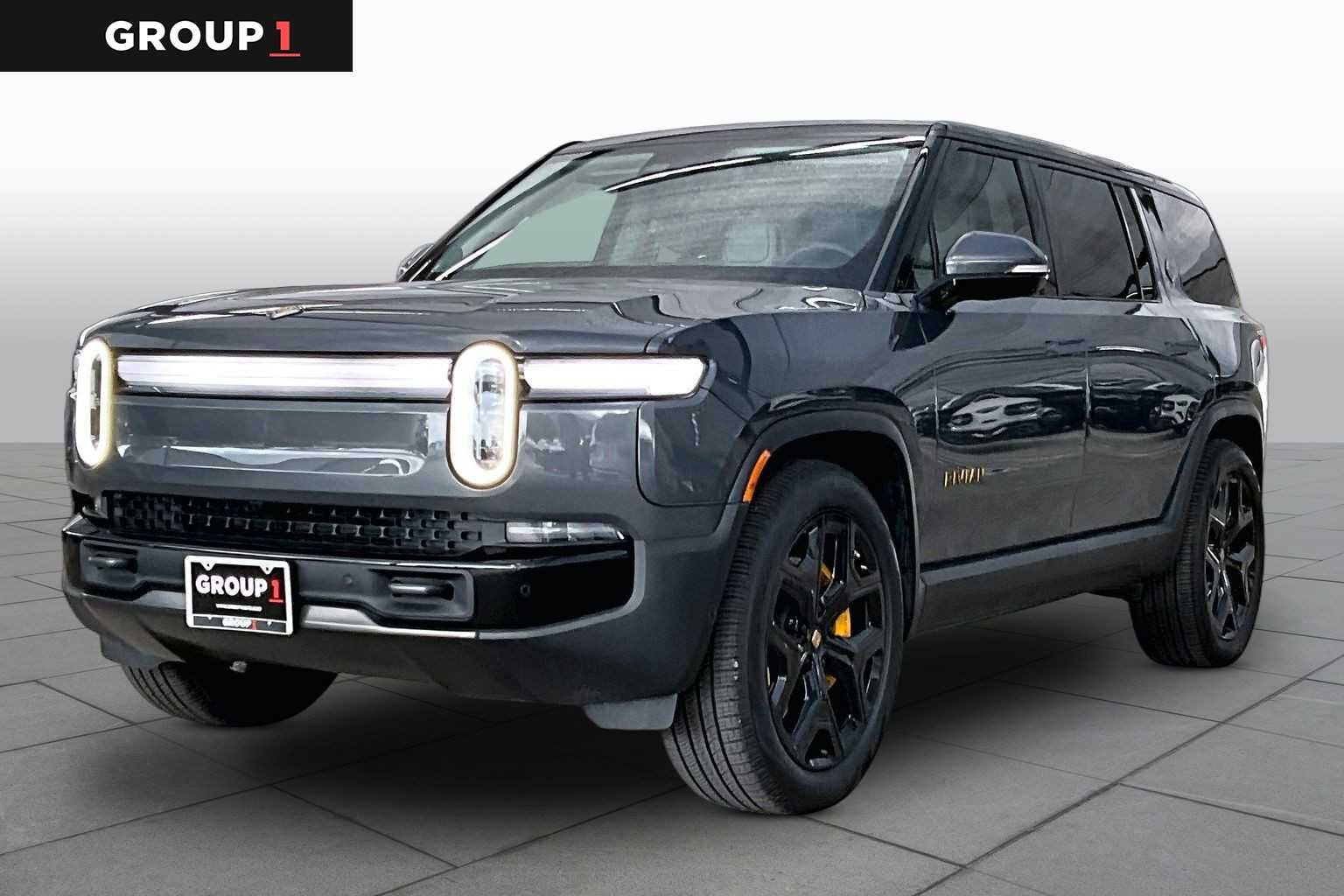
electric, automatic, 59K km, SUV, All Wheels Drive, 850 hp, Used condition, USA, In stock

Group1Auto.com
 Georgetown, United States
 Georgetown, United StatesSouthwest, United StatesFort Mill, United States
 Duluth, United StatesDuluth, United StatesRover, United States
 Pasadena, United States
 United States
 United States
 Calabasas, United StatesLas Vegas, United StatesColma, United States‘Ewa Beach, United States
 UkraineUkraine
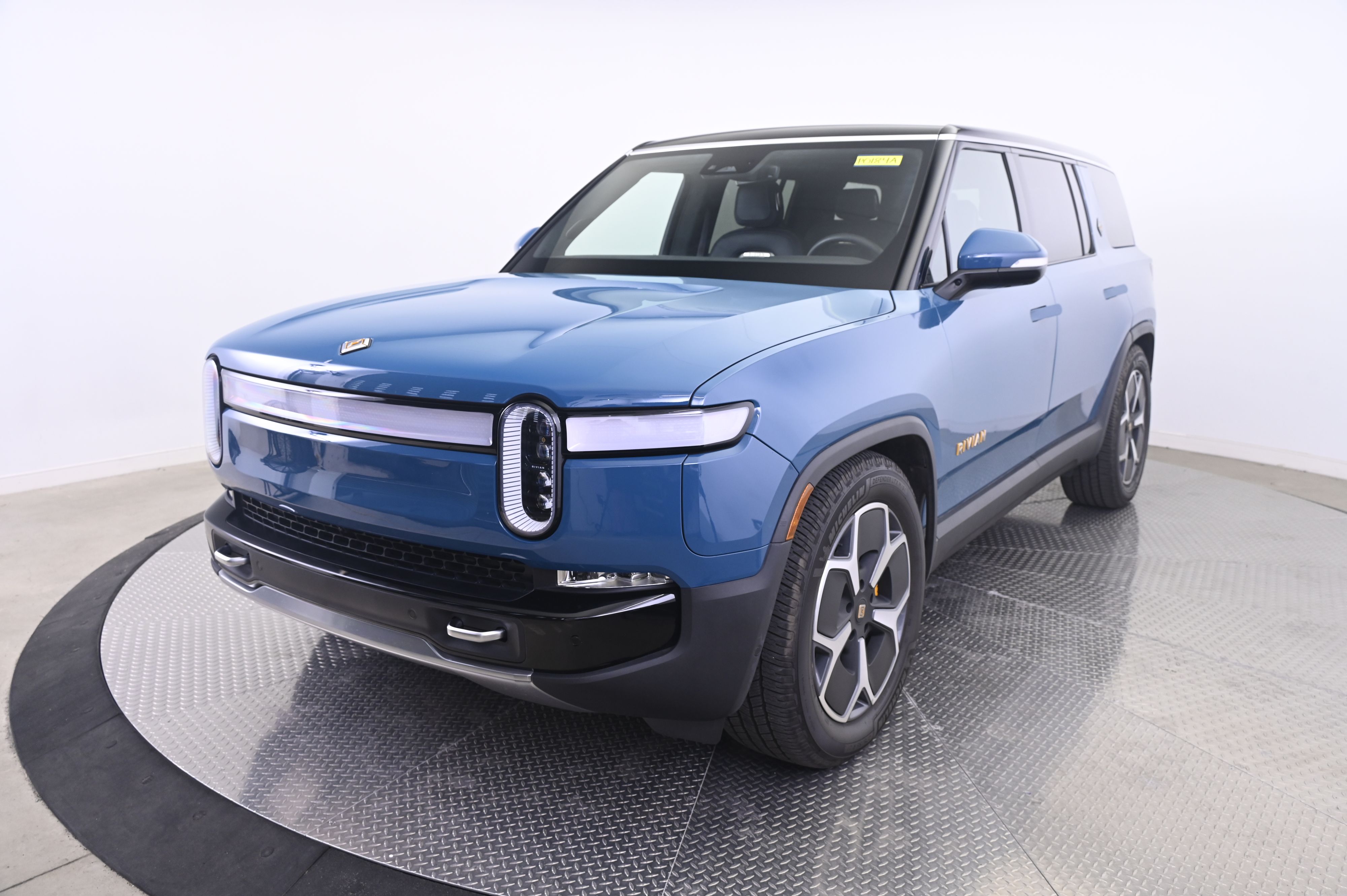
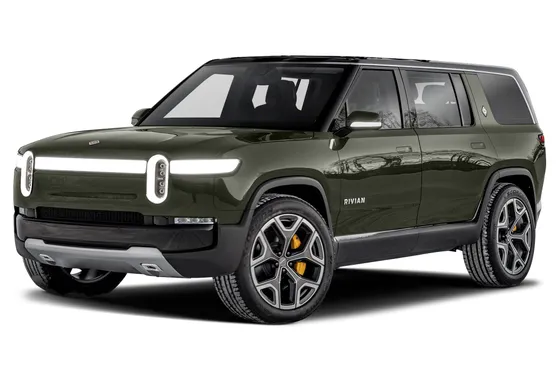
The Rivian R1S is a distinctive electric SUV that appeals to drivers seeking advanced technology, strong off‑road capability, and a spacious interior. If you’re considering a Rivian R1S, you’ll want to understand how the model has evolved across generations, what fuel type it uses, and how it fits different budgets and regions. In this guide, we’ll cover common questions buyers and sellers have, with a focus on models in city and country markets where the R1S has become a realistic option for both daily driving and weekend adventures.
The R1S is an all‑electric, battery‑powered SUV with a rugged body style and three rows of seats. When comparing trims and generations, consider items such as range, charging speed, onboard technology, and price segments. Typical buyer questions include: which battery option provides the best blend of range and cost, what interior configurations are offered, and how the vehicle handles in challenging weather or rough terrain.
Key factors to evaluate:
Prospective buyers frequently ask about which configuration to choose. The R1S offers different battery options and trims. Consider:
Sellers evaluating a Rivian R1S should highlight mileage, service history, and any recent maintenance. In many markets, the R1S is available through Rivian’s own stores or certified partners, with inventory varying by country and city. When discussing price, reference local market data, including regional incentives for electric vehicles and any tax credits that may apply to new or used purchases.
Whether you’re buying or selling a Rivian R1S, the key is to align the choice with your daily needs, driving range expectations, and budget. By understanding the generation timeline, trim differences, and regional pricing, you’ll be better prepared to secure a deal that fits your lifestyle and location.
 Add as preferred sourceSee more from zvelta in Google Search Add as preferred source