EN
ENDEALER
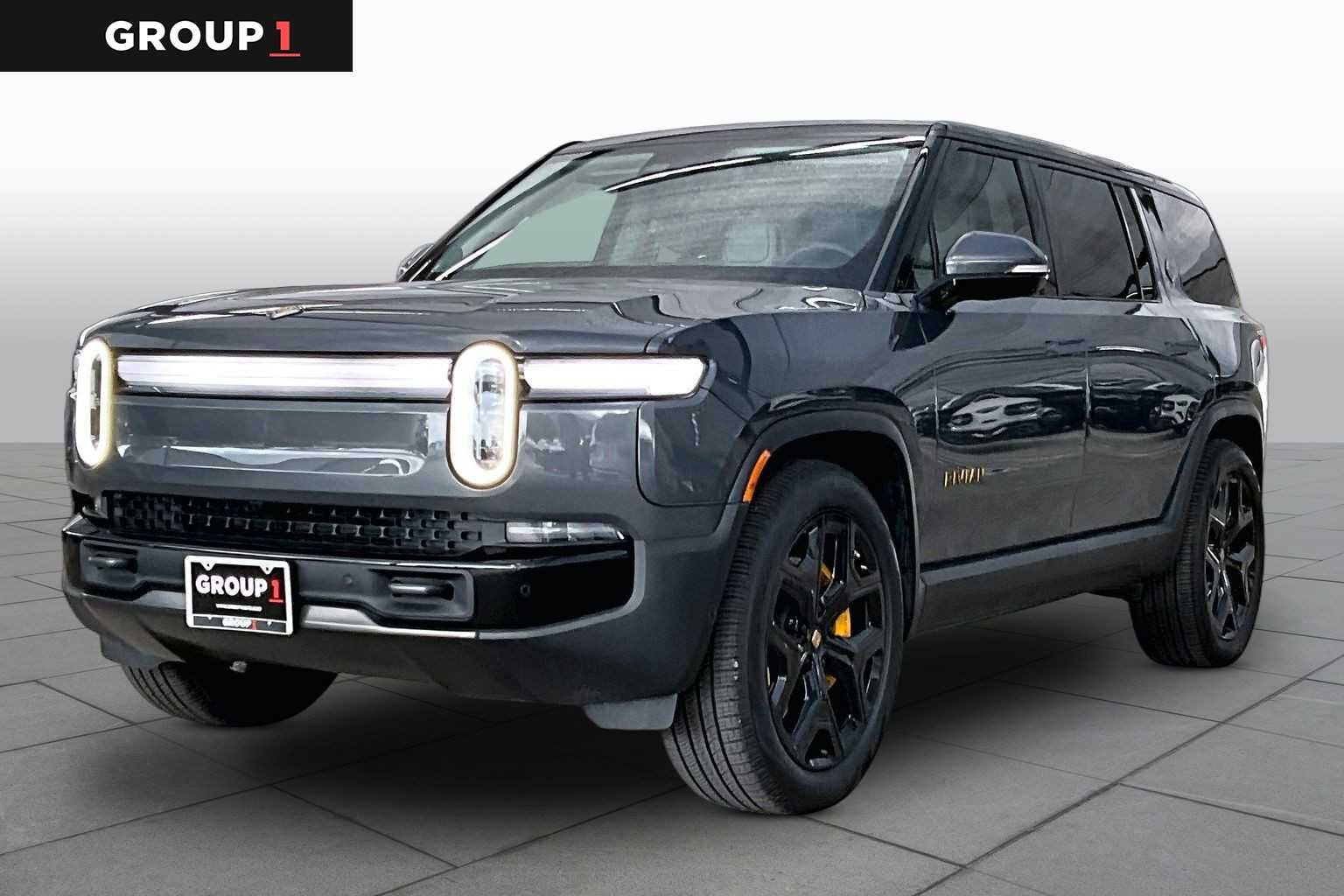
84.999 US$DEALER
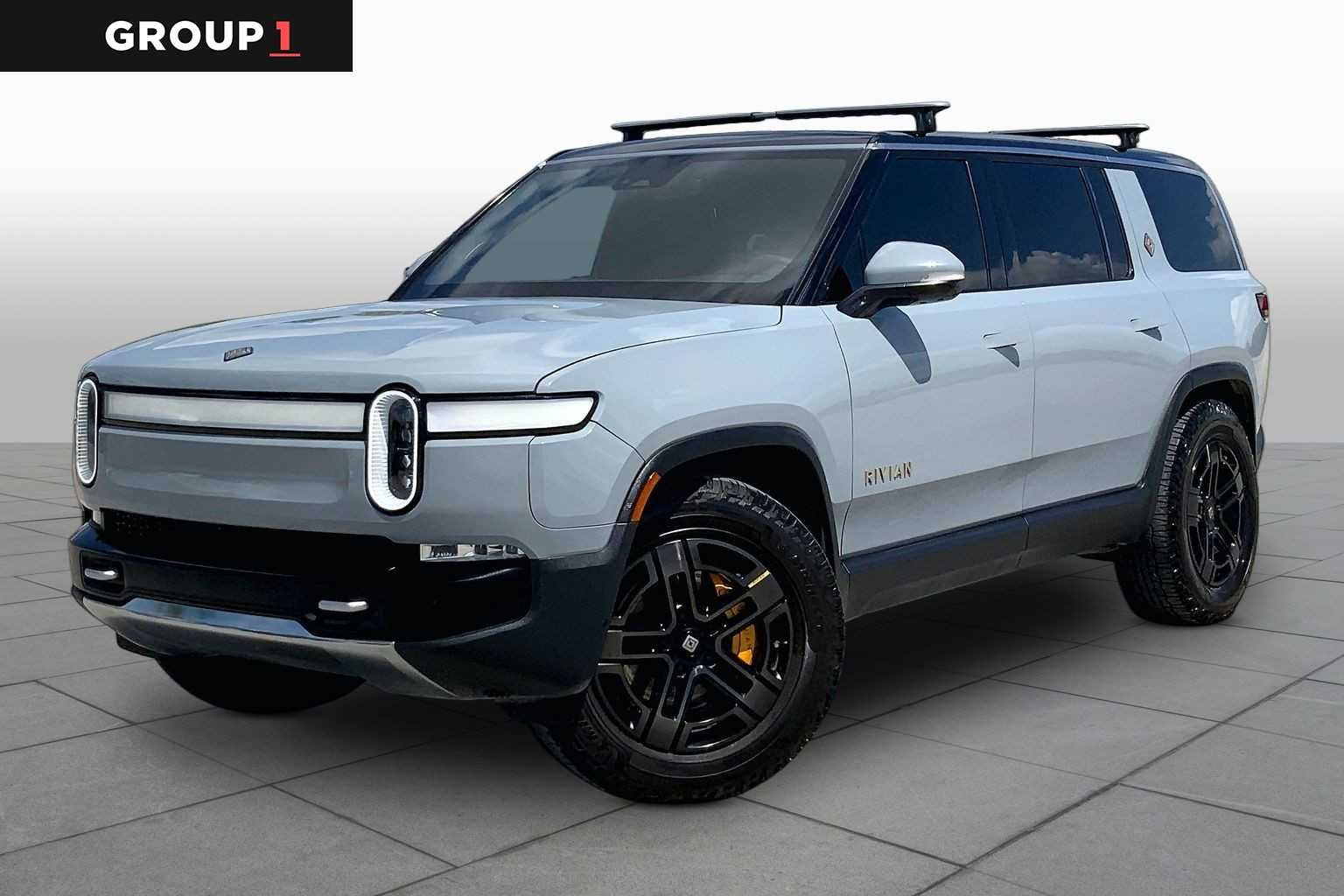
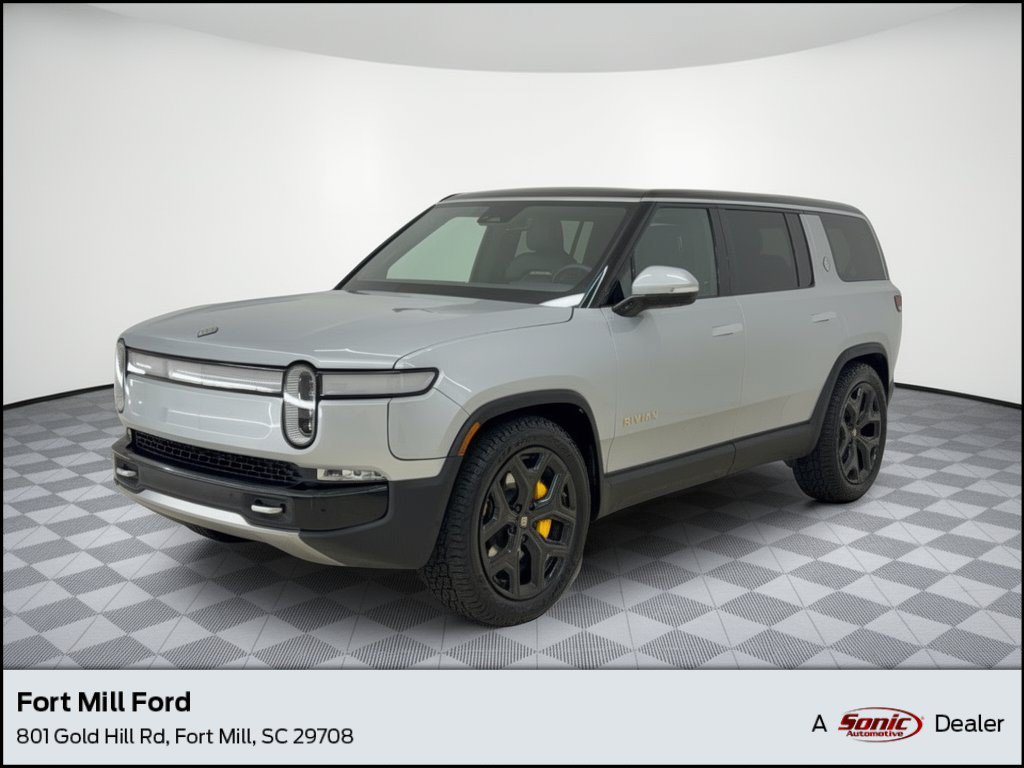
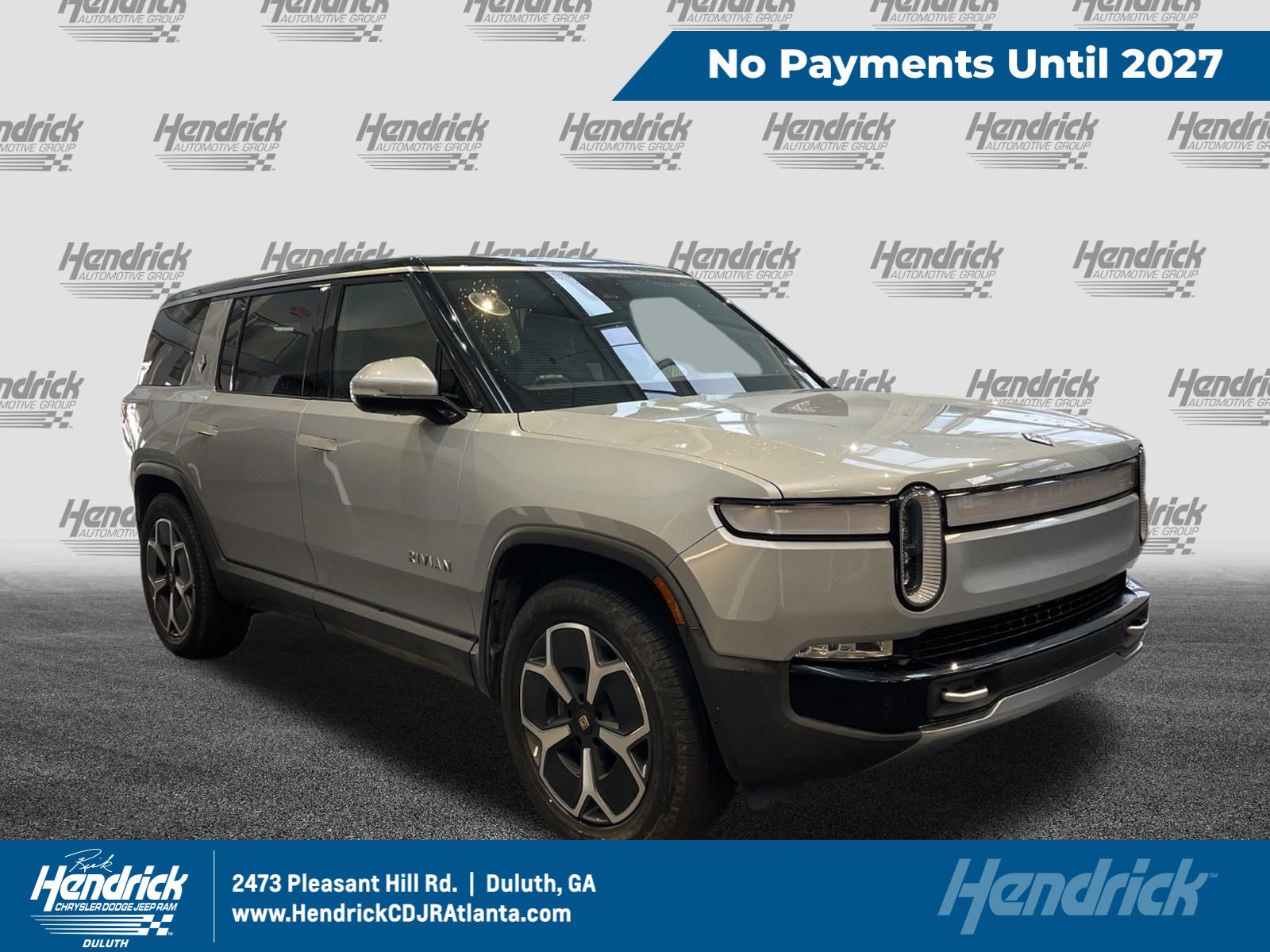
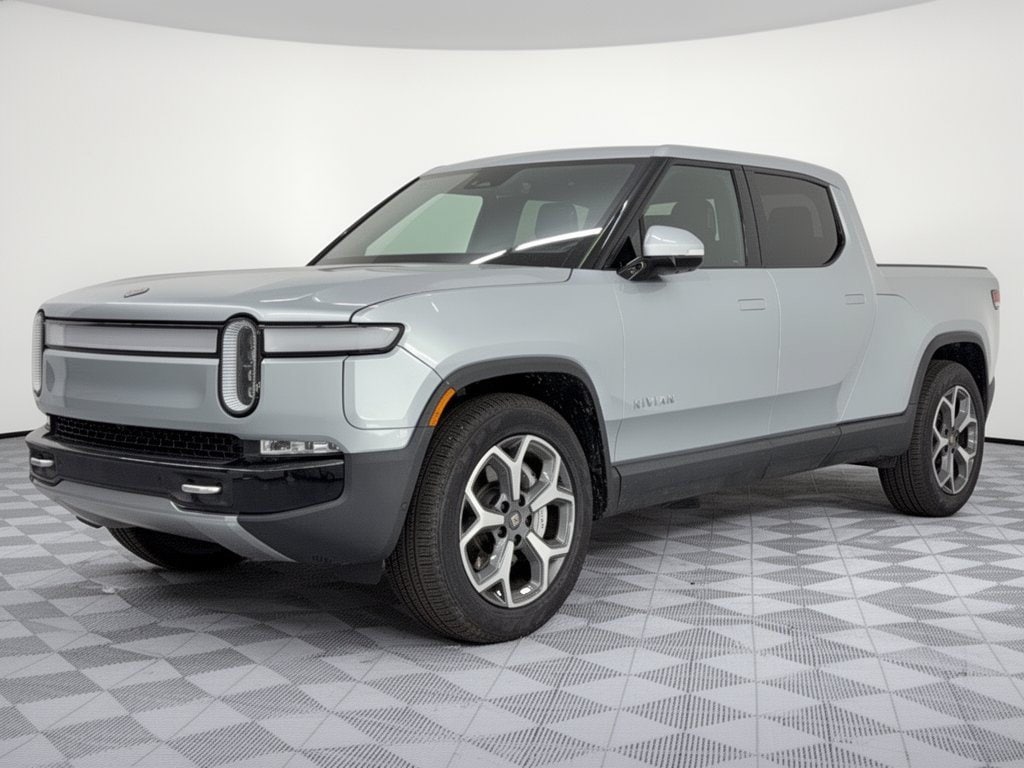
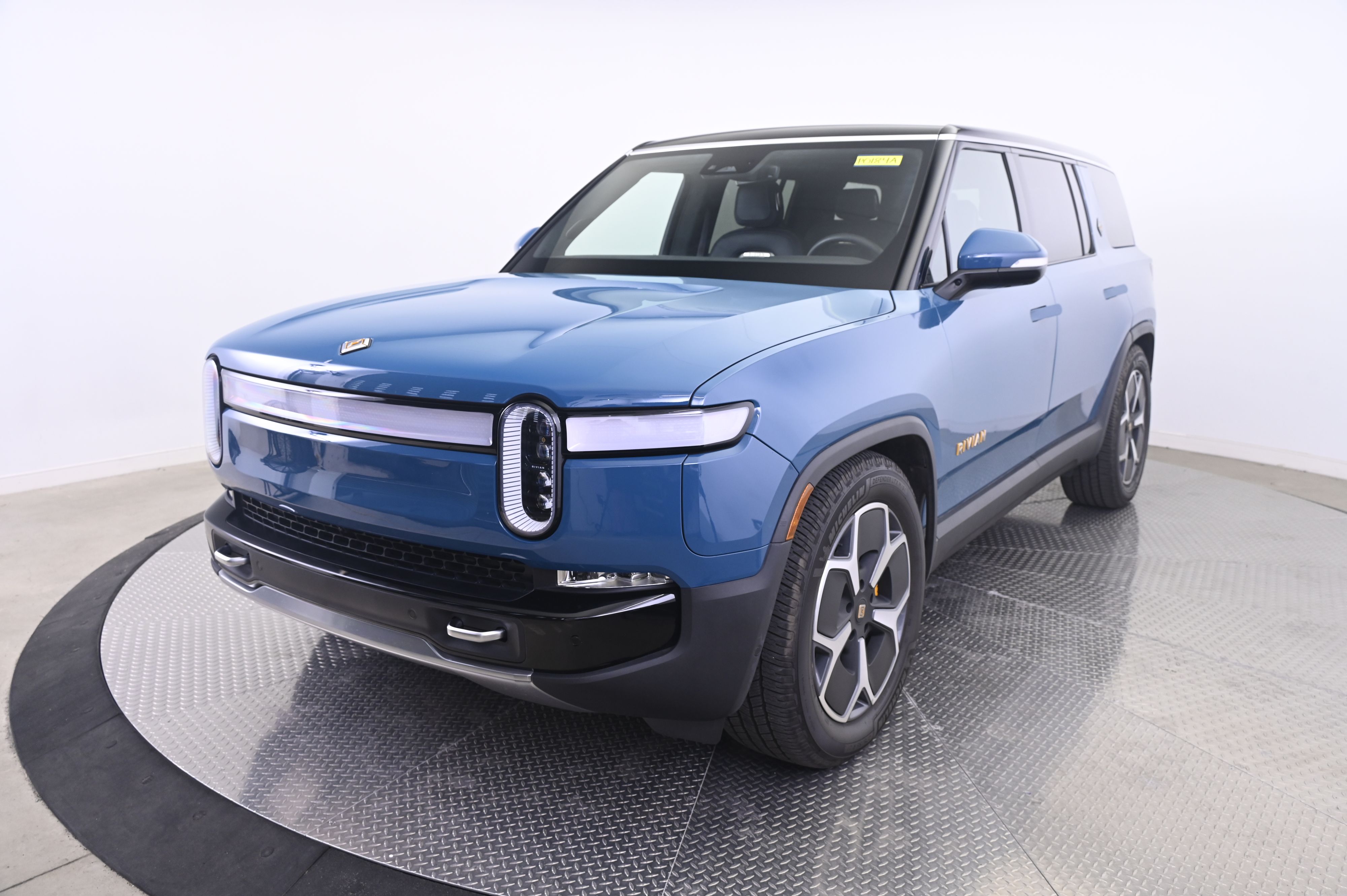
electric, automatic, 59K km, SUV, All Wheels Drive, 850 hp, Used condition, USA, In stock

Group1Auto.com
 Georgetown, United States
 Georgetown, United StatesSouthwest, United StatesFort Mill, United States
 Duluth, United StatesDuluth, United StatesDuluth, United StatesDuluth, United States
 Irondale, United StatesIrondale, United StatesDenver, United StatesRichmond, United StatesRover, United States
 Pasadena, United States
 United States
 United States
 McKinney, United States
 Calabasas, United StatesLas Vegas, United StatesColma, United States‘Ewa Beach, United States
 Kyiv, Ukraine
 UkraineUkraine
Rivian has positioned itself as a fresh option for electric adventure vehicles, with a focus on rugged capabilities and modern tech. If you are in the market to buy or sell a Rivian, understanding the lineup, model generations, and key specs helps you make a smarter choice. This guide covers practical considerations for buying and selling Rivian vehicles, including models, body types, fuel considerations, mileage benchmarks, price ranges, and where to look in common markets.
Rivian offers electric vehicles designed for exploration, with a range of models that appeal to different lifestyles. When evaluating a Rivian car, consider the model generation, battery options, payload capacity, and charging infrastructure compatibility. Common questions include which engine configuration applies to Rivian’s electric powertrain, how the range behaves in real-world use, and which body type suits your needs. For buyers, important details are year of manufacture, mileage, current condition, and maintenance history. For sellers, transparent documentation about battery health and any software updates can improve confidence.
Owners looking to sell should collect service records, confirm remaining warranty validity, and provide a clear history of charging sessions and software updates. Pricing should reflect model generation, battery health, mileage, and optional features. Present the vehicle with high-quality photos, honest disclosures about any issues, and an up-to-date maintenance log. Listing platforms favor clarity on range expectations, charge times, and recent expenditures on upkeep.
Rivian cars are most commonly discussed in markets with established charging networks and EV incentives. Prospective buyers often search for phrases like rivian r1t price used, rivian r1s mileage, rivian quality, rivian reliability, and rivian charging options in your city. When negotiating, align expectations with the vehicle’s range, condition, and total cost of ownership, including insurance and maintenance. If you’re in regions with strong EV incentives, highlight those advantages in your listing to attract interested buyers.
 Add as preferred sourceSee more from zvelta in Google Search Add as preferred source