 EN
ENDEALER
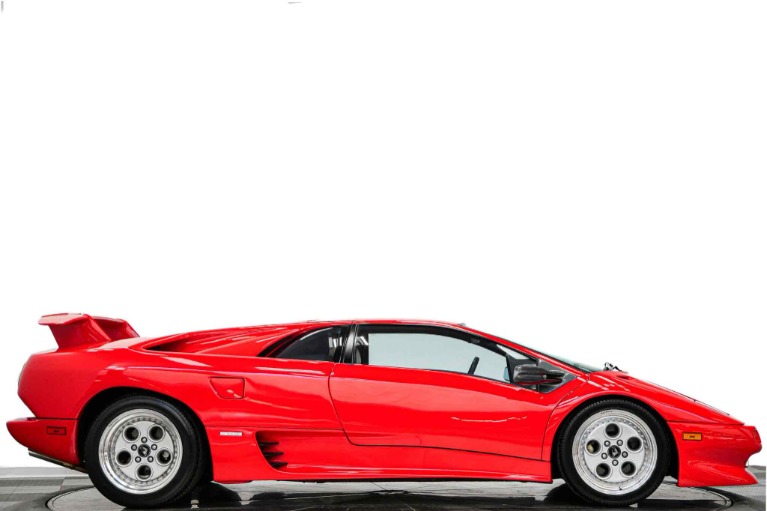
485.950 US$DEALER
495.900 US$
1991, manual, 9K km, coupe, Rear Wheels Drive, 5,700 cm3, 5.7L DOHC V12, Used condition, USA, In stock

MarshallGoldManoh.com
 United States
 United States
 Addison, United StatesAddison, United States
 United Arab Emirates, Dubai
When you’re considering a rare supercar like the Lamborghini Diablo, making an informed decision is essential. This guide covers what buyers and sellers should know about the Diablo across generations, engines, and configurations, helping you compare options in today’s market. Whether you’re in a city with a strong collector scene or simply exploring the best value for your budget, understanding the Diablo’s strengths and tradeoffs will save time and improve outcomes.
The Diablo family spans several generations, each with distinct characteristics. Early models emphasize raw power and dramatic styling, while later versions feature incremental refinements. When evaluating a Diablo, pay attention to:
For serious buyers, the decision often comes down to provenance and condition as much as spec. Consider:
If you’re putting a Diablo on the market, highlight:
If you’re researching prices for a Lamborghini Diablo, expect value to vary by generation, condition, and provenance. In many markets, pristine or well-documented examples attract premium bids, while cars in need of restoration may be priced lower but represent strong opportunities for skilled buyers. Whether you’re purchasing in a thriving collector market or assessing a dealer listing, careful due diligence will help you find a Diablo that aligns with your goals and budget.
 Add as preferred sourceSee more from zvelta in Google Search Add as preferred source