 EN
ENDEALER
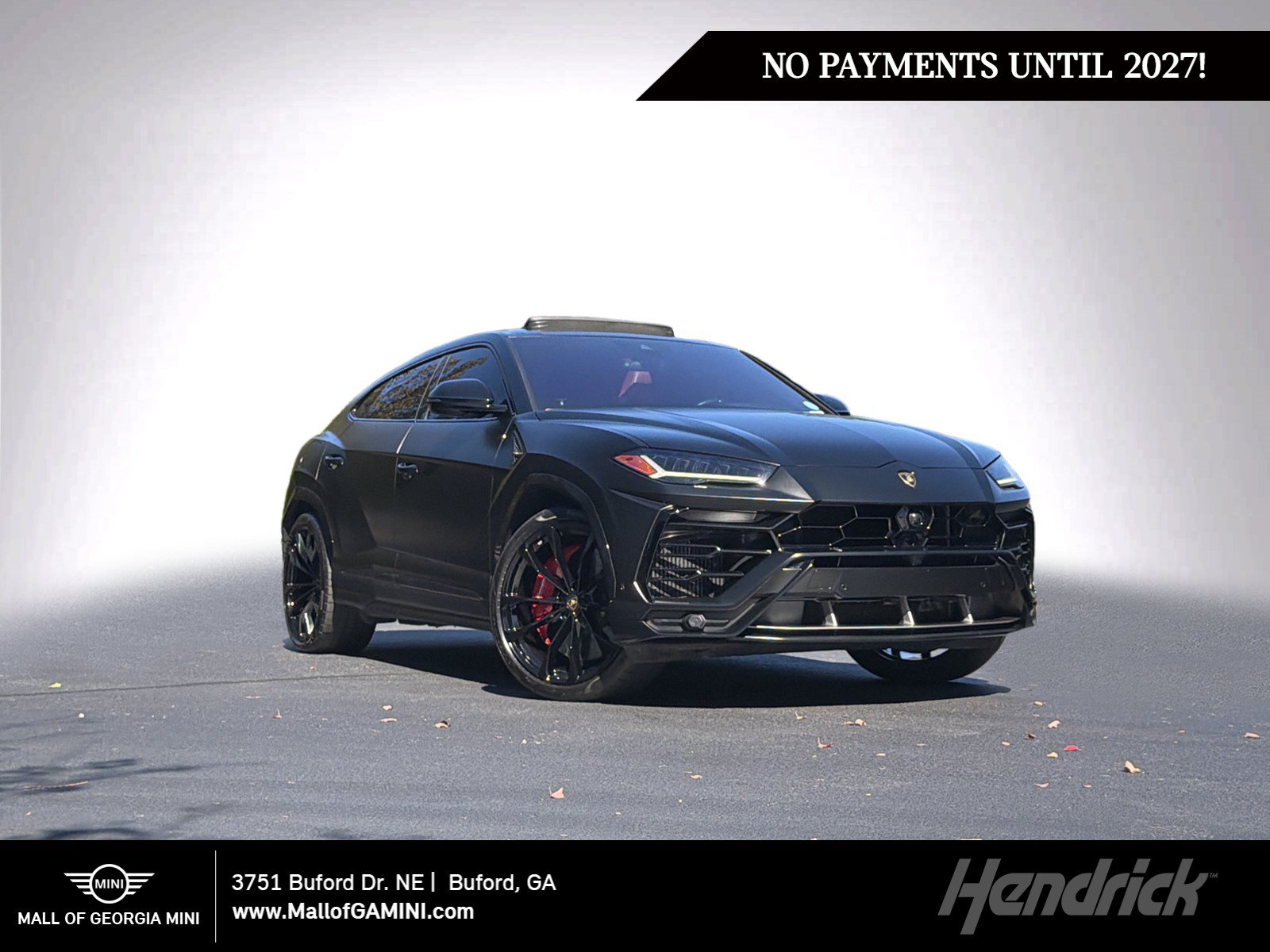
180.449 US$DEALER
180.937 US$
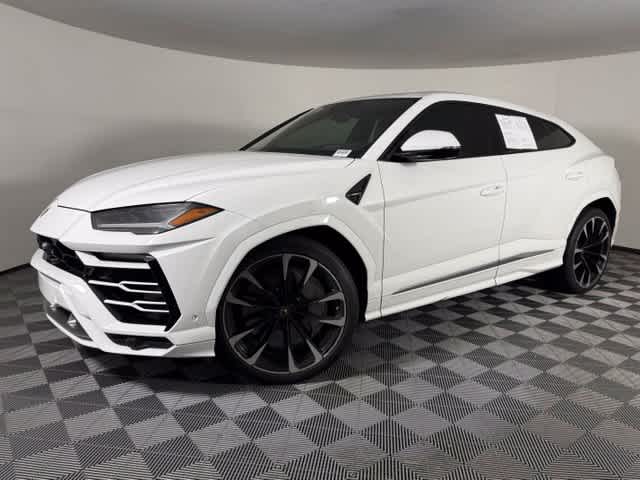
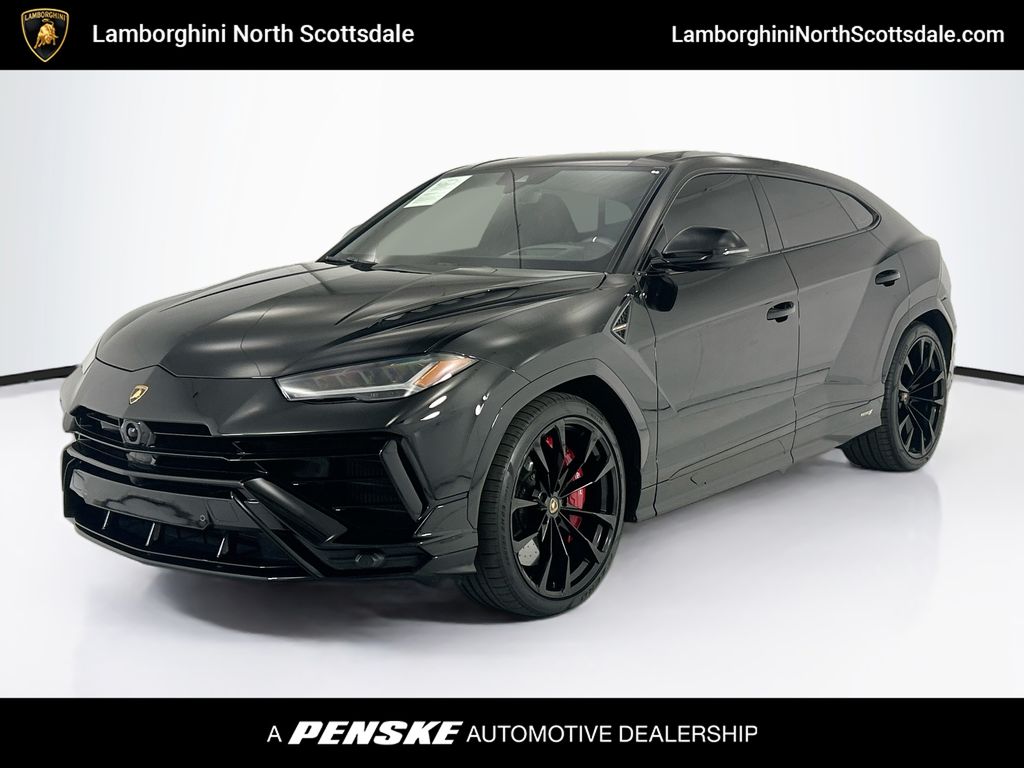
gasoline, automatic, 77K km, SUV, All Wheels Drive, 4,000 cm3, 641 hp, black, Used condition, In stock

HendrickCars.com
 Buford, United States
 Buford, United States
 Main Settlement, United StatesCharlotte, United States
 Greensboro, United StatesGreensboro, United StatesRover, United States
 United States
 United States
 United States
 United States
 United StatesUnited States
 United States
 United States
 United States
 United States
 United States
 United States
 United States
 United States
 United States
 United States
 United States
 United States
 United States
Lamborghini cars embody performance and exclusivity, making them a top choice for enthusiasts and collectors. If you’re considering buying or selling a Lamborghini, understanding the brand’s lineup, generation differences, and market dynamics is essential. This guide covers the practical questions buyers and sellers have, from model variety to pricing and reliability, helping you navigate decisions in cities and countries where Lamborghini is popular.
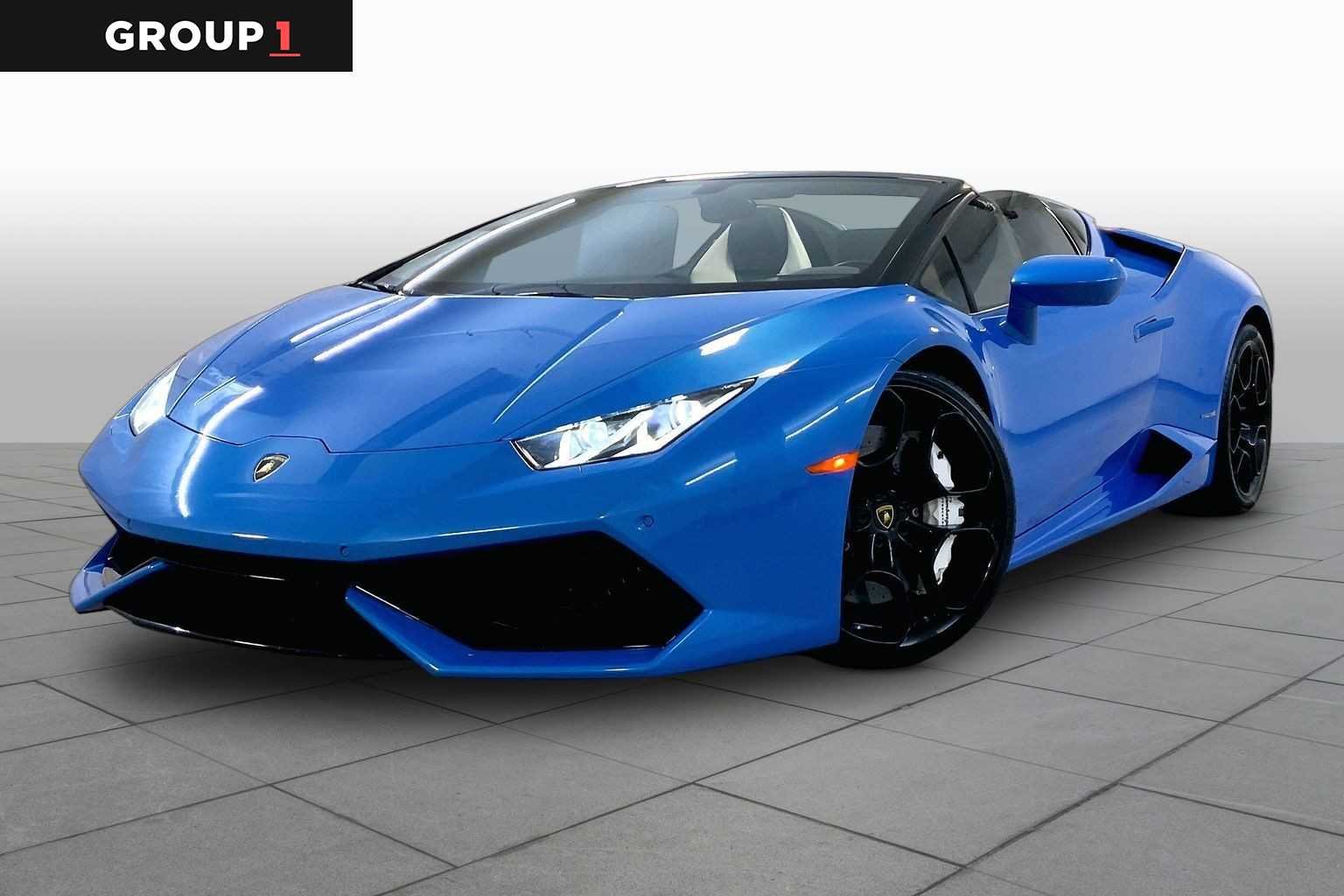
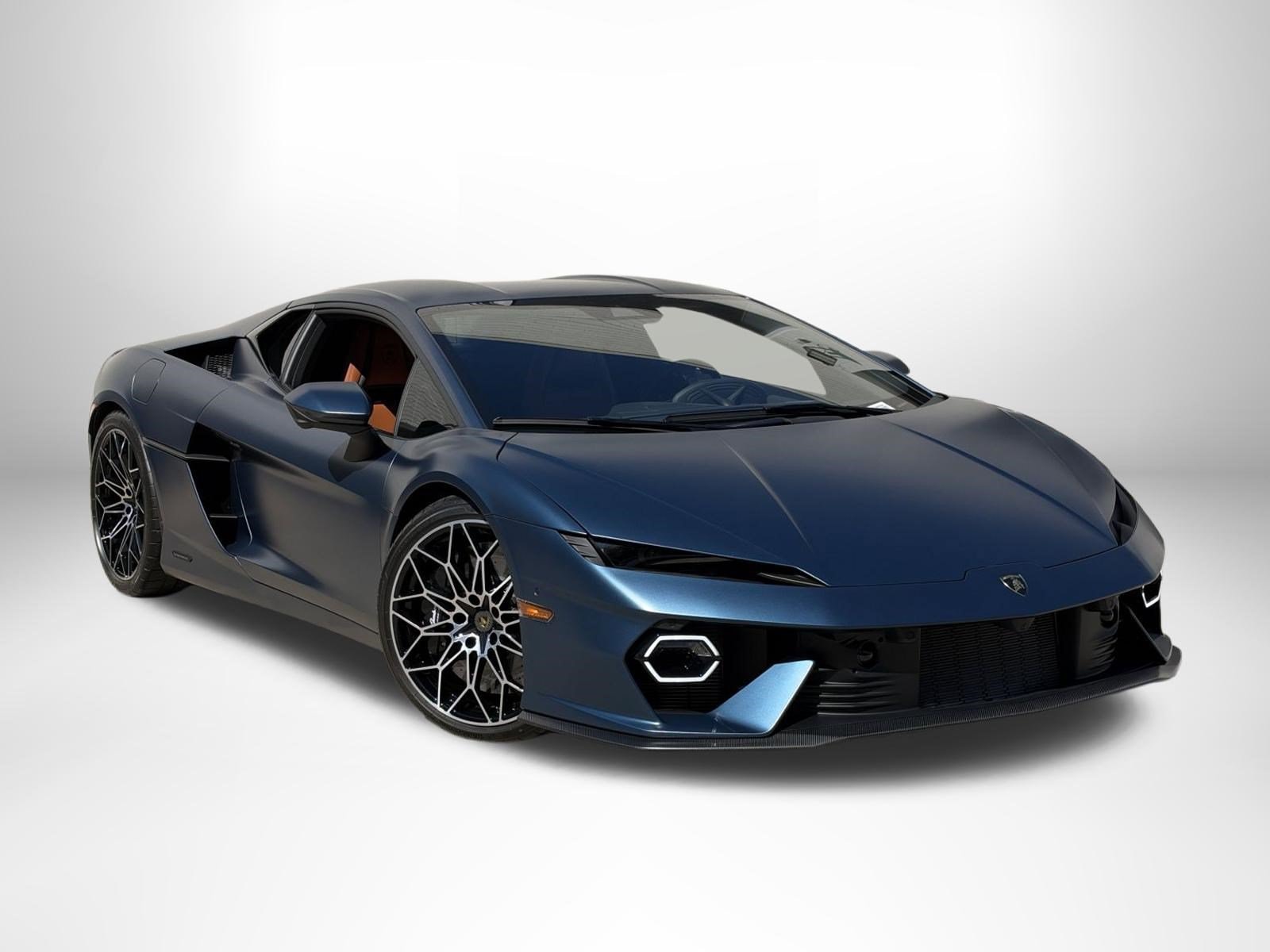
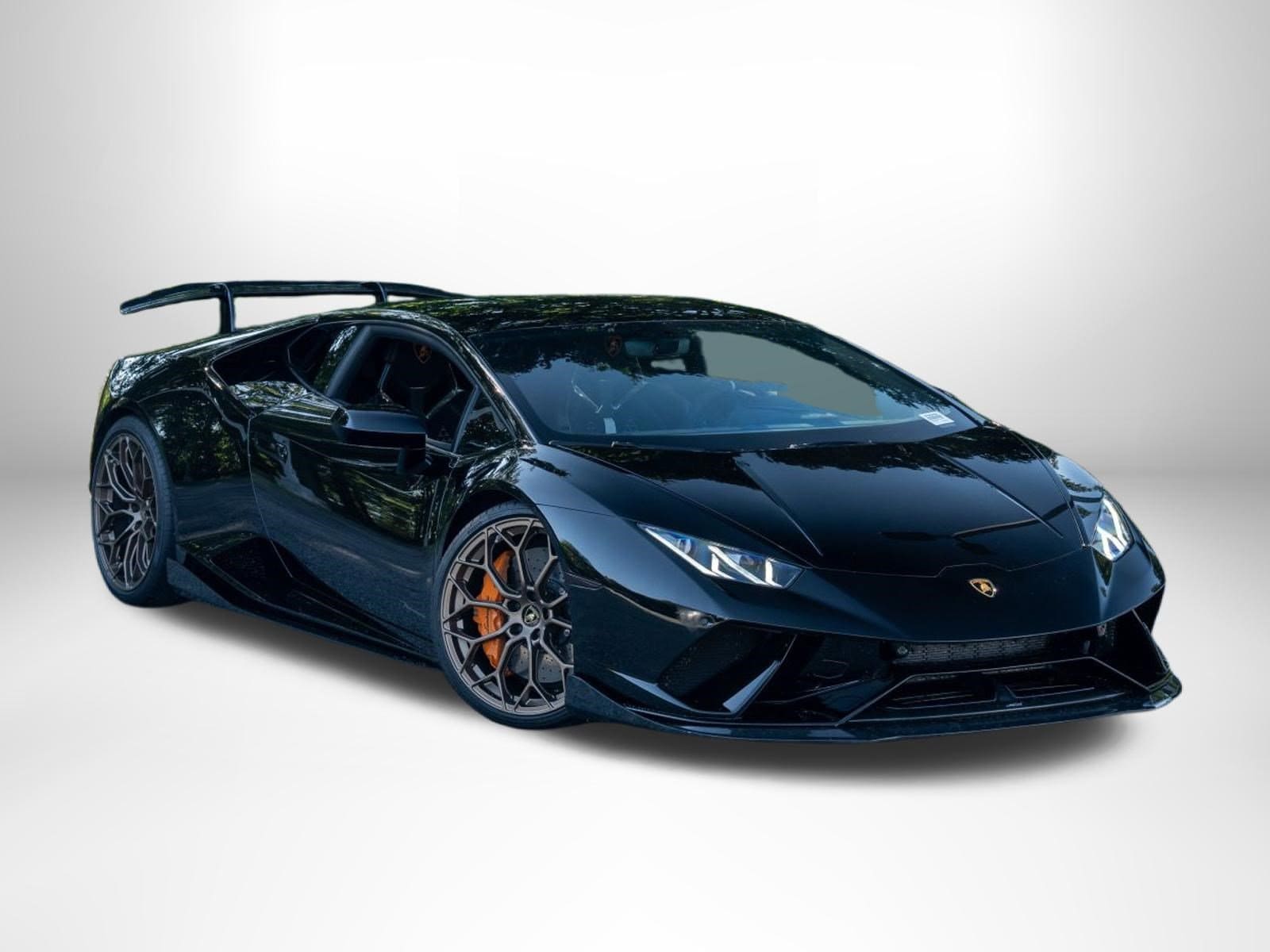
When you start shopping for a Lamborghini, the most important factors are model, generation, and condition. Common questions include which engine and body type to choose, how mileage affects value, and what maintenance costs to expect. Inquiry typically centers on popular models such as Aventador, Huracán, and Gallardo, as well as limited editions that may affect price. For a first-time buyer or a collector, it helps to compare generations within a model line to understand performance upgrades, reliability considerations, and investment potential.
A successful purchase or sale hinges on transparent information and a fair assessment of value. Sellers should prepare service records, proof of ownership, and a recent inspection, especially for high-performance engines and carbon-ceramic brakes. Buyers should assess mechanical condition, accident history, and whether the vehicle has undergone reputable upgrades.
Market dynamics vary by location. In major markets with Lamborghini dealer networks, authorized inspection services and certified pre-owned programs provide added confidence. In other regions, independent inspectors and specialist workshops are crucial to verify mechanical integrity and originality.
Lamborghini ownership blends performance thrills with careful stewardship. Whether you’re buying a younger Huracán or a classic Gallardo, or selling a well-kept unit to a dedicated buyer, thorough due diligence and clear communication are key. By focusing on model differences, mileage realities, and regional market factors, you can make informed decisions that satisfy both practical needs and passion for the marque.
 Add as preferred sourceSee more from zvelta in Google Search Add as preferred source