 EN
ENDEALER
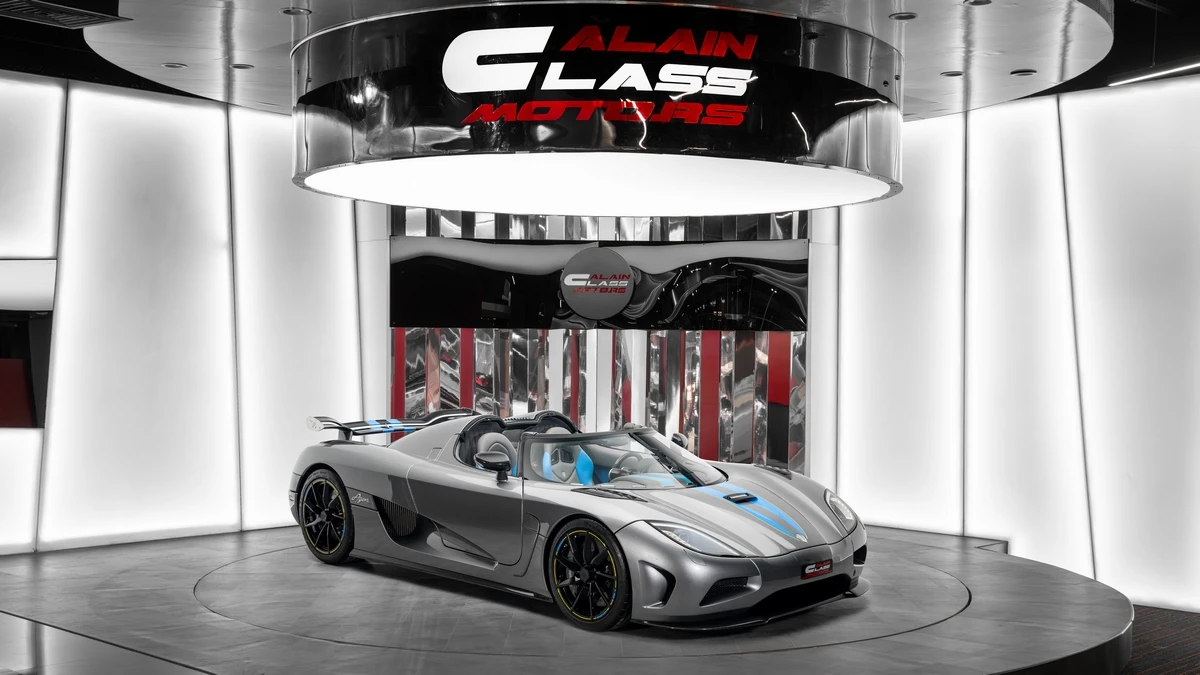
2011, 789 km, 5,000 cm3, 960 hp, grey, 5.0L V8

AlAinClass.com
 United Arab Emirates, Dubai
 United Arab Emirates, Dubai
When you search for a Koenigsegg Agera, you’re stepping into a rare segment of hypercars where engineering meets exclusivity. This guide covers how to buy or sell a Koenigsegg Agera, including considerations for different generations, fuel choices, body styles, and regional market nuances in key cities around the world. Whether you yearn for the Agera R, the One:1-inspired performance, or an earlier Agera model, knowing what to expect helps you make a smarter decision.
The Agera family is built around extreme speed and meticulous craftsmanship. Key generation details influence value, maintenance, and driving experience. When evaluating a Koenigsegg Agera, buyers typically consider:
Sellers should also be aware of provenance, service history, and any documented upgrades or one-off features.
When you’re evaluating Koenigsegg Agera options in your city, these questions help guide the decision:
In many markets, a well-documented history, with recent maintenance, tire data, and factory updates, adds confidence for both buyer and seller. For collectors, rarer configurations, limited editions, and low-mileage examples command premium pricing.
Koenigsegg Agera prices fluctuate with mileage, condition, and rarity of the model. A well-preserved Agera R or a special edition can command a premium, while higher-mileage cars require careful pricing to remain competitive. Prospective buyers should look for consistent service support and clear ownership records, as these factors influence both perceived value and resale potential.
If you’re evaluating options in specific cities, consult local enthusiast communities and dealer networks to understand demand patterns, typical negotiation ranges, and available service expertise. A carefully chosen Koenigsegg Agera can deliver a unique blend of exclusivity and performance, whether you’re purchasing for your collection or seeking a high-impact vehicle for weekend drives.
 Add as preferred sourceSee more from zvelta in Google Search Add as preferred source