 EN
ENDEALER

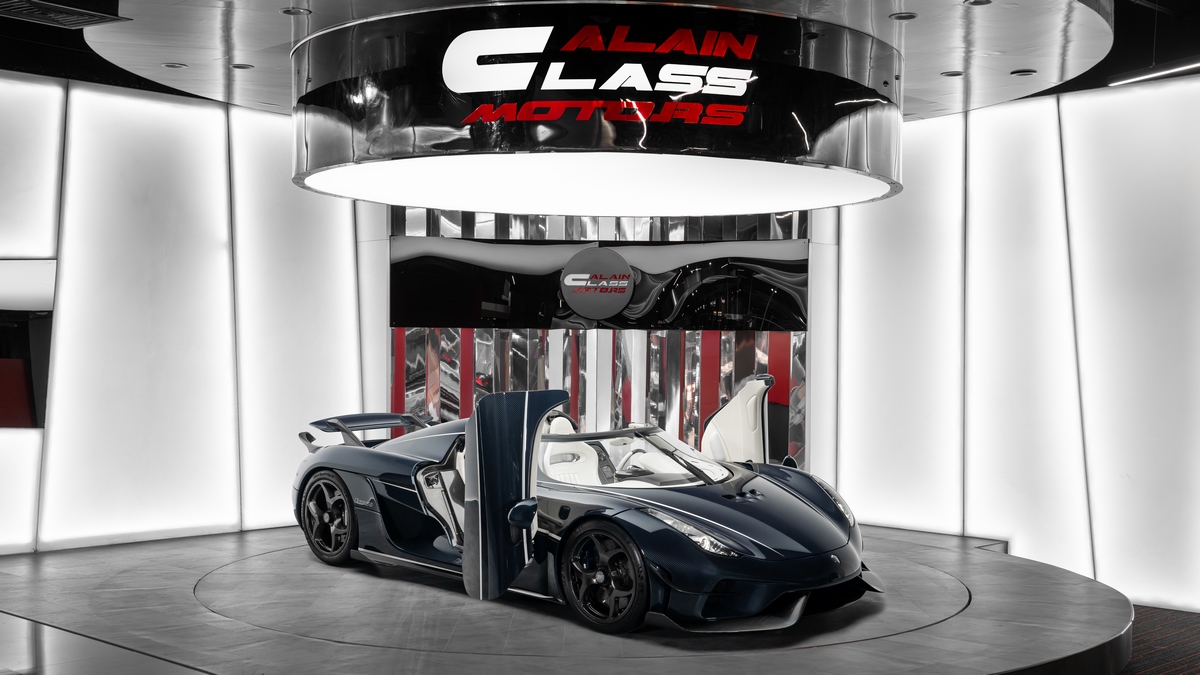
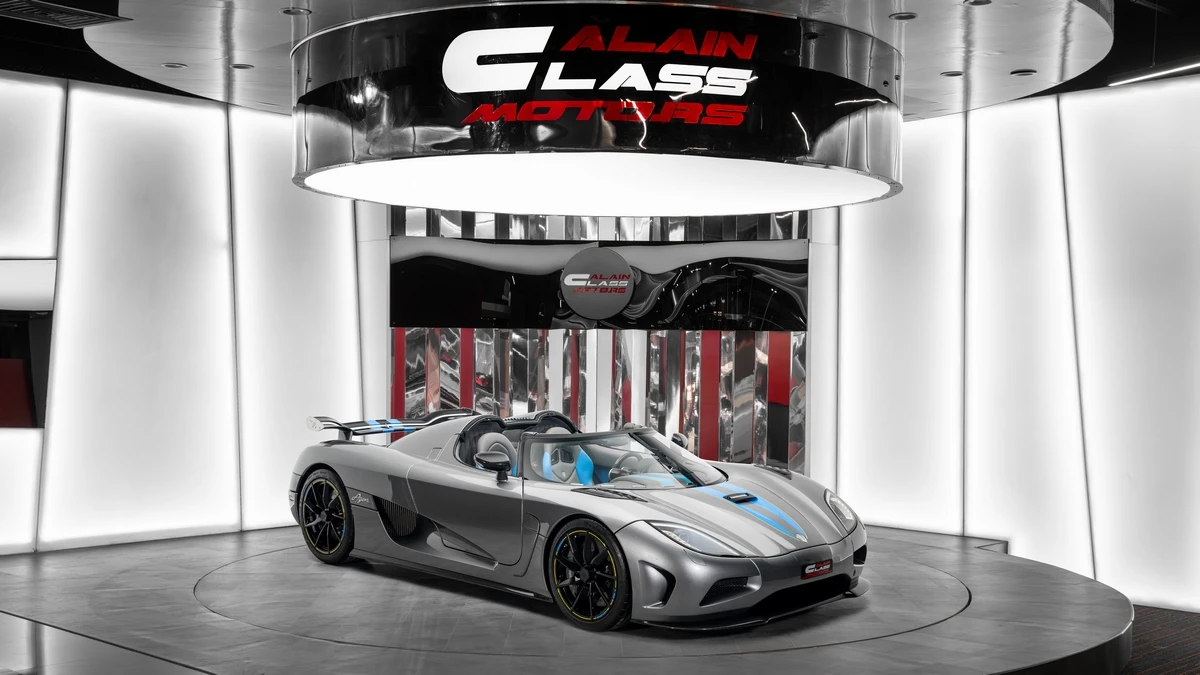
gasoline, automatic, 800 km, cabriolet, 1500 hp, yellow, Middle east

VipMotors.ae
 United Arab Emirates, Dubai
 United Arab Emirates, Dubai
 United Arab Emirates, DubaiUnited Arab Emirates, Dubai
Koenigsegg is a name that evokes extreme performance, exquisite design, and a rare sense of exclusivity. If you’re considering buying or selling a Koenigsegg, you’re not just entering a marketplace; you’re stepping into a world where engineering meets art. This guide focuses on Koenigsegg models, generations, and the practical details that matter to drivers, collectors, and enthusiasts alike. From the latest hypercars to historic variants, we walk through what to look for in terms of fuel type, body style, year, mileage, and price segment.
Koenigsegg has produced several generations of hypercars, each with unique characteristics. Whether you’re eyeing the modern Agera, Regera, or Jesko, or exploring older CC or CCR editions, knowing the generation helps you assess performance, reliability, and maintenance costs. Common considerations include engine layout, turbocharging or hybrid systems, and carbon-fiber construction. When buying, consider how the vehicle’s generation influences parts availability and resale value.
Buying a Koenigsegg in countries with a strong automotive market can come with high price segments, but a well-documented car with low mileage may hold value well. Be prepared for ongoing maintenance costs and the potential need for specialized service centers.
Valuation depends heavily on model, generation, mileage, and condition. Limited editions or unique configurations can command premium prices, while higher-mileage examples may be more challenging to move. If you’re selling, gather service history, proof of provenance, and high-quality photos. Highlight key features such as turbo or hybrid powertrains, carbon fiber construction, and any bespoke options.
While Koenigseggs are built in small numbers, they attract buyers worldwide. Set realistic expectations based on the model, year, and mileage, and consider working with specialists or auction houses that understand high-end hypercars.
When choosing between generations or models, think about intended use. Track-focused cars may prioritize power delivery and aerodynamics, while road cars emphasize comfort and drivability. Consider fuel type (petrol or hybrid) and how that aligns with your ownership plans, including maintenance accessibility. A thoughtful comparison helps you select a Koenigsegg that fits your passion and budget.
 Add as preferred sourceSee more from zvelta in Google Search Add as preferred source