 EN
EN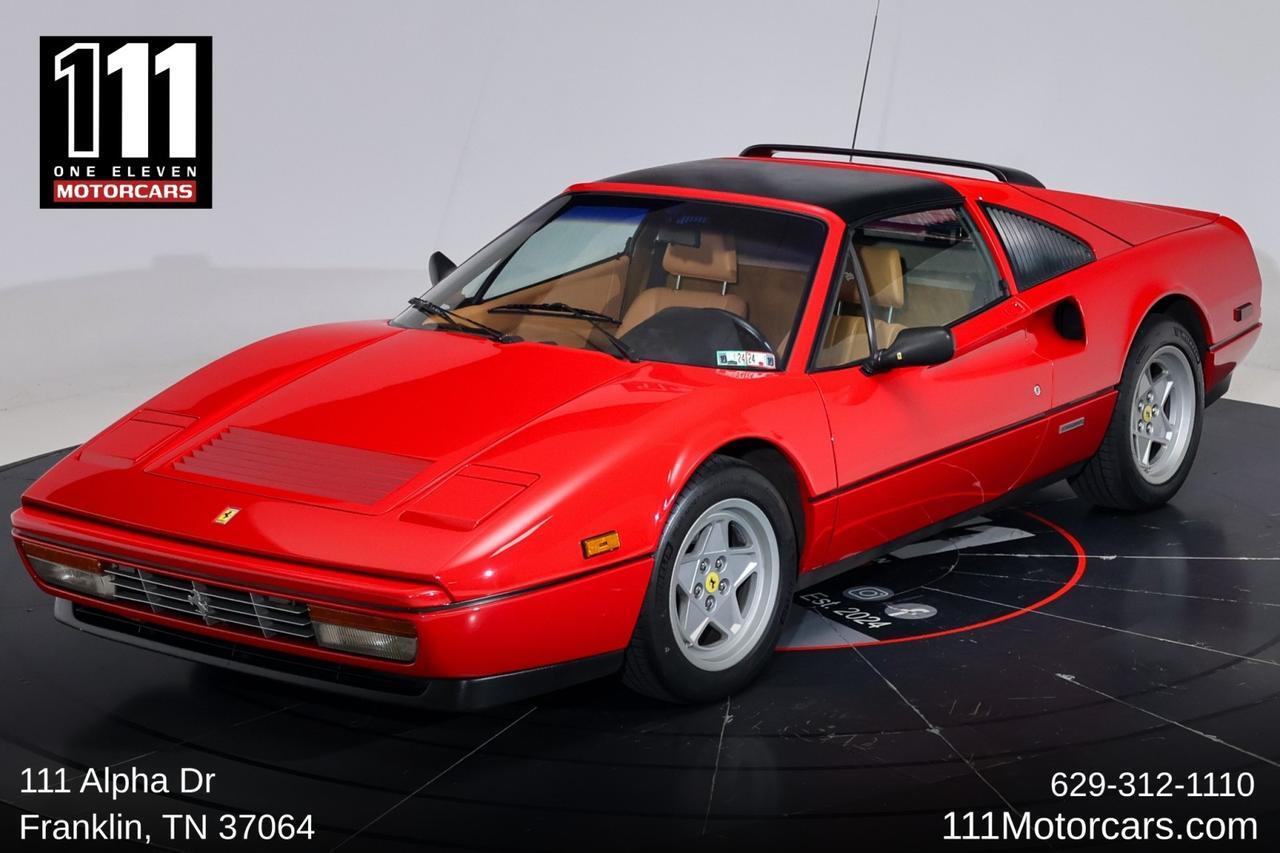
119.981 US$
manual, 95K km, coupe, red, Used condition, Europa

111motorcars.com
 Franklin, United States
 Franklin, United States
When you’re eyeing a Ferrari 328, you’re stepping into a classic era of performance and design. This guide helps buyers and sellers in key markets understand what to look for, from model variants to maintenance costs, so you can make a confident decision whether you’re eyeing a showroom-ready specimen or planning a use-friendly collector car purchase.
The Ferrari 328 is a V8-powered two-seater with timeless styling and a focus on driving purity. Known for its mid- to late-1980s production, the 328 benefited from updates that refined handling and reliability over its predecessor, the 308. When evaluating a Ferrari 328, consider the specific generation and condition, as mileage, service history, and originality significantly impact value in markets with strong collector communities. Prospective buyers should look at body type (targa or coupe variants), interior condition, and whether the car retains factory fittings and trim.
Prices for a Ferrari 328 vary by country, city, and local collector demand. Typical considerations include:
In major automotive hubs, buyers often compare several cars to gauge how well each one aligns with their goals—whether a weekend driver with a few hundred miles a year or a more ambitious collector car intended for occasional shows.
If you’re selling, providing a transparent history and a clean service log can help you reach the right buyers in your region, often improving offers and reducing negotiation time. For buyers, consider arranging a pre-purchase inspection with a specialist who understands classic Ferraris to assess condition and potential upcoming maintenance costs.
Buying or selling a Ferrari 328 is a balance between passion and practicality. With careful evaluation of the model’s generation, mileage, and provenance, you can find a match that delivers the driving thrill and enduring value collectors seek.
 Add as preferred sourceSee more from zvelta in Google Search Add as preferred source