
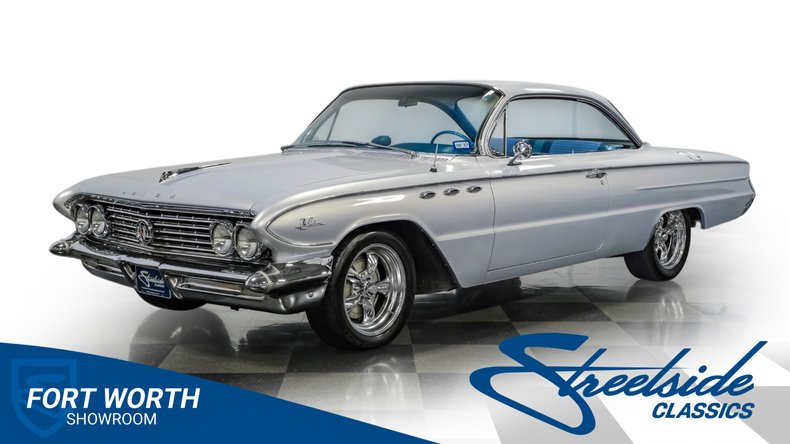
When you’re in the market for a Buick LeSabre, the goal is simple: find a well-maintained car that fits your budget and daily needs. Whether you’re a first-time buyer or upgrading from another model, understanding the LeSabre’s generations, body styles, and typical price ranges helps you make a smarter choice. This guide covers what to look for, common questions, and practical tips for buying or selling in different cities and regions.
Buick LeSabre generations and body styles
The LeSabre has a long-standing reputation for comfort and straightforward leadership in its class. Most buyers focus on the fourth generation (mid-1980s to early 1990s) and later generations, which feature more refined suspensions, updated interiors, and a choice of sedans with traditional rear-wheel drive layouts. When evaluating a specific car, compare the body type (typically a 4-door sedan), year of manufacture, and mileage. Commonly discussed specs include engine choices, transmission type, and fuel type—gasoline being the standard, with occasional variants offering different tuning for smoother highway cruising.
What to check when buying or selling a Buick LeSabre
- Condition and mileage: Expect higher wear on older models. Sellers should provide a full maintenance history and documentation for major work like the engine, transmission, and suspension.
- Price range by year and market: Expect a broad spread in pricing depending on country, city, mileage, and cosmetic condition. In regions with strong classic-car interest, well-preserved models can fetch premium prices; otherwise, prices align with typical mid-size sedans of their era.
- Mechanical reliability: LeSabres are known for durable V6 engines and straightforward mechanicals. Ensure the timing belt/chain, cooling system, and brakes are in good shape. A test drive is essential to assess transmission behavior and steering feel.
- Interior and comfort: Check seating wear, climate control functionality, and reliability of power features. A clean interior with intact gauges can be a strong selling point.
How to evaluate price, fuel, and maintenance
- Fuel type and economy: Most LeSabres run on gasoline with fair highway mileage for their generation. If you’re in a city with higher fuel costs, negotiating based on expected maintenance expenses and fuel economy can help.
- Mileage indicators: High miles aren’t necessarily a deal-breaker if the car has been well maintained and has solid service records.
- Price segments: Expect variations across regions and years. Budget-conscious buyers should compare several examples within a reasonable mileage band, while collectors may seek pristine examples.
Practical steps for buyers and sellers
- Do your homework: Gather service records, inspection reports, and a vehicle history report. For sellers, organizing documents ahead of time can speed up the process.
- Inspect common problem areas: suspension wear, exhaust condition, and rust-prone spots around the body panels. A professional inspection can save unexpected costs after purchase.
- Negotiate with a plan: Base your offer on the car’s condition, maintenance history, and the local market. For sellers, be prepared to justify your asking price with facts.
Final thoughts
Buying or selling a Buick LeSabre means balancing nostalgia and practicality. By focusing on the generation, mileage, and overall condition, you can find a LeSabre that meets your needs. Whether you’re browsing in a major city or a quieter town, clear expectations and due diligence help you reach a fair and satisfying deal.