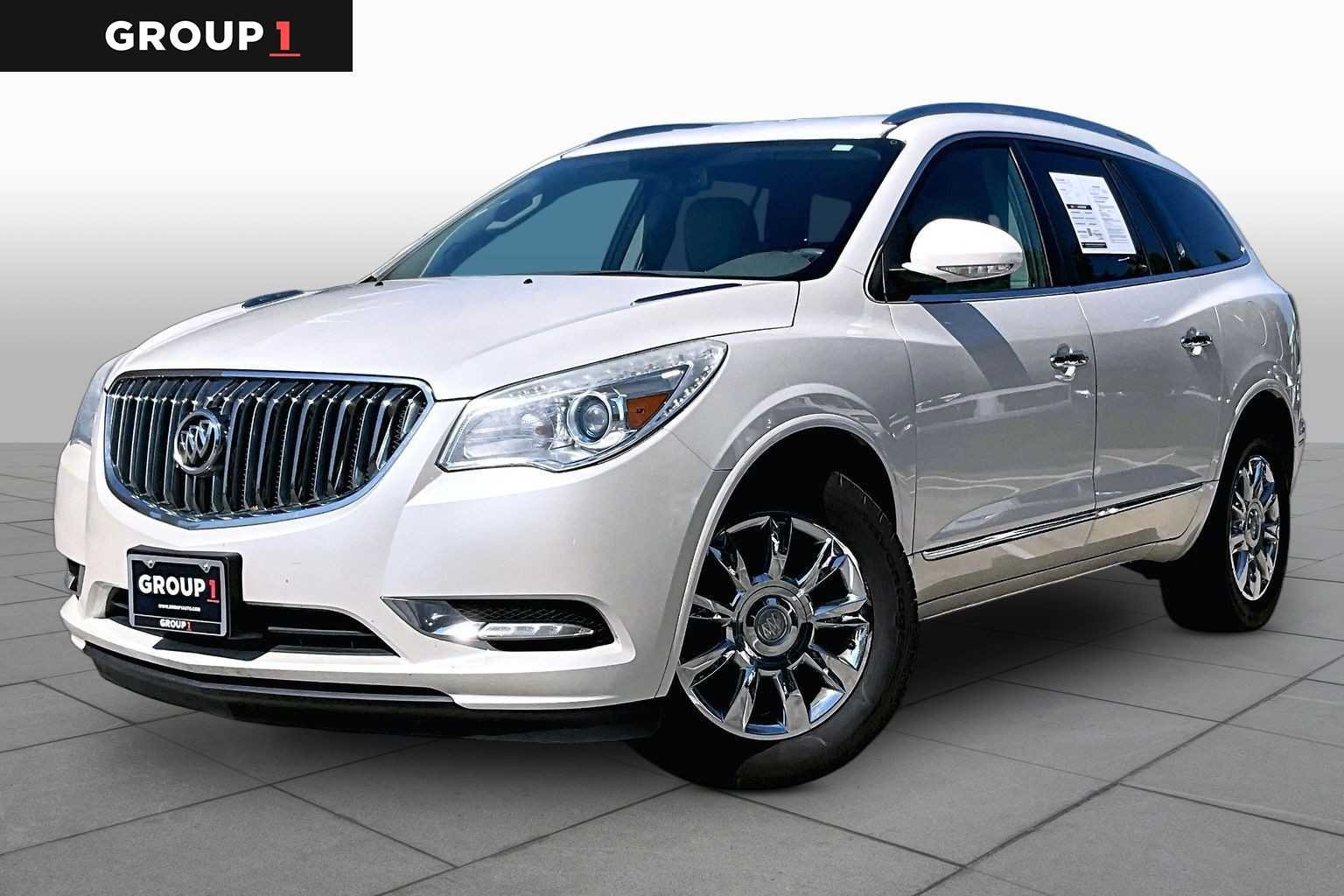
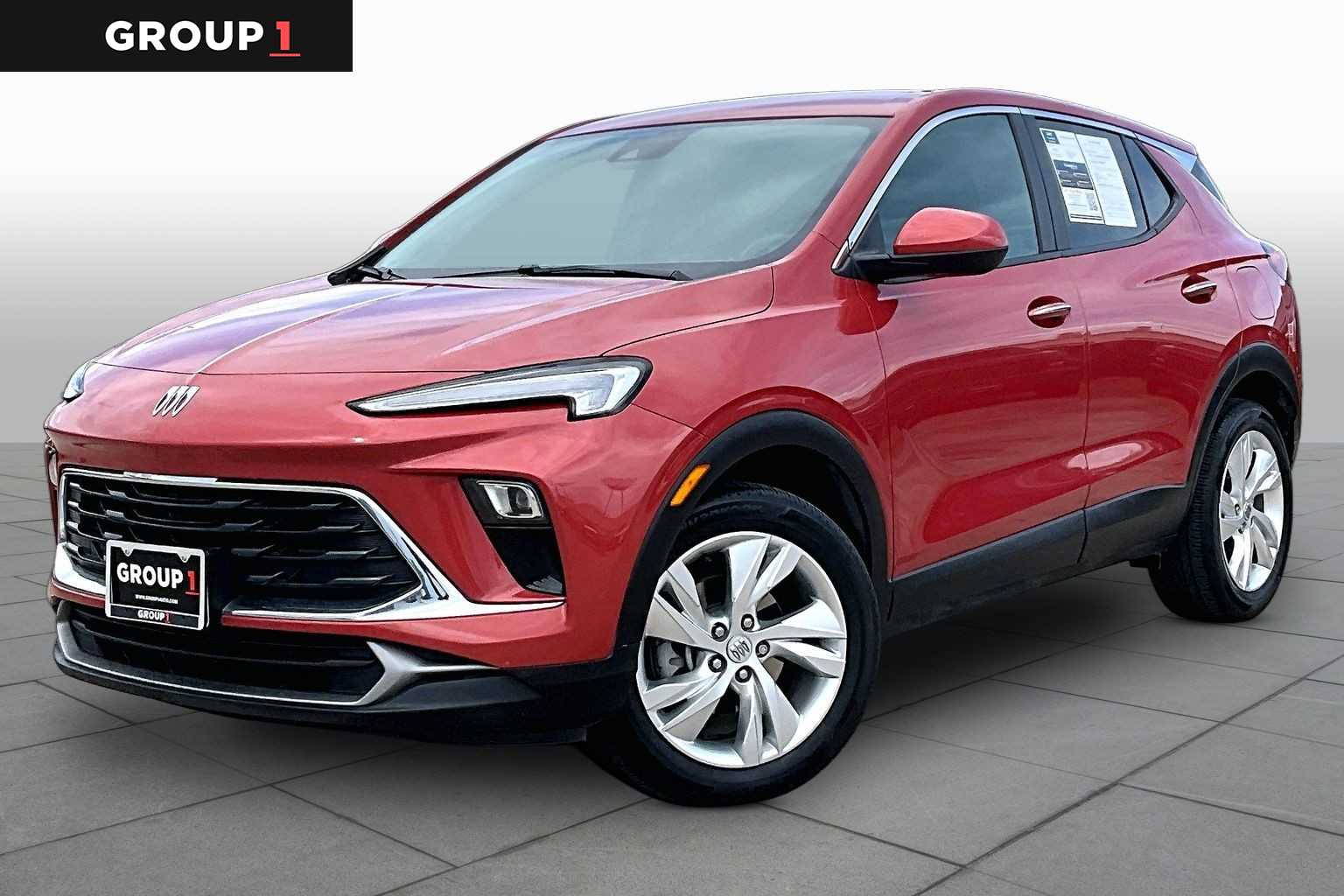
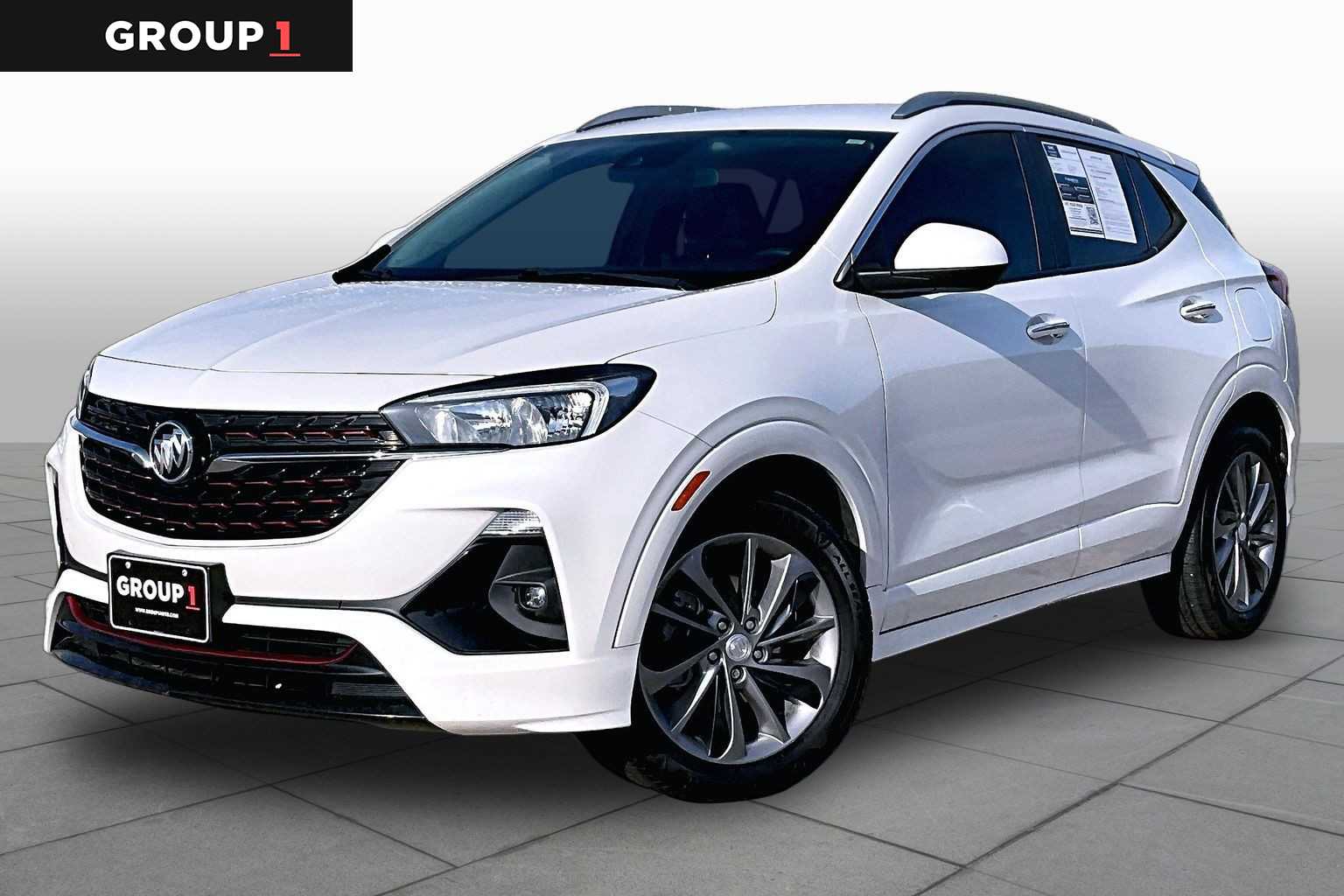
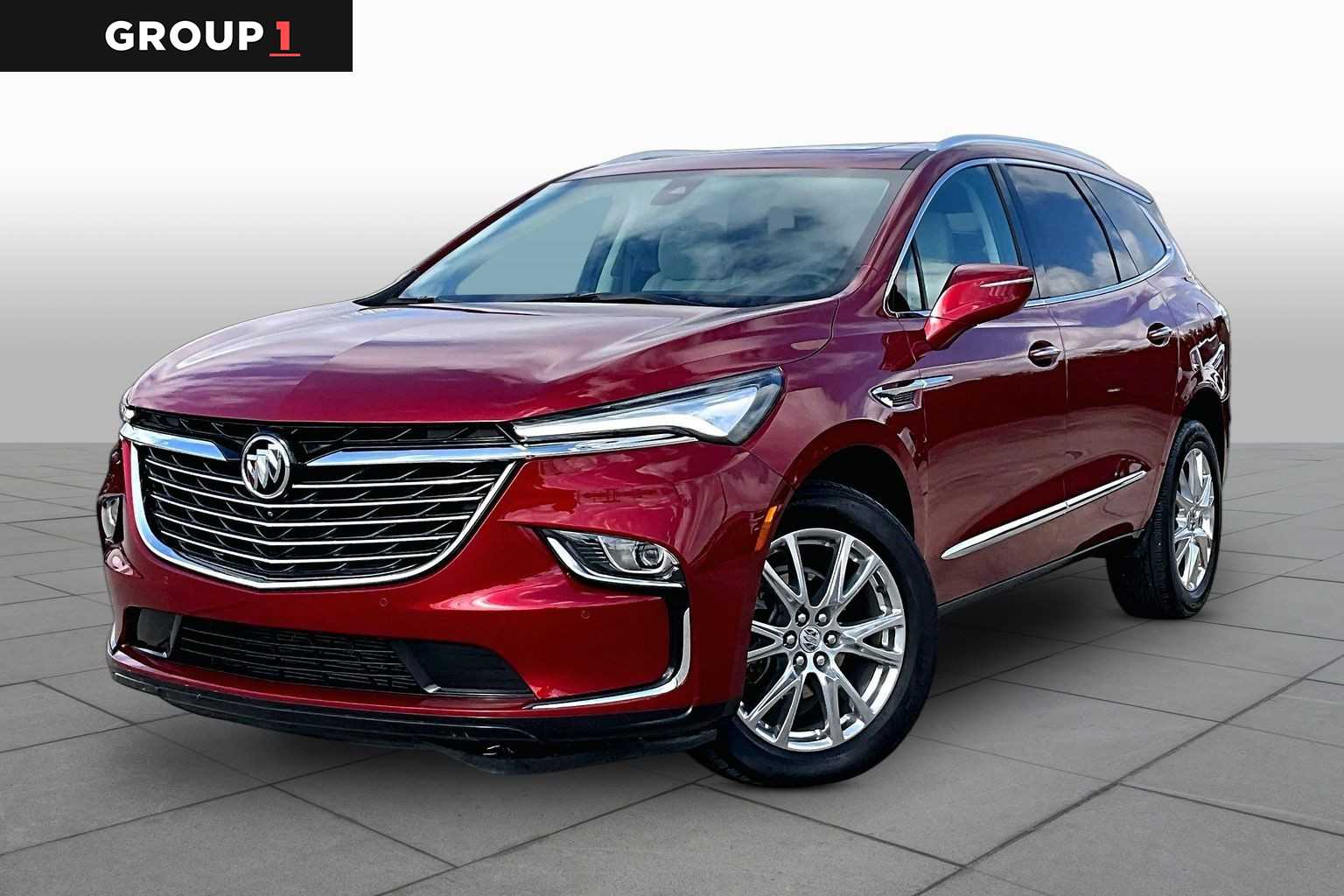
 EN
ENDEALER
23.307 US$DEALER
23.509 US$
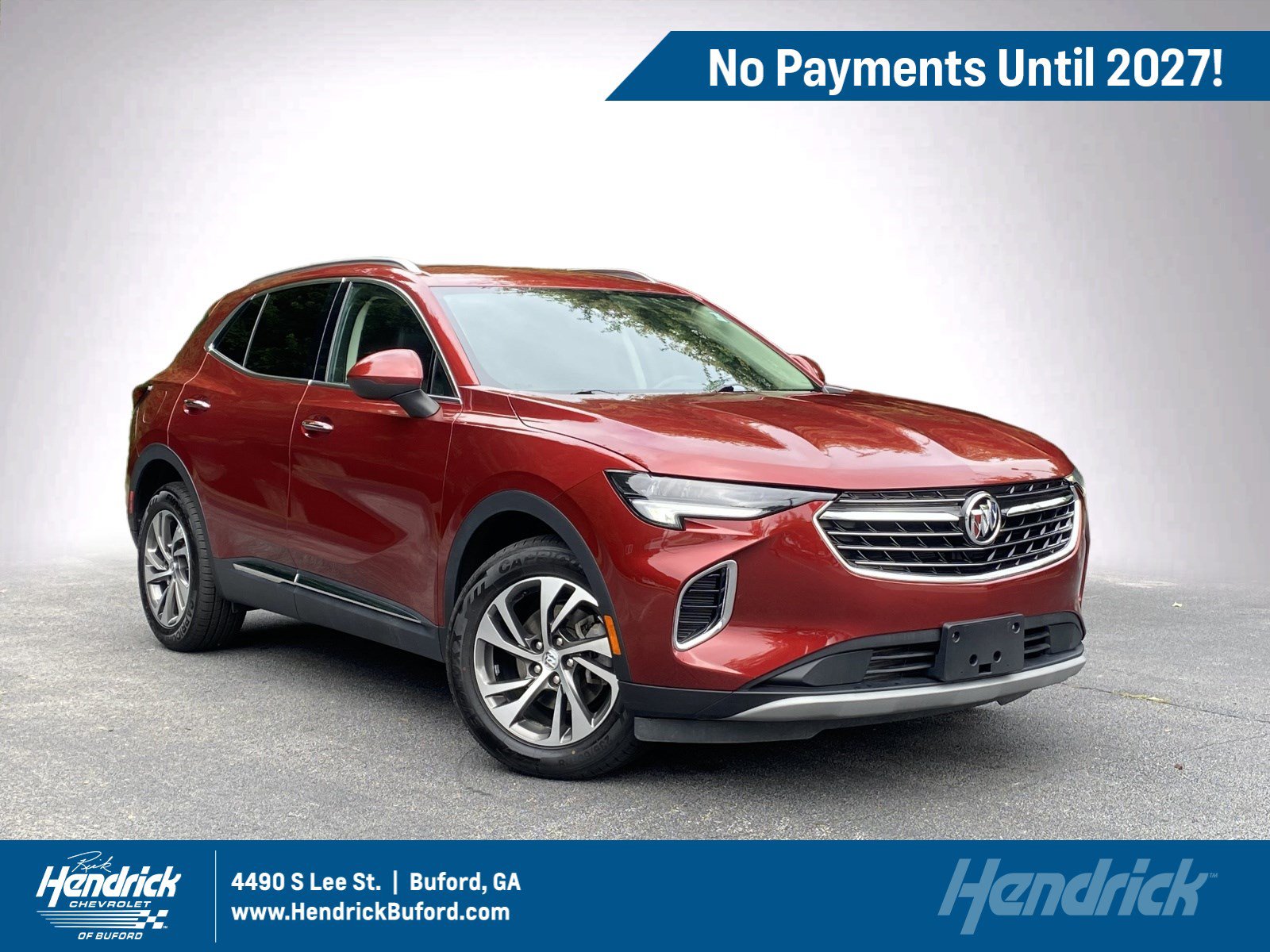
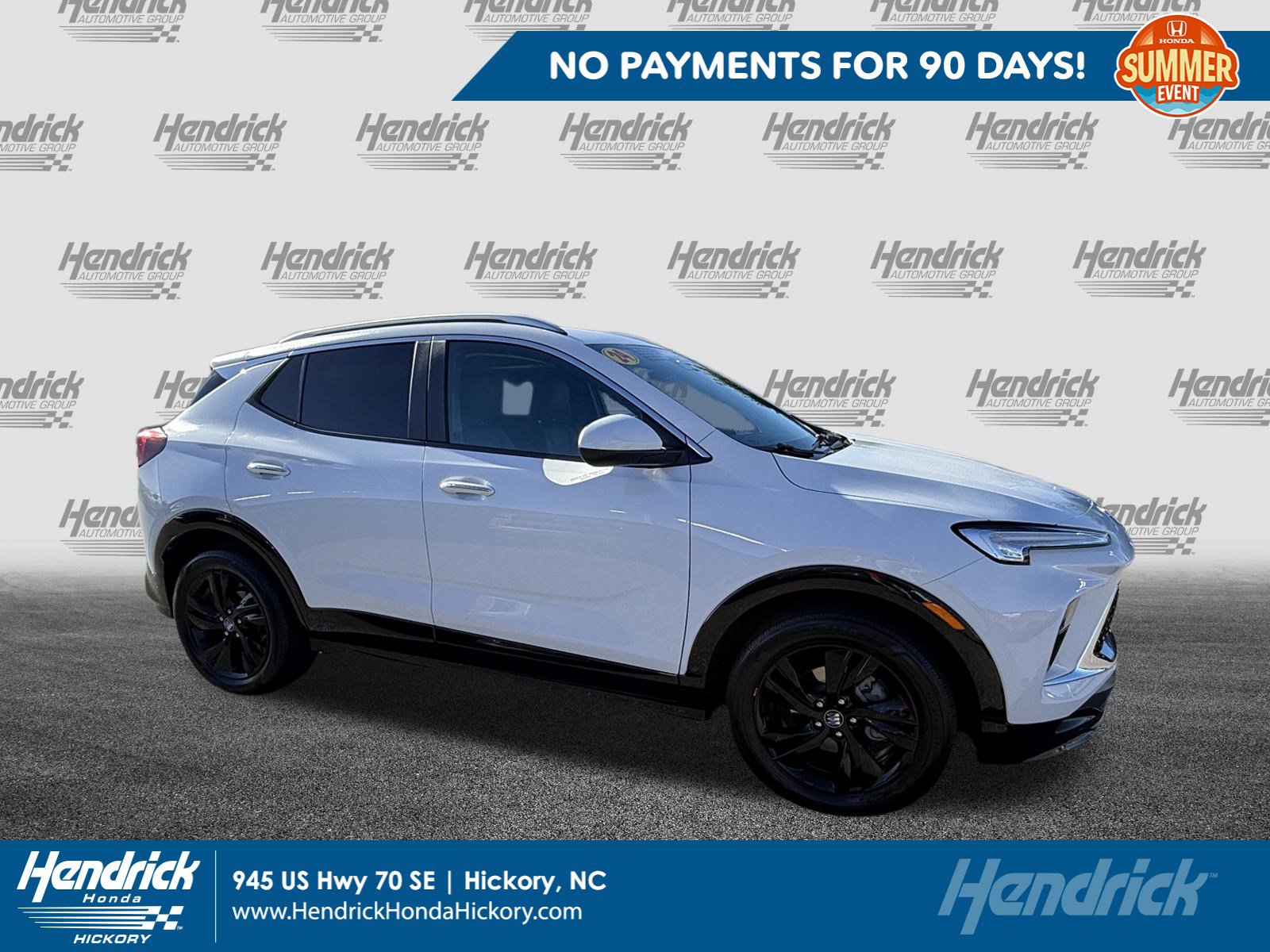
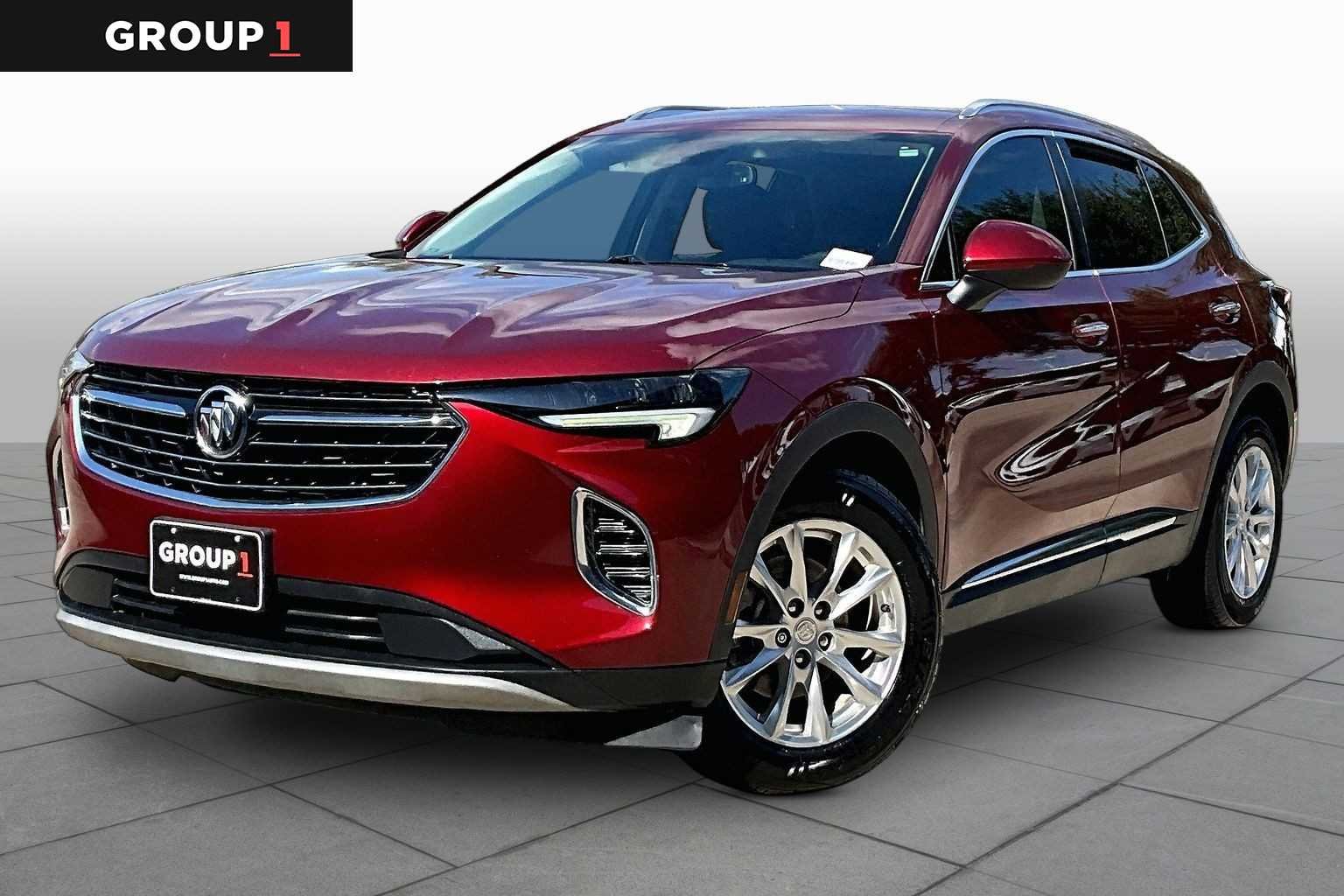
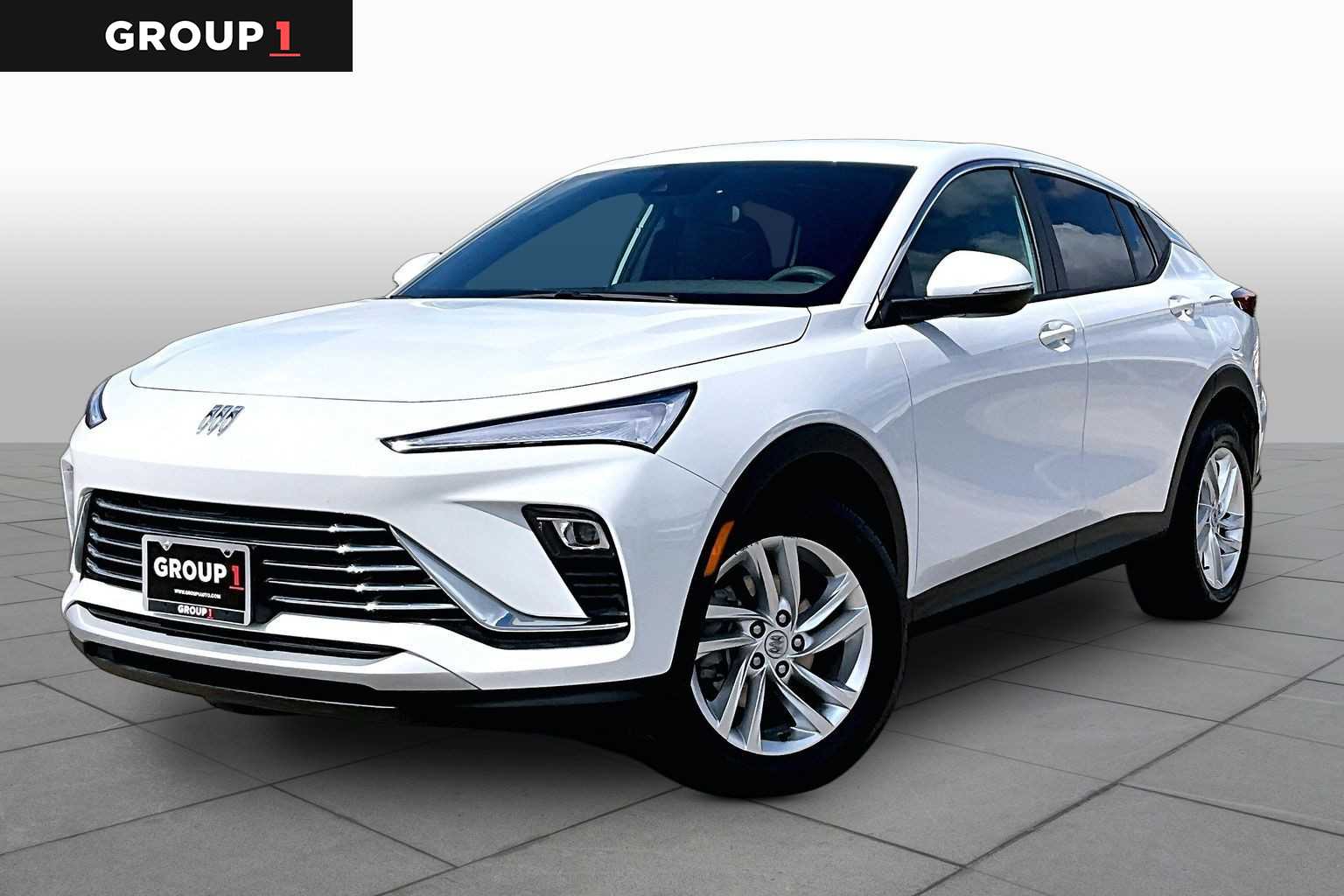
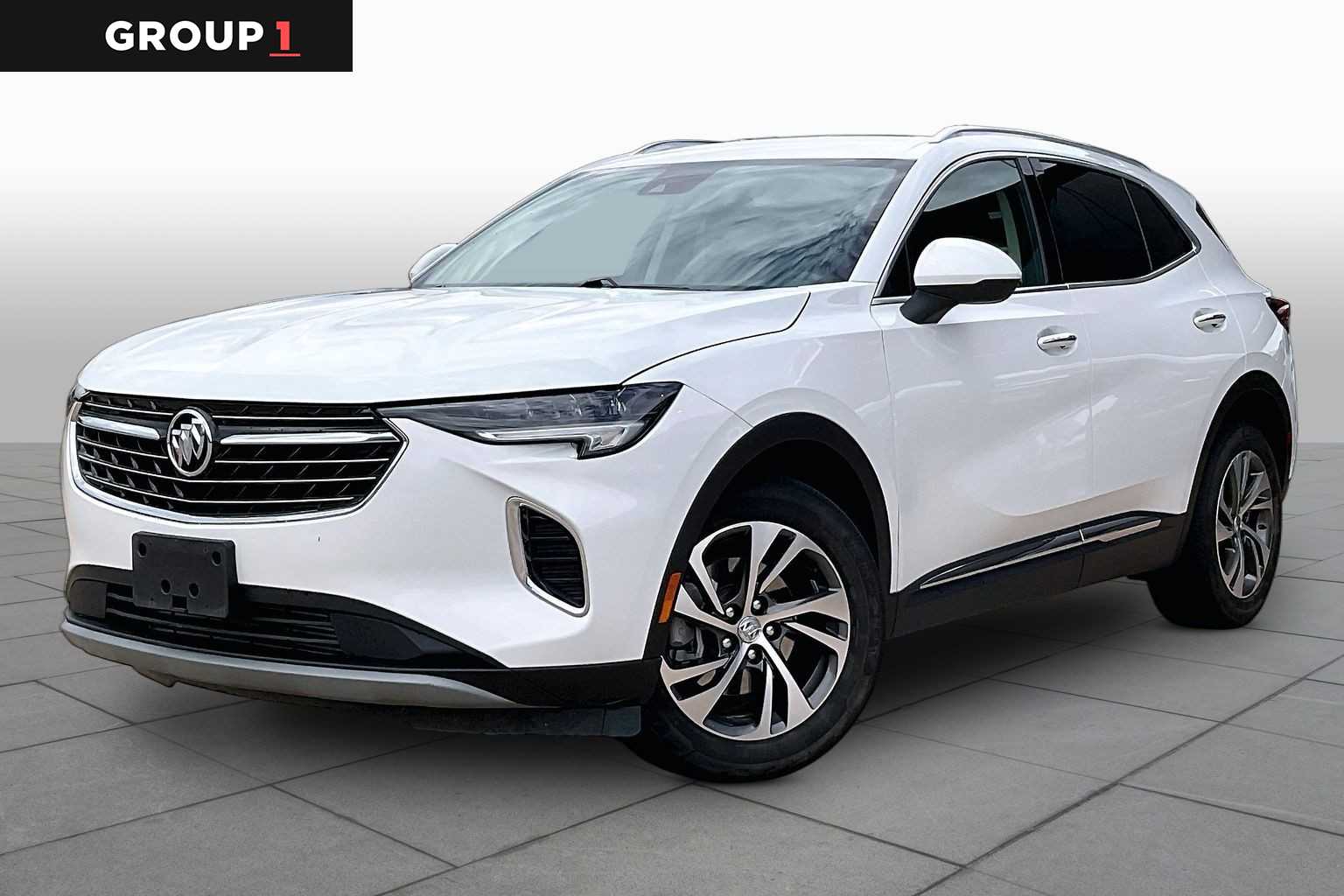
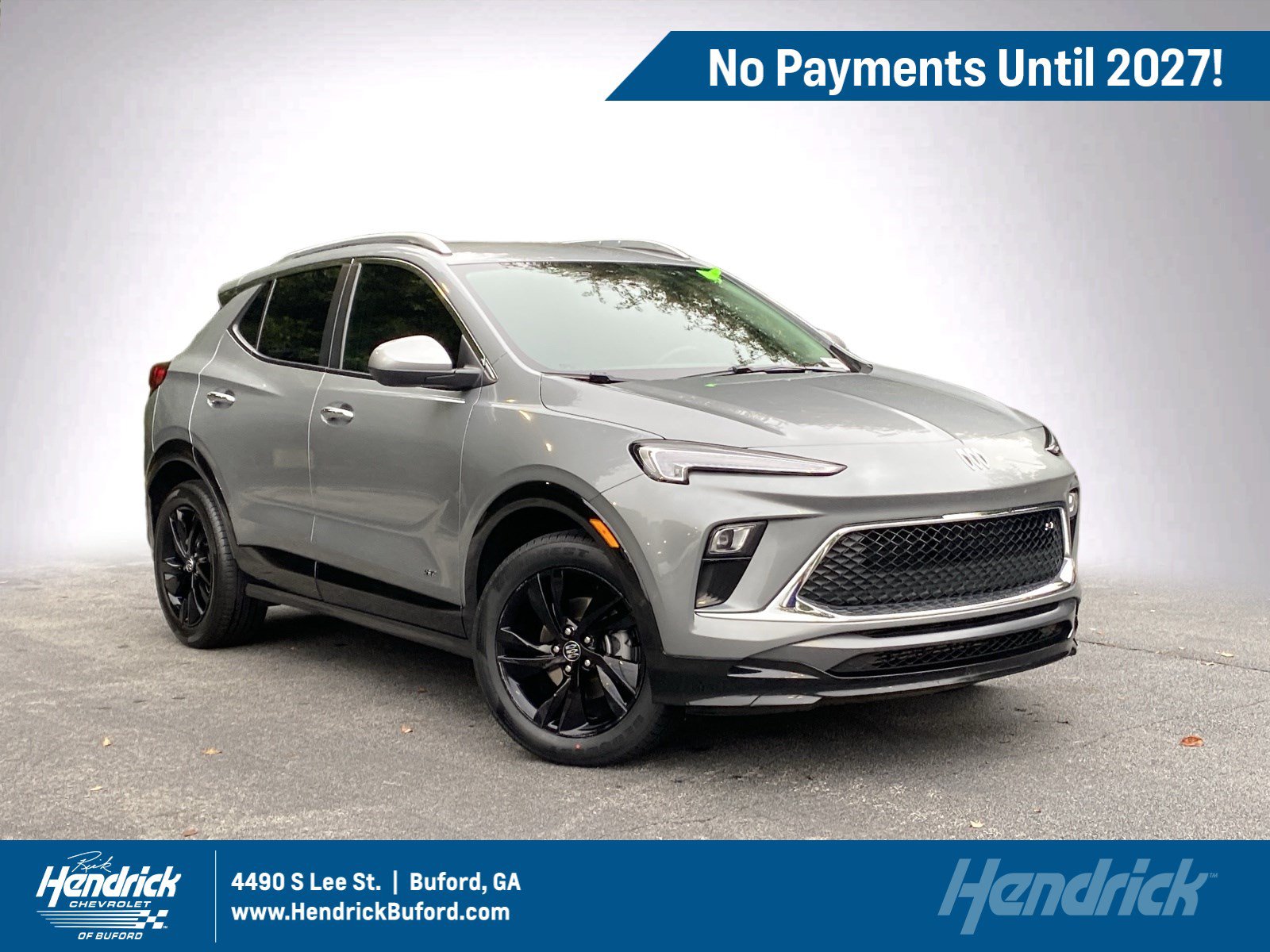
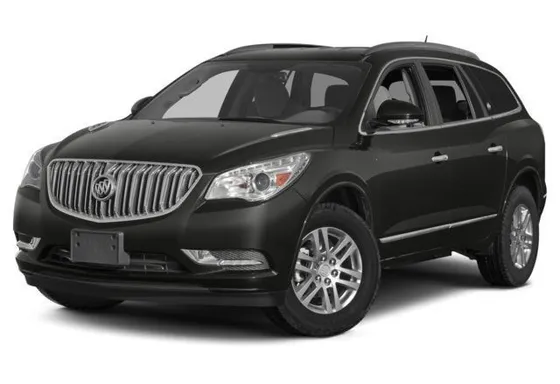
gasoline, automatic, 67K km, SUV, Front Wheels Drive, 1,300 cm3, 155 hp, grey, Sport Touring, Used condition, South Korea, In stock

HendrickCars.com
 Buford, United States
 Buford, United StatesBuford, United StatesHickory, United States
 Brentwood, United States
 Southwest, United StatesSouthwest, United StatesSouthwest, United StatesSouthwest, United StatesSouthwest, United StatesSouthwest, United StatesOrlando, United StatesChevrolet, United StatesChevrolet, United States
 Chevrolet, United StatesChevrolet, United States
 Chevrolet, United StatesChevrolet, United StatesChevrolet, United StatesLot, United StatesLot, United StatesTrade, United States
 Austin, United States
 Austin, United StatesMain Settlement, United StatesMain Settlement, United States
If you are shopping Buick, the smartest first step is not chasing the cheapest listing. It is deciding which kind of Buick buyer you are. Some people want a calm, comfortable daily driver with a tidy history and sensible mileage. Others are open to an older or less common Buick if the condition, documents, and seller story make sense. That distinction matters, because Buick listings can look similar at a glance while hiding very different ownership realities.
A good Buick shortlist usually comes together faster when you group cars by purpose rather than by emotion. Ask yourself whether you want an easy everyday car, a roomy family option, or a more characterful choice that may require patience. When you browse used Buick cars for sale, compare each offer against that role. A clean, well-described listing with consistent photos, maintenance notes, and a believable ownership story is often worth more attention than a flashier car with vague details.
This is where buyers lose time: they compare every Buick against every other Buick, even when the cars clearly belong in different conversations. A seller offering a straightforward commuter car should not be judged by the same standards as a seller advertising a niche, older, or unusually specified example. If you treat them as the same, you either overpay for average stock or overlook the Buick that actually fits your priorities.
In some searches, Buick can look plentiful enough that buyers become lazy. They save ten similar offers, promise themselves they will inspect them later, and end up comparing nothing properly. A better method is to eliminate weak listings early. If the ad has poor photos, no useful description, no mention of service history, and no clear explanation for visible wear, move on unless the price is low enough to justify the uncertainty.
Look closely at how the seller presents the car. A solid Buick listing usually answers basic questions before you ask: recent maintenance, title status, mileage, number of owners if known, and whether any repairs or faults need attention. A thin listing is not always a bad car, but it often means more work for you. And if the seller cannot communicate clearly in the ad, that can continue when you try to arrange an inspection.
One less obvious clue: watch for listings that lean heavily on comfort language but avoid specifics. Buick often attracts buyers who care about quiet cruising, soft ride quality, and relaxed ownership. That makes sense. But “runs great” and “very comfortable” are not substitutes for useful details. Ask what has actually been serviced, whether warning lights are present, whether the transmission behavior is smooth when cold and warm, and whether the car has spent long periods sitting unused. A comfort-focused car that has been neglected can still feel pleasant on a short test drive, which is exactly why you should ask sharper questions before you go.
A strong Buick offer often comes from a seller who is direct rather than overly enthusiastic. You want someone who can explain why they are selling, how long they have had the car, where it has been serviced, and what still needs attention. If the answers change between messages and the viewing, treat that as a warning. The car may still be fine, but the listing is already costing you confidence.
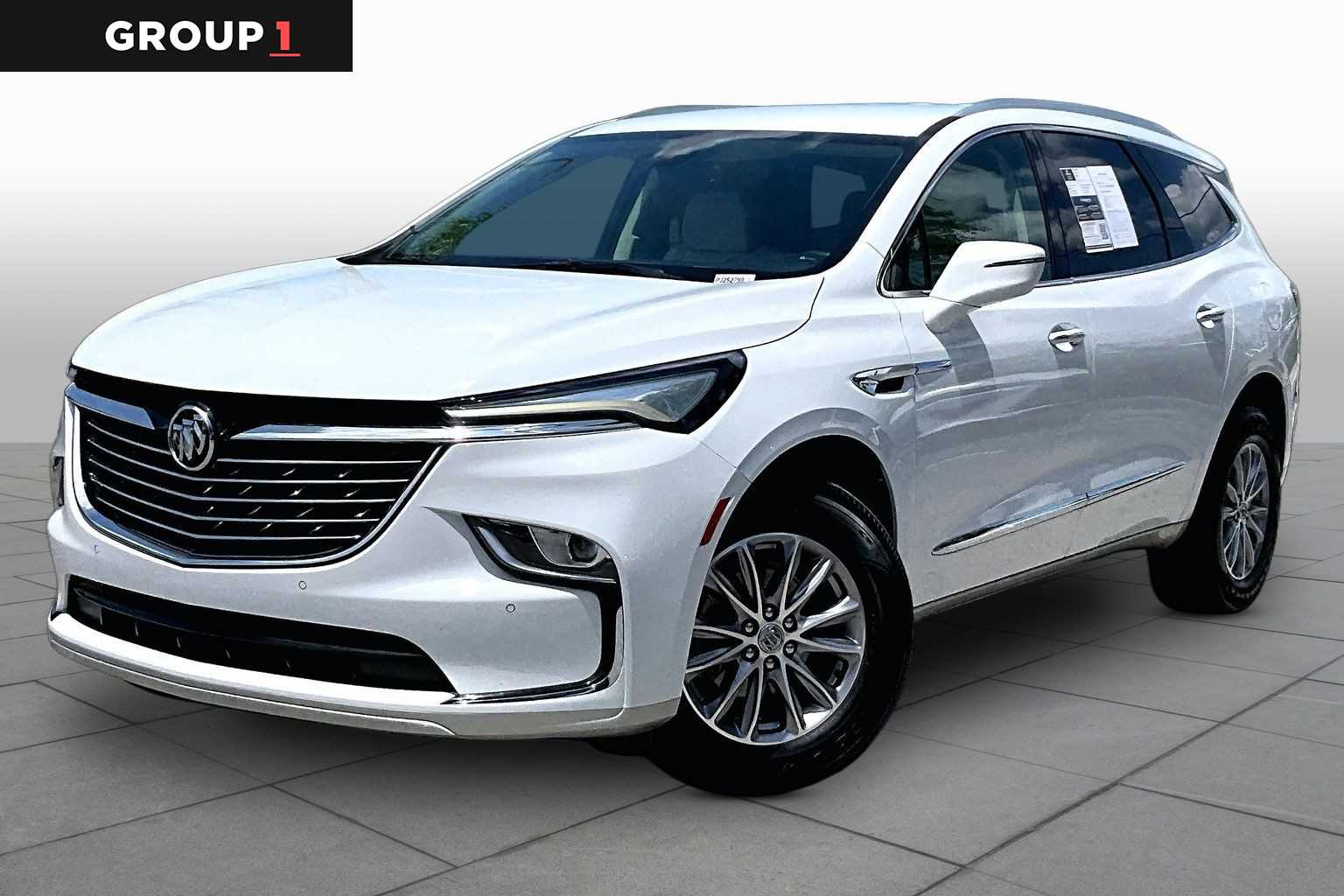
Before you contact a seller, zoom in on the photos. Check panel gaps, wheel condition, seat wear, dashboard warning lights, tire brand consistency, and whether the engine bay looks merely cleaned or suspiciously dressed for photos. Compare the stated mileage with the wear you can see on the steering wheel, pedals, and driver seat. None of these clues proves anything alone, but together they help you decide whether a Buick is worth the trip.
There is also a useful market habit to remember with Buick: many buyers focus so hard on model, year, and price that they forget to compare ownership style. Two similar Buicks can feel like different cars if one came from a careful long-term owner and the other has passed through quick resales with little documentation. In classifieds, paperwork quality and seller consistency often tell you more than polished phrases ever will.
Instead of sending a generic “Is it available?” message, ask a short set of questions that forces clarity. Has the Buick had any recent maintenance? Are there any warning lights or known faults? Is the mileage documented in service records or inspection paperwork? Has anything been repainted or repaired after damage? Are there two keys, owner manuals, or invoices? A serious seller should be able to answer most of that without drama.
If the answers are evasive, do not talk yourself into visiting anyway just because the photos look good. Buick is the kind of brand where a tidy, honestly represented car can be very satisfying, but a vague one can waste your time quickly. The point is not to find a perfect listing. It is to find an offer where the condition, history, price logic, and seller behavior all line up well enough to justify the next step.
The best Buick listing is rarely the one with the loudest wording. It is the one that makes comparison easy. You should be able to understand what the car is, how it has been used, what has been maintained, and where the uncertainties are. When you compare Buick offers this way, weak listings fall away fast, and the stronger ones become obvious.
So as you review new and used Buick cars for sale, do not aim for maximum choice. Aim for cleaner decisions. Build a shortlist of cars with believable histories, consistent presentation, and sellers who answer like owners rather than marketers. That is usually how you avoid weak offers and end up viewing the Buick that is actually worth buying.
 Add as preferred sourceSee more from zvelta in Google Search Add as preferred source