 EN
ENDEALER
42.564 US$DEALER
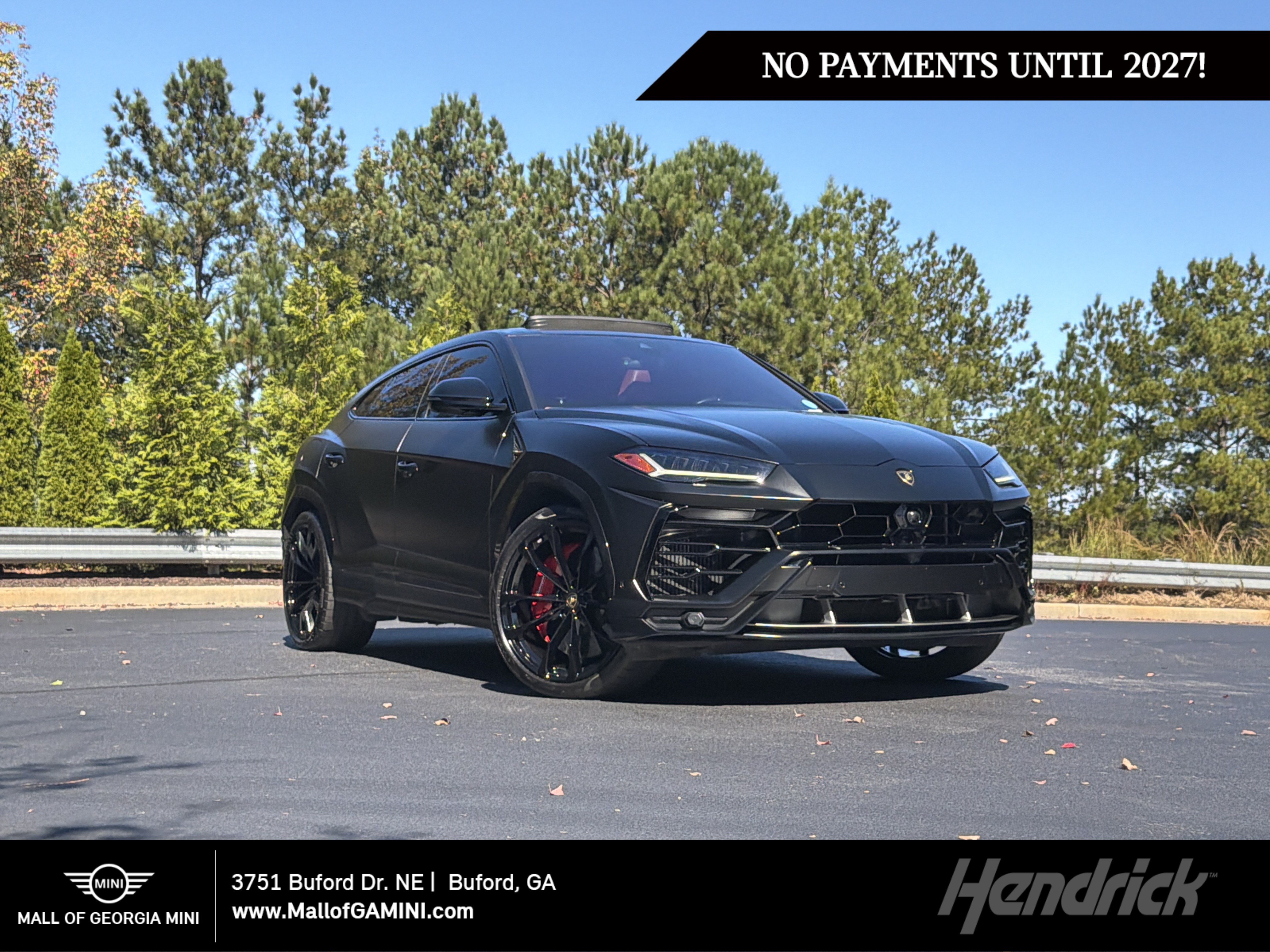
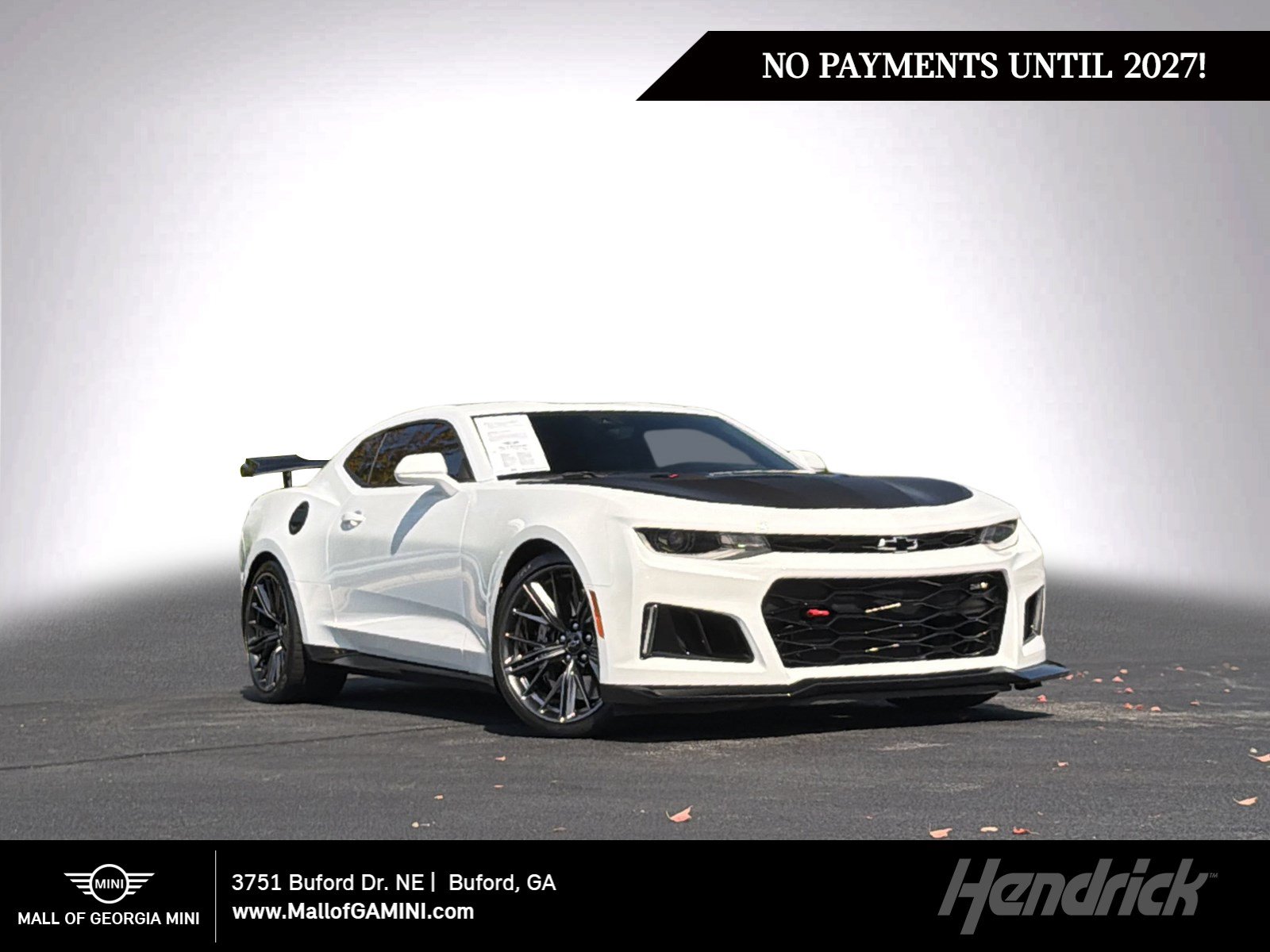
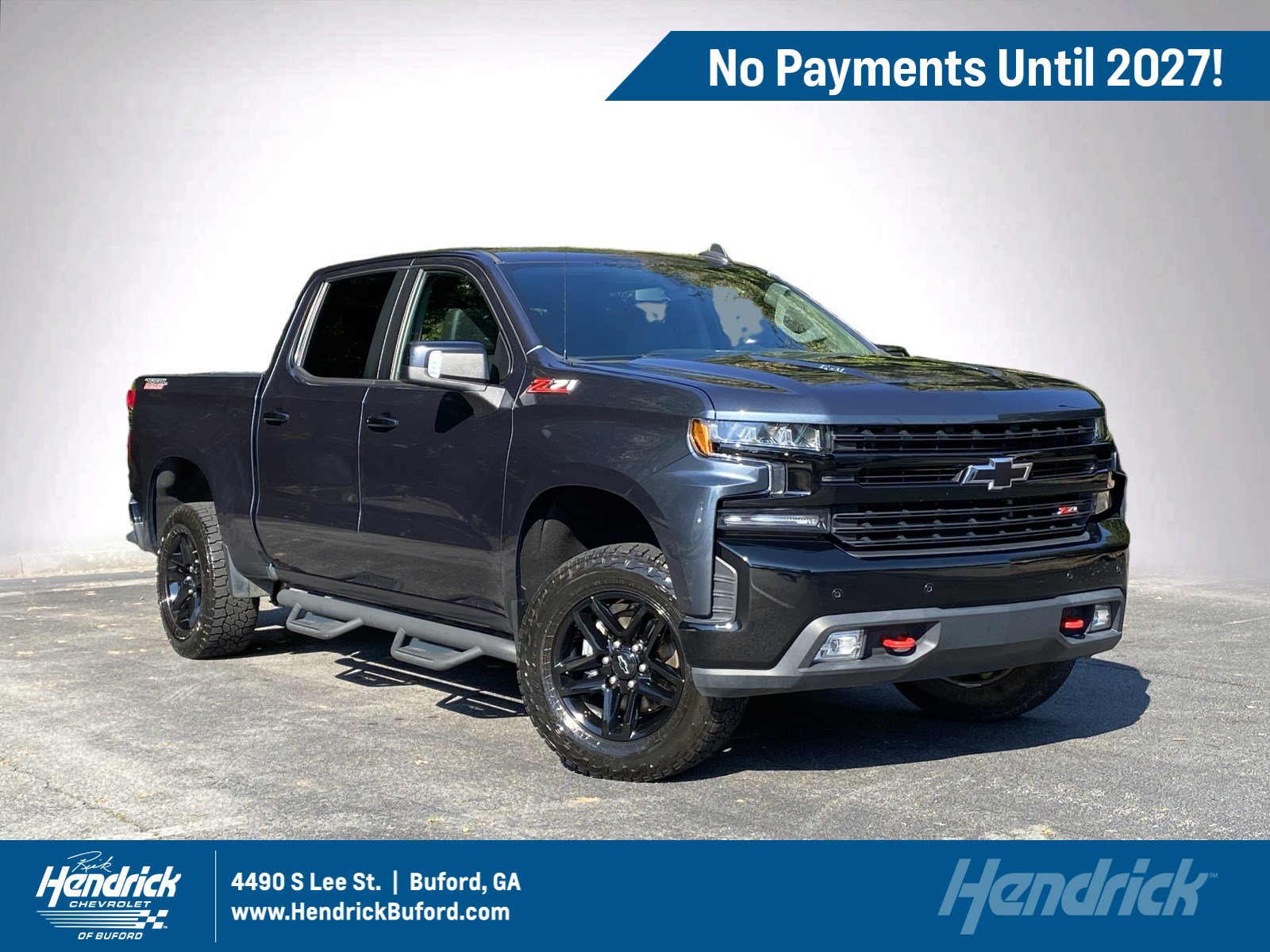
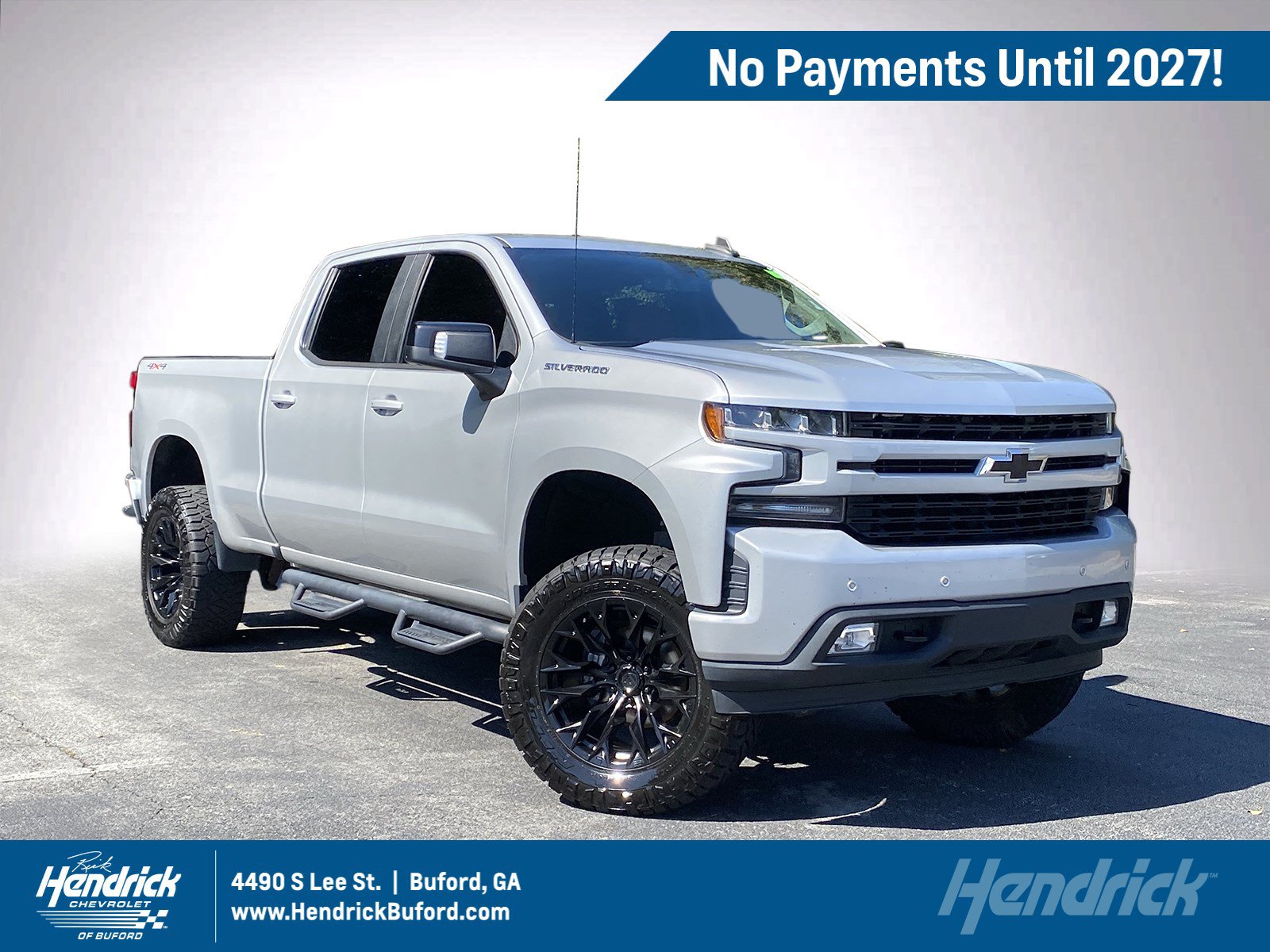
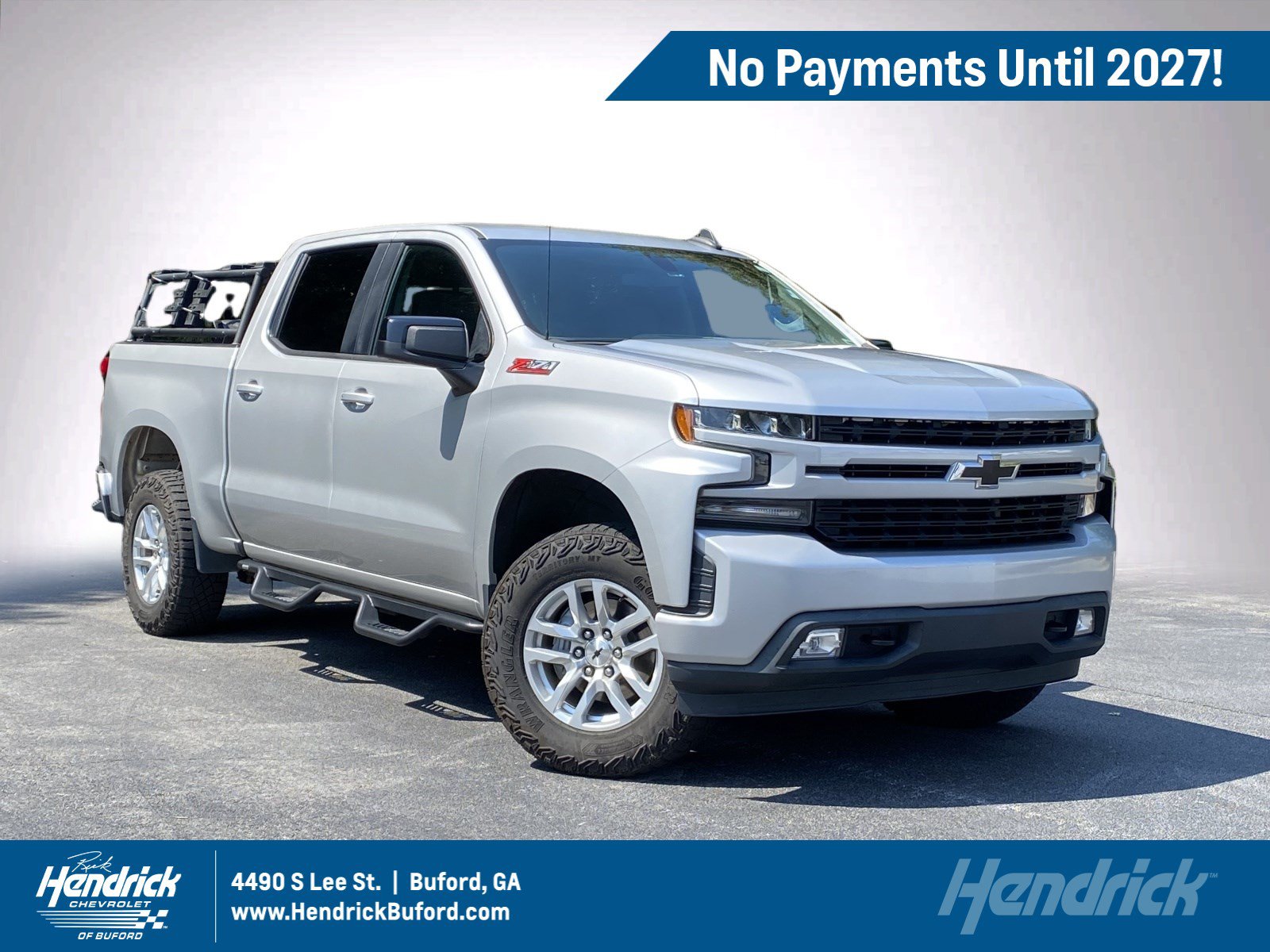
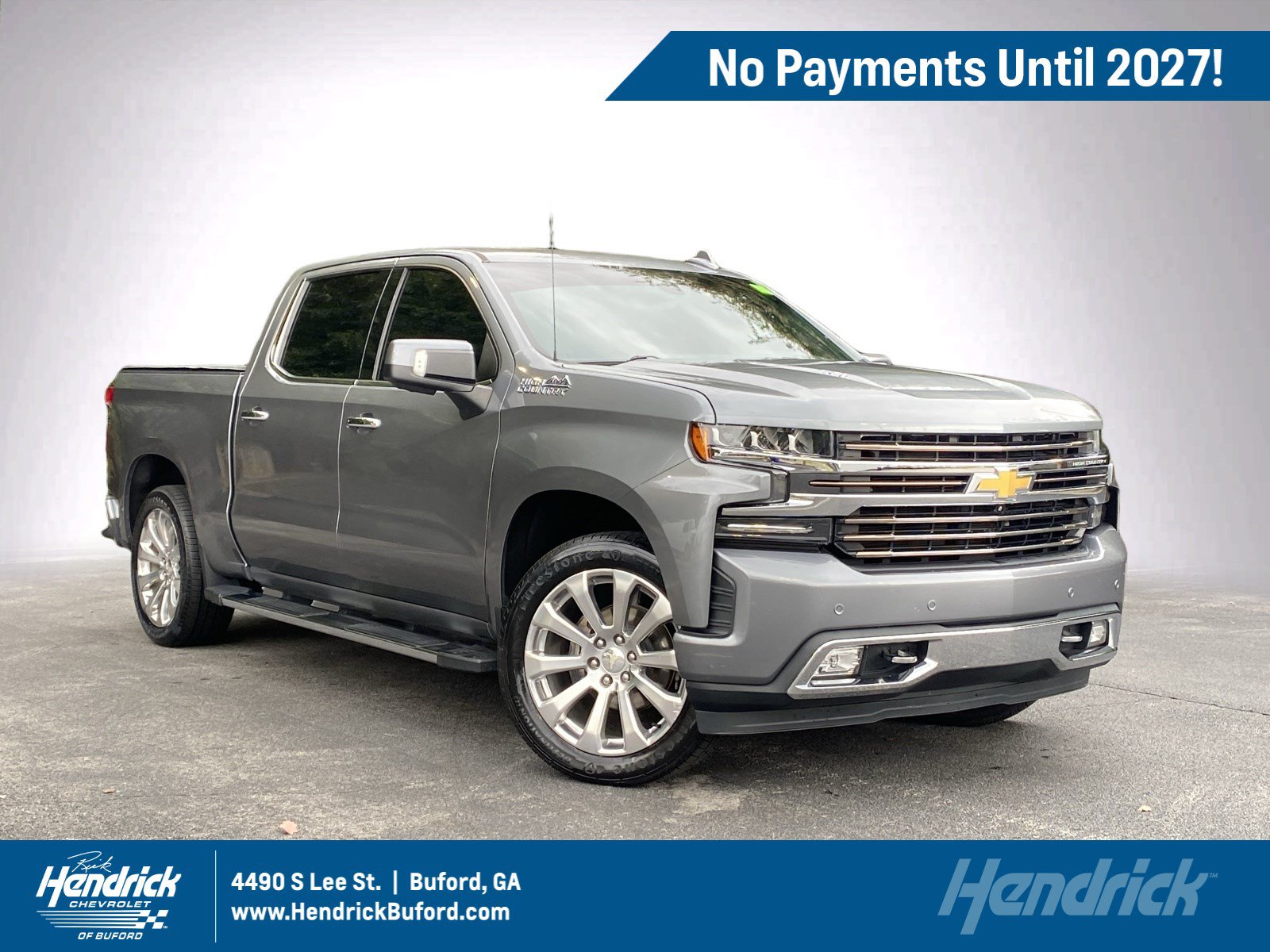
diesel, automatic, 215K km, pickup, All Wheels Drive, 6,600 cm3, 445 hp, black, High Country, Used condition, USA, In stock

HendrickCars.com
 Buford, United StatesBuford, United StatesBuford, United StatesBuford, United StatesBuford, United StatesBuford, United StatesBuford, United StatesBuford, United StatesBuford, United StatesBuford, United StatesBuford, United StatesBuford, United StatesBuford, United States
 South Shore, United States
 South Shore, United StatesSouth Shore, United StatesSouth Shore, United StatesGeorgetown, United StatesNorwood, United States
 Rock Hill, United StatesRock Hill, United StatesApex, United StatesCarson, United StatesCarson, United StatesHickory, United StatesBrentwood, United States
Buying a 2020 model year car can be a smart move for value and reliability. Whether you’re in a bustling city or a quieter town, understanding how the year, mileage, fuel type, and body style influence price helps you compare options and feel confident in your purchase. This guide walks through selecting a brand and model, assessing generation changes, and weighing fuel choices and body types for a seamless deal.
The 2020 generation often marks a balance between modern tech features and reasonable depreciation. When you search for a 2020 car by brand and model, you’ll notice differences in units like hatchback versus sedan, or SUV versus crossover, which can impact insurance costs, fuel economy, and maintenance. For buyers in markets with diverse climates, fuel type—gasoline, diesel, hybrid, or plug-in hybrid—changes operating costs and tax implications. Consider the year and mileage to estimate remaining value and possible service needs in your city.
This practical approach to selecting a 2020 model year car—focused on brand, model, generation, mileage, and fuel type—helps buyers and sellers in any market make informed decisions. By balancing upfront price, ongoing costs, and expected reliability, you’ll find a vehicle that fits your needs and budget.
 Add as preferred sourceSee more from zvelta in Google Search Add as preferred source