 EN
ENDEALER

19.995 US$DEALER
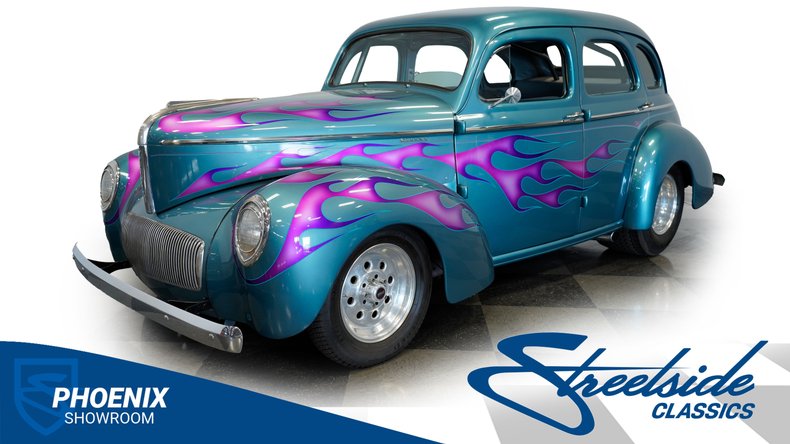
Willys, 1952, manual, 44K km, 1,340 cm3, 134ci Flat head 4 cylinder

StreetSideClassics.com
 Only, United States
 Only, United StatesPhoenix, United StatesUnited StatesUnited StatesOnly, United StatesUnited StatesUnited StatesUnited StatesUnited States
 United Kingdom
If you’re looking to buy or sell a Willys car, you’re likely weighing options across different generations, body styles, and price ranges. Whether you’re eyeing a classic Willys Jeep from a bygone era or a modern Willys model that fits daily driving, understanding what each generation offers helps you make a smart choice. This guide covers common questions buyers and sellers have, from choosing the right engine and body type to estimating value based on year, mileage, and trim.
When searching for a Willys, start with the basics: brand, model, year, and mileage. The Willys lineup often includes rugged SUVs with legacy styling and capable off-road performance. For city driving or weekend adventures, consider a Willys with a practical body type such as a compact SUV or hatchback, depending on the generation. Look at the powertrain options available in your market, including fuel type and transmission. Common questions include: which engine offers the best balance of performance and fuel economy, what is the difference between a late model and a classic Willys, and how mileage affects price.
Evaluating price segments is essential. A newer Willys with low mileage typically commands a higher price, while classic Willys models from earlier decades may appeal to collectors and enthusiasts. When comparing options, also check maintenance history, known issues for the specific generation, and body condition. Pros and cons to consider include off-road capability, interior comfort, repair availability, and insurance costs.
Different generations of Willys vehicles bring distinct advantages. For example, a classic Willys Jeep may shine in nostalgia and rugged off-road ability, while a newer Willys SUV could offer modern safety features, better fuel efficiency, and more comfortable interiors. Body types range from compact hatchbacks to midsize SUVs, each with its own cargo capacity and ride dynamics. When choosing, think about how you’ll use the car most often, whether you need seating for five or more, and how important features like four-wheel drive, towing capacity, and infotainment are to you.
Price guidance can vary by city and country, and mileage is a strong indicator of condition. A Willys with higher mileage may still be a good value if it has a full service history and newer parts, while a very low-mileage example is typically priced higher but may come with higher maintenance costs depending on its use. If you’re selling, honest disclosures about wear, accident history, and service work help you attract serious buyers and speed up the sale.
By focusing on the Willys brand’s strengths and the details of the model you’re interested in, you can confidently buy or sell a Willys car that fits your budget and lifestyle.
 Add as preferred sourceSee more from zvelta in Google Search Add as preferred source