 EN
ENDEALER
33.847 US$DEALER
33.937 US$
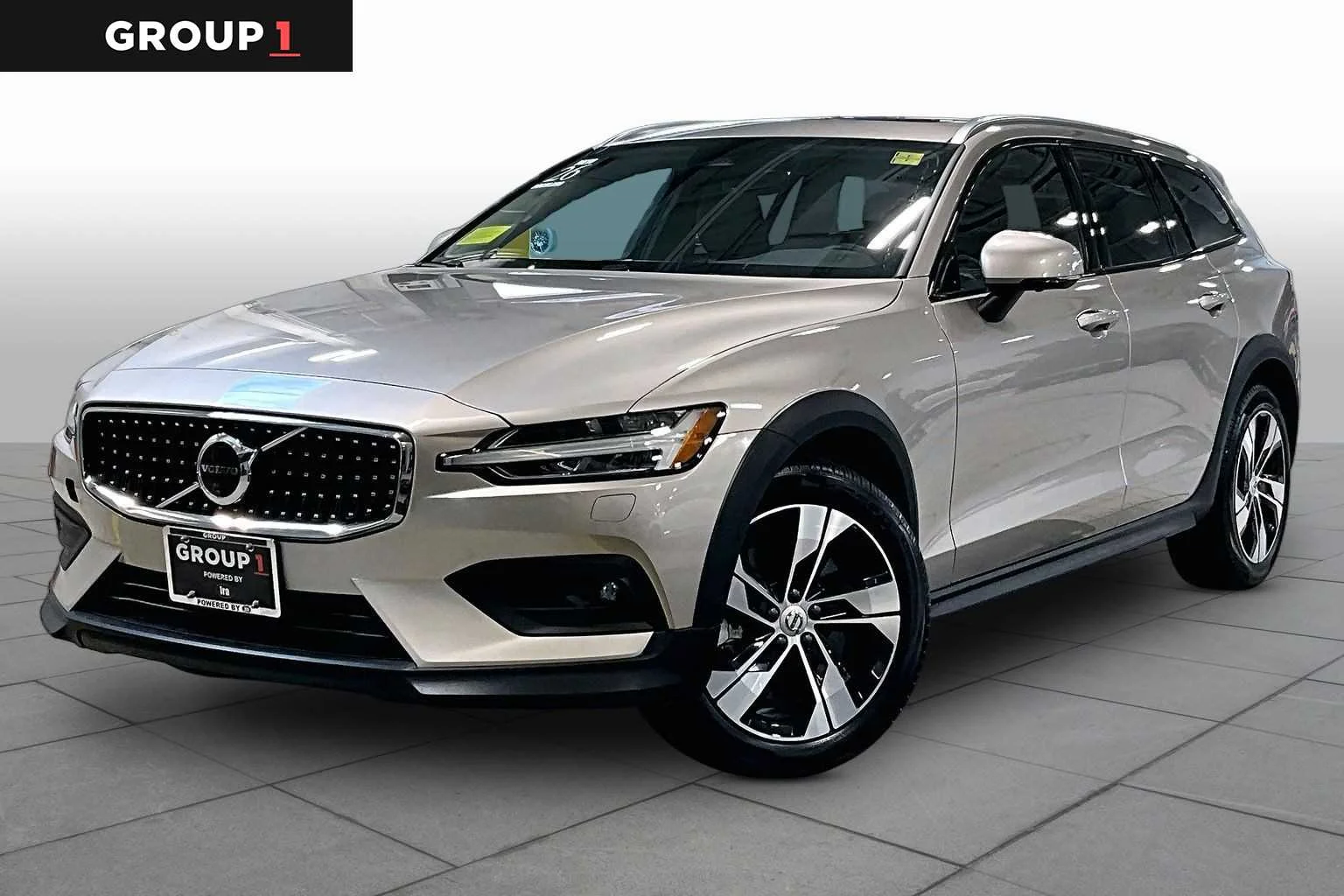
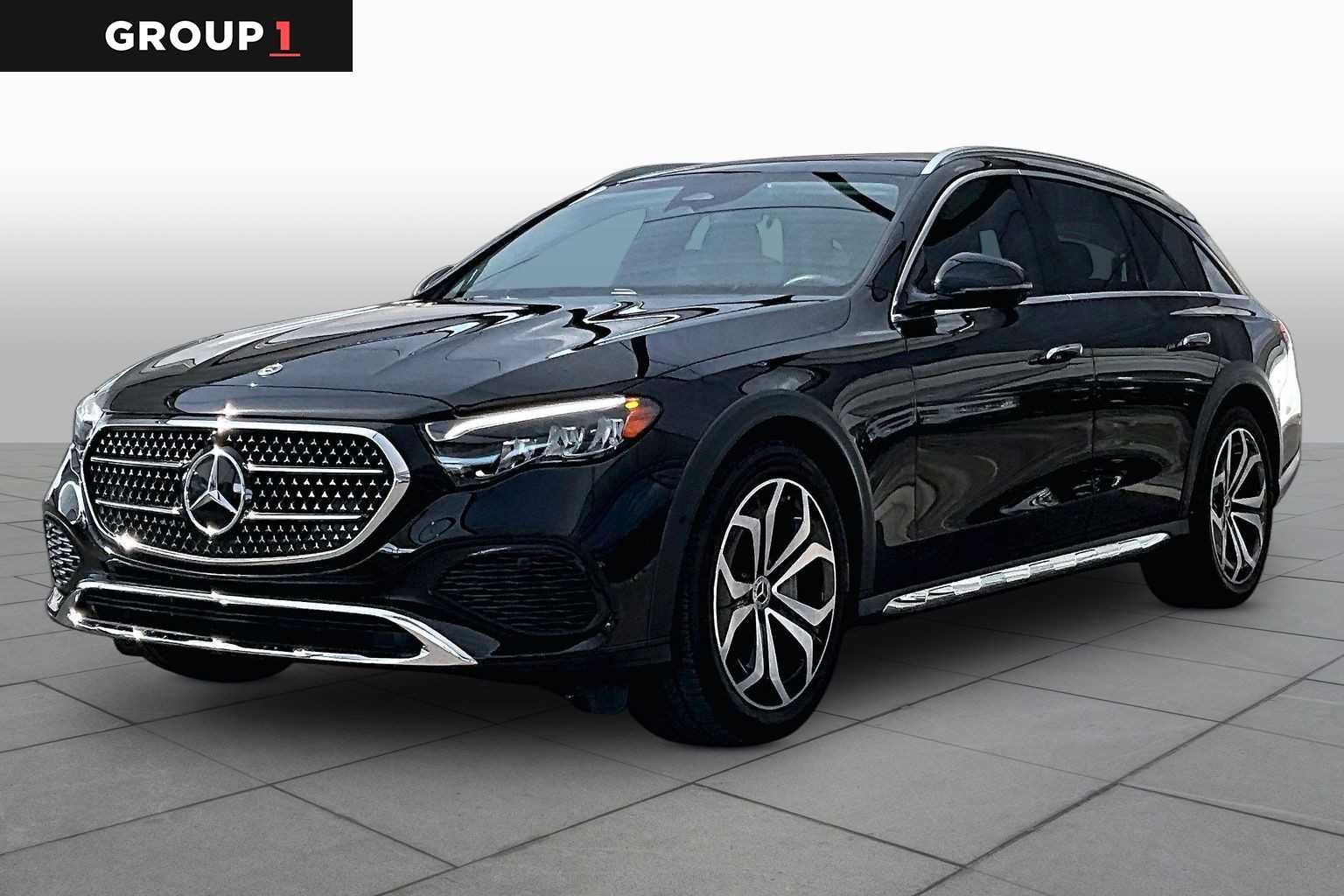
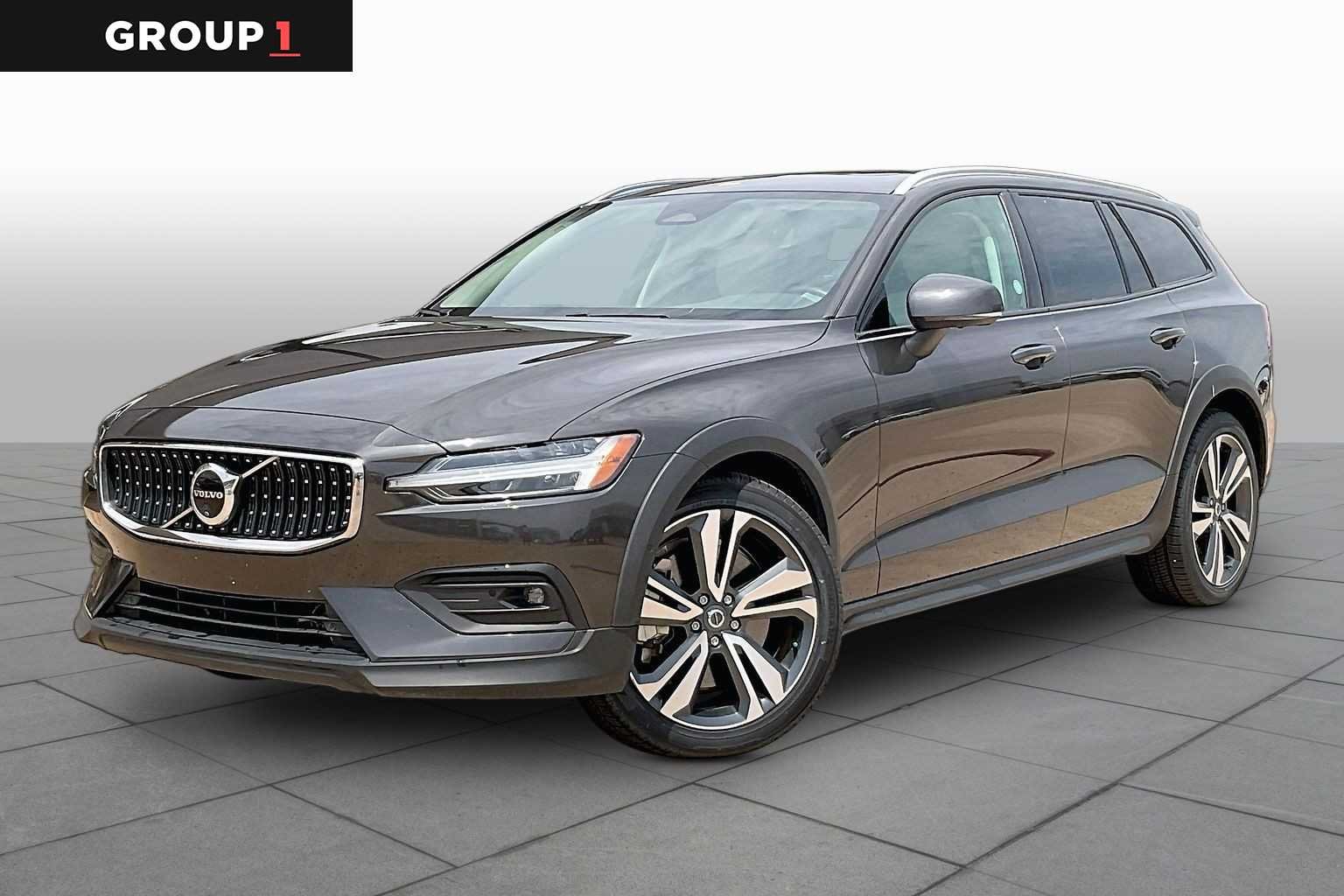
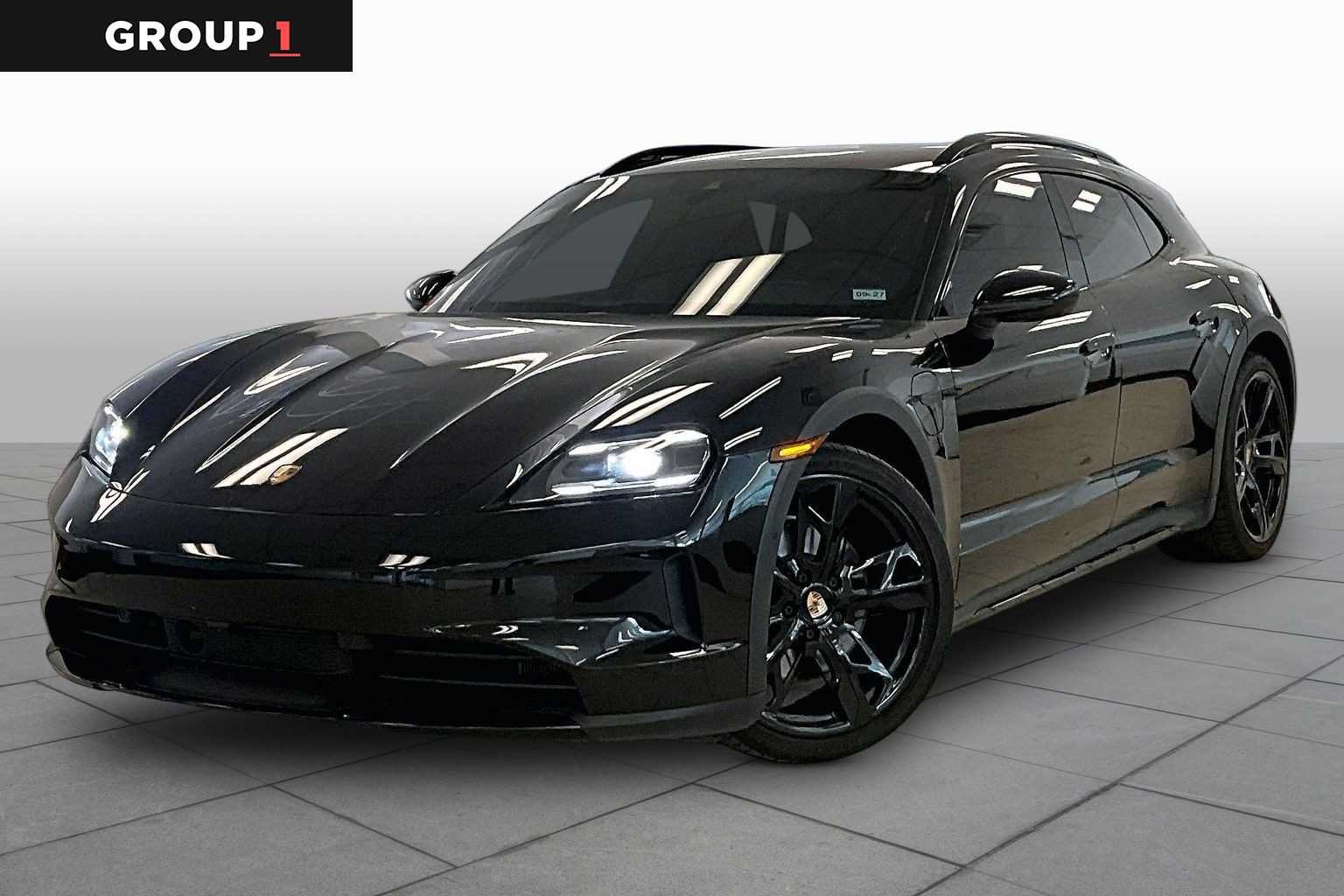
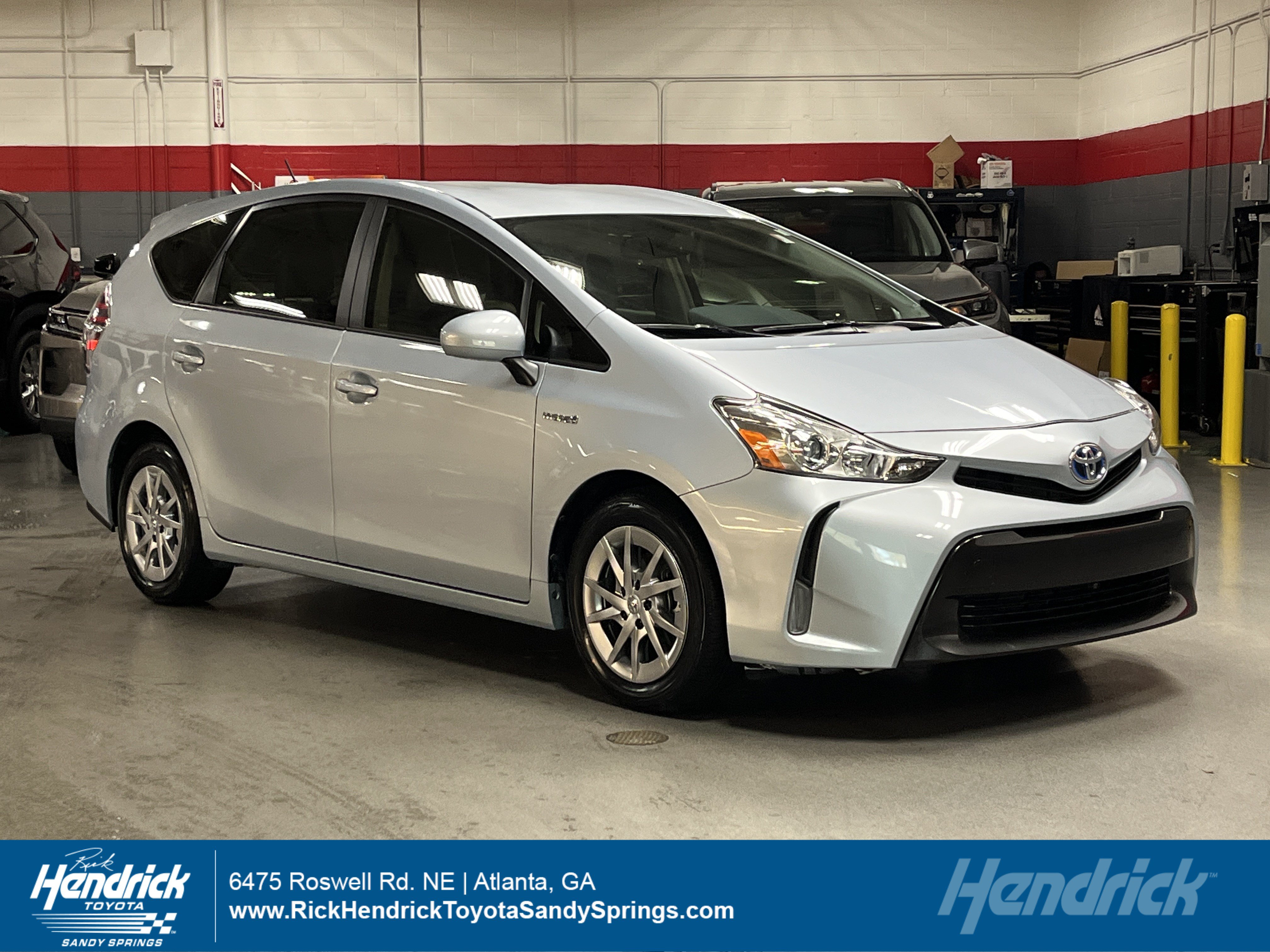
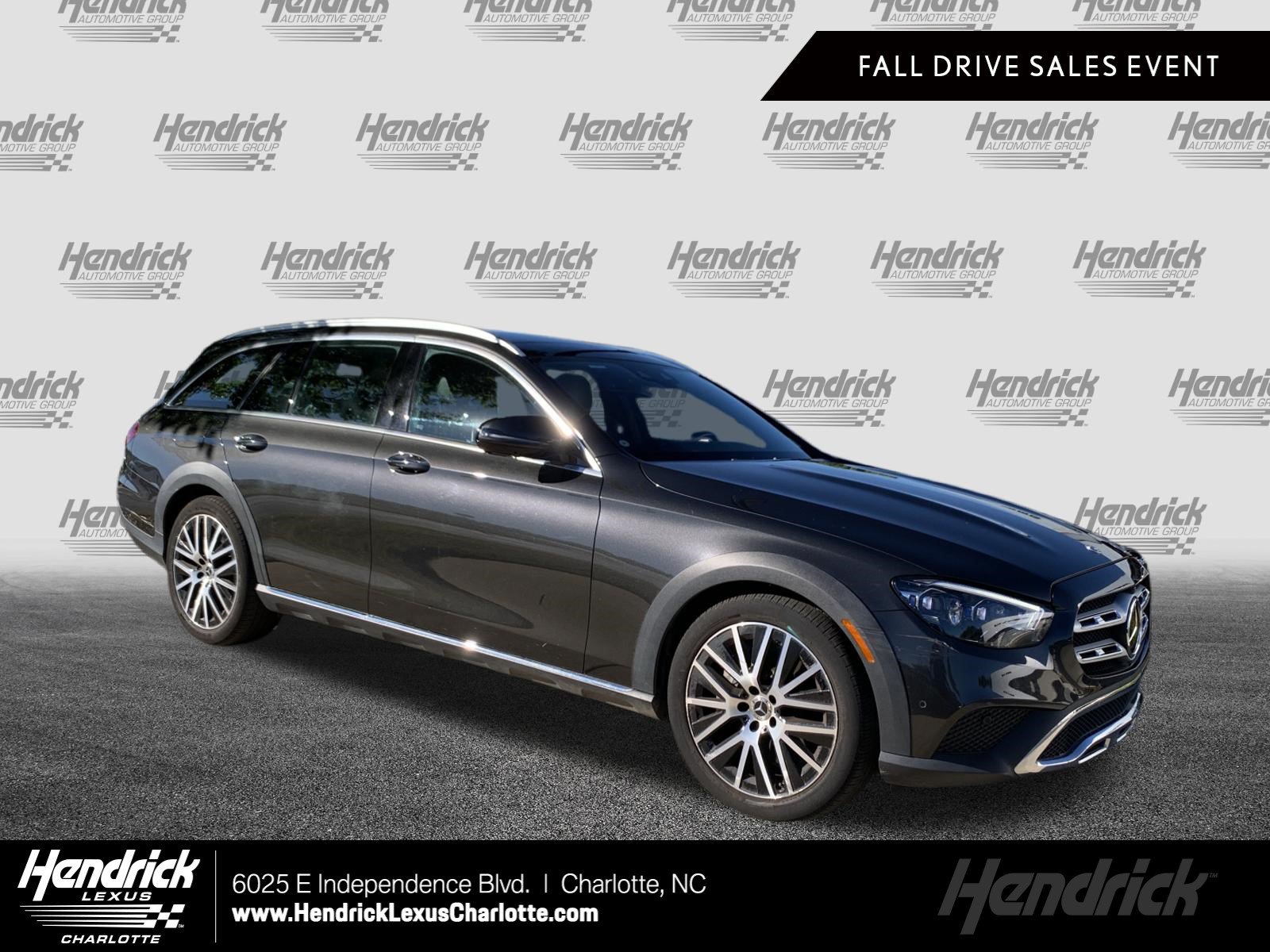
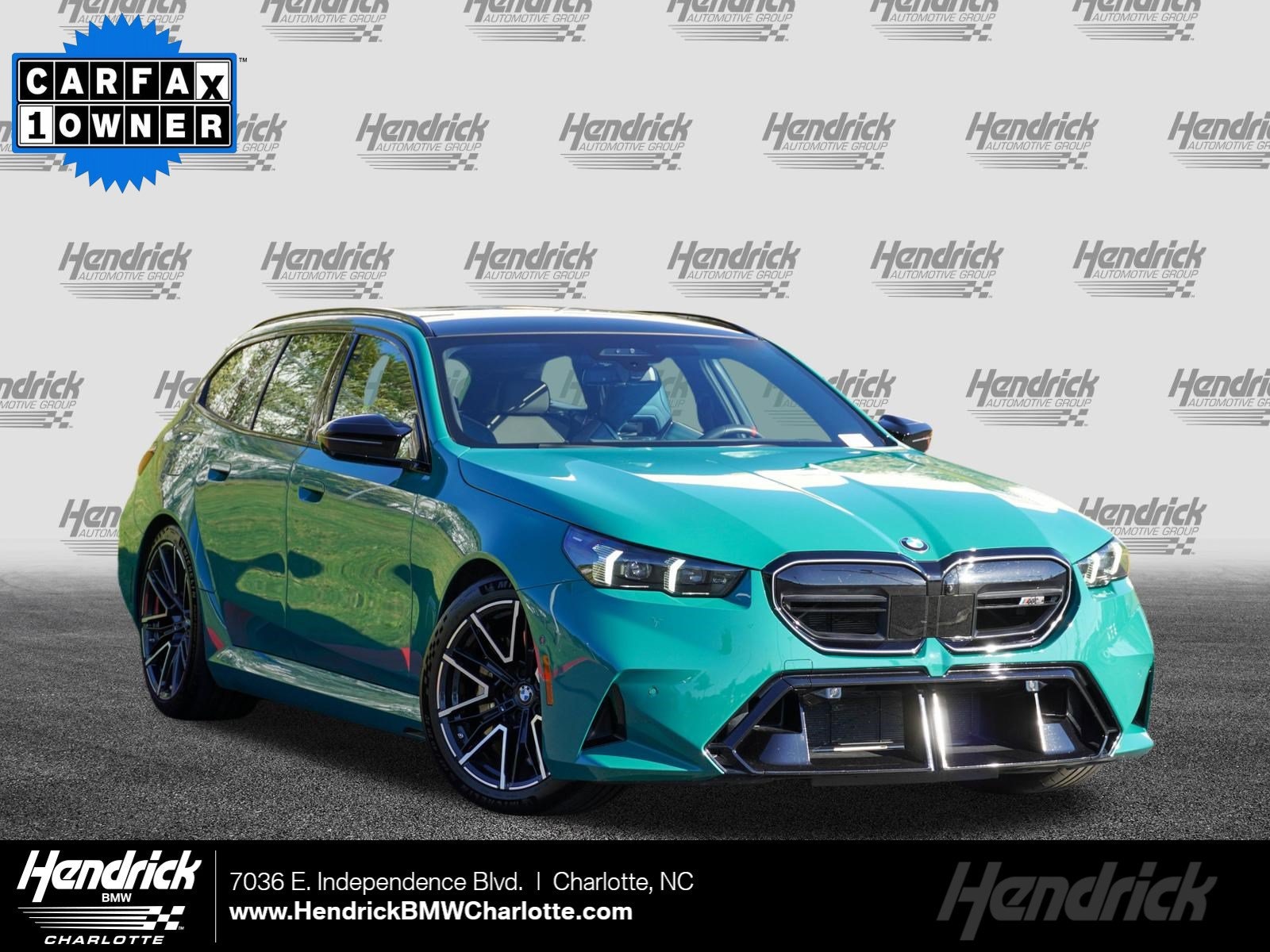
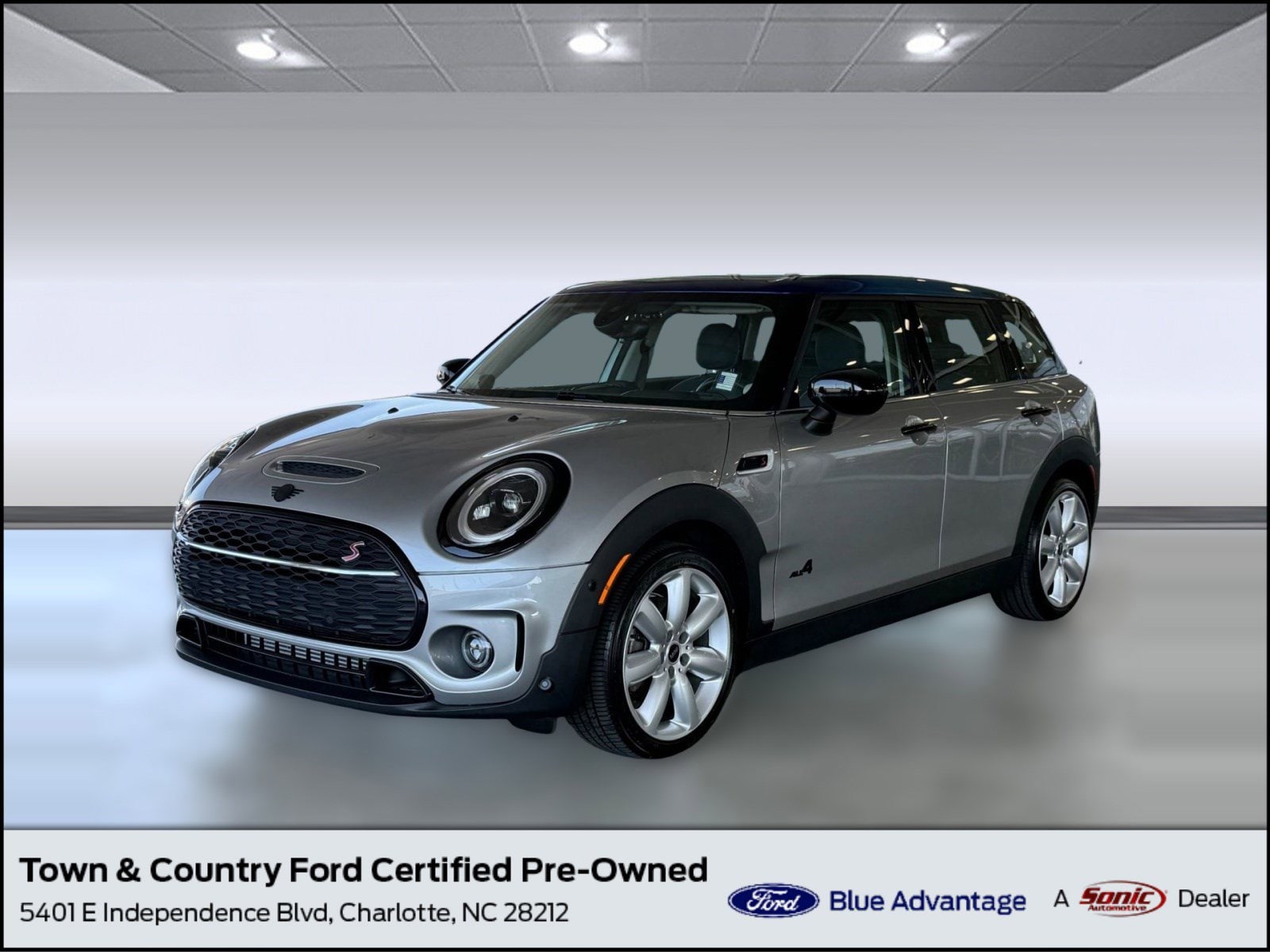
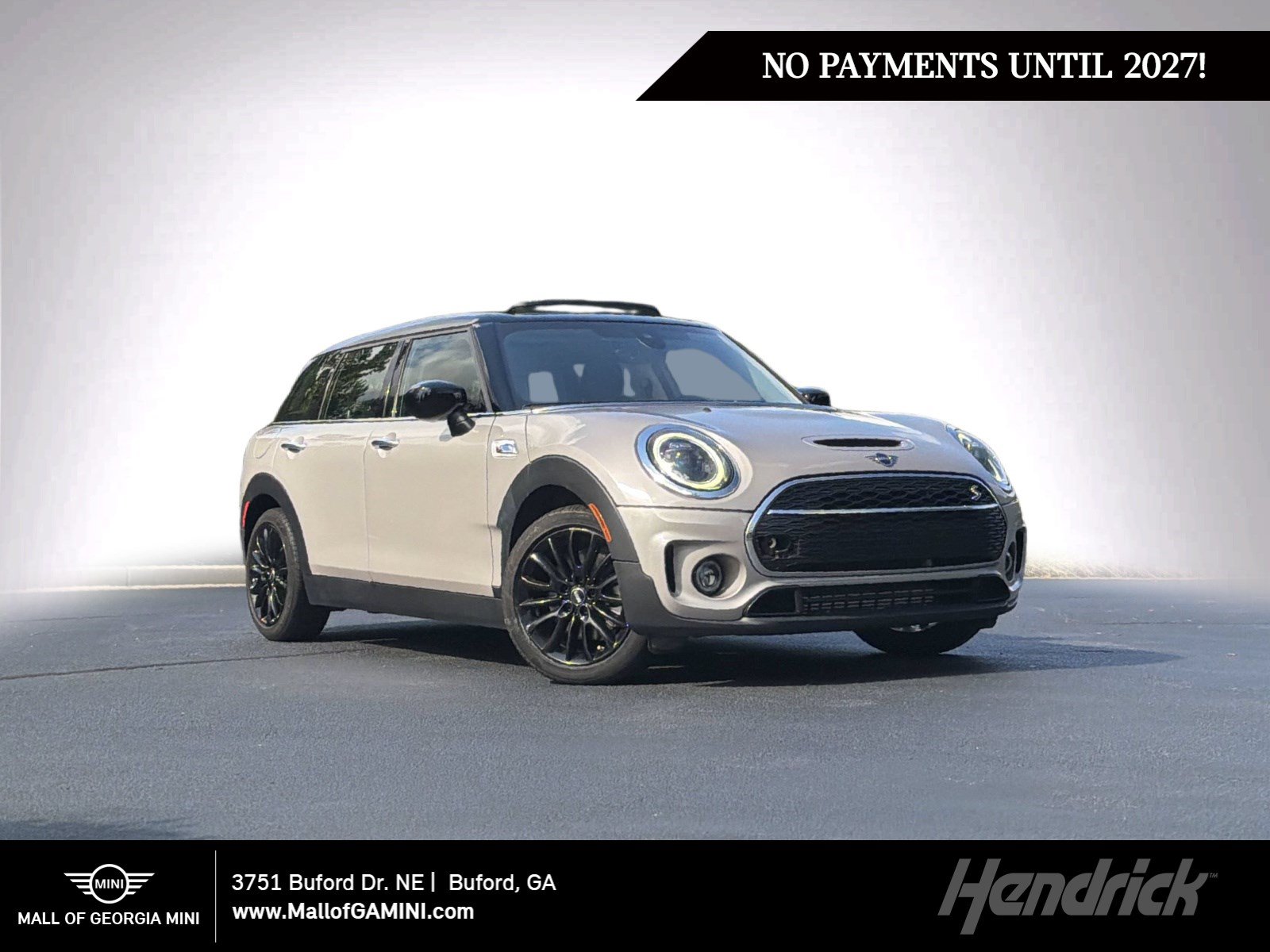
gasoline, automatic, 24K km, wagon, Front Wheels Drive, 2,000 cm3, 189 hp, grey, Cooper S, Used condition, Europa, In stock

HendrickCars.com
 Buford, United StatesBuford, United States
 South Shore, United States
 Carson, United StatesBrentwood, United States
 Mishawaka, United StatesMishawaka, United States
 Main Settlement, United StatesMain Settlement, United StatesMain Settlement, United StatesMain Settlement, United StatesMidtown, United States
 Atlanta, United StatesAtlanta, United StatesAtlanta, United StatesConcord, United States
 Belmont, United States
 Belmont, United StatesBelmont, United StatesBelmont, United StatesCharlotte, United StatesCharlotte, United StatesCharlotte, United StatesCharlotte, United StatesCharlotte, United States
 Franklin, United States
If you are in the market for a practical wagon that can handle daily commutes, family errands, and weekend trips, you’ll want a balanced mix of space, efficiency, and reliability. Wagons offer versatile cargo room, a lower stance for stability, and often better resale value than some SUVs. This guide helps you decide what to look for when buying a wagon, whether you’re browsing in a big city or a smaller town.
When evaluating a particular model, check the generation updates for safety tech, chassis tuning, and cargo practicality. A newer generation typically brings improved efficiency and refined ride quality, while a well-kept older wagon with complete maintenance records can be a great value.
Pros and cons of wagons include:
If you need a family-friendly wagon for city living, prioritize rear seating space, cargo versatility, and active safety features. For longer trips, look for comfortable seating, strong highway performance, and good fuel efficiency. Compare engines and transmission options across generations to find the best match for your driving style.
Prices for wagons vary by brand, model, year, and mileage. A recent well-kept wagon with a practical engine can offer compelling value in mid-range markets, while higher-end trims add luxury and advanced safety tech. Check service history, maintenance records, and test-drive multi-surface handling to ensure you’re getting a well-rounded vehicle.
 Add as preferred sourceSee more from zvelta in Google Search Add as preferred source