 EN
ENDEALER
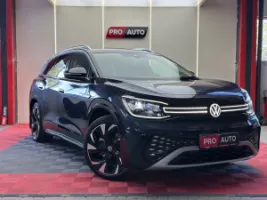
30.252 US$DEALER
2022, electric, automatic, 35K km, SUV, 580 hp, blue

ProAuto.md
 Moldova, Chișinău Municipality
 Moldova, Chișinău Municipality
 UkraineUkraine
The Volkswagen ID.6 has emerged as a practical electric option for buyers and sellers who want a comfortable family car with modern tech and a respectable range. If you’re considering the ID.6, you’ll want to understand its generations, available body styles, and typical price ranges in your city. This article walks you through how to compare trims, what to expect in the market, and how to negotiate a fair deal whether you’re purchasing or selling in urban areas or regional markets.
The ID.6 couples a spacious cabin with efficient electric power and a familiar VW driving feel. Common configurations include rear- and all-wheel drive layouts, with battery sizes that balance price and range. When you search for a used or new ID.6, you’ll encounter different price segments driven by year, mileage, trim level, and regional demand. Pros often cited include strong safety features, relatively low running costs, and a practical trunk space that suits family use or international trips. Cons sometimes mentioned involve charging speeds in older variants or higher upfront costs compared with compact EVs.
Whether you’re buying or selling, understanding the ID.6’s generation and configuration helps you compare prices, calculate total cost of ownership, and negotiate confidently. By focusing on year, mileage, battery health, and trim level, you can find a fair deal in your city or nearby regions and ensure the transaction reflects current market realities.
 Add as preferred sourceSee more from zvelta in Google Search Add as preferred source
