 EN
ENDEALER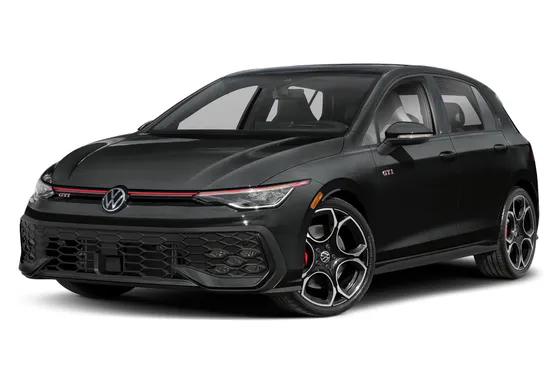
45.185 US$DEALER
43.751 US$
gasoline, automatic, 10 km, 2,000 cm3, black, Autobahn FWD, New condition, In transit
SonicAutomotive.com
 Fallston, United States
 Fallston, United States
The Volkswagen GTI is a quintessential compact hot hatch that continues to attract buyers who want sporty performance with everyday practicality. When you are considering buying or selling a GTI, there are several factors to weigh: generation, engine options, body style, mileage, and regional pricing. This guide helps you understand what to look for in a Volkswagen GTI, whether you are targeting a used model in a major city or a newer variant from a specific country.
One of the first questions buyers ask is which generation and engine setup best fits their needs. The GTI has evolved through multiple generations, each offering refined handling, turbocharged power, and upgraded interior technology. Depending on the market, you’ll encounter 2.0-litre turbo engines with varying outputs and transmissions, including manual and DSG automatic. Pros of the GTI include its balanced chassis, practical hatch space, and strong resale value. A potential drawback for some is higher maintenance costs relative to non-performance compact cars. Researching the exact year and mileage helps estimate reliability and future repair needs.
When evaluating a specific GTI, check the following:
Prices for the Volkswagen GTI vary by country and city, often influenced by local taxes, demand, and currency rates. In many markets, a 2.0 TSI GTI from the mid-2010s can be found in a mid-price range if the car has solid maintenance and reasonable mileage. Newer variants command higher prices but bring newer safety tech and improved efficiency. If you are selling a GTI, highlight recent service, replaced parts, and any upgrades to maximize buyer interest.
For buyers, set a target budget and stick to it. Bring a trusted mechanic or arrange a pre-purchase inspection to verify the drivetrain, suspension, and brakes. Compare GTI trims, read owner reviews, and consider testimonials about reliability and cost of ownership. For sellers, document the car’s service history, provide clear photos, and be honest about any imperfections. A well-marketed GTI with documented maintenance can attract quick, confident offers.
In short, the Volkswagen GTI remains a compelling option for enthusiasts who want performance in a practical package. By understanding the generation differences, engine choices, and regional price dynamics, you can buy or sell a GTI with confidence and clarity.
 Add as preferred sourceSee more from zvelta in Google Search Add as preferred source