 EN
ENDEALER

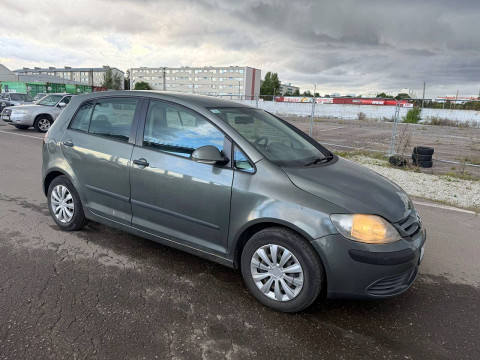
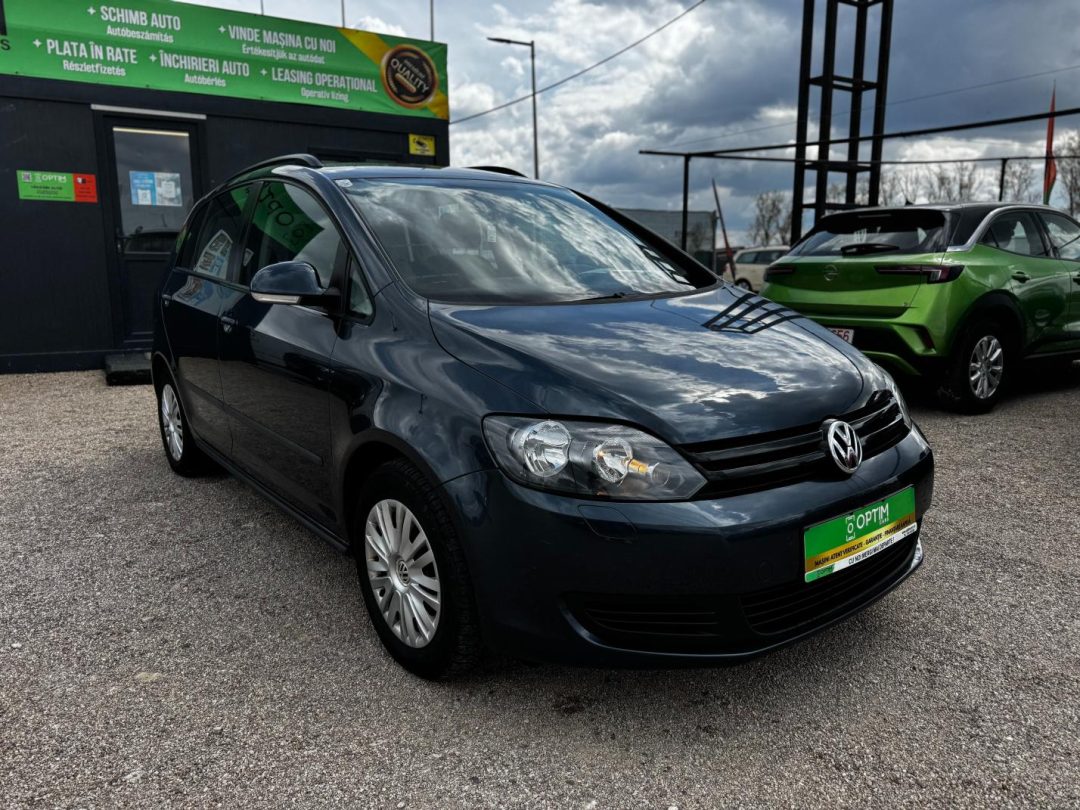
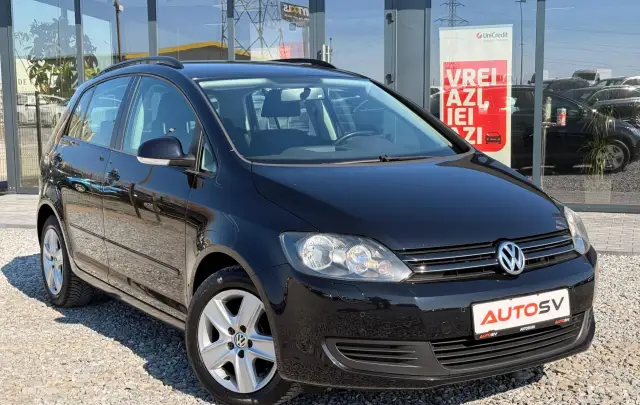
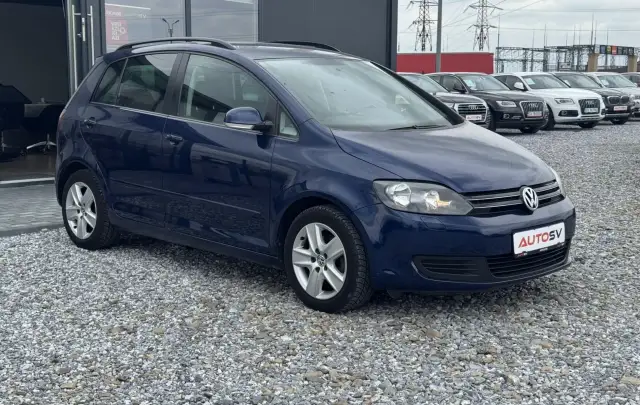
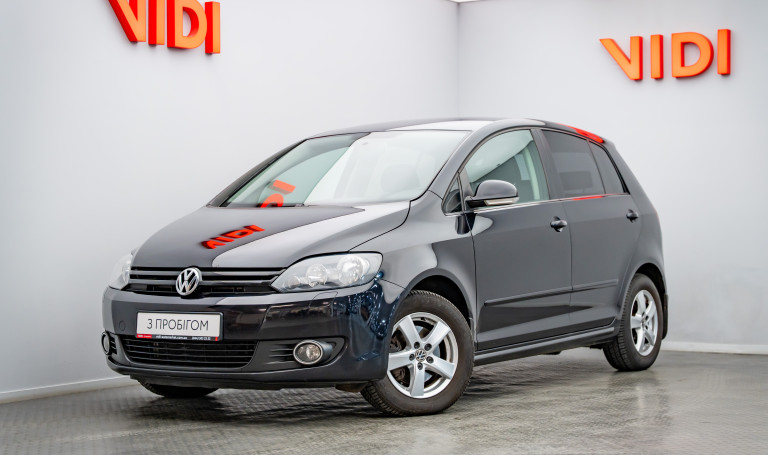
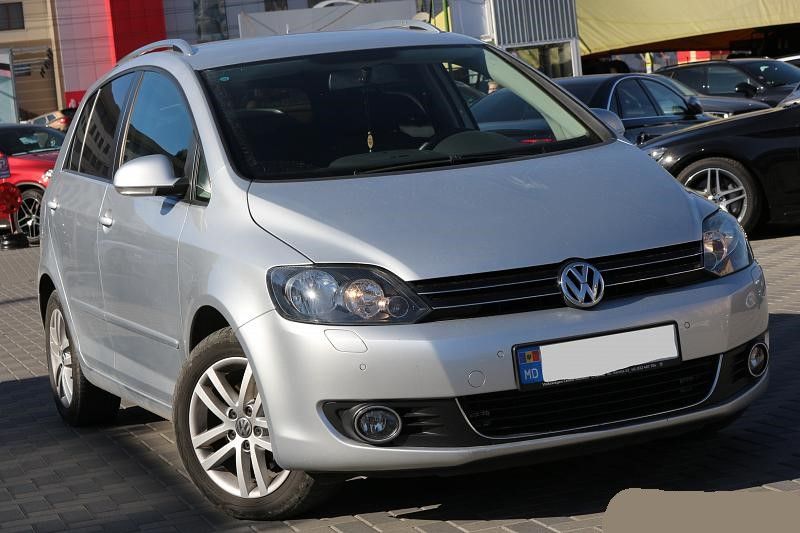
2010, gasoline, manual, 219K km, VAN, 1,198 cm3, 105 hp, brown, 1.2 TSI Tour II BlueMotion, Used condition, Europa, In stock, sale date 23.10.2026 06:49

CarOutlet.eu
 Netherlands
Auction starts
23 Oct, 06:49
 NetherlandsNetherlands
 Estonia, Harjumaa
 Romania, Satu Mare County
 Municipiul Satu Mare, Romania
 Romania, Arad CountyRomania, Timiș County
 Romania, Timiș County
 Romania, Timiș County
 Romania, Sălaj CountyRomania, Sălaj County
 Romania, SuceavaRomania, Suceava
 Sofiyivska Borschagivka, Ukraine
 Romania, Iași County
 Romania, Iași County
 Romania, Bacău CountyRomania, Bacău County
 Romania, Bacău CountyRomania, Bacău County
 Romania, Bacău CountyRomania, Bacău CountyRomania, Bacău CountyRomania, Bacău County
 Moldova, Chișinău Municipality
The Volkswagen Golf Plus combines practicality with the familiar Golf driving experience, making it a popular choice for families and urban drivers alike. If you’re considering a Volkswagen Golf Plus, you’ll want to understand the differences between generations, typical fuel options, body styles, and how mileage and age affect price. This guide helps you navigate buying or selling this model in the right market, with practical steps to assess value, reliability, and overall condition.
The Golf Plus is a taller, more versatile variant based on the classic Golf hatchback. Depending on the year, you may find different engines and trims, with petrol and diesel options commonly available, and some markets offering efficient turbocharged units. When shopping, identify the specific generation and body configuration—whether you prefer a compact hatch with extra headroom or a slightly longer version with more cargo space. Knowing the generation helps you compare features, maintenance costs, and common problem areas.
Prices for a Volkswagen Golf Plus vary by country, year, mileage, and trim. In many markets, you’ll see a price range where early generation cars with higher mileage sit at a lower tier, while newer or well-maintained examples fall into mid-to-upper brackets. When planning a purchase, set a target price and be prepared to negotiate based on the car’s service history, recent maintenance work, and any added features. For sellers, highlighting documented maintenance, recent replacements, and a clean history can help you achieve a higher offer.
Whether you’re in a major city or a smaller town, the Golf Plus remains a versatile option for buyers who want extra practicality without sacrificing the familiar Golf experience. By evaluating generation-specific features, engine choices, and the car’s overall condition, you’ll be well-equipped to make a confident purchase or secure a fair sale price.
 Add as preferred sourceSee more from zvelta in Google Search Add as preferred source