 EN
ENDEALER

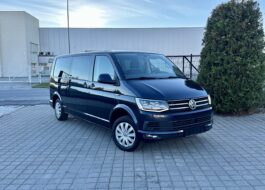
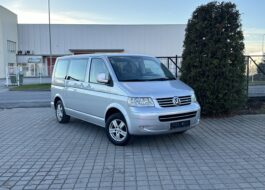
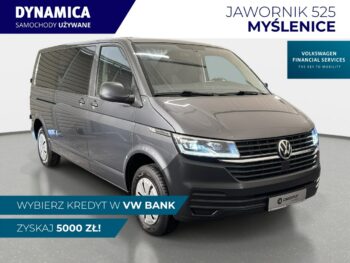
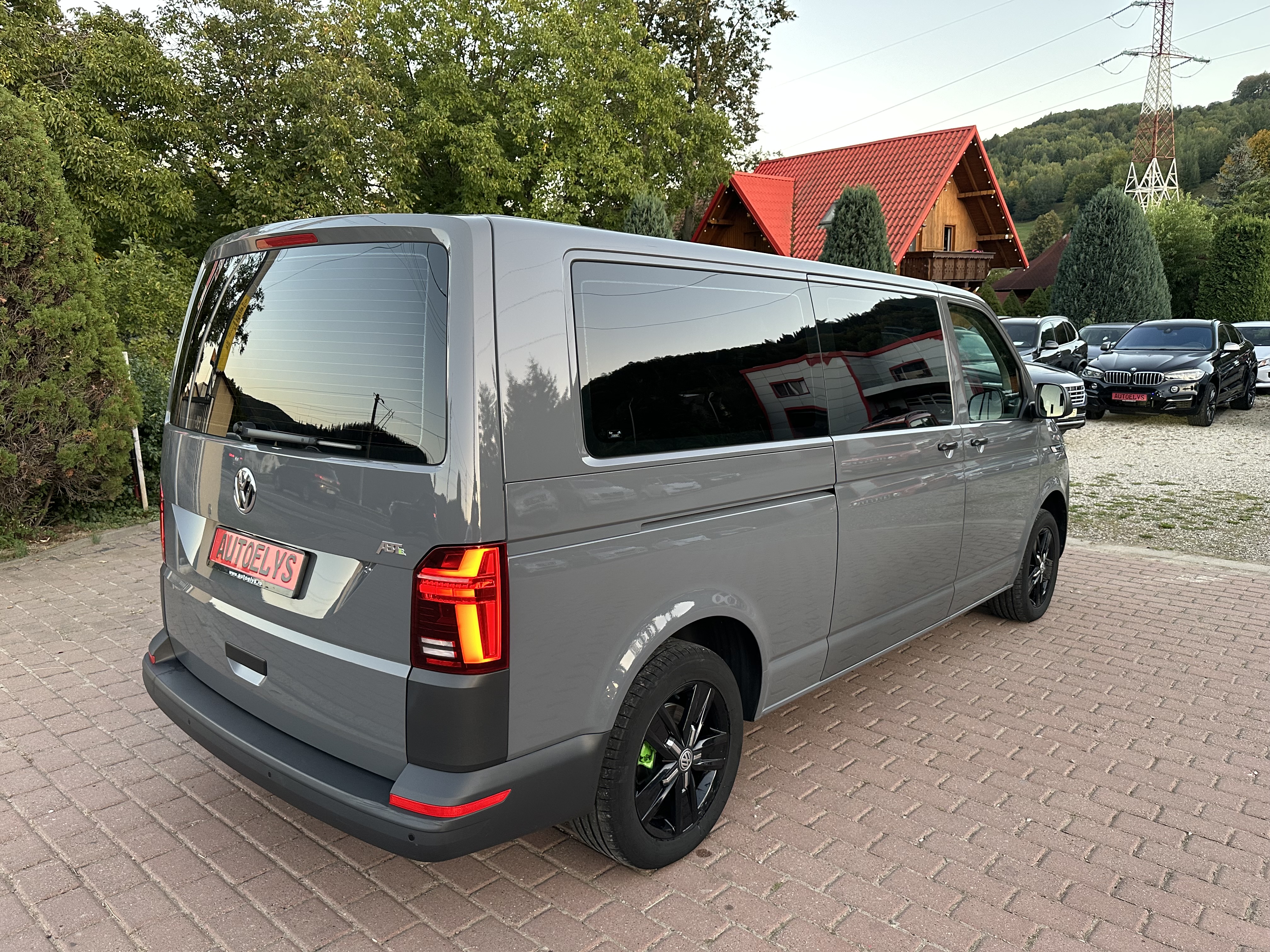
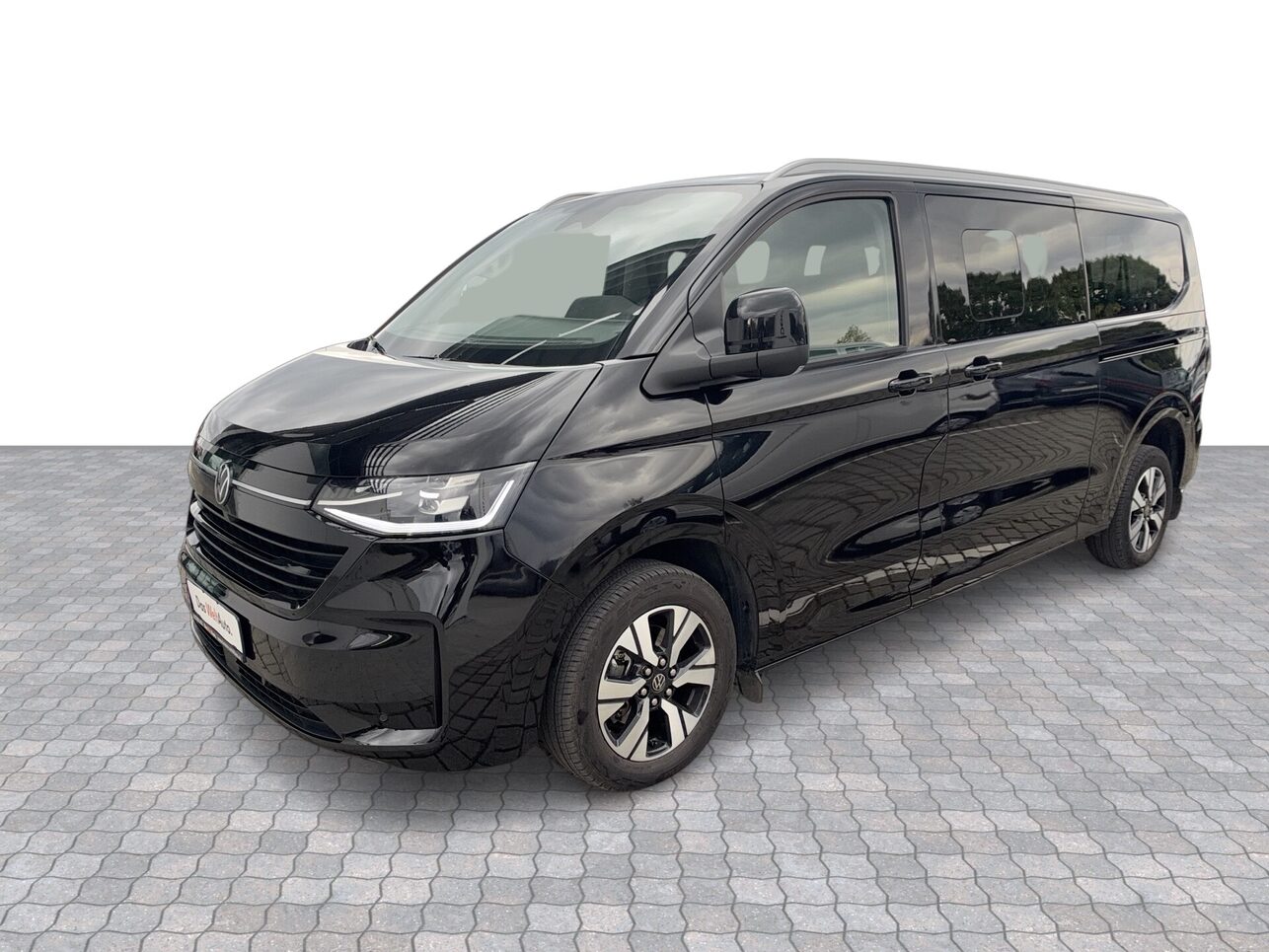
2024, diesel, automatic, 60K km, VAN, 1,968 cm3, 150 hp, Transporter 2.0 TDi SCR BMT Comfor. 9Pl. DSG (EU6d-T 110 kw., Used condition, In stock, sale date 28.10.2026 06:00

CarOutlet.eu
 Belgium
Auction starts
28 Oct, 06:00
 BelgiumBelgiumBelgiumBelgiumBelgiumBelgiumBelgiumBelgiumBelgiumBelgium
 GermanyGermanyGermany
 Gersthofen, Germany
 Estonia, TartuEstonia, TartuEstonia, Tartu
 Poland, Lesser Poland
 Romania, Suceava
 Oraş Ghimbav, Romania
 Moldova, Chișinău MunicipalityChisinau, Moldova
 Ukraine, Kyiv City
 UkraineUkraine
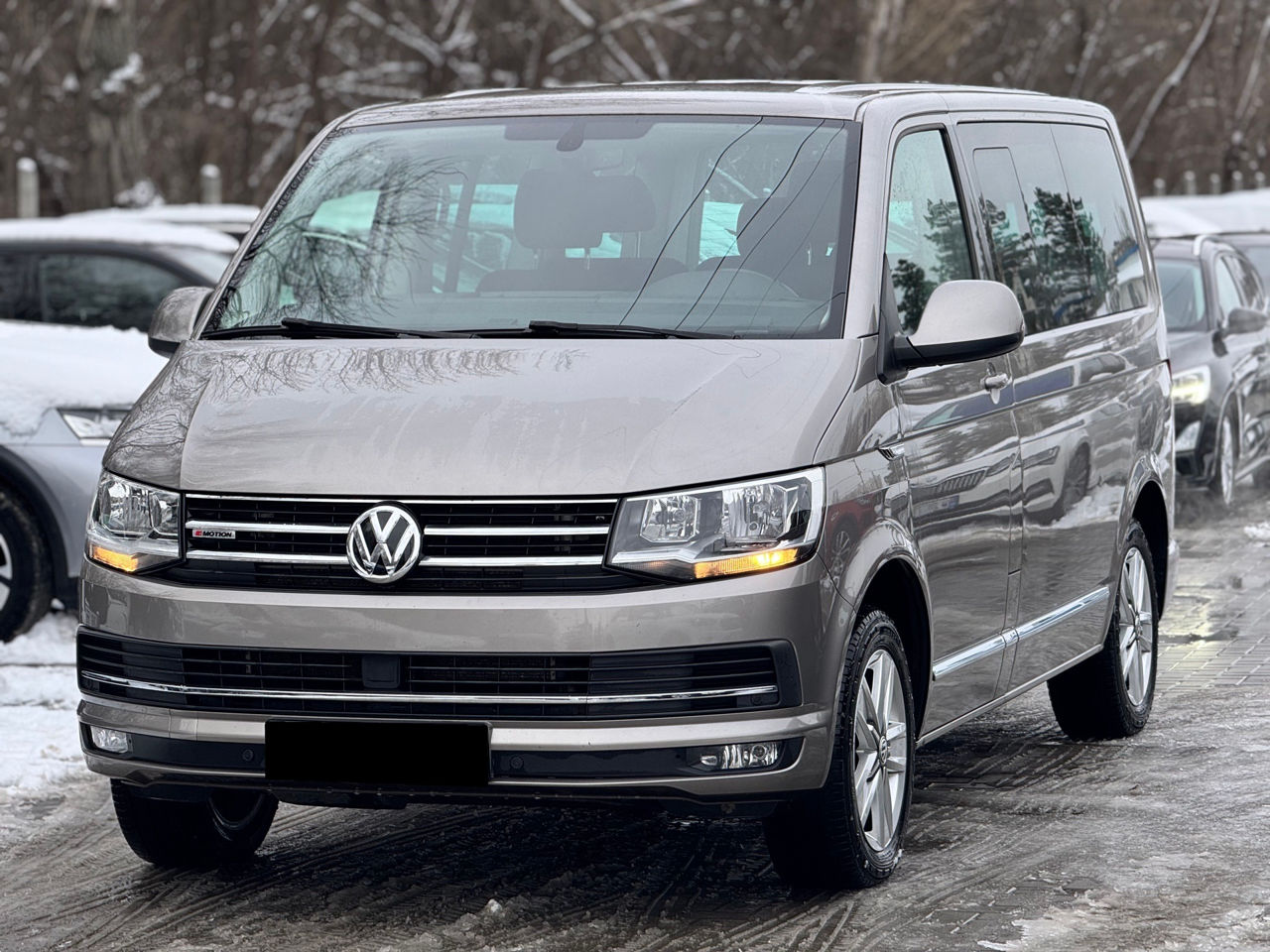
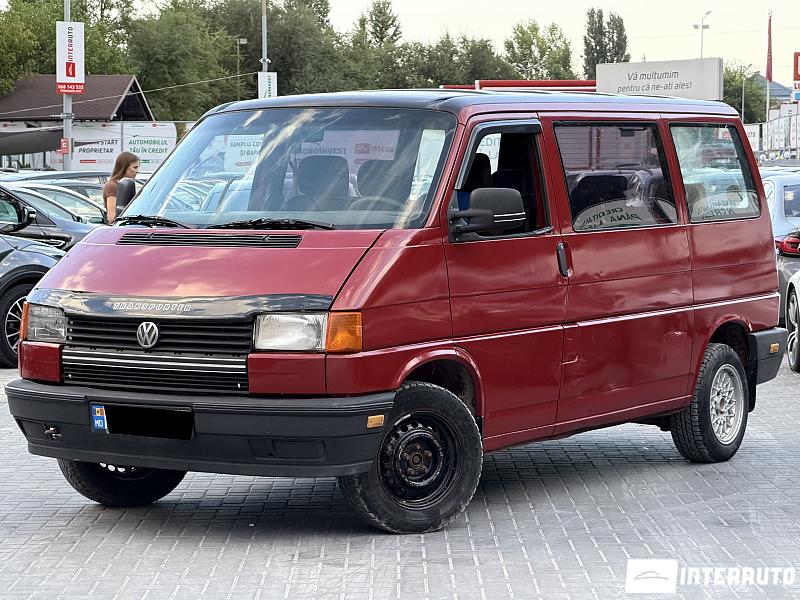
If you’re shopping for a versatile seven-to-nine-seat MPV, the Volkswagen Caravelle stands out with practical space and solid ride comfort. This guide helps buyers and sellers understand what to look for in different generations, engines, and configurations, and where the Caravelle is most commonly found in markets where it’s popular as a family or shuttle vehicle.
When considering a Caravelle, the most important factors are generation, fuel type, body configuration, and mileage. Early generations focus on reliability and spacious interiors, while newer versions emphasize updated infotainment and safety features. Typical configurations include long-wheelbase variants with sliding doors and multiple seating layouts, making it an ideal choice for family trips, airline crews, or small business shuttle duties.
Choosing the right Caravelle depends on needs: passenger capacity, cargo space, and running costs. Here are practical tips to compare models and make a solid purchase decision:
Caravelle listings cluster around family-friendly markets and metropolitan fleets. Depending on the country and city, you’ll encounter a range of pricing. Entry-level, higher-mileage units may appeal to buyers seeking lower upfront costs, while low-mileage or late-generation models offer modern features and stronger resale value. Practical considerations include insurance premiums, maintenance intervals, and parts availability.
If you’re selling a Caravelle, highlight regular maintenance, clear mileage logs, and recent service or parts replacement. Potential buyers will value honest condition reports and any remaining warranty or certified pre-owned status. For buyers, negotiating based on market price curves and nearby comparable listings can secure favorable terms without compromising long-term reliability.
 Add as preferred sourceSee more from zvelta in Google Search Add as preferred source