 EN
ENDEALER

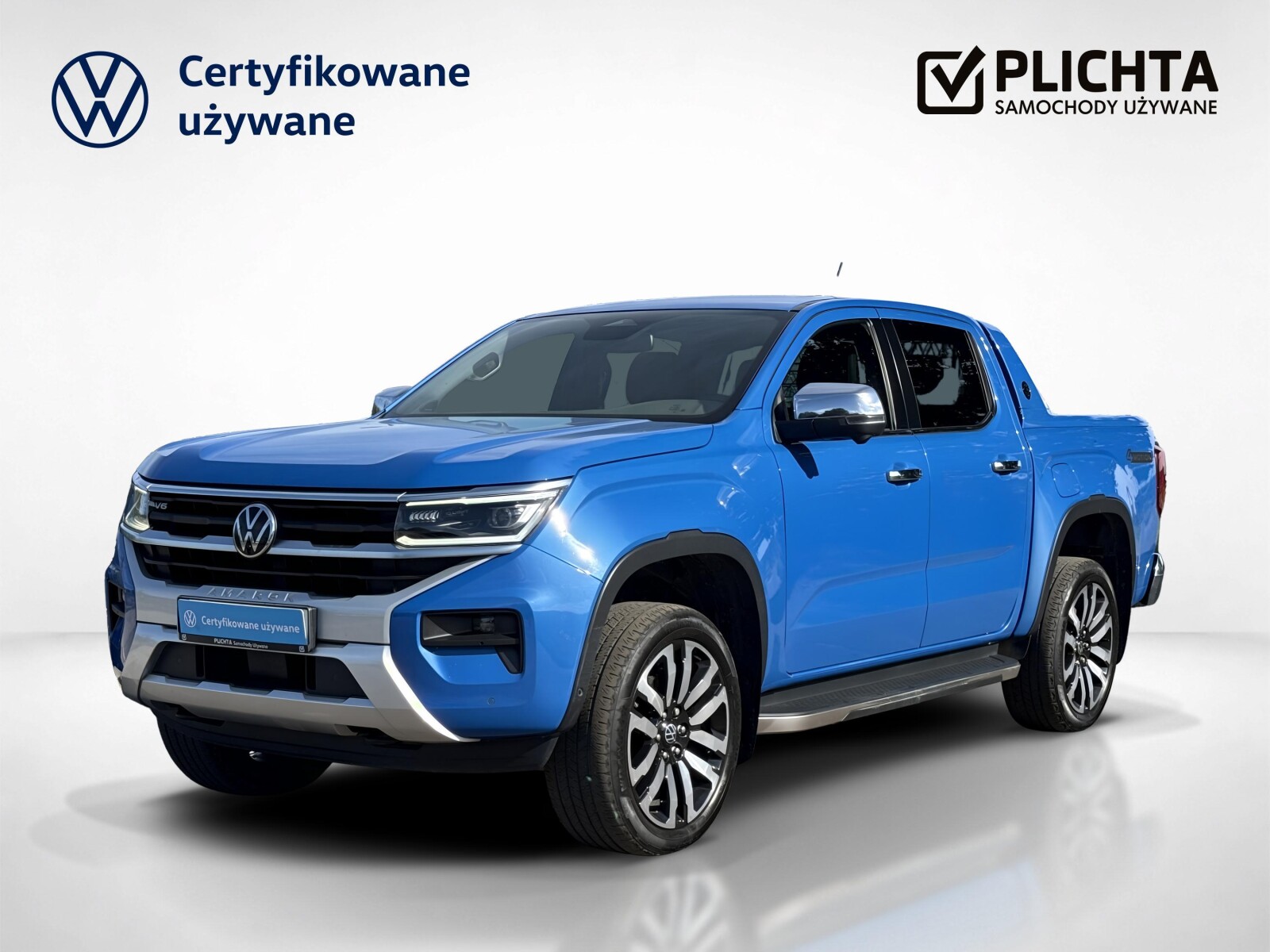
2025, diesel, automatic, 11K km, Used condition, In stock, sale date 26.10.2026 06:30

CarOutlet.eu
 Belgium
Auction starts · 26 Oct, 06:30
Current bid€41,900
 BelgiumBelgiumBelgium
 Sweden
 Cisowa, PolandBartodzieje Małe, Poland
 Poland, Lesser Poland
 Romania, Arad County
 Oraş Ghimbav, Romania
 Romania, Bacău County

 Ckulyanskaya Rogatka, MoldovaMoldova, Chișinău MunicipalityMoldova, Chișinău MunicipalityMoldova, Chișinău Municipality
 Romania, Buzău County
 Chisinau, Moldova
 UkraineBrăila, Romania
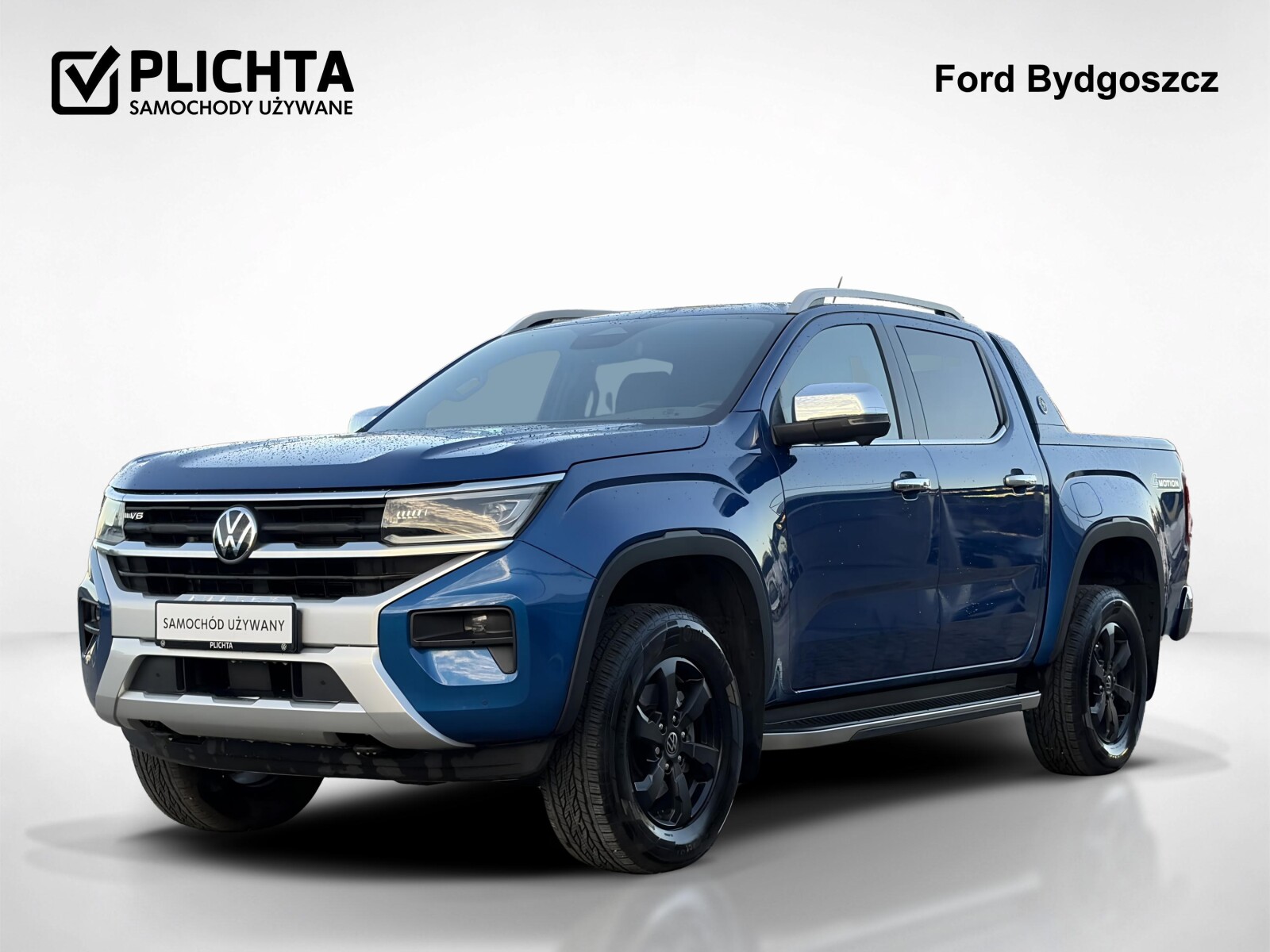
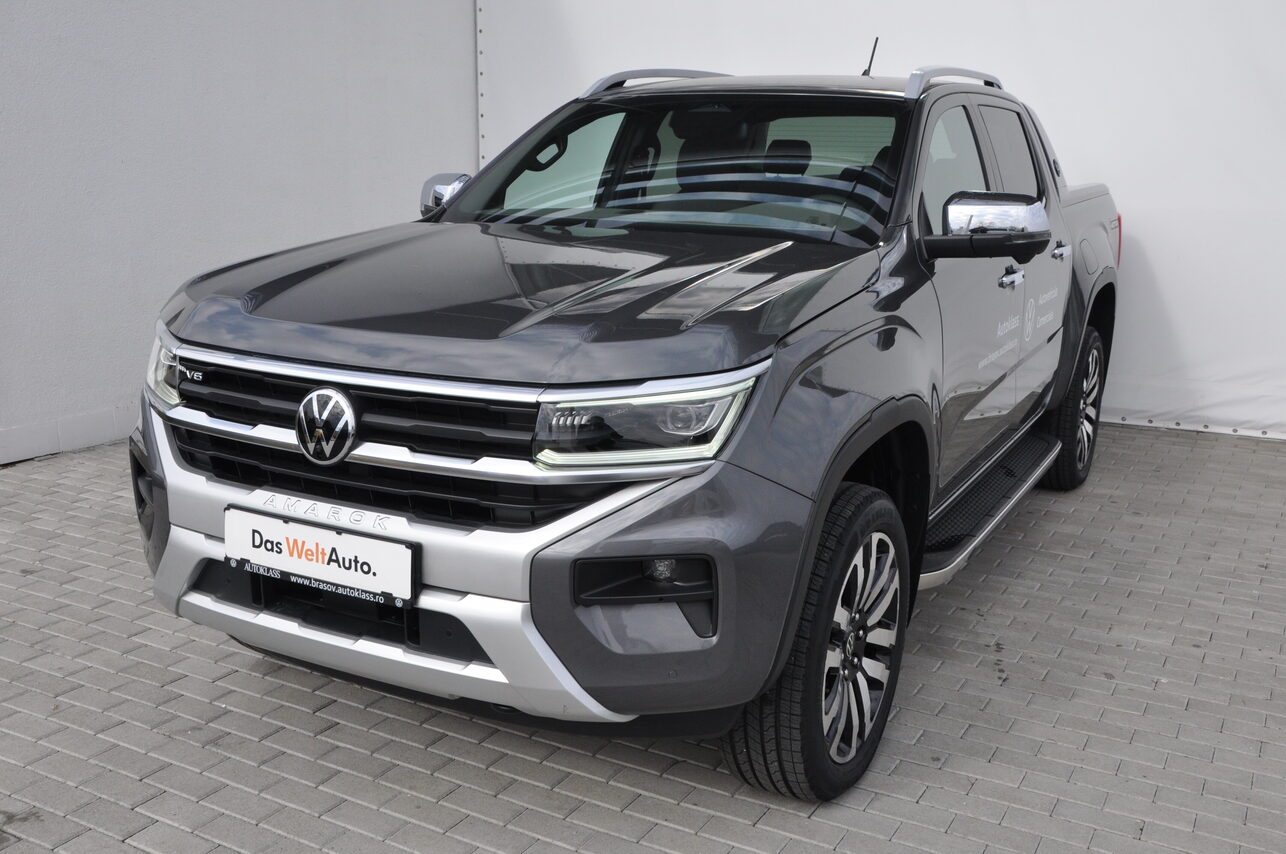
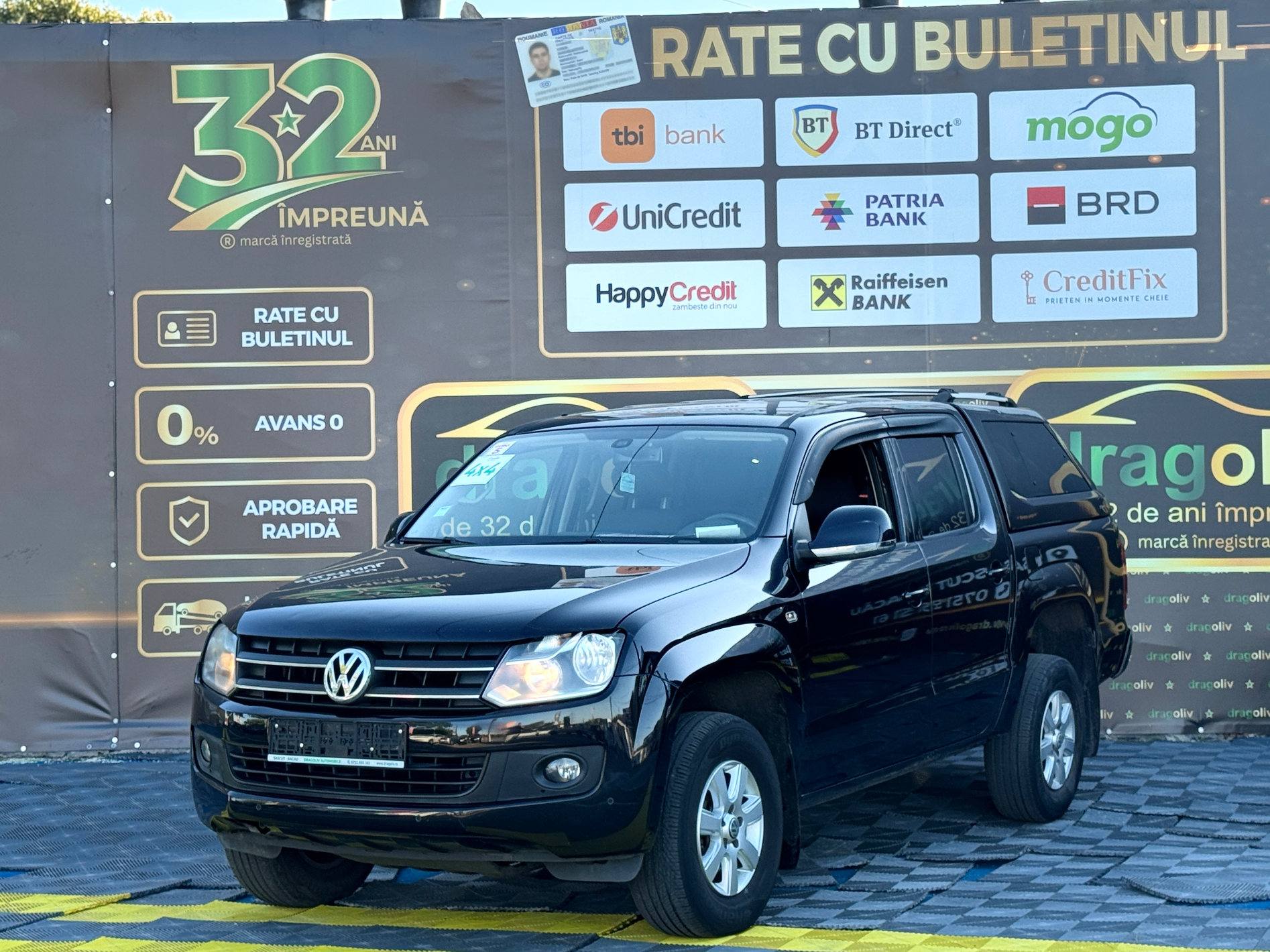
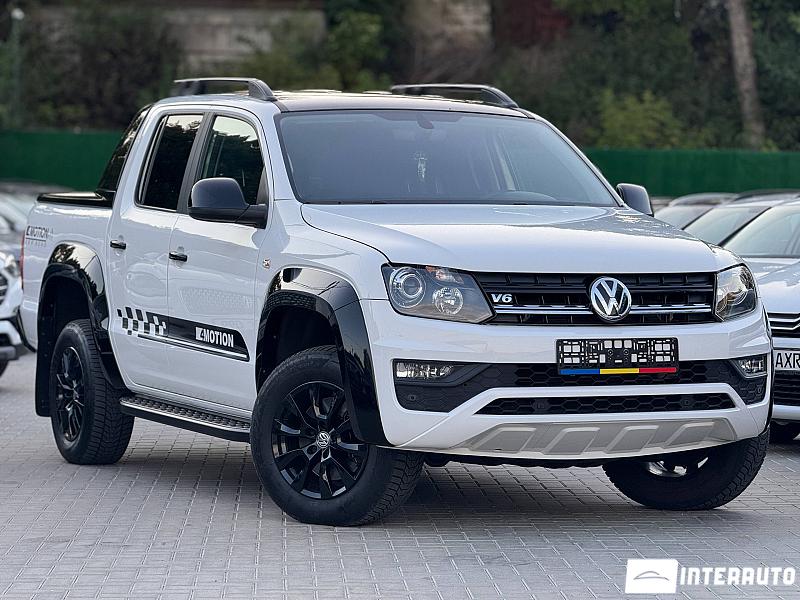
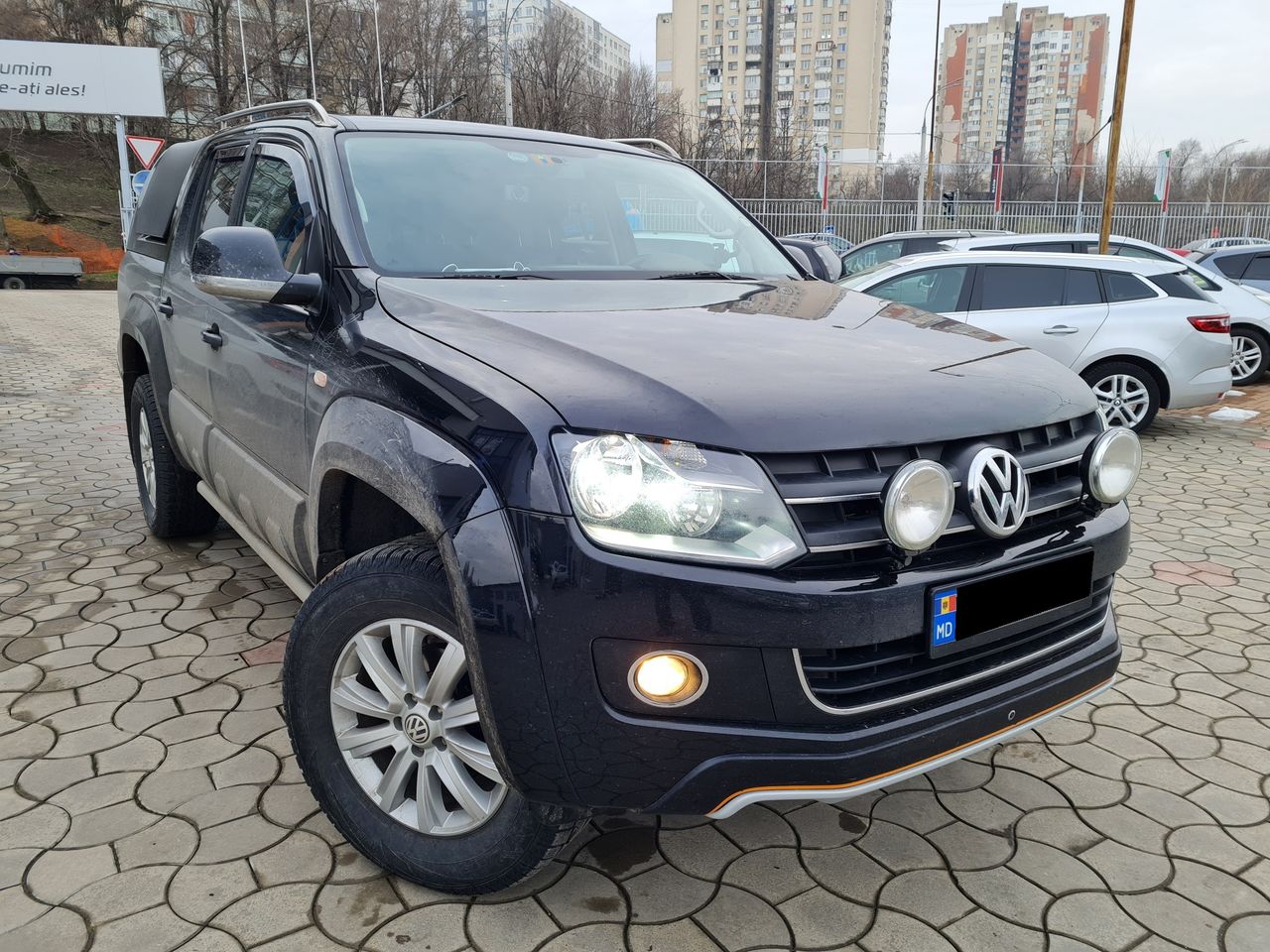
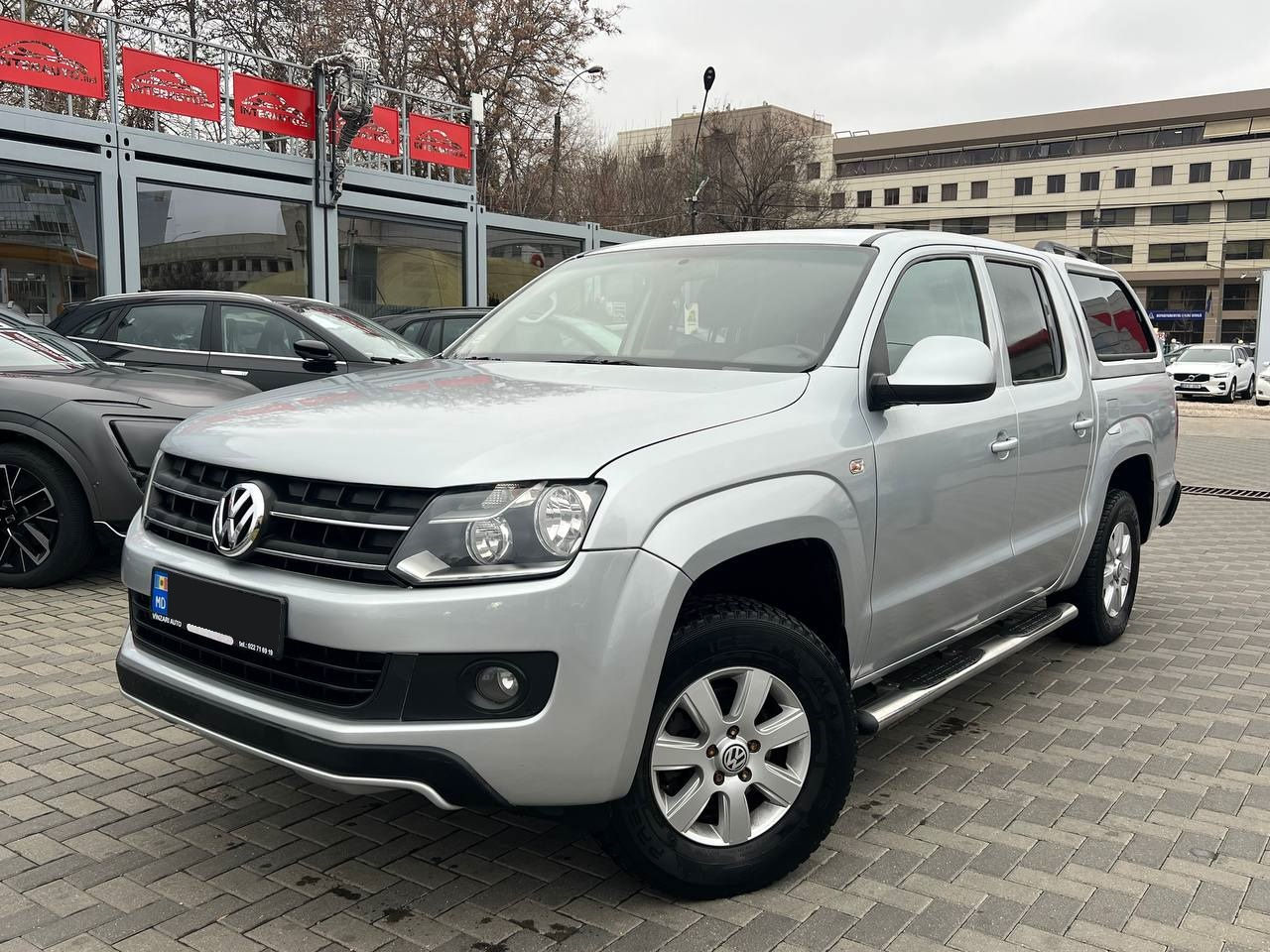
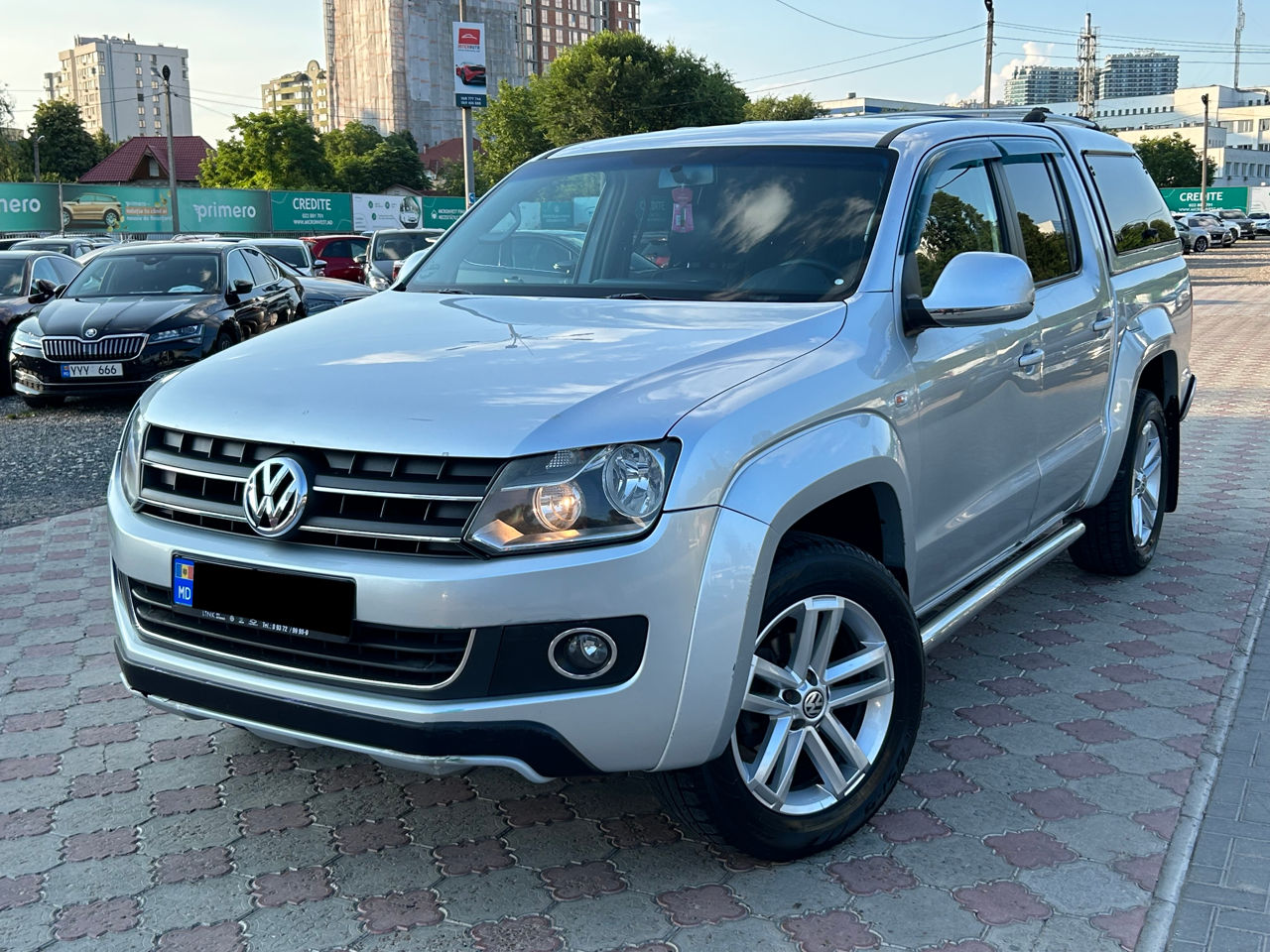
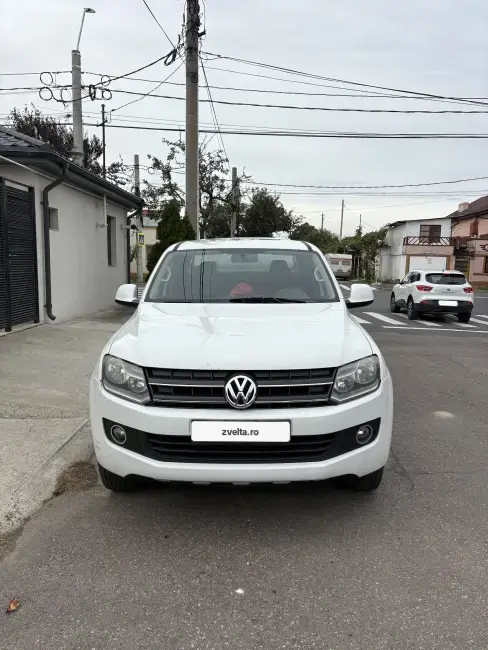
The Volkswagen Amarok stands out as a versatile pick-up that blends practicality with everyday usability. If you are looking to buy or sell a pickup in urban or rural areas, understanding the different Amarok generations, engine options, body configurations, and typical pricing can help you make a confident decision. Whether you need a reliable work companion or a vehicle ready for weekend adventures, the Amarok offers a balance of cargo space, towing capacity, and comfort that fits many buyers.
When evaluating a Volkswagen Amarok, consider the year, mileage, and condition as primary indicators of value. The model line spans several generations, with engines ranging from efficient diesel options to more robust V6 configurations in some markets. Key factors include:
Pricing for the Amarok varies by country, city, and generation. In many markets, a mid-range Amarok from recent years may sit in mid-tier price segments, while older generations with higher mileage tend to fall into entry-level price points. When budgeting, also consider insurance costs, fuel economy, and potential maintenance expenses specific to diesel engines.
To compare options, create a short list focused on:
If you plan to use the Amarok for work, prioritize payload, towing capacity, and maintenance accessibility. For weekend trips, consider comfort features, suspension, and cabin noise levels. Always request a test drive to evaluate steering feel, braking, and overall drive quality.
If you are listing a Volkswagen Amarok for sale, present clear, honest details:
Whether you buy or sell, the Volkswagen Amarok’s blend of utility and comfort makes it a strong option in the pickup segment. With careful buying checks, thoughtful comparisons, and honest listings, you can find a model that meets your needs and achieves a fair market price.
 Add as preferred sourceSee more from zvelta in Google Search Add as preferred source