 EN
ENDEALER
6.051 US$DEALER
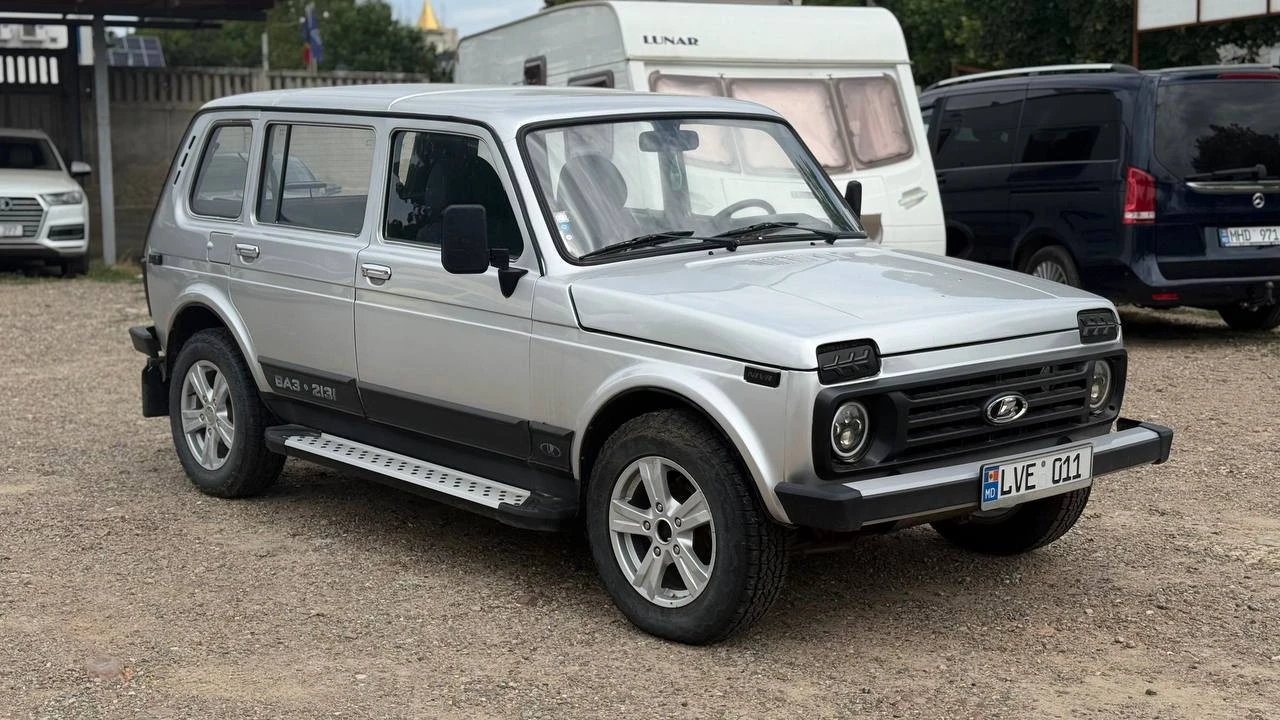
VAZ (Lada): Niva, 2008, gasoline, manual, 86K km, SUV, All Wheels Drive, 1,690 cm3, grey, Used condition, In stock

autohouse-cahul.md
 Moldova, Cahul
 Moldova, Cahul
When you’re in the market for a rugged, compact SUV, the Lada Niva (VAZ) stands out for its simple construction and off-road heritage. This guide helps buyers compare generations, fuel types, and body styles, and helps sellers position a Lada Niva Niva to attract the right audience. Whether you’re targeting city driving or serious off-roading, understanding the key factors can save time and money.
The Niva has several generations with distinct characteristics. Common models include the classic three-door SUV and later updates that improved interior comfort while retaining solid off-road capability. Consider the following when evaluating options:
Pricing varies by country and city, with regional markets often placing value on mileage, condition, and whether the vehicle has seen honest off-road use. When buying, request a full service history, inspect the chassis and steering geometry, and test-drive on varied surfaces to assess suspension behavior.
Pros:
Cons:
For sellers, highlighting documented maintenance, originality of parts, and a clean, honest history helps attract serious buyers. If you’re listing a Niva, include high-quality photos of the undercarriage and engine bay, notes about recent service, and clear information about mileage.
Whether you’re in a city or a rural area, the Lada Niva’s heritage as a utilitarian vehicle continues to attract buyers who value simplicity, durability, and easy spare parts. By understanding the nuances of different generations and keeping expectations realistic about modern comforts, you can make a smart choice when buying or a confident, transparent listing when selling.
 Add as preferred sourceSee more from zvelta in Google Search Add as preferred source