 EN
DEALER
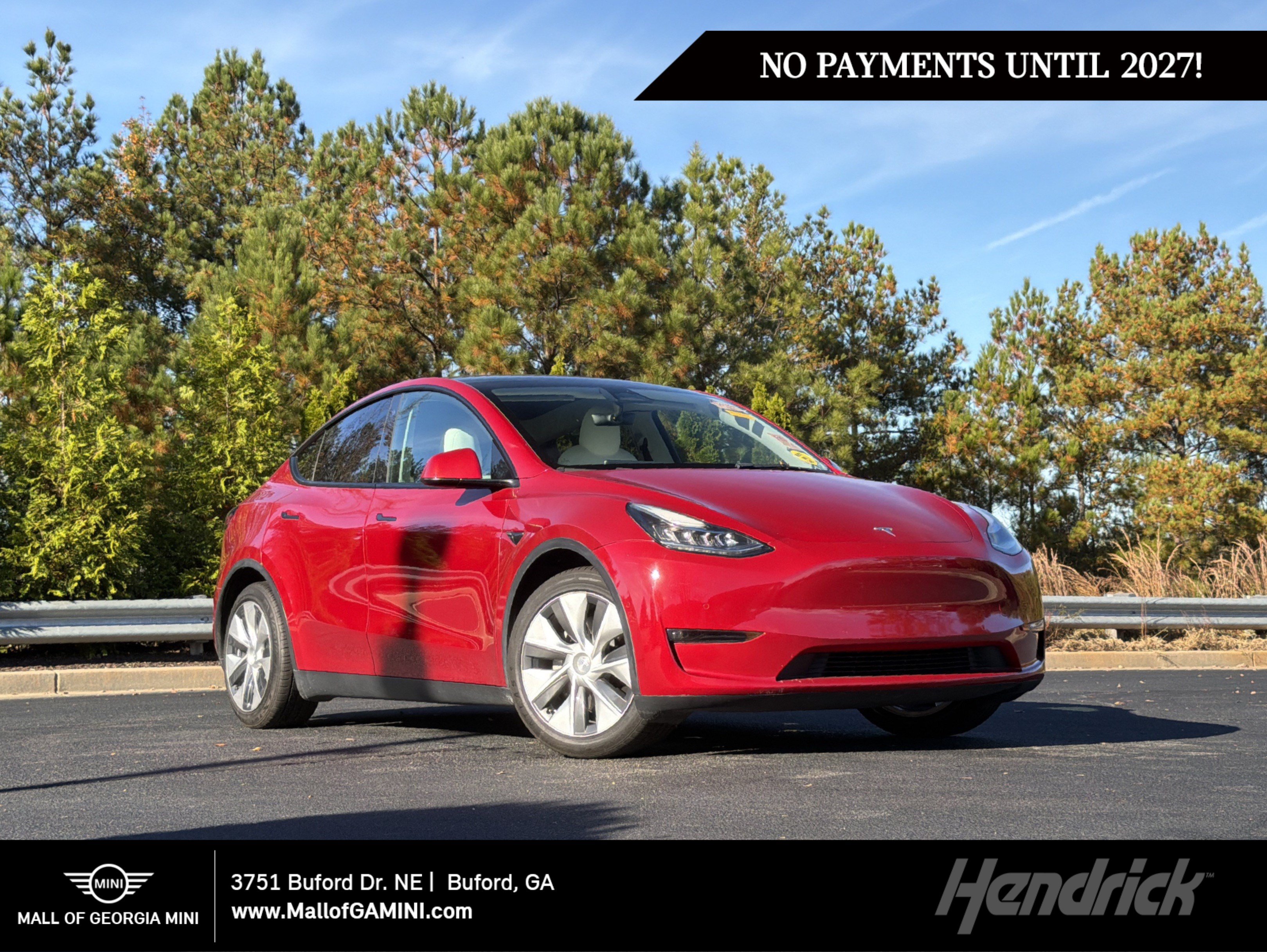
37.937 US$DEALER
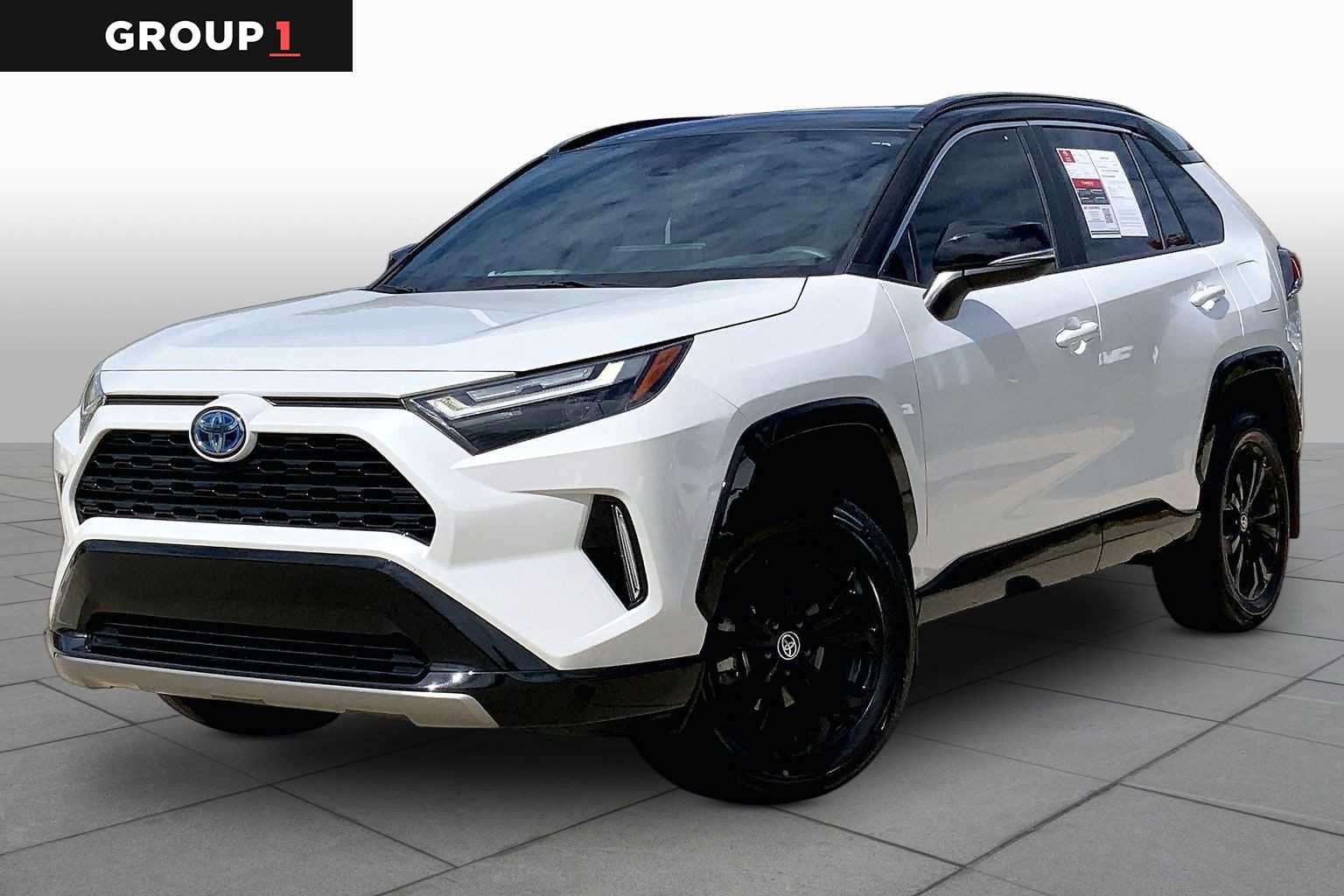
electric, automatic, 55K km, SUV, All Wheels Drive, two colors, Long Range, Used condition, USA, In stock

HendrickCars.com
 Buford, United StatesBuford, United States
 Rock Hill, United StatesApex, United StatesApex, United StatesApex, United States
 Pebblebrook, United StatesCarson, United StatesHickory, United StatesHickory, United StatesBrentwood, United StatesBrentwood, United StatesBrentwood, United StatesBrentwood, United StatesBrentwood, United States
 Southwest, United StatesSouthwest, United StatesSouthwest, United StatesSouthwest, United StatesSouthwest, United StatesSouthwest, United StatesSouthwest, United StatesSouthwest, United StatesSouthwest, United StatesSouthwest, United StatesMishawaka, United States
When you’re in the market to buy or sell a car, color and model often top the list of deciding factors. This guide walks you through how to approach a purchase or sale when color options are limited to two tones and you’re focused on a specific brand, model, generation, and fuel type. Understanding these details helps you compare offerings, set realistic expectations for price, and communicate your needs clearly to dealers or private buyers.
Choosing the right car starts with the essentials: brand, model, and generation. Whether you’re looking at a compact hatchback or a family sedan, note the year, mileage, and body type to gauge condition and remaining value. When color choices are restricted to two colors, think about long-term resale appeal, maintenance, and how the hues age over time. Popular two-color options often combine a main color with an accent or two-tone scheme, which can influence price and perception of originality.
Consider fuel type as a companion to the color and model choice. Petrol cars may offer easier maintenance and wider availability of parts, while diesel, hybrid, or electric variants can affect running costs and environmental impact. For many buyers in different markets, a cleaner fuel option is a strong selling point, but it may limit the pool of available examples in a given two-color configuration.
When evaluating options, create a simple checklist that includes: brand and model, generation, year, mileage, body type, color pair, fuel type, and price range. Check whether the car has a full service history, recent maintenance, and any notable wear in key areas like the engine, transmission, brakes, and tires. For two-color schemes, confirm whether the appearance is a factory finish or a later customization, as this can impact value and authenticity.
If you’re buying, compare similar cars within the same generation and with the same color pairing to understand market pricing. If you’re selling, highlight the advantages of the two-tone look and any recent upkeep that justifies your asking price. Transparent information about the vehicle’s condition helps build trust and accelerates negotiations.
For sellers, a well-presented listing that emphasizes reliability, upkeep, and the two-tone appearance can attract serious buyers. For buyers, focusing on the alignment of color, model, and generation with your daily needs will help you choose a car that remains appealing over time.
If you’re weighing whether to buy a two-tone color car in your market, consider the likelihood of future resale, maintenance costs, and the availability of spare parts for the chosen model and fuel type. A careful comparison across similar generations and color pairings will lead to a confident decision and smoother negotiations.
 Add as preferred sourceSee more from zvelta in Google Search Add as preferred source