




- 1
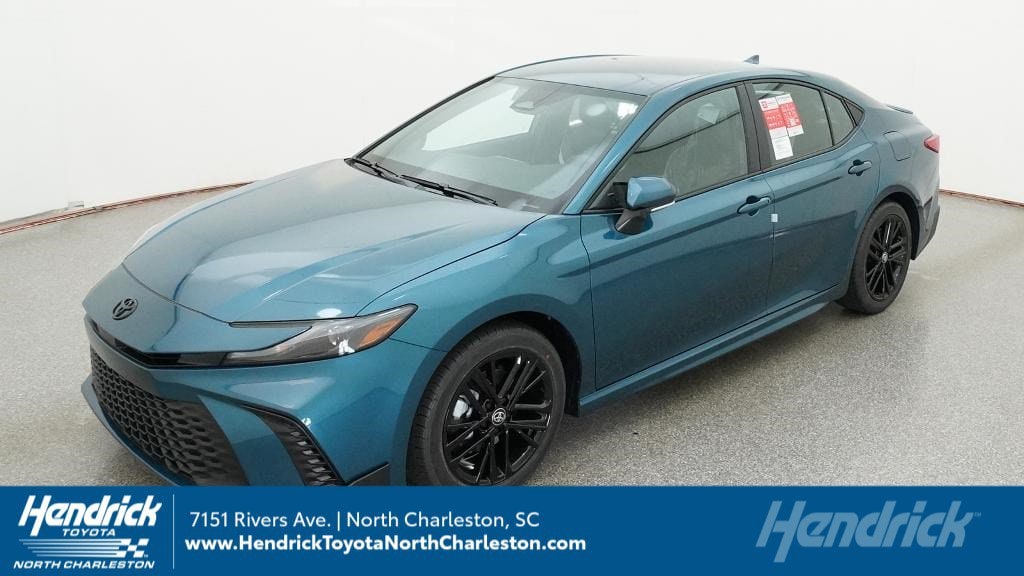
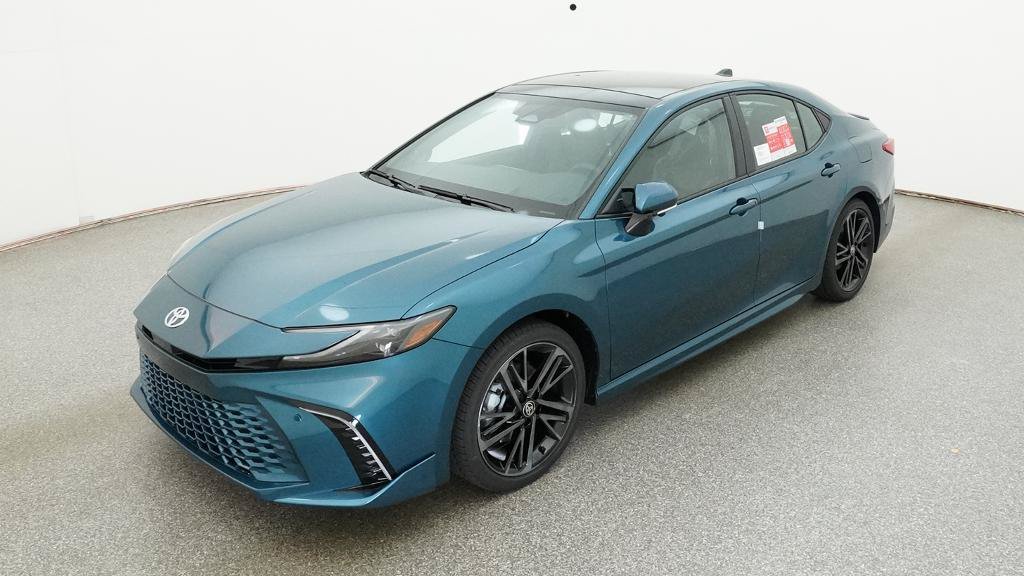
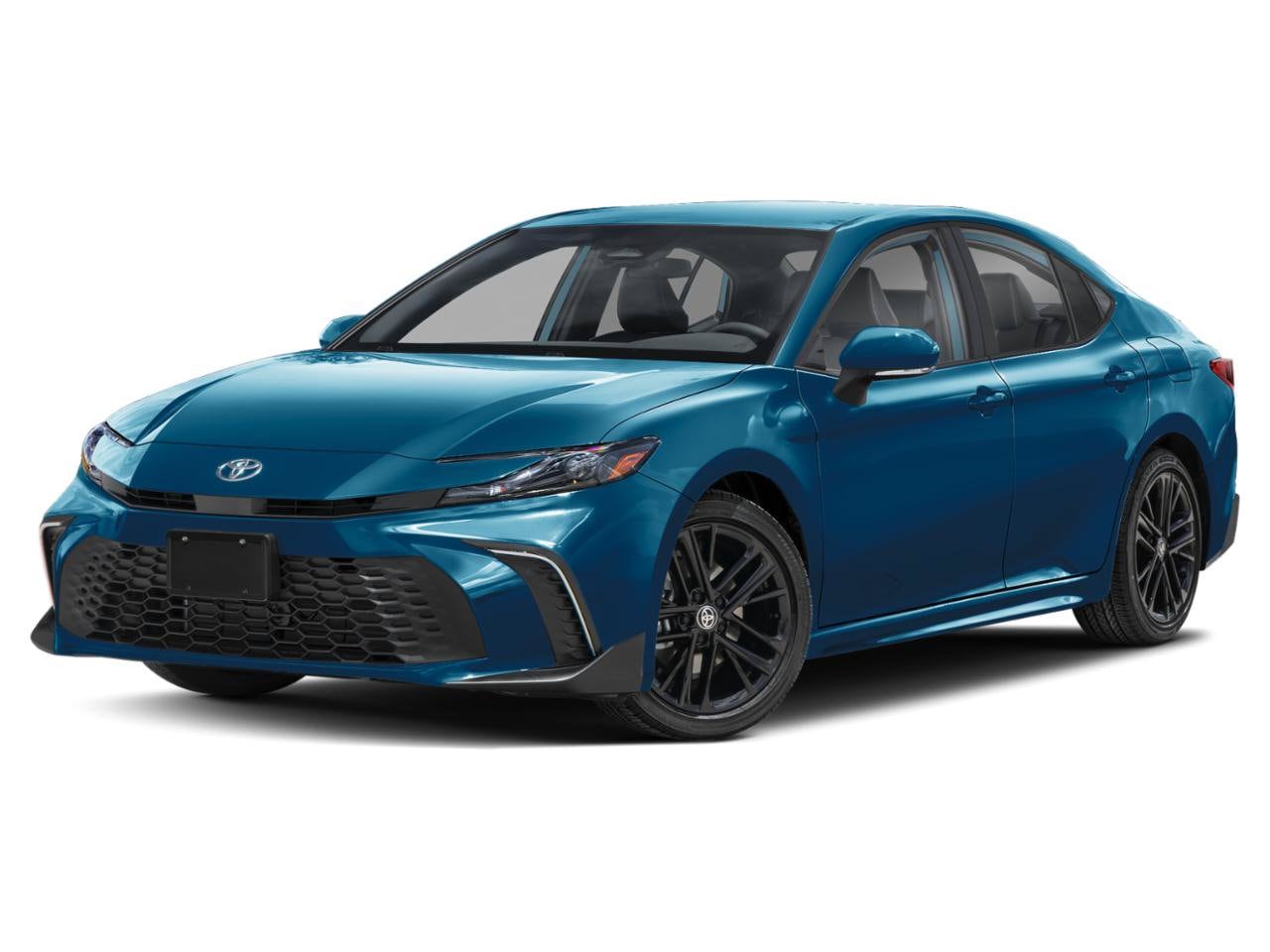
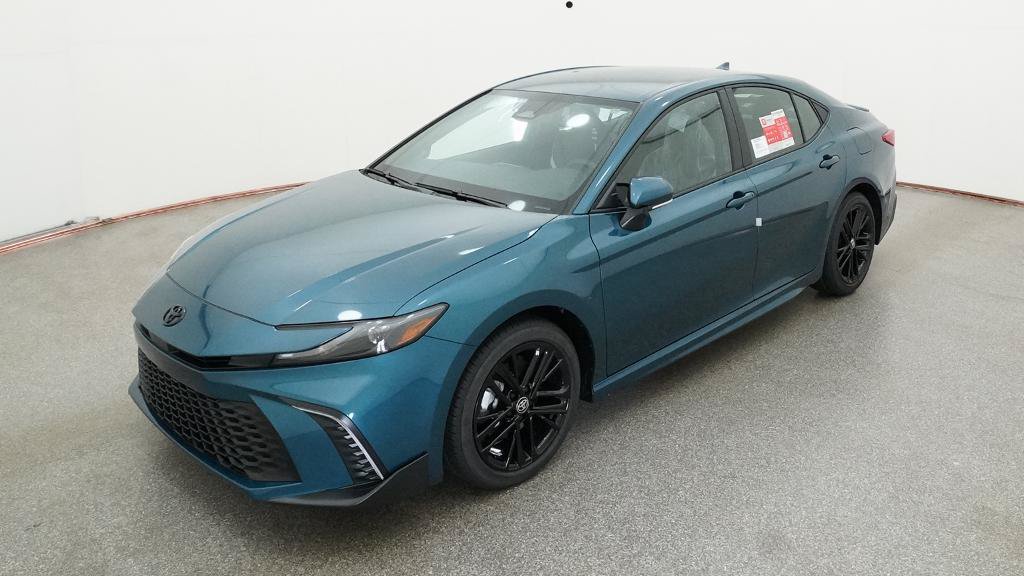
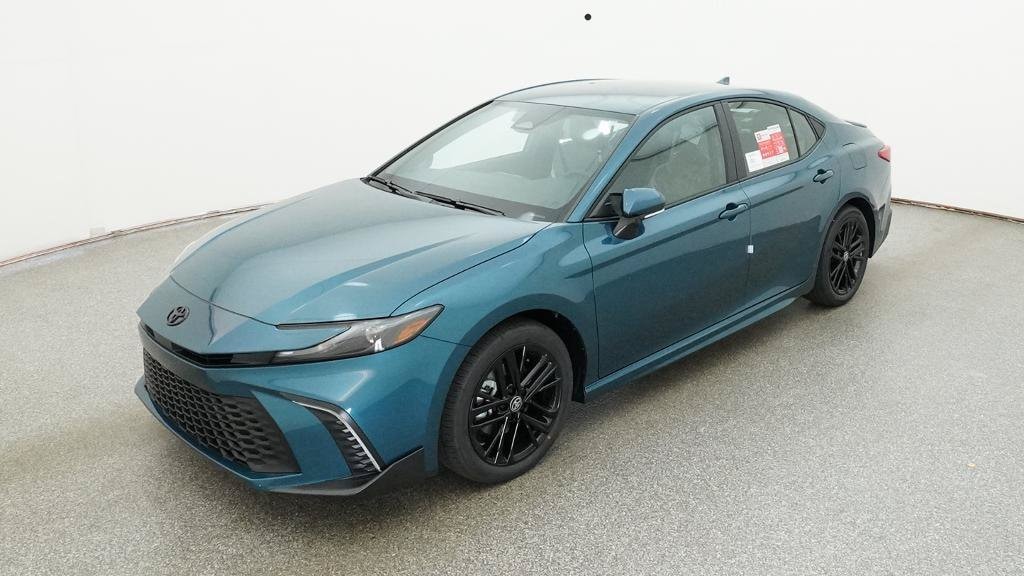
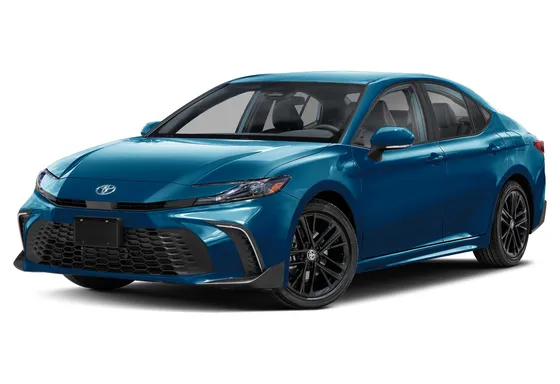
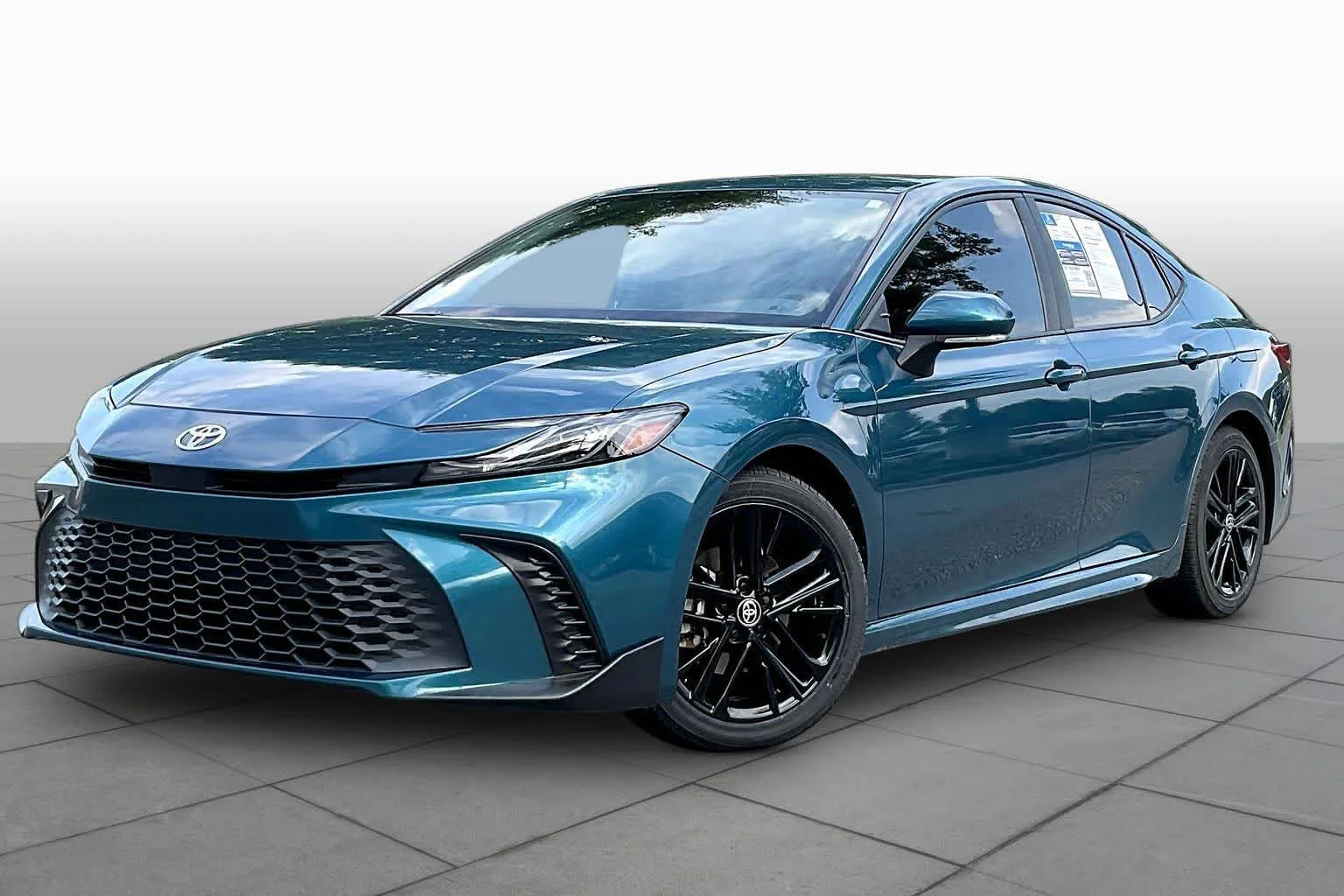
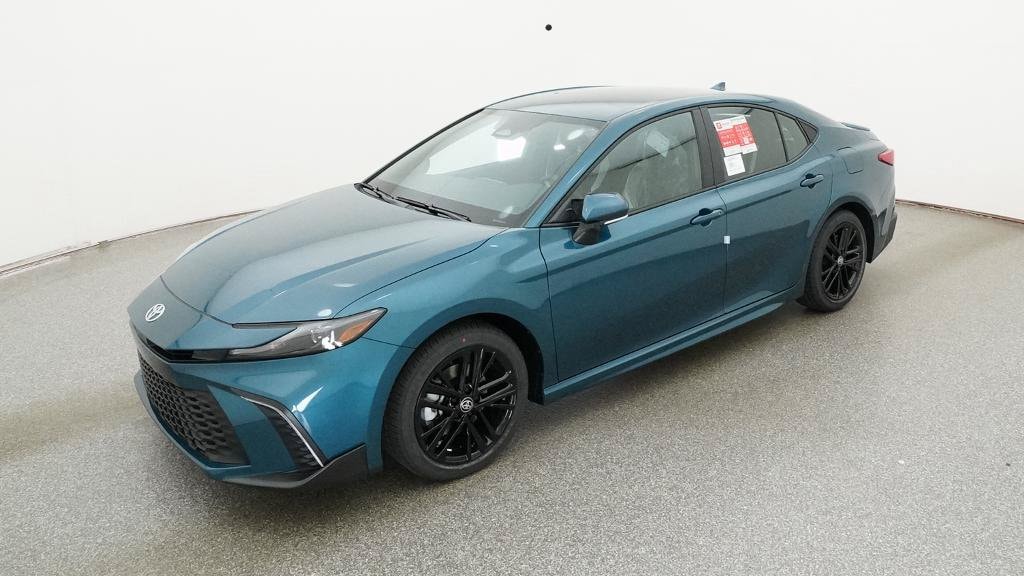
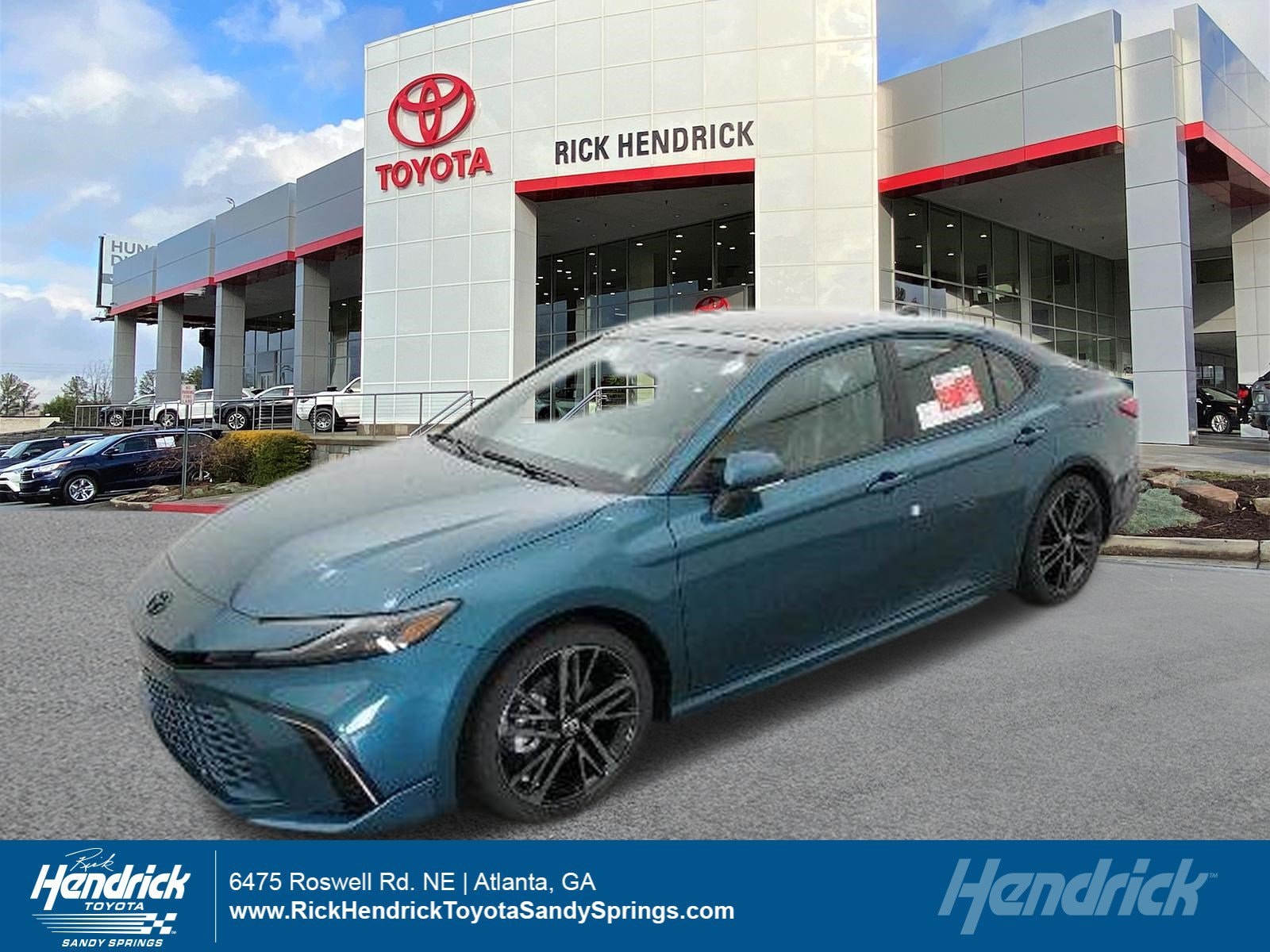
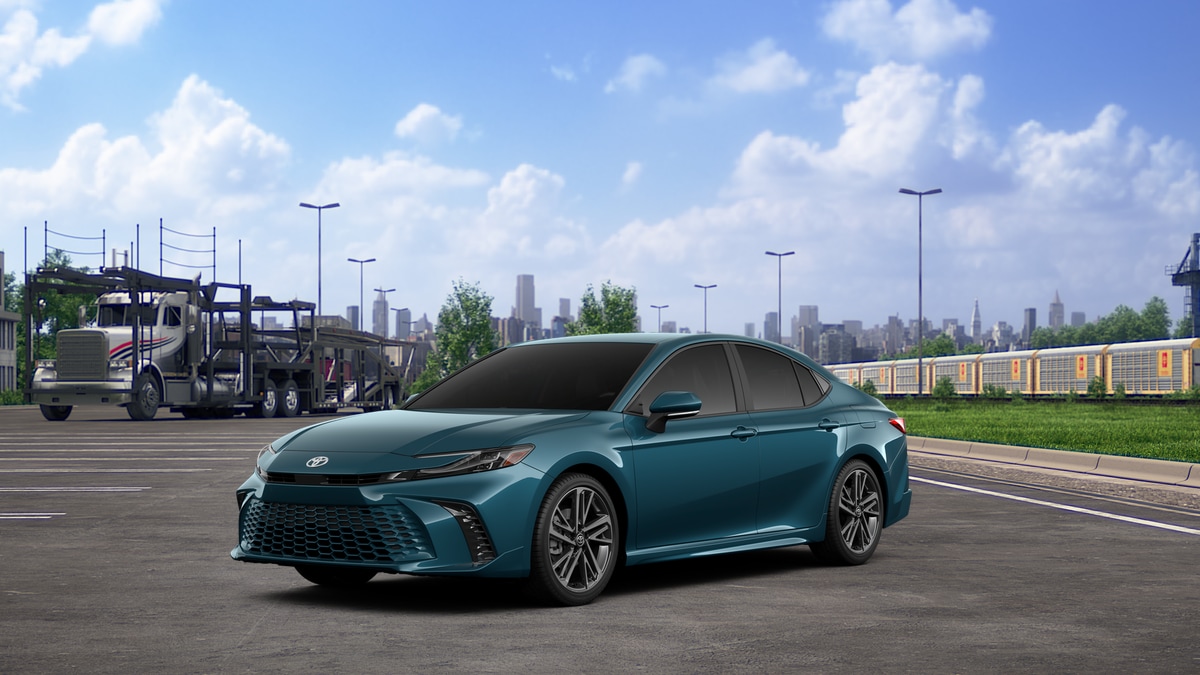
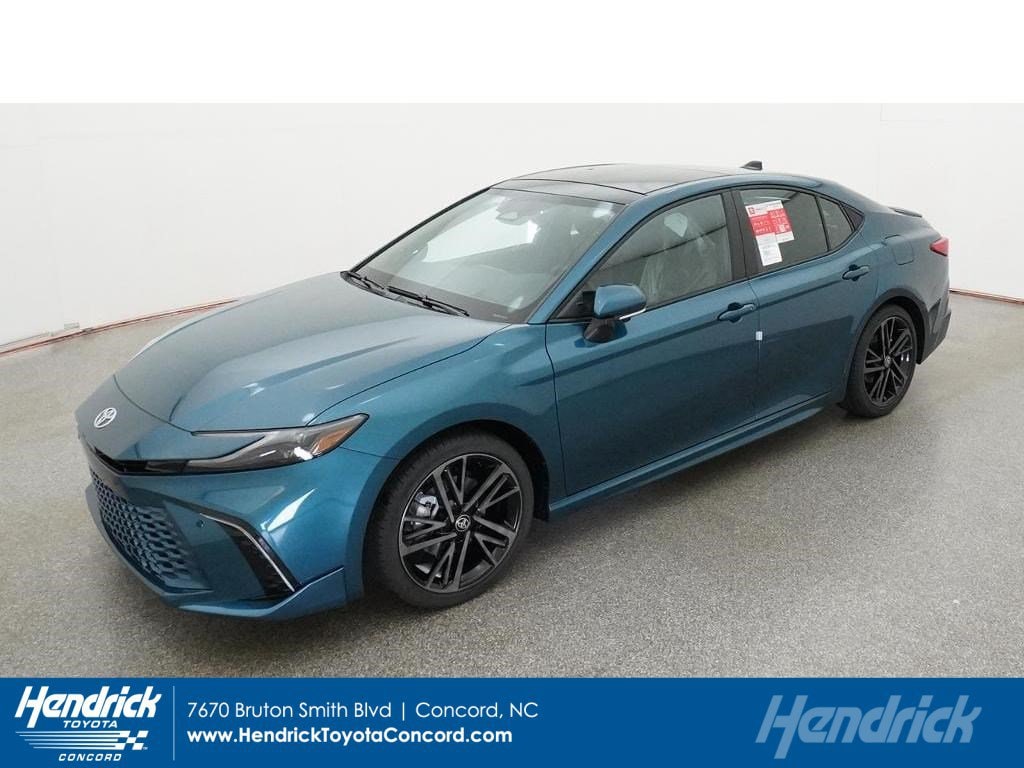
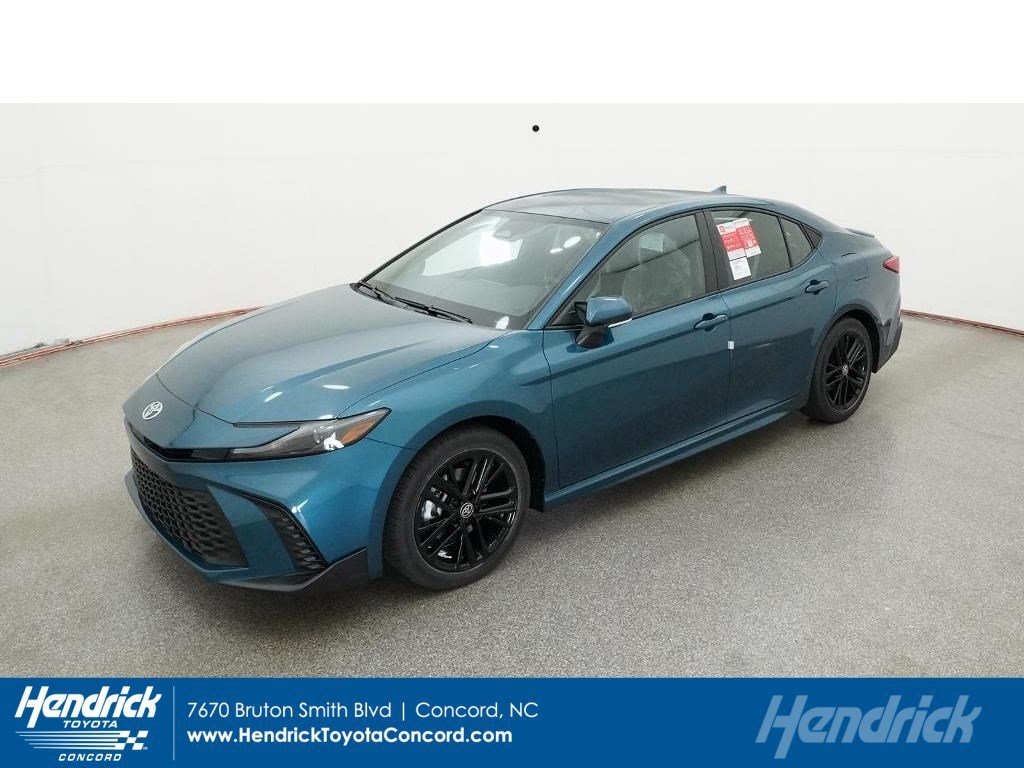
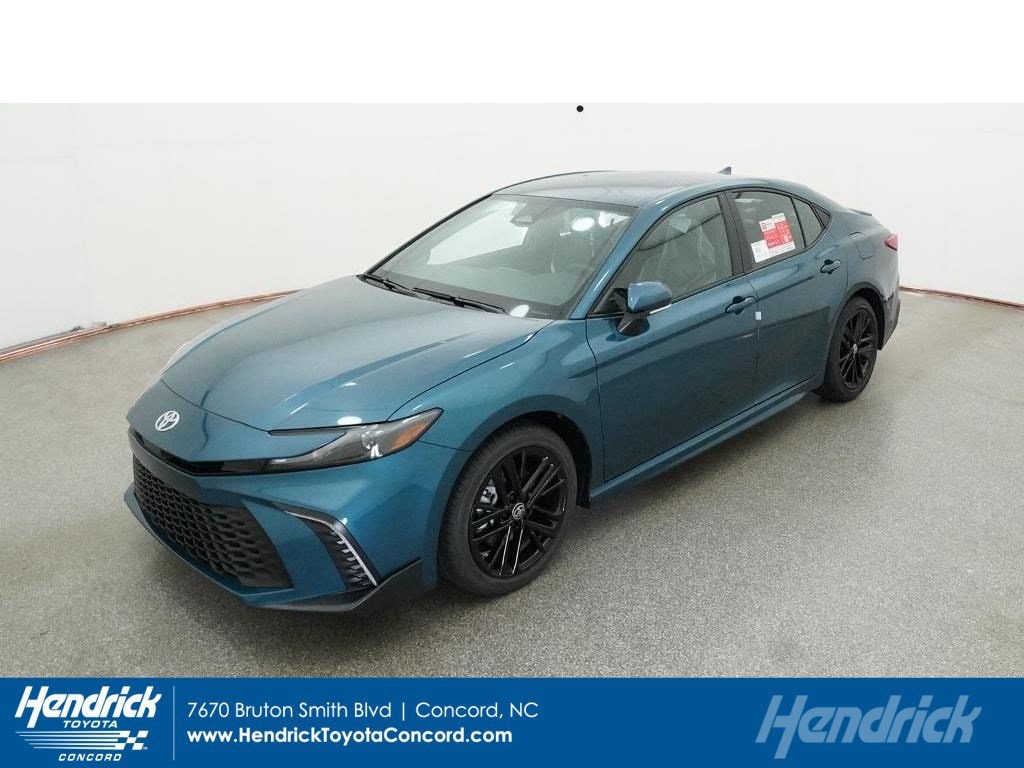
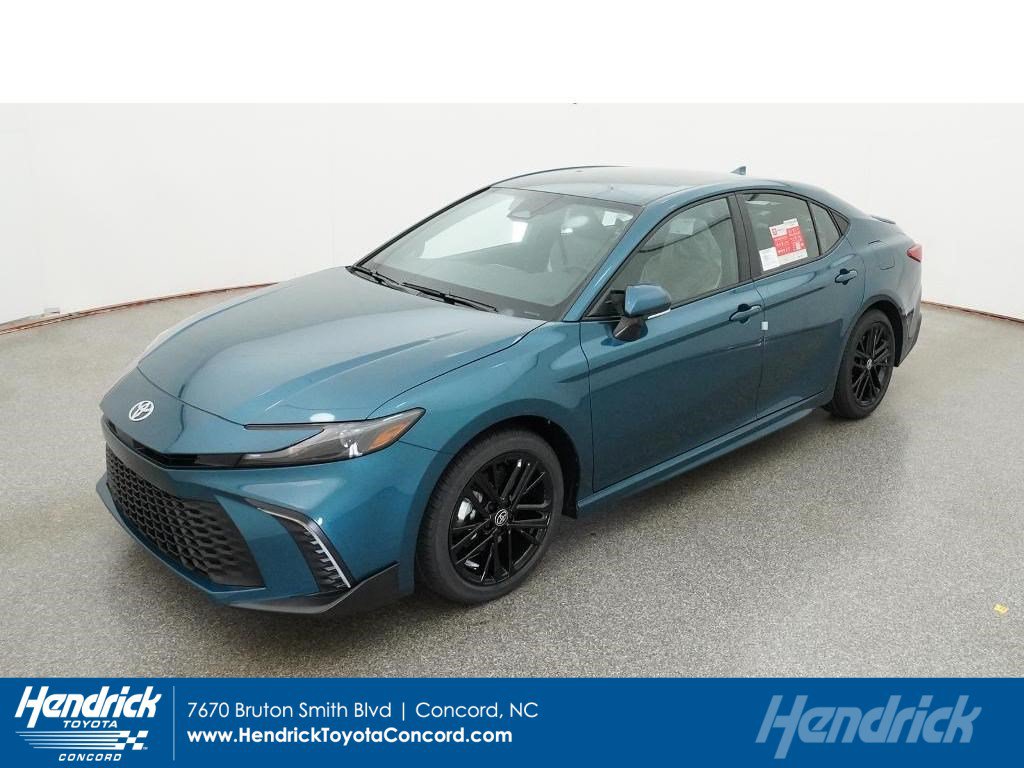
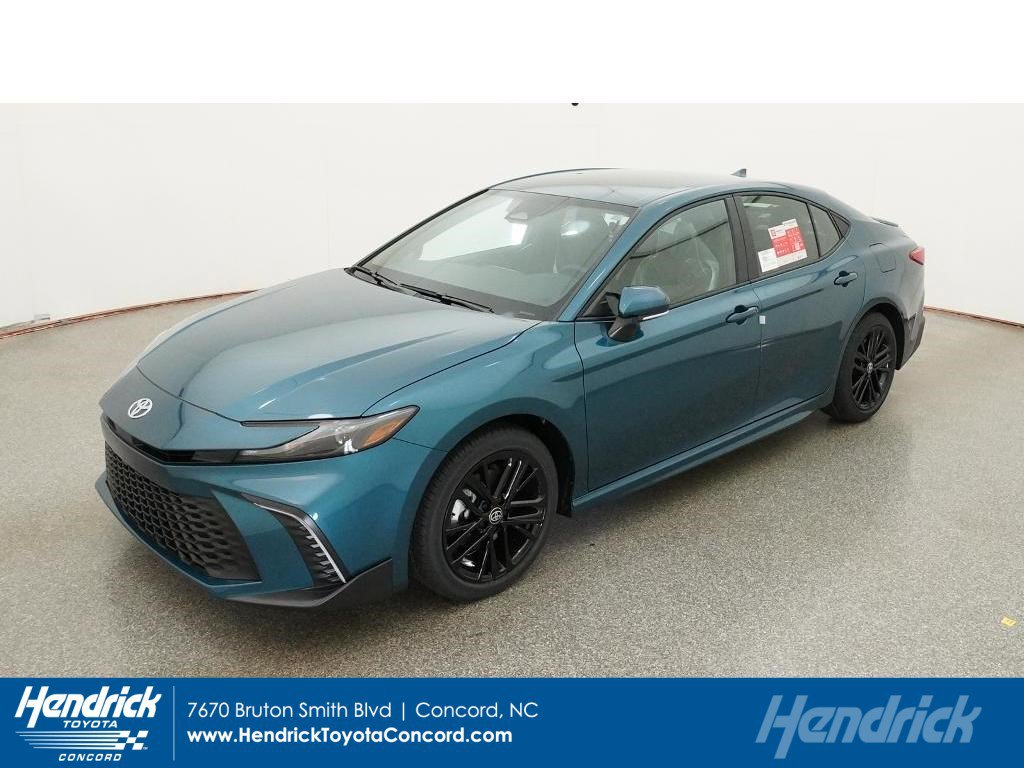
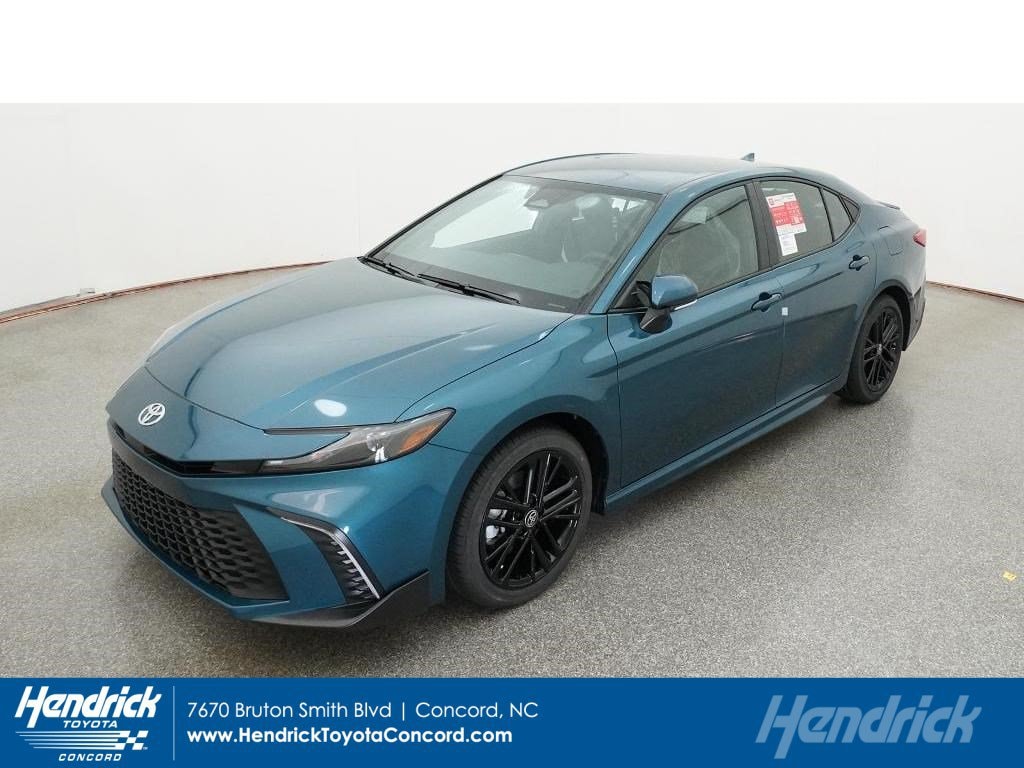
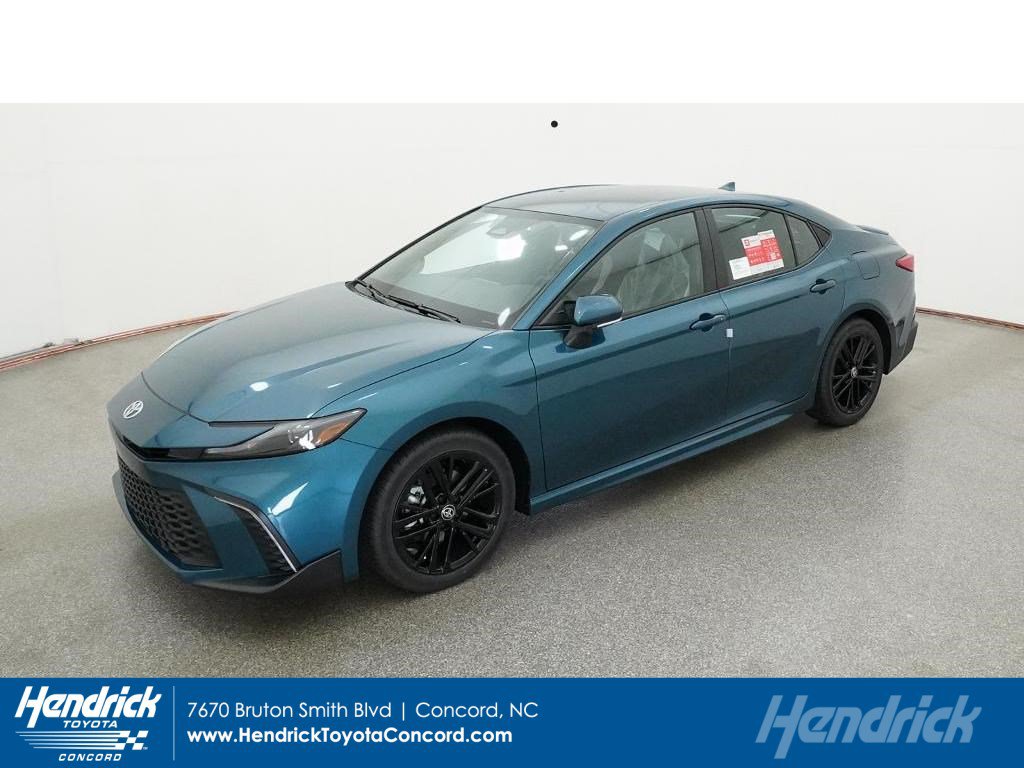
Turquoise cars stand out with a vibrant, refreshing hue that can suit many lifestyles, from urban commuters to weekend explorers. If you’re in the market for a turquoise vehicle, you’ll want to think about several practical factors before making a purchase. This guide helps you compare different brands, models, generations, body types, and fuel configurations, so you can decide what best matches your needs.
Start with your must-haves: budget, type, and fuel
When choosing a turquoise car, begin by listing your priorities. Decide on a rough price range and consider how you’ll use the car daily. If you need a compact hatch for city driving, a turquoise hatchback might be ideal; for family trips, a turquoise SUV could be more suitable. Also, check fuel type options—gasoline, diesel, hybrid, or electric—along with expected mileage and charging infrastructure if you lean toward electrification. Brands and models with proven reliability often span several generations, so it’s useful to compare the latest generation against earlier versions for features, safety ratings, and maintenance costs.
Compare models by generation, mileage, and body style
In many markets, turquoise color availability varies by generation and trim. Look at how a model’s generation shift affected technology, comfort, and efficiency. For example, a newer generation may offer advanced driver assists, improved infotainment, and better fuel economy, while an older generation might present a lower purchase price but higher maintenance needs. Pay attention to mileage expectations and typical wear for the specific body style—sedan, hatchback, SUV, or crossover—as this influences long-term ownership costs and resale value.
Practical tips for evaluating turquoise cars
- Review total ownership costs: depreciation, insurance, maintenance, and tires.
- Check common issues reported for the model and generation you consider, especially for the body type you want.
- Inspect the interior and exterior for color-related wear, chrome trim, and paint protection options that affect resale value.
- Compare fuel efficiency data across configurations and driving scenarios to estimate real-world economy.
- Request a thorough pre-purchase inspection from a trusted technician, focusing on engine, transmission, suspension, and braking systems.
Selling or buying: what to ask when you locate a turquoise car
If you’re selling, highlight the car’s turquoise finish as a curb appeal detail, but also emphasize recent maintenance, service history, and any upgrades that enhance value. When buying, use a checklist to ensure the color preference aligns with practical factors like accessibility of body panels, potential fading of the turquoise shade, and the availability of color-matching parts in your country of purchase. Compare prices across age and mileage brackets to determine fair market value, and consider the impact of country-specific taxes, road taxes, and warranties.
In summary, turquoise cars can be a smart choice for buyers who value distinctive styling combined with practical ownership considerations. By evaluating generation changes, body type, fuel configuration, mileage, and total cost of ownership, you can find a turquoise model that fits your budget and lifestyle.
 Add as preferred source