 EN
ENDEALER
38.995 US$DEALER
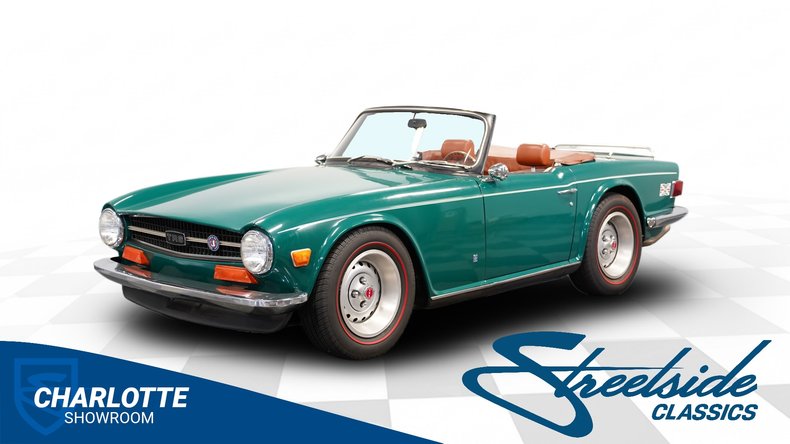
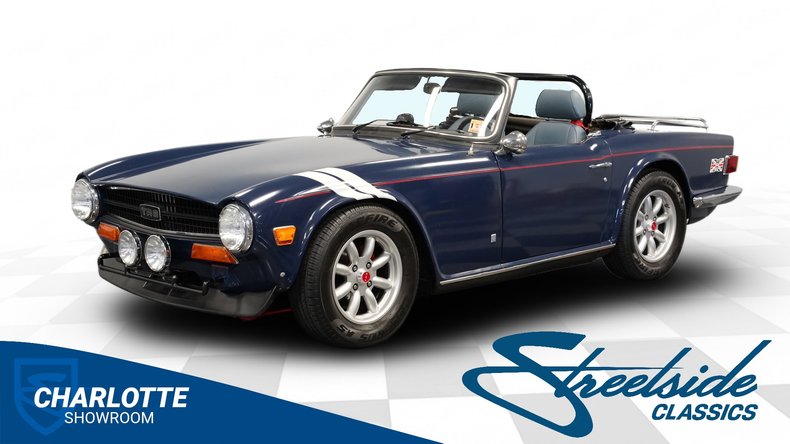
Triumph: TR6, 1974, manual, 11K km, 2,500 cm3, 2.5L Inline 6

StreetSideClassics.com
 United States
 United StatesUnited States
The Triumph TR6 remains a classic icon for road enthusiasts who value timeless design and engaging driving dynamics. If you’re considering buying or selling a Triumph TR6, understanding the different generations, preferred fuel options, body configurations, and typical price ranges helps you make an informed decision. Whether you’re targeting a clean, original example or a well-restored specimen, the right approach aligns with your budget, intended use, and long-term ownership plans.
The TR6 was produced from the late 1960s into the mid-1970s, with most cars powered by a 2.5-liter straight-six engine. Buyers often choose between roadster configurations with minimal bodywork and more comfortable, tour-ready setups. When researching, look for stories about the differences between early chrome-bumper cars and later rubber-bumper variants, as this affects both aesthetics and value. Popular engine choices and maintenance concerns include carbureted fuel systems and the availability of replacement parts for classic setups. If you’re evaluating a specific TR6, note the year, mileage and any documented engine work, as these details impact reliability and resale potential.
Price and condition vary with originality, restoration quality, and documented history. Common considerations include the cleanliness of the interior, the condition of the soft top, and the integrity of the fuel system. When assessing a car, inspect for rust in typical trouble spots, including the rocker panels and floor pans, and verify the functionality of the brakes, steering, and suspension. Mileage on a TR6 does not always reflect wear, given the vehicle’s age; ask for maintenance records and a clear service history.
For buyers integrating a TR6 into regular use, plan for maintenance demands, parts sourcing, and winter storage. A well-documented car with a solid restoration story often delivers the best ownership experience and resale prospects. If you’re selling, highlight digital photos, a transparent history, and any modernization work that improves reliability without compromising the car’s classic character.
Whether you are aiming to purchase a pristine original example or a thoughtfully restored TR6, the key is to align your choice with the car’s history, condition, and your personal goals as a collector or driver. With careful research and clear expectations, a Triumph TR6 can remain a rewarding and engaging classic for years to come.
 Add as preferred sourceSee more from zvelta in Google Search Add as preferred source