 EN
ENDEALER
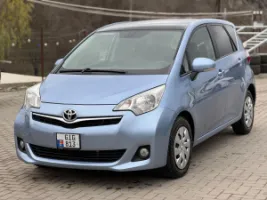
8.628 US$DEALER
diesel, automatic, 186K km, hatchback

ProAuto.md
 Moldova, Chișinău Municipality
 Moldova, Chișinău Municipality
The Toyota Verso-S is a compact MPV that appeals to families and anyone who values practicality and efficient use of space. If you’re considering buying or selling a Verso-S, you’ll want to understand the key details that influence value, how to compare different generations, and what to expect in terms of maintenance and running costs. This guide covers popular trims, typical fuel options, body styles, and what to look for in a used Verso-S in cities across the country.
When evaluating a Verso-S, pay attention to the model year, generation, and mileage. Early Verso-S models often feature compact dimensions with versatile seating and a modest cargo area, ideal for city driving. Later generations typically offer improved engines, better interior materials, and updated safety features.
When you search for a Toyota Verso-S, you’ll encounter variations by year, trim, and mileage. Here are practical tips to identify the best deal:
Pros for buyers include compact size for city parking, practical seating for up to five, and a reasonable price for a family-oriented vehicle. For sellers, Verso-S models in good condition with full service records and realistic pricing can attract interest from families and urban commuters alike. In many markets, the Verso-S remains a popular choice for those seeking a budget-friendly, dependable vehicle with flexible cargo options.
If you’re ready to pursue a Toyota Verso-S, use specific search phrases like “Toyota Verso-S price in [city],” “Verso-S fuel economy,” or “Verso-S service history” to find reliable listings and informed opinions from local sellers. A thoughtful approach to price range, mileage, and condition will help you secure a fair deal or attract serious buyers.
 Add as preferred sourceSee more from zvelta in Google Search Add as preferred source