EN
ENDEALER
47.525 US$DEALER
46.495 US$
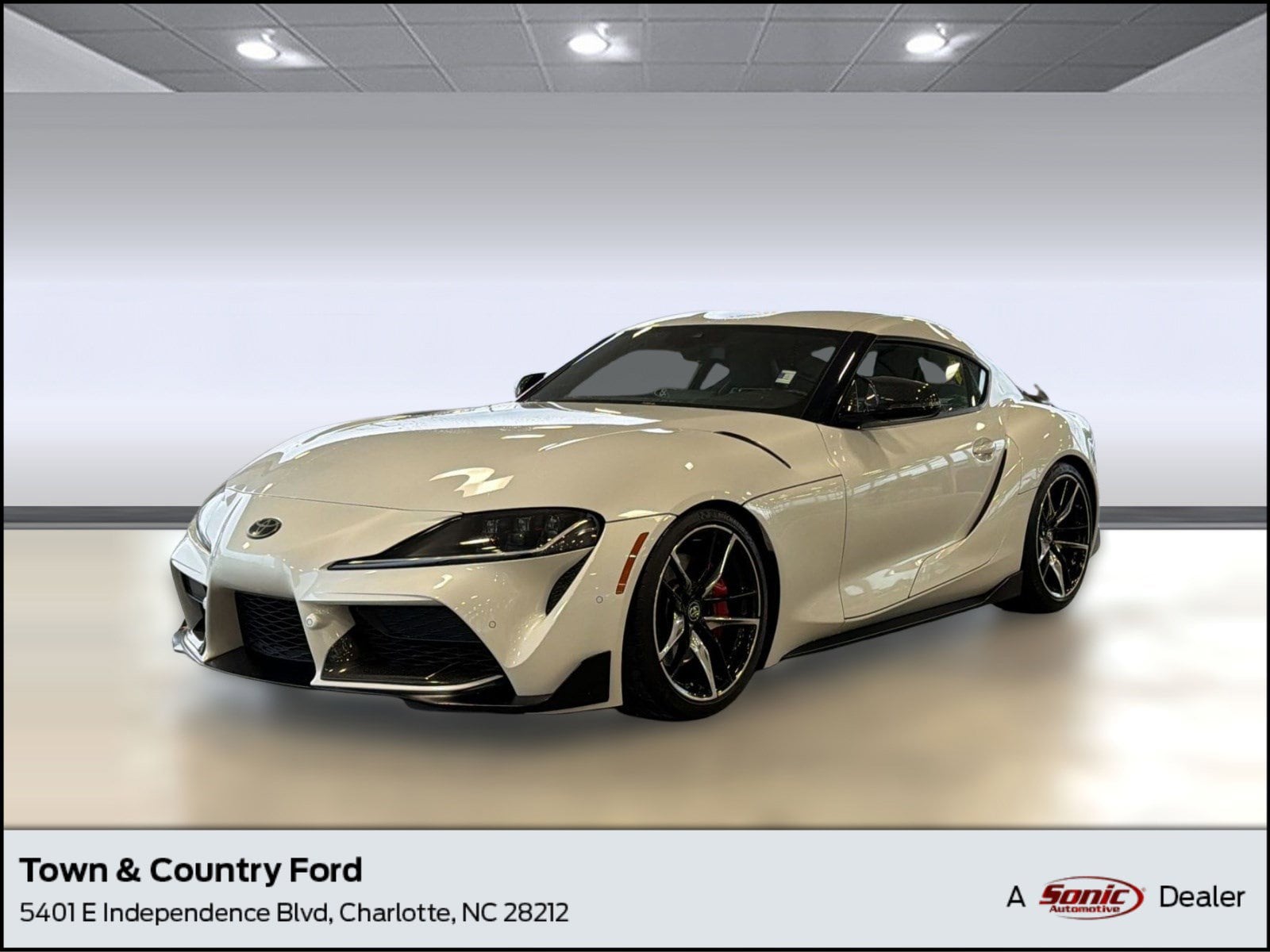
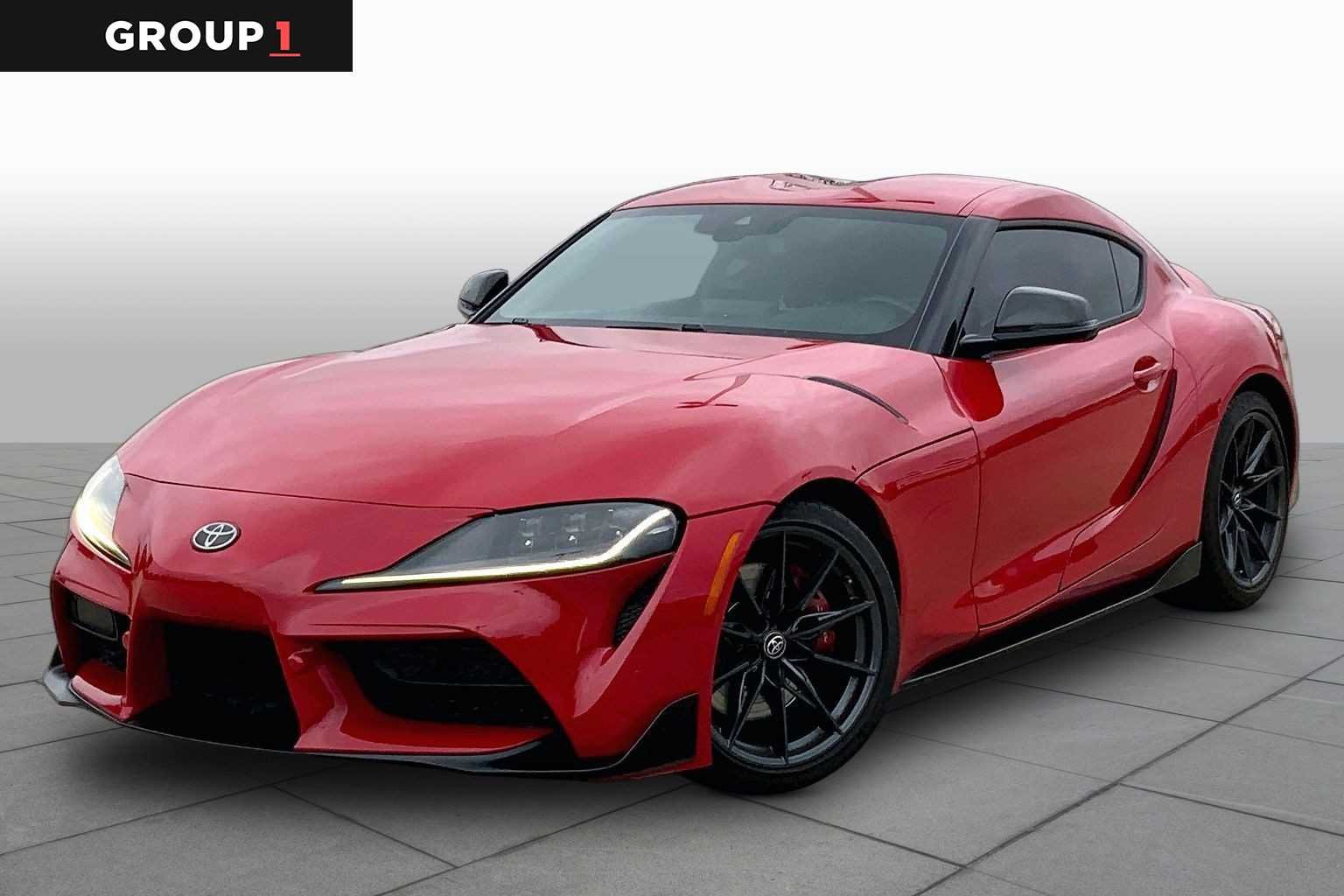
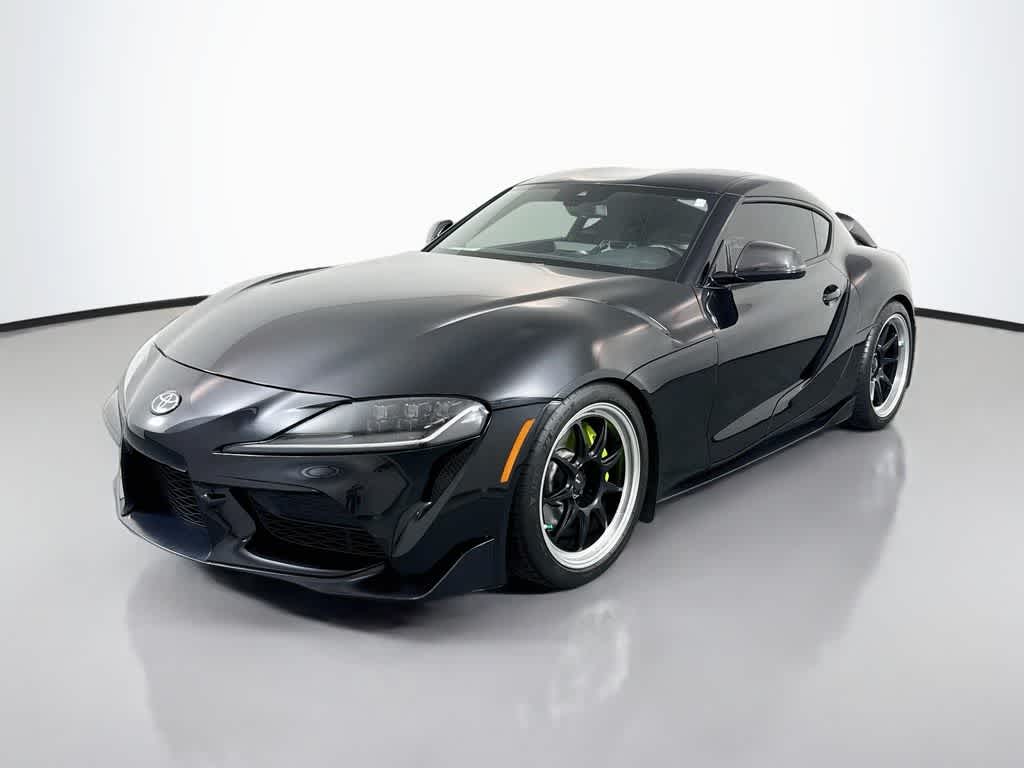
gasoline, automatic, 74K km, sedan, Rear Wheels Drive, 3,000 cm3, 382 hp, 3.0 Premium, Used condition, USA, In stock

Group1Auto.com
 Atlanta, United States
 Atlanta, United StatesCharlotte, United StatesChrysler, United States
 United StatesAnaheim, United States
 Comuna Ghiroda, Romania
 United Arab Emirates, Dubai
If you’re in the market for a Toyota Supra, you’re joining a community of enthusiasts who value performance, style, and reliability. This guide helps buyers and sellers understand what to look for when evaluating Supra models across generations, engines, and body styles, with a focus on practical decisions for real-world use. Whether you’re hunting in the city or the country, knowing the key factors will save time and improve confidence in your purchase.
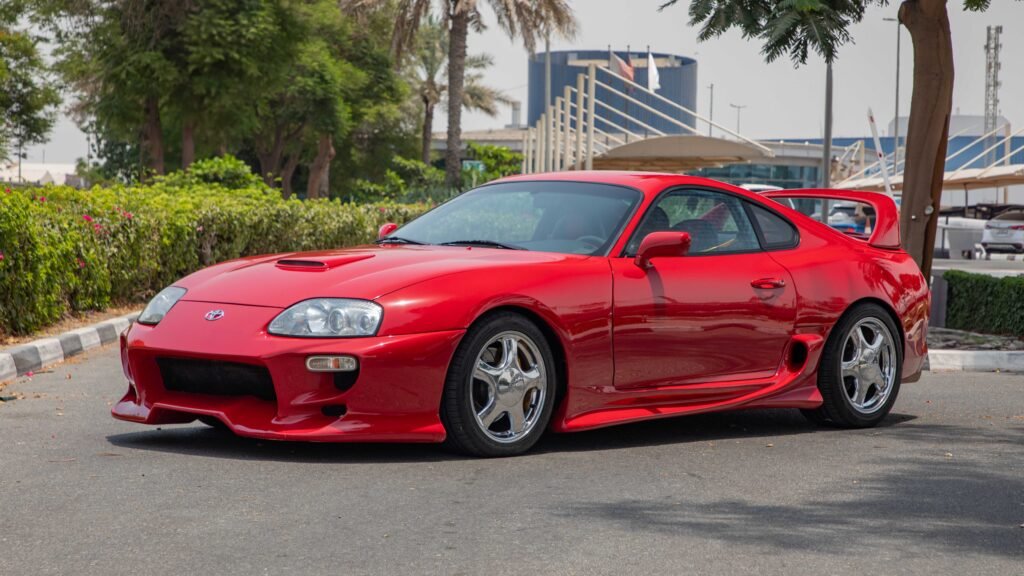
The Supra has evolved through several generations, each with distinct characteristics. The A80 (1993–2002) is revered for its torque-rich inline-six and classic design, while the A90/GR Supra (2019–present) emphasizes modern electronics, turbo power, and tighter handling. When comparing models, consider:
Buying a Supra involves a few careful checks to ensure reliability and value:
For sellers, documenting upgrades or modifications (turbos, ECU remapping, exhaust, suspension) can help justify asking prices in your local market. For buyers, compare price ranges across generations within your country and city to find a fair deal.
Prices for the Supra vary widely by age, condition, and location. A well-kept A80 can command strong interest among collectors, while a modern GR Supra balances daily drivability with track-ready performance. When evaluating price:
In urban areas with more car culture, you’ll find a broader selection and quicker resale for well-maintained Supra models. In smaller markets, demand can be higher for iconic generations like the A80, affecting negotiation ranges. Always:
If you’re weighing a modern GR Supra vs. a classic A80, align your choice with your driving goals, budget, and willingness to maintain a more complex vintage engine. With careful evaluation, a Toyota Supra can be a rewarding purchase or sale in your city.
 Add as preferred sourceSee more from zvelta in Google Search Add as preferred source