Toyota Probox: Practical Used Car Guide for Buyers and Sellers
If you’re exploring a Toyota Probox, you’re likely after a dependable, economical hatchback wagon that handles daily errands with ease. The Probox, known for its simple interior and practical cargo space, is popular in regions where practicality matters more than flashy features. Whether you’re in a city with narrow streets or suburbs needing extra storage, the Probox can be a solid fit for both personal use and small business fleets. This guide covers what to look for when buying or selling a used Probox, including generation differences, fuel choices, body styles, and realistic pricing considerations.
Key factors to consider when evaluating a Toyota Probox
- Generation and model year: Probox generations have evolved mainly in terms of interior space and safety features. Identify which generation you’re considering to compare seating layouts, cargo room, and expected reliability.
- Engine and fuel: Common options include reliable petrol engines with modest power, paired with front-wheel drive. Consider fuel economy for city driving and the cost of maintenance.
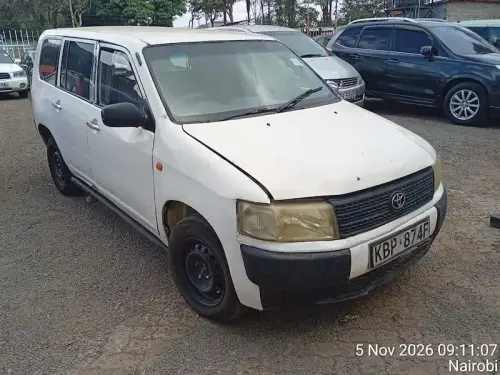
- Body style and practicality: The Probox emphasizes practical square-shaped cargo area and easy access. Check door configurations, seat arrangement, and load space to ensure it matches your needs.
- Mileage and maintenance history: Lower mileage can help with resale value, but a well-documented service history across main components (engine, transmission, brakes) is crucial.
- Country and market specifics: Availability, pricing, and common features differ by country and city. Look for local specs, tax considerations, and typical maintenance costs in your area.
How to compare Probox vehicles in your country or city
When you search for a used Toyota Probox, you’ll want a clear comparison framework. Start with price segments, then evaluate mileage, year, and condition.
- Price segment: Budget buyers may target older Probox models with higher mileage, while late-generation examples with lower mileage fetch higher prices. Determine your budget and compare ongoing ownership costs.
- Year and generation: A newer generation often offers improved safety and comfort, but comes at a higher upfront price. Balance features against long-term maintenance costs.
- Mileage and condition: Inspect service records for oil changes, timing belt replacements, and brake work. A Probox with thorough records can outperform a lower-mileage example with gaps in history.
- Local availability: In some markets, Probox supply aligns with small businesses and fleet operators. Check multiple local listings to gauge typical asking prices and negotiation ranges.
Practical buying and selling tips
- Test drive for city practicality: Ensure gear shifts are smooth, steering is responsive, and the cargo area aligns with your daily tasks.
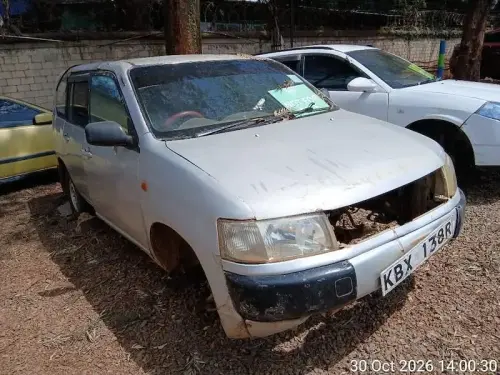
- Inspect the cargo area and seats: Look for rust, dampness, and seat wear. A used Probox with well-maintained interior tends to retain value.
- Verify paperwork: Check VIN, service stamps, and any warranty documentation. For sellers, clean maintenance records and honest depreciation reporting help close a deal faster.
- Consider total ownership cost: Include insurance, fuel, routine maintenance, and potential repairs. The Probox’s reputation for reliability can keep ownership costs predictable.
Is the Toyota Probox right for you?
If you prioritise practicality, low running costs, and straightforward maintenance, the Probox remains a sensible choice. It’s particularly appealing for urban usage, small businesses needing cargo space, and buyers who value a compact yet roomy interior. By focusing on model year, mileage, and service history, you can identify a Probox that fits your needs and budget while ensuring a reasonable resale value when the time comes to sell.