EN
ENDEALER

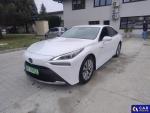
2019, automatic, 203K km, hatchback, 154 hp, white, fcv executive, Used condition, Europa, In stock, sale date 23.10.2026 03:15

CarOutlet.eu
 Netherlands
Auction starts
23 Oct, 03:15
 Netherlands
 PolandSulejówek, Poland
The Toyota Mirai stands out in the sedan segment as a next-generation alternative fuel car that runs on hydrogen. If you’re exploring whether a fuel-cell vehicle fits your daily routine, this guide will help you understand crucial factors like range, refueling, body style, and ownership costs for the Mirai in your city. We’ll look at the latest generations, typical mileage expectations, and how the Mirai compares with other eco-friendly options in terms of reliability and resale value.
To start, consider the generation and model variants: the Toyota Mirai has evolved from its initial design into more efficient powertrains and improved interior comfort. When shopping, note the body style is typically a streamlined sedan with a roomy cabin, suitable for small families or daily commuting. The year of manufacture can influence technology availability, range, and warranty coverage, so identifying a model with up-to-date fuel-cell components can matter for long-term ownership.
Fuel choice and refueling are defining aspects of the Mirai. Hydrogen storage and the ability to fill at public stations affect practical usage, especially if your city has a growing hydrogen infrastructure. If you live in a metropolitan area with limited refueling options, you may want to confirm nearby stations and potential partnerships with hydrogen suppliers. Additionally, consider the maintenance profile: while hydrogen fuel-cell systems tend to require fewer moving parts than internal combustion engines, some components such as electric motors, battery systems for auxiliary power, and fuel stacks require specialized service. Confirm service availability with local Toyota centers to avoid future trips to distant workshops.
Price range and mileage play a significant role in decision-making. In popular markets, Mirai prices can vary based on year, mileage, and condition; buyers often compare with plug-in hybrid or battery-electric alternatives. When assessing a used Mirai, look for a clean service history, evidence of regular hydrogen system checks, and any recalls related to the fuel-cell stack or high-pressure hydrogen storage. For sellers, presenting complete maintenance records and recent hydrogen system inspections can help secure a fair offer.
In terms of practicality, the Mirai offers sensible interior space, modern safety features, and a driving experience powered by electric torque for smooth acceleration. For buyers prioritizing efficiency and low emissions, it’s worth weighing the total cost of ownership, including hydrogen fuel costs, potential government incentives, and insurance considerations. In busy cities with established hydrogen networks, the Mirai can be a compelling option; in others, a traditional gasoline sedan or a battery-electric alternative may offer more convenient daily use.
Key questions buyers often ask include: How far can the Mirai travel on a full hydrogen fill? What is the typical range across generations? Are there incentives for hydrogen vehicles in your country or city? What maintenance is unique to fuel-cell systems, and where can I get service? Which engine configuration or trim level best suits a family or business use? And how does the resale value compare with other eco-friendly sedans?
If you’re ready to buy, compare Mirai listings by year, mileage, and condition, and verify that the vehicle has a verified hydrogen system service history. For sellers, highlight recent hydrogen-related maintenance and provide a transparent mileage record. By focusing on these details, you’ll make informed decisions whether you’re in a major city or a growing regional hub with hydrogen fueling options.
 Add as preferred sourceSee more from zvelta in Google Search Add as preferred source