 EN
ENDEALER

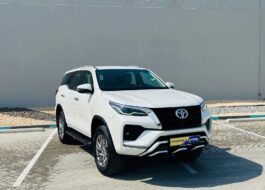
2026, gasoline, automatic, SUV, 2,700 cm3, grey, New condition, left steering wheel

WafrahCars.com
 United Arab Emirates, Dubai
 United Arab Emirates, DubaiUnited Arab Emirates, Dubai
 United Arab Emirates, DubaiUnited Arab Emirates, Dubai
The Toyota Fortuner is a popular SUV option for buyers who want a reliable, spacious, and versatile vehicle. If you’re in the market for a Fortuner, you’ll want to understand the key factors that influence price, feasibility, and long-term ownership. This guide focuses on the Fortuner’s generations, typical engine choices, body styles, and how to evaluate options in terms of year, mileage, and country-specific availability. Whether you’re aiming to buy a new model or a used Fortuner, the goal is to help you compare configurations, plan a realistic budget, and find the best value in your city.
The Fortuner blends rugged SUV styling with Toyota reliability. For many buyers, the main questions are: which generation suits my needs, which engine offers a good balance of performance and fuel efficiency, and what price range is realistic for my city. Common configurations include diesel and petrol engines, with 4x4 and automatic transmissions often favored for off-road suitability. When shopping in different countries, you may notice variations in trim levels, features, and pricing based on year and mileage. A typical Fortuner is offered in body types like 5-door SUV, with seating for seven in many markets.
When you search for a Fortuner in your city, you’ll likely see options spanning different years, mileages, and trims. To compare effectively:
If you’re selling, highlight the car’s strongest selling points: reliable Toyota mechanics, recent service history, low to moderate mileage, and a clean title. Provide clear photos, a complete spec list (engine, transmission, drivetrain, wheel size), and honest notes about any wear. A well-structured listing with a fair price based on comparable local Fortuners will attract serious buyers.
Whether you’re in a large city or a smaller locale, understanding the Fortuner’s generations, engines, and real-world pricing will help you make a smarter purchase or sale decision. Use local listings to gauge market value, and don’t hesitate to consult a trusted mechanic for an independent inspection before finalizing any deal.
 Add as preferred sourceSee more from zvelta in Google Search Add as preferred source