EN
ENDEALER
19.711 US$DEALER
20.211 US$
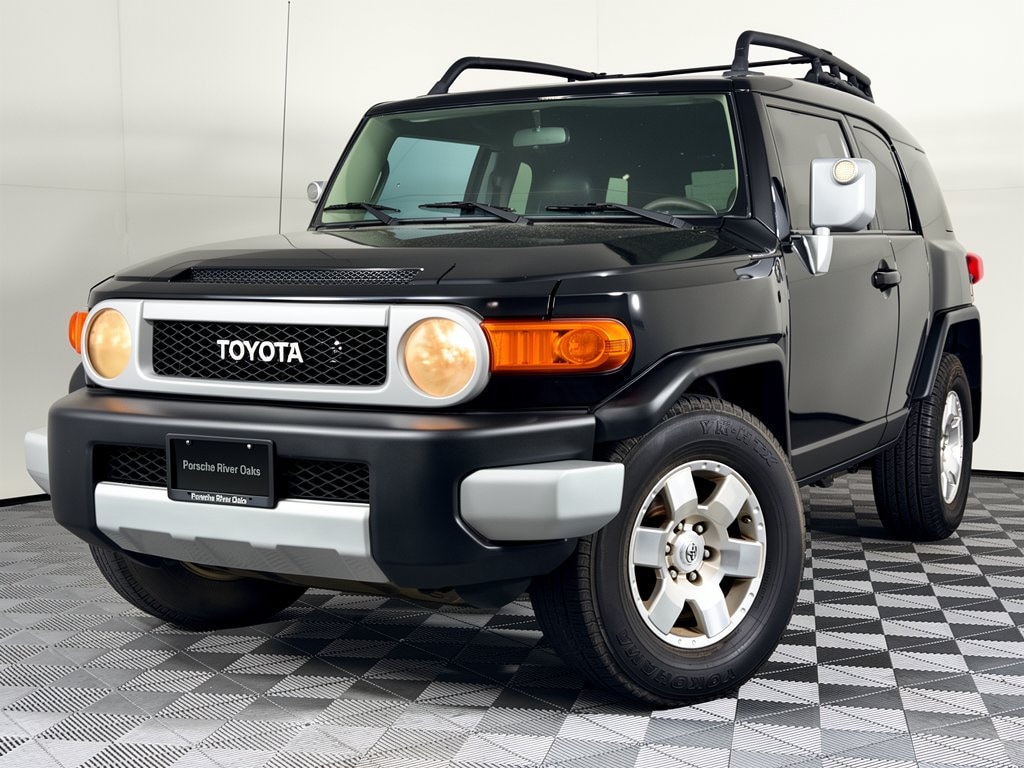
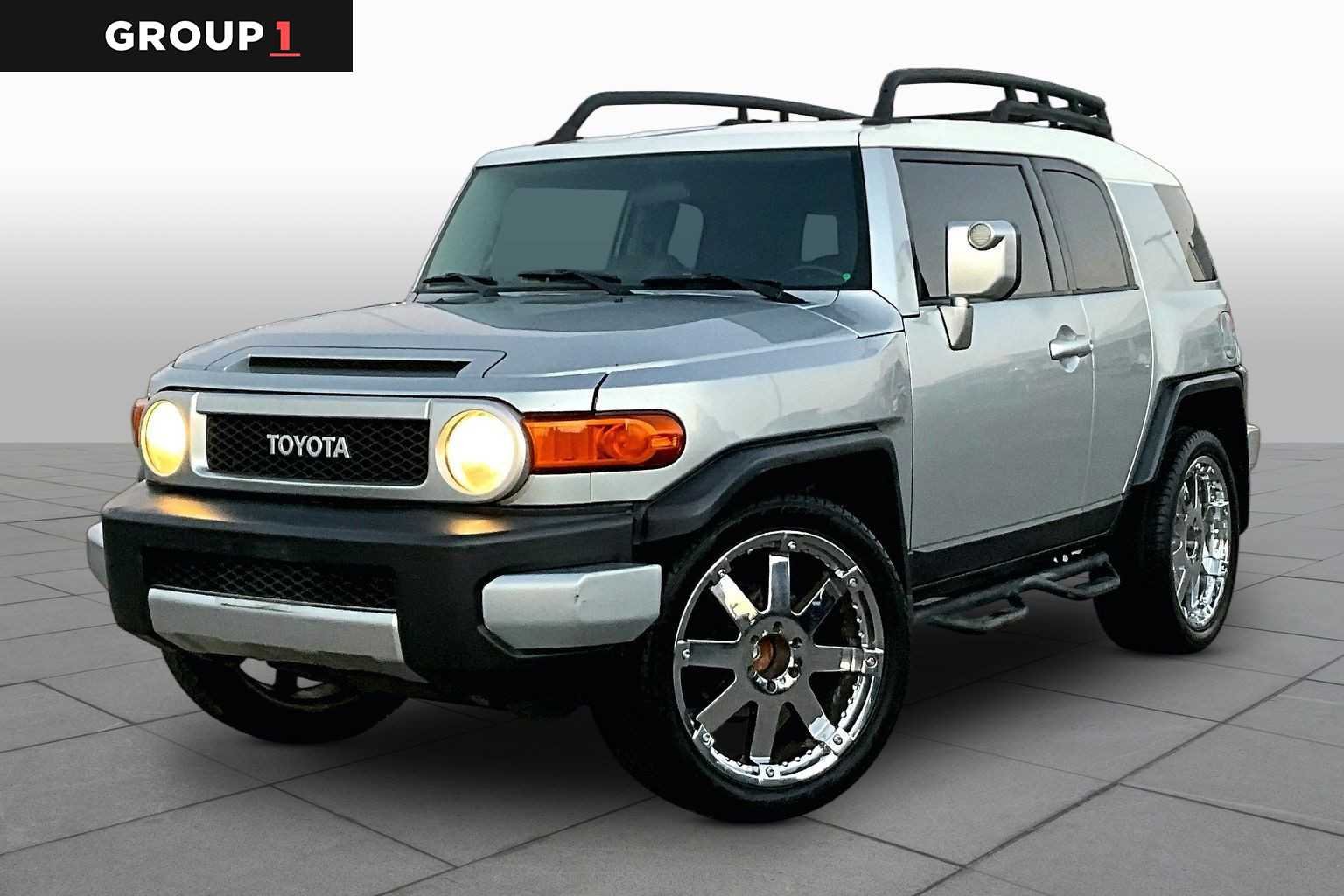
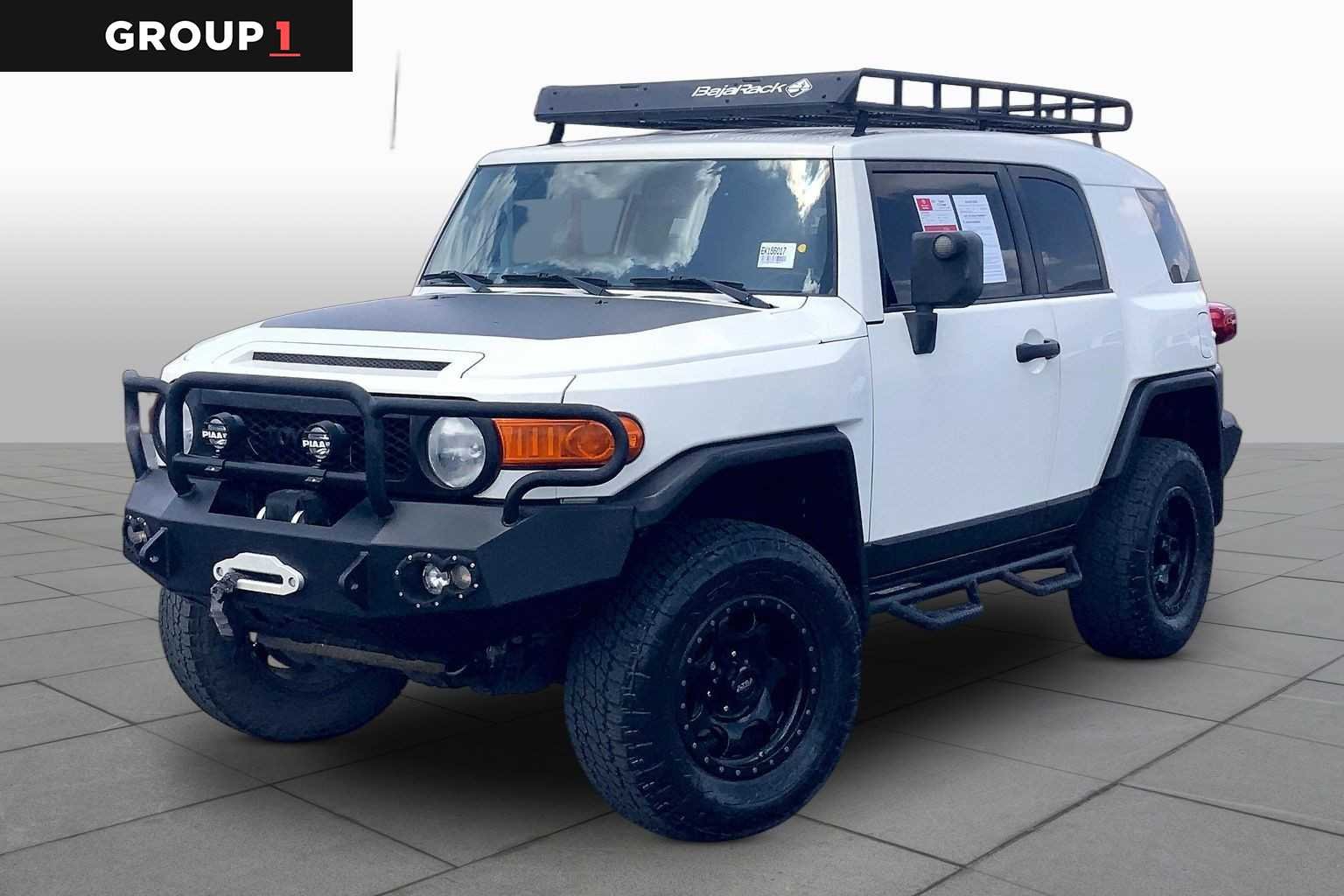
gasoline, automatic, 292K km, sedan, All Wheels Drive, 4,000 cm3, 4 hp, 4.0L V6 Cylinder Engine, Used condition, USA, In stock

Group1Auto.com
 Main Settlement, United States
 Main Settlement, United StatesHouston, United StatesFort Bend, United StatesKellogg, United States
 Ukraine
 UkraineUkraine, ZakarpattiaUkraine
 Tiraspol, Moldova
 Bulgaria, Varna
 United Arab Emirates, Dubai
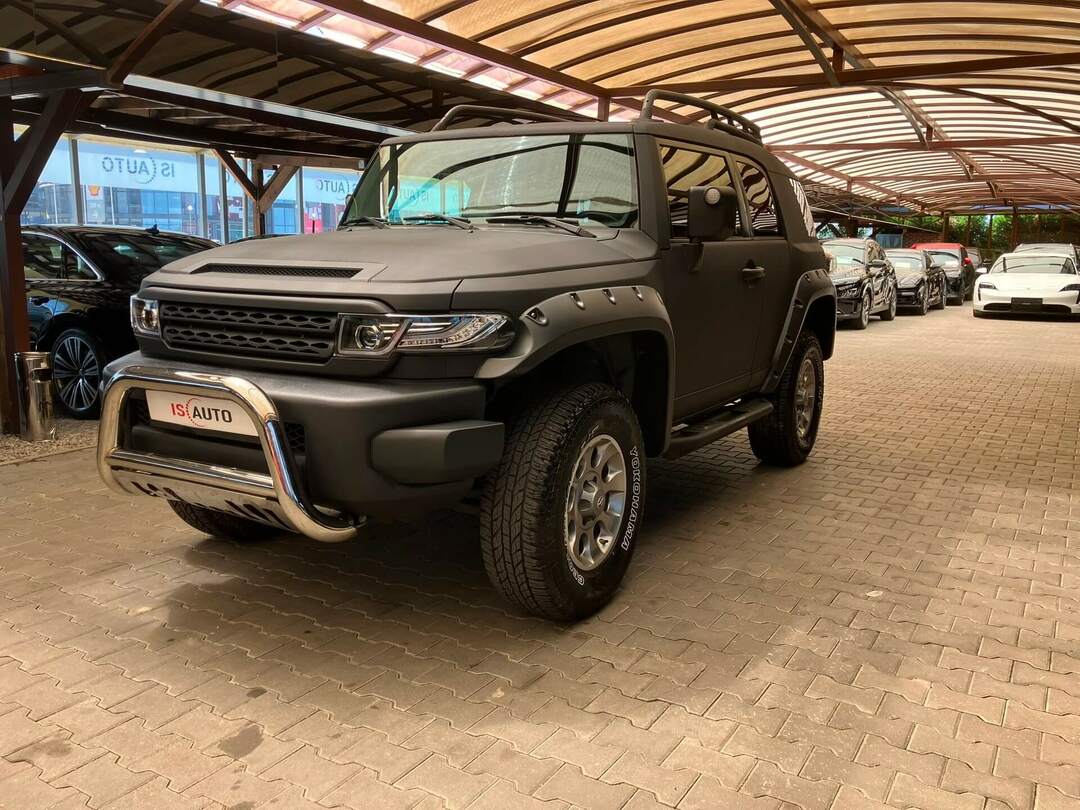
The Toyota FJ Cruiser has long been a favorite for drivers who want a rugged, reliable 4x4 with genuine off-road capability. If you’re in the market for a Toyota FJ Cruiser, you likely have questions about which generation fits your needs, what fuel and drivetrain options are available, and how to judge condition and value before you buy. This guide covers practical tips for selecting, comparing, and purchasing a Toyota FJ Cruiser, focusing on key details like model year, mileage, body style, and price segments.
The FJ Cruiser is built on a durable truck-based platform with a retro styling cue that appeals to enthusiasts and practical buyers alike. Common reasons to consider this model include strong off-road performance, robust V6 power, solid frame construction, and a spacious interior for its size. When evaluating options, think about intended use: weekend adventures, overlanding, or daily driving with occasional mud-and-rock trails.
Fuel and body types
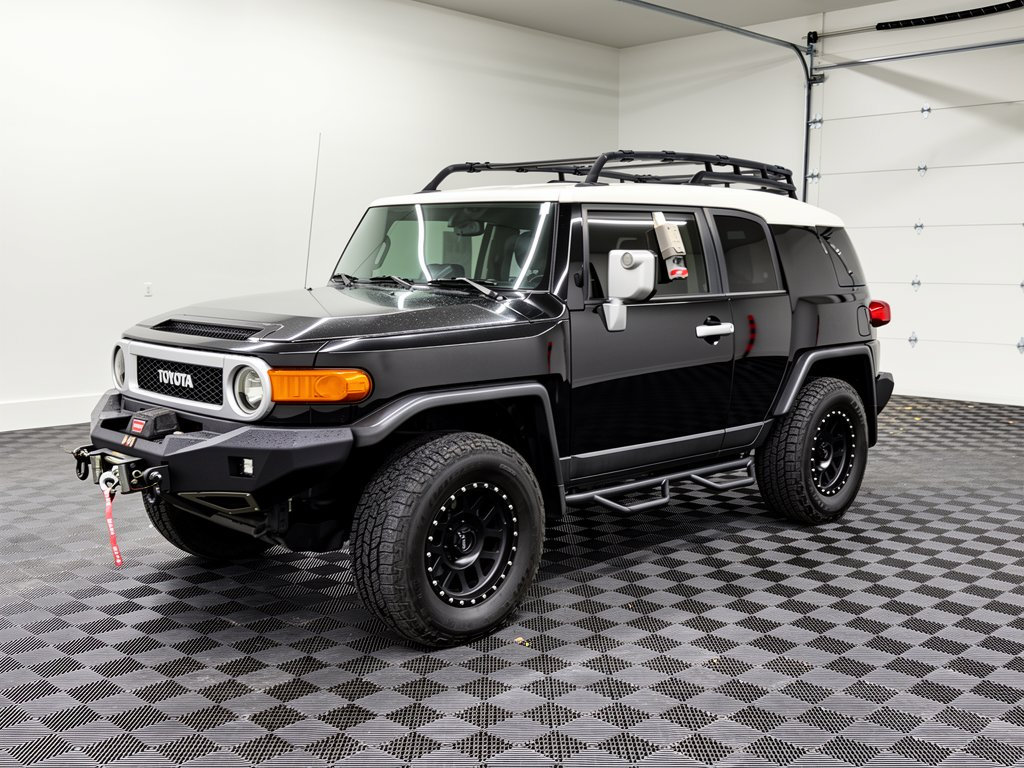
Price and market expectations Prices vary by country, year, mileage, and condition. In many markets, a well-kept later-model FJ Cruiser with reasonable mileage sits in a mid-to-upper mid-price segment among used SUVs. Compare prices for similar mileage and check for rare trims or options that add value, such as upgraded suspension, off-road accessories, or roof racks. When negotiating, emphasize documented maintenance and any improvements that help reliability on rough roads.
If you want help comparing specific listings of Toyota FJ Cruiser models in your city, share your location and budget. With details on year, mileage, and condition, you’ll get tailored guidance on which generation and configuration best match your needs and how to negotiate a fair price.
 Add as preferred sourceSee more from zvelta in Google Search Add as preferred source