 EN
ENDEALER
5.005 US$DEALER
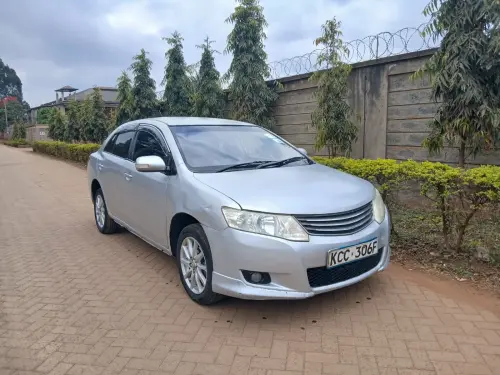
2008, gasoline, automatic, 193K km, wagon, 1,490 cm3, Used condition, In stock

cars.mogo.co.ke
 Evergreen, Kenya
 Evergreen, KenyaEvergreen, Kenya
The Toyota Allion has long been a popular choice for drivers who want a reliable sedan with a comfortable ride and practical features. If you’re considering buying a Toyota Allion, it helps to understand the key aspects that influence price, performance, and long-term value. In this guide we cover how to pick the right generation, evaluate fuel types, and compare body styles, mileage, and country-specific availability to help you make an informed decision whether you are in a big city or a smaller town.
Toyota offered several generations of the Allion, usually paired with efficient engines and a compact sedan footprint. When researching, you’ll encounter variations in year, miles, and trim level. Look for details about the year of manufacture, mileage, and service history, as these factors strongly affect overall reliability and resale value. Common questions include: which engine is best for daily commuting, how does the CVT perform over time, and are there notable differences between hybrid and gasoline variants. If you’re aiming for a balance of fuel economy and practicality, consider a recent generation with a well-documented maintenance record and lower mileage similar to your daily needs.
Whether you’re in a large city or a regional center, these considerations help you compare options effectively:
When scanning listings, pay attention to year, mileage, and price. A well-documented service history, recent maintenance receipts, and an honest description of any past repairs can help you gauge long-term reliability. Create a short checklist for yourself:
If you’re putting a Toyota Allion up for sale, present a clear history and recent service work. Clean documentation on maintenance, brake service, tires, and a clean test drive report will make the listing more credible. Consider including high-quality photos of the exterior, interior, and a representative wheel-and-tire setup. Transparent messaging about fuel efficiency and typical running costs can also attract serious buyers who are comparing options in the same market.
In any market, the Toyota Allion remains a capable and practical choice for buyers who value reliability, comfort, and predictable ownership costs. By understanding the generation and configuration that fits your needs, you’ll be well-positioned to make a confident decision whether you are purchasing in a busy city or exploring options in nearby neighborhoods.
 Add as preferred sourceSee more from zvelta in Google Search Add as preferred source