 EN
ENDEALER

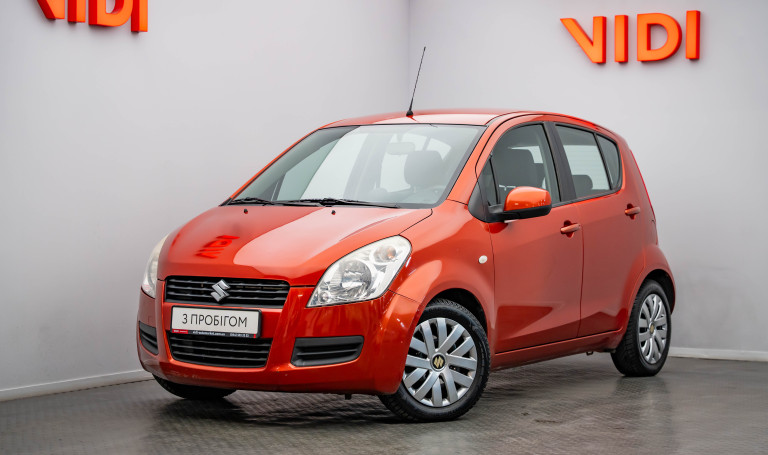
2011, gasoline, manual, 184K km, sedan, 996 cm3, 68 hp, orange, 1.0 vvt exclusive, Used condition, Europa, In stock, sale date 23.10.2026 03:15

CarOutlet.eu
 Netherlands
Auction starts
23 Oct, 03:15
 Netherlands
 Sofiyivska Borschagivka, Ukraine
The Suzuki Splash is a compact hatchback that has drawn attention from city drivers and budget-conscious buyers. If you’re considering purchasing or selling a Suzuki Splash, focusing on model generation, engine type, and condition will help you get the best value. In many markets, the Splash is known for its reliable small-car performance, easy maneuverability, and efficient fuel consumption. Here’s how to navigate the process, whether you’re in a metropolitan area or a smaller city.
The Splash has been offered in several generations with varying body styles and engine options. When buying, note the year and mileage, as these details influence price and maintenance needs. Key factors to compare include:
When selling, presenting a clear history helps—include service records, any known issues, and recent maintenance such as brake work or tire replacements. A well-documented mileage figure and a clean title also support a faster sale and a better asking price.
Whether you’re aiming to buy a Suzuki Splash or move one on to a new owner, local market conditions matter. Here are practical tips to guide the process:
If you’re comparing options in the same price segment, weigh the benefit of newer mileage against potential maintenance costs on older generations. A well-kept Splash with full maintenance history can offer strong value, even as mileage climbs.
Most buyers in urban markets opt for used Splash models due to affordable pricing and decent reliability. A newer used Splash may provide modern conveniences without the higher price tag of a brand-new car. Consider:
In conclusion, whether you’re shopping in a large city or a smaller town, the Suzuki Splash can be a sensible choice for those seeking an economical, compact hatchback. With careful evaluation of generation, mileage, and service history, you’ll be better positioned to negotiate a fair deal or secure a solid resale price.
 Add as preferred sourceSee more from zvelta in Google Search Add as preferred source