 EN
EN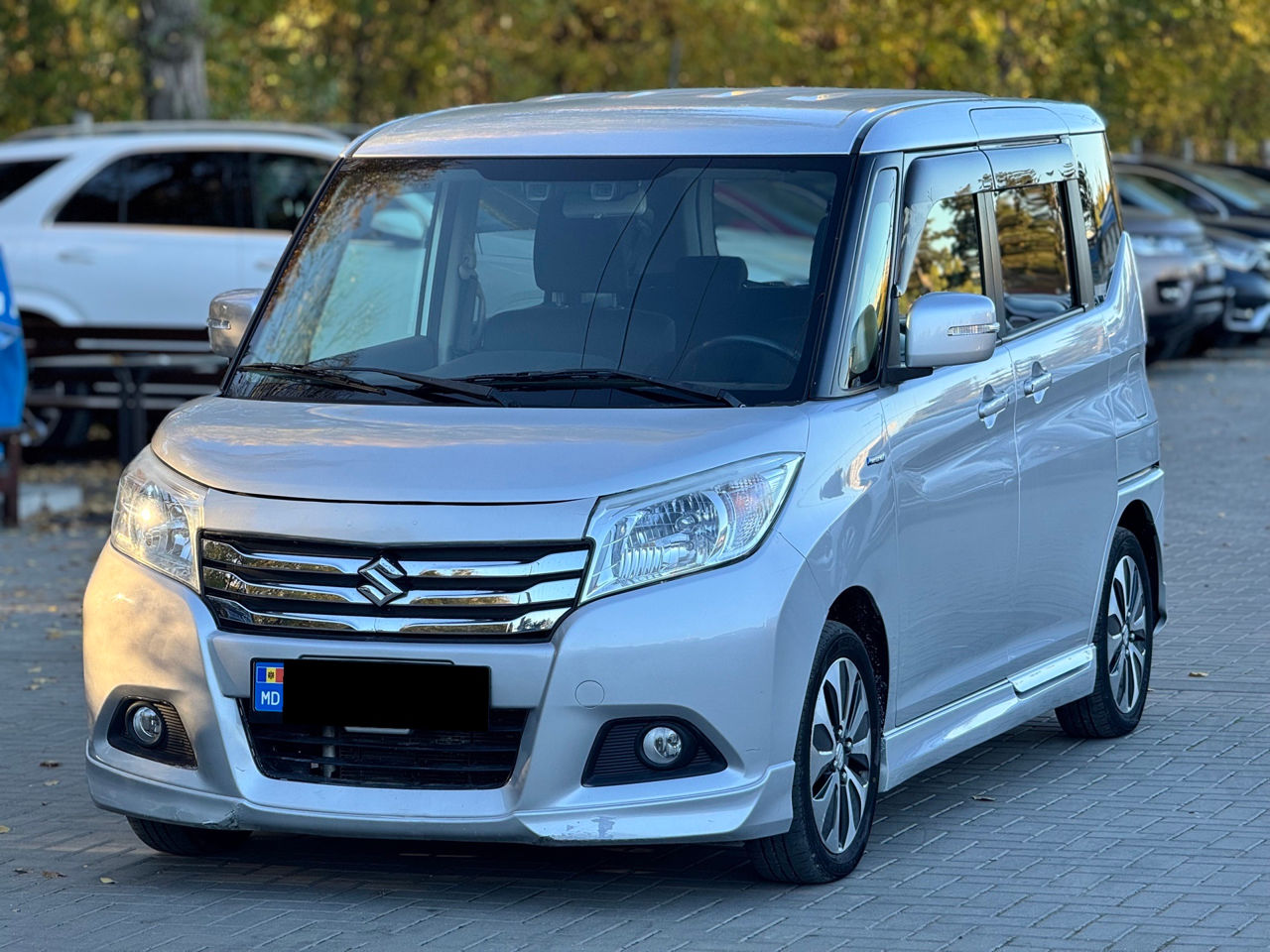
8.963 US$
2018, hybrid, automatic, 113K km, wagon, Front Wheels Drive, 1,242 cm3, 91 hp, silver, Used condition

InterAuto.md
 Moldova, Chișinău Municipality
 Moldova, Chișinău Municipality
The Suzuki Solio is a compact multi-purpose vehicle that fits urban life with clever practicality. If you’re looking to buy or sell a Suzuki Solio, understanding the different generations, engine options, and typical price ranges helps you make a smarter choice. Whether you’re aiming for a early 2010s model or a more recent generation, this guide walks you through what to consider in relation to body type, fuel, and mileage, and how these factors influence value in the market.
The Solio has been offered in compact, tall-wagon form with a focus on interior space and efficiency. Common body types you’ll encounter include 5-door hatchbacks that prioritize easy access and versatile seating. Key details to verify include the year, mileage, and whether the model is a hybrid option, as some iterations emphasize efficiency through smaller displacement engines and thoughtful transmissions. When you shop in cities or regions where road conditions or traffic patterns differ, you’ll notice that later generations tend to bring refined ride quality and updated cabin features. Pros of choosing a Solio often center on practicality and good fuel economy for daily commuting, while cons may involve limited rear cargo space in some configurations and modest horsepower.
Prices for a Suzuki Solio depend on generation, year, mileage, and overall condition. In many markets, an older, higher-mileage Solio will sit in a mid-to-lower price segment, while low-mileage, well-maintained examples from newer generations command premium pricing. When buying, compare multiple examples, request service records, and verify the engine and transmission perform smoothly under typical driving conditions. If you’re selling, prepare a detailed history, highlight recent maintenance, and be ready to justify the asking price with provenance and condition.
If you’re in a city with a Suzuki Solio on offer, this guide can help you compare options effectively, whether you’re prioritizing peak fuel efficiency or the day-to-day practicality that compact MPVs bring to urban living. By understanding the key factors—brand Suzuki, model Solio, generation, fuel type, body style, year, mileage, and price range—you’ll navigate the market with confidence and reach a satisfactory deal whether you’re buying or selling.
 Add as preferred sourceSee more from zvelta in Google Search Add as preferred source