 EN
ENDEALER
1.231 US$DEALER
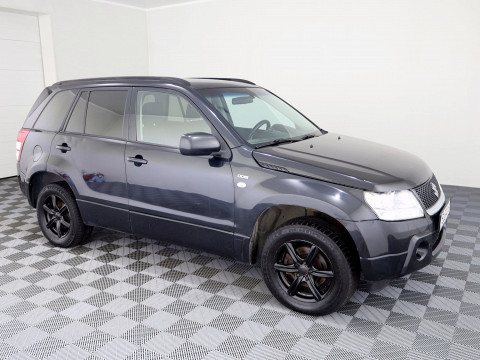
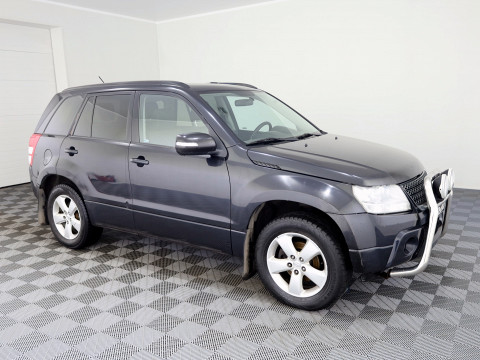
2010, gasoline, manual, 212K km, wagon, All Wheels Drive, 2,400 cm3, black, Used condition, Japan, In stock

BaltiCar.com
 Estonia, Harjumaa
 Estonia, HarjumaaEstonia, HarjumaaEstonia, Harjumaa
 Romania, Timiș County
 Romania, Maramureş
 Sofiyivska Borschagivka, Ukraine
 Romania, Bacău CountyRomania, Bacău CountyRomania, Bacău County
 Moldova
 Ukraine
 UkraineUkraineStryi, UkraineUkraine, ZakarpattiaUkraineOdeskyi Raion, Ukraine
Choosing a Suzuki Grand Vitara: a practical compact SUV that blends versatility with reliability. Whether you are buying for daily commuting or weekend adventures, understanding the model’s generations, body types, and engine choices helps you make a smart decision. This guide focuses on key factors buyers and sellers consider in markets where Suzuki is popular, covering year ranges, mileage expectations, price segments, and common pros and cons.
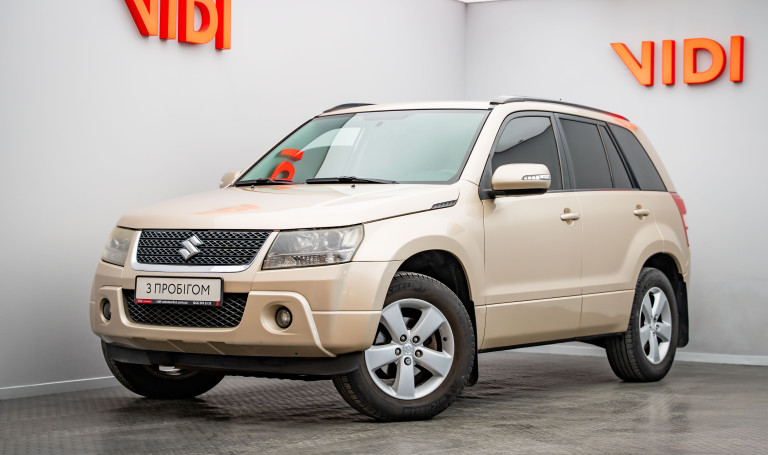
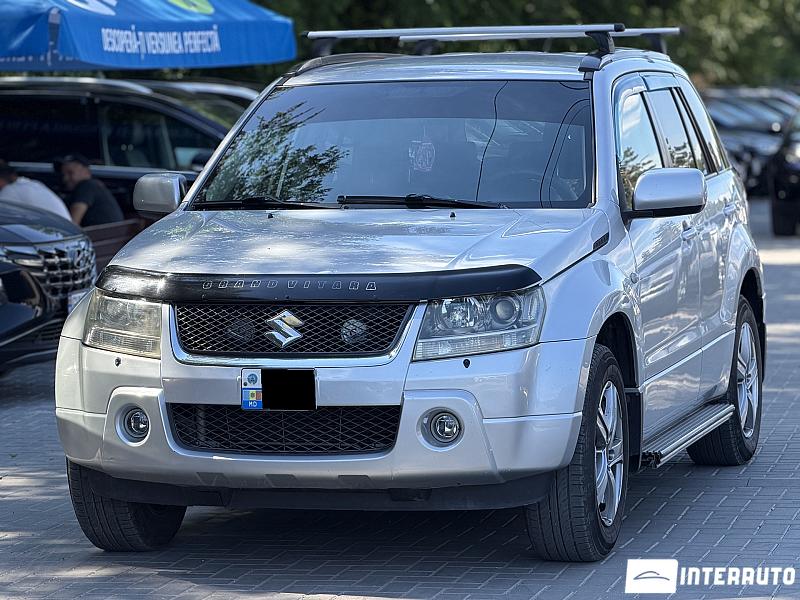
The Grand Vitara has evolved through multiple generations, offering different body styles from two- and four-door layouts to five-door configurations in many markets. Buyers often compare gasoline and diesel options, while hybrid or plug-in variants are less common in older generations. When evaluating a specific car, note the year, generation and mileage, as these influence performance, maintenance costs and resale value. A typical example might be a late-generation five-door SUV with a 2.4-liter or 2.0-liter engine, front- or all-wheel drive, and moderate mileage.
Prices vary by city and country due to demand, taxes and currency exchange. In urban centers, buyers commonly search for a well-maintained Grand Vitara with complete service history, reasonable mileage and a clear title. Sellers who can demonstrate regular servicing and any recent maintenance tend to attract more serious inquiries. When comparing offers, look for the distance driven, service records, and any notable wear on tires and brakes. If you’re selling, highlight recent maintenance, tire condition, and a clean interior to maximize interest.
If you are weighing options, request a vehicle history report, take a test drive to assess acceleration, steering and braking, and inspect under the hood for leaks. For sellers, presenting a clear maintenance log and recent safety checks can help you achieve a faster sale at a fair price.
In summary, a Suzuki Grand Vitara remains a sensible choice for those seeking a compact SUV with practical cargo space and reliable performance. By understanding the key factors of generation, fuel type, body style, and mileage, buyers and sellers can navigate the market with greater confidence.
 Add as preferred sourceSee more from zvelta in Google Search Add as preferred source