EN
EN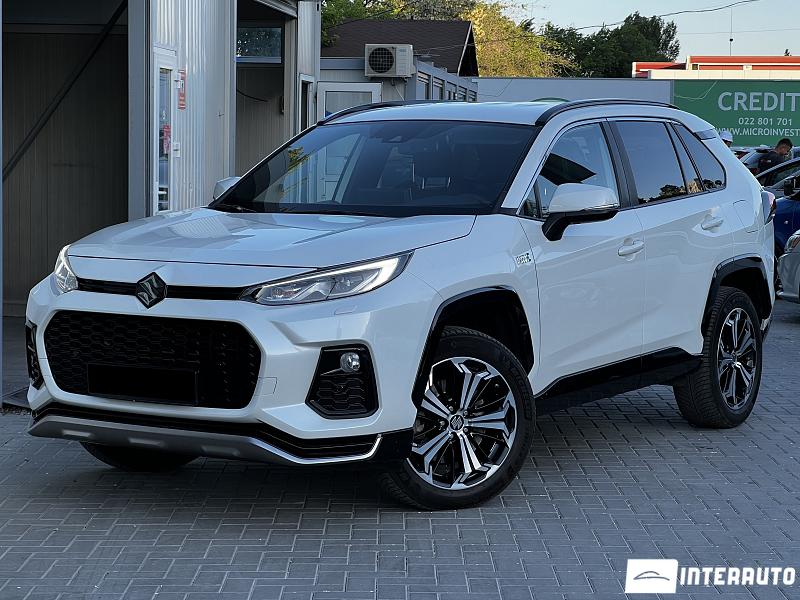
31.373 US$
34.697 US$
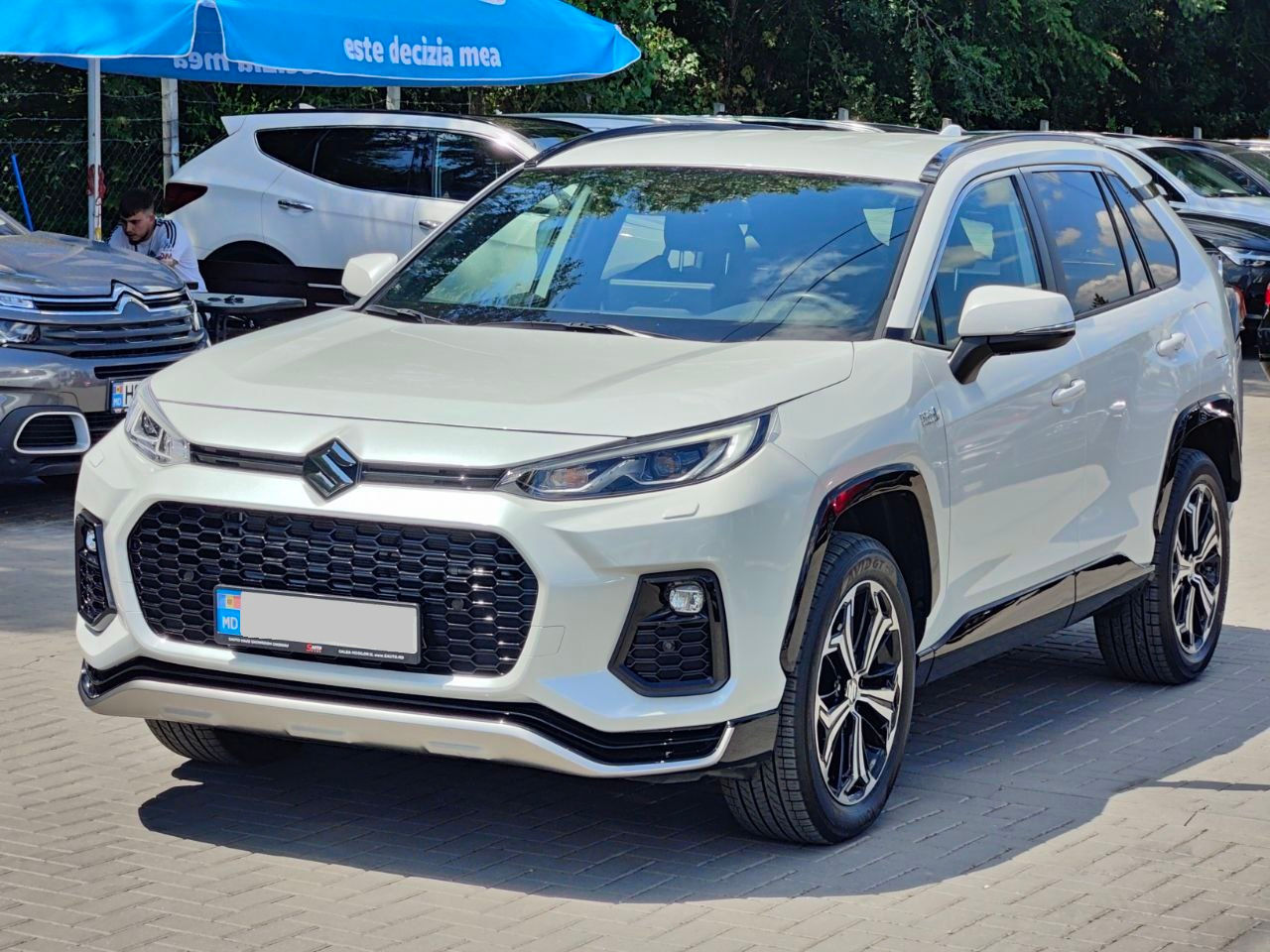
2021, hybrid, automatic, 160K km, SUV, Front Wheels Drive, 2,500 cm3, 306 hp, white, Japan

InterAuto.md
 Moldova, Chișinău Municipality
 Moldova, Chișinău MunicipalityMoldova, Chișinău Municipality
The Suzuki Across has carved a niche in the crossover market with its blend of practicality and efficiency. If you’re exploring options to buy or sell this model, it’s helpful to focus on key details like the generation, fuel type, body style, year, mileage, and regional pricing. In many markets, the Across is seen as a versatile family SUV with hybrid power that suits city driving and longer trips alike. This guide covers how to evaluate different configurations, compare prices, and decide what fits your needs in your country and city.
The Across is often associated with a contemporary SUV design and a hybrid drivetrain. When assessing a specific listing, look for the generation and fuel type, usually a hybrid setup, and a body type categorized as SUV. Pay attention to the year of manufacture, as it influences both pricing and available features. Mileage is another important factor: lower miles generally command higher prices, but well-maintained higher-mileage examples can be strong value. Consider the trim level and included equipment, such as advanced safety systems, infotainment, and comfort features.
Prices for a Suzuki Across can vary by city and country due to taxes, import rules, and demand. Start by noting the expected price segment for your target year and mileage. For buyers, compare listings by year, mileage, and condition to gauge fair market value in your area. For sellers, highlight recent maintenance, low mileage, and any upgrades to justify asking price. In many markets, an Across with moderate mileage and recent service records approaches mid-to-upper price brackets for the generation, while pristine examples with low miles may reach higher brackets.
If fuel economy and smooth city driving are priorities, a hybrid Across often shines, balancing everyday usability with efficient performance. For those planning longer trips or family usage, ensure cargo space and rear-seat comfort meet your needs. When choosing a generation, verify whether the model includes the features you value most, such as adaptive cruise control, advanced driver aids, and infotainment updates. In selling scenarios, clearly describe the car’s condition, mileage, service history, and any recent upgrades to attract serious inquiries. Finally, align your choice with local market expectations and price segments to reach a fair deal.
 Add as preferred sourceSee more from zvelta in Google Search Add as preferred source