EN
ENDEALER
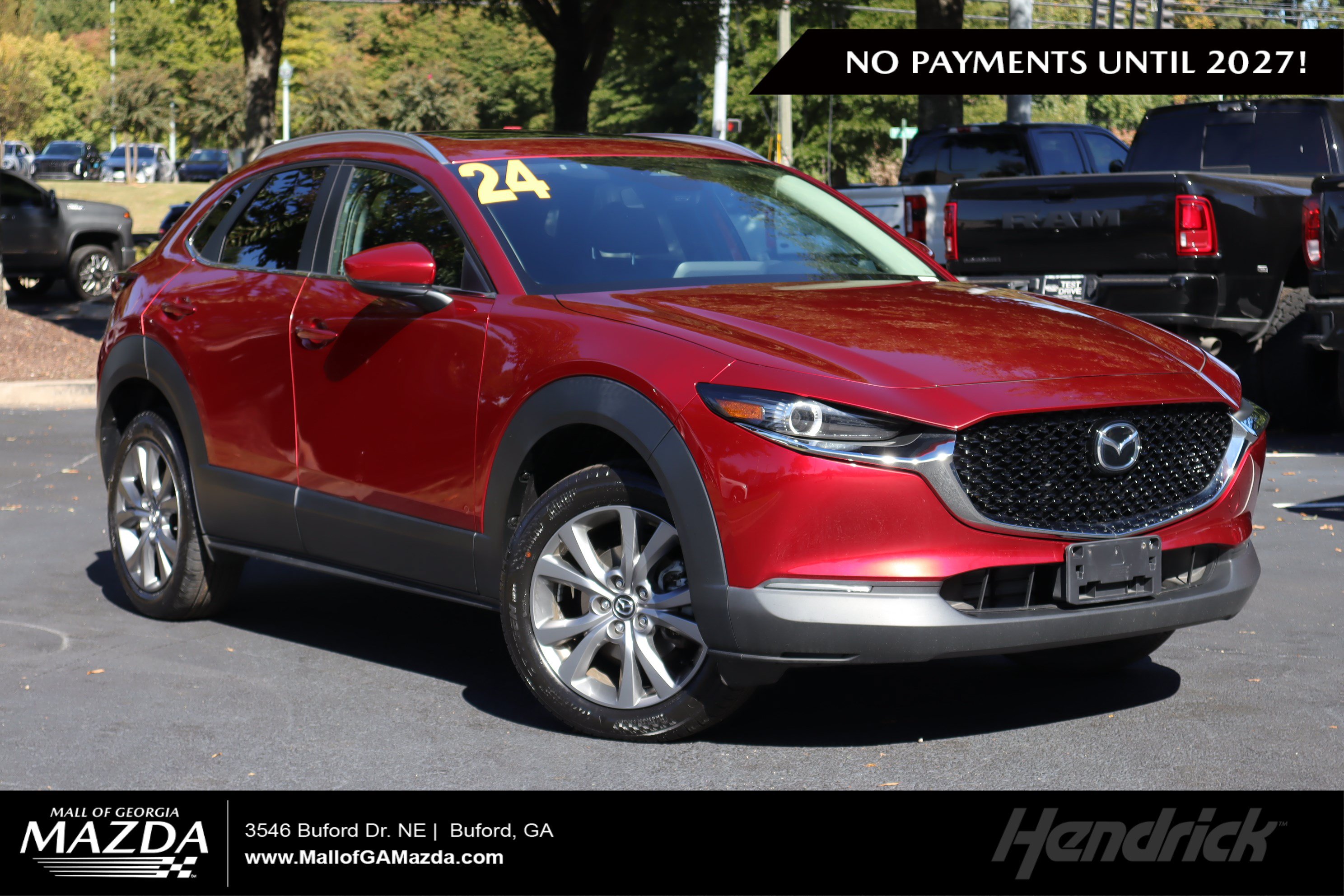
28.937 US$DEALER
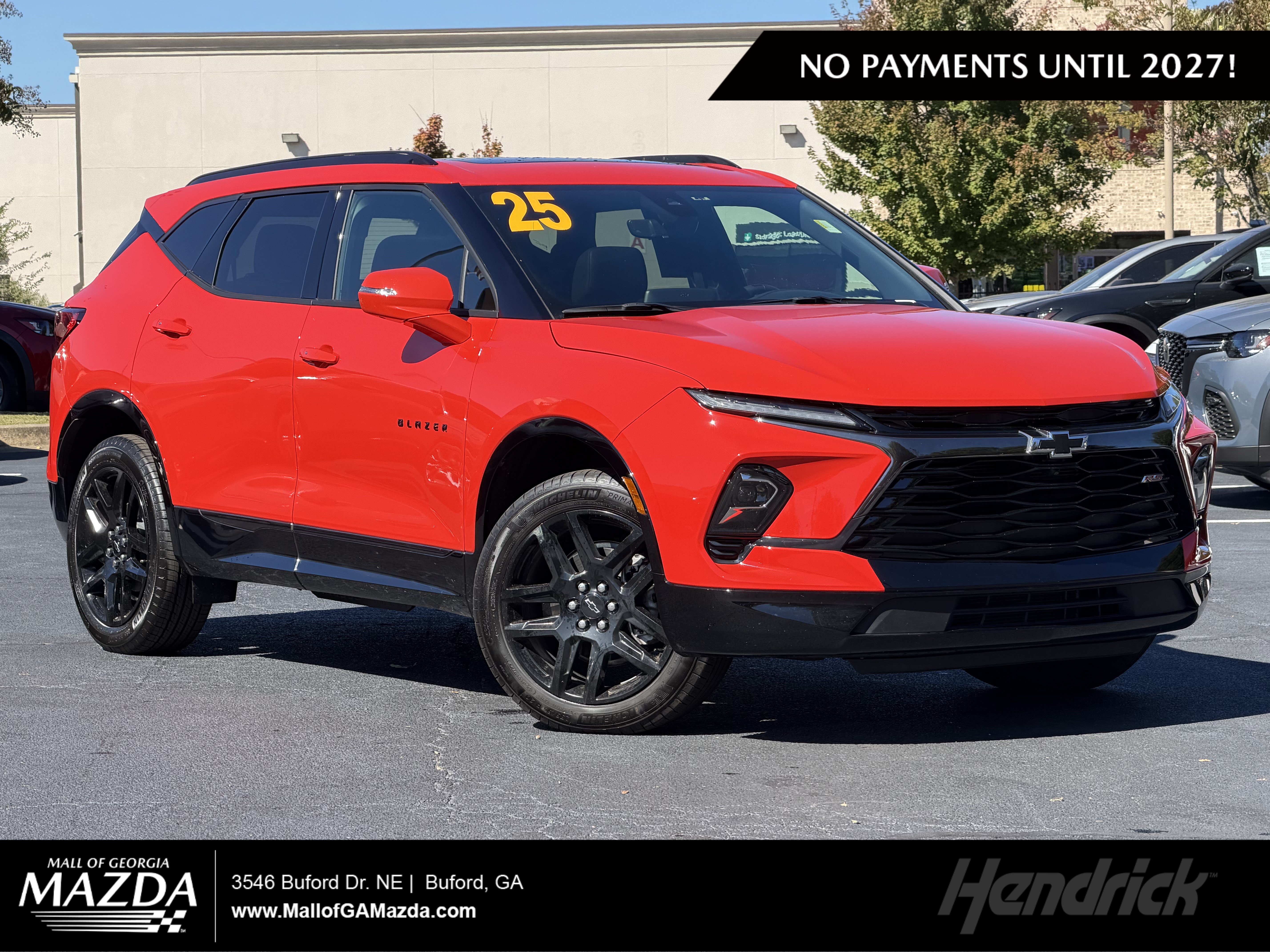
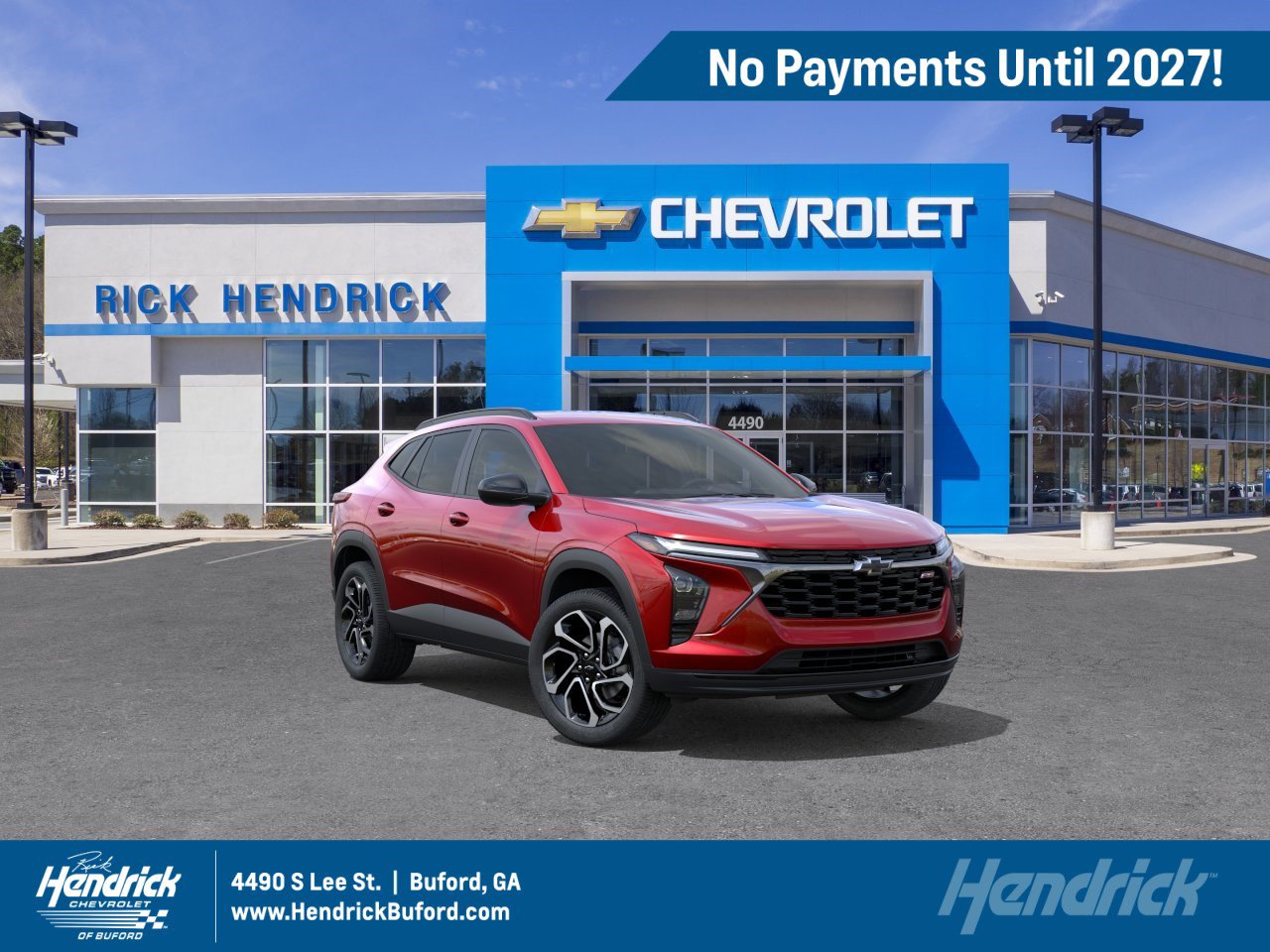
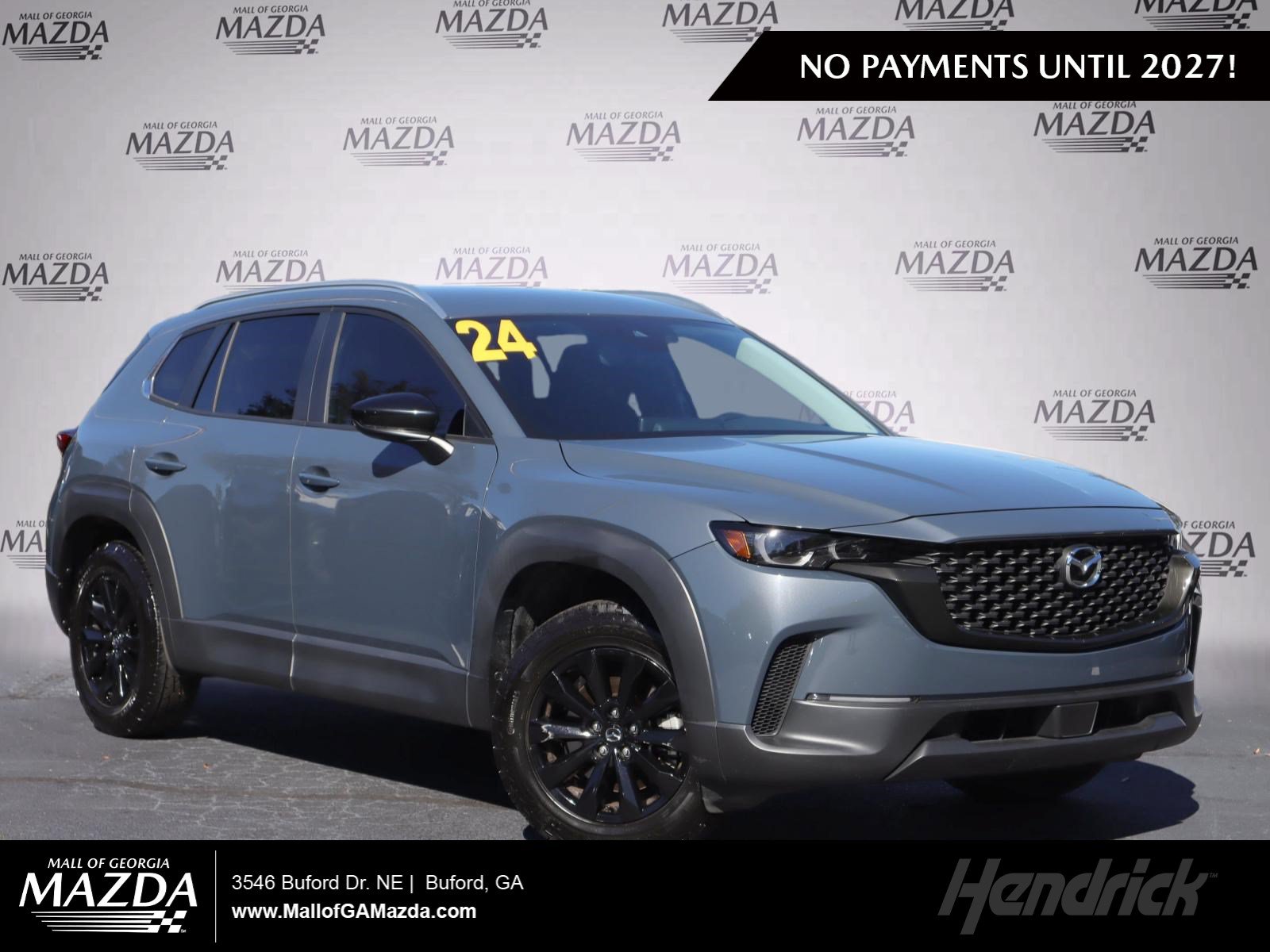
Mazda: CX-30, gasoline, automatic, 51K km, SUV, All Wheels Drive, 2,500 cm3, 191 hp, red, 2.5 S Preferred Package, Used condition, Mexico, In stock

HendrickCars.com
 Buford, United StatesBuford, United StatesBuford, United StatesBuford, United StatesBuford, United StatesBuford, United StatesBuford, United States
 Buford, United States
 Buford, United StatesBuford, United States
 Buford, United StatesBuford, United StatesBuford, United StatesBuford, United StatesBuford, United StatesBuford, United StatesBuford, United StatesBuford, United StatesBuford, United StatesBuford, United StatesBuford, United StatesBuford, United StatesBuford, United StatesBuford, United StatesBuford, United StatesBuford, United States
Buying an SUV can be a decisive step, whether you need family space, off-road capability, or a comfortable long-distance cruiser. This guide helps you understand what to look for when choosing an SUV, how to compare popular models, and where to find fair prices in your city. From compact crossovers to full-size SUVs, the journey starts with your priorities: size, fuel type, and budget, followed by careful evaluation of reliability, features, and total ownership costs.
When you search for an SUV, the first questions are about body type, fuel, and size. Decide whether you want a compact or mid-size SUV for city driving, or a larger model with three rows for a growing family. Key factors include the fuel type (gasoline, diesel, hybrid, or plug-in hybrid), drivetrain (front-wheel, all-wheel, or rear-wheel drive), and transmission. Look for cargo space, seating flexibility, and cargo configuration that fits your daily needs. Safety features such as adaptive cruise control, lane-keeping assist, automatic emergency braking, and blind-spot monitoring are essential, especially for family use.
Comparing models means weighing price against features and long-term costs. Start by listing top candidates and gather data on:
Look for certified pre-owned options or dealer-backed warranties to reduce risk. If you’re considering a plug-in hybrid or fully electric SUV, evaluate charging options at home and on the road, as well as residual value.
In cities around the country, popular SUV choices span many brands and models, from compact crossovers to family-friendly SUVs. Whether you’re aiming for a fuel-efficient daily driver or a versatile family vehicle, the key is to align your choice with your daily routes, budget, and future needs. A thoughtful approach will help you find an SUV that delivers reliability, comfort, and strong resale value.
 Add as preferred sourceSee more from zvelta in Google Search Add as preferred source